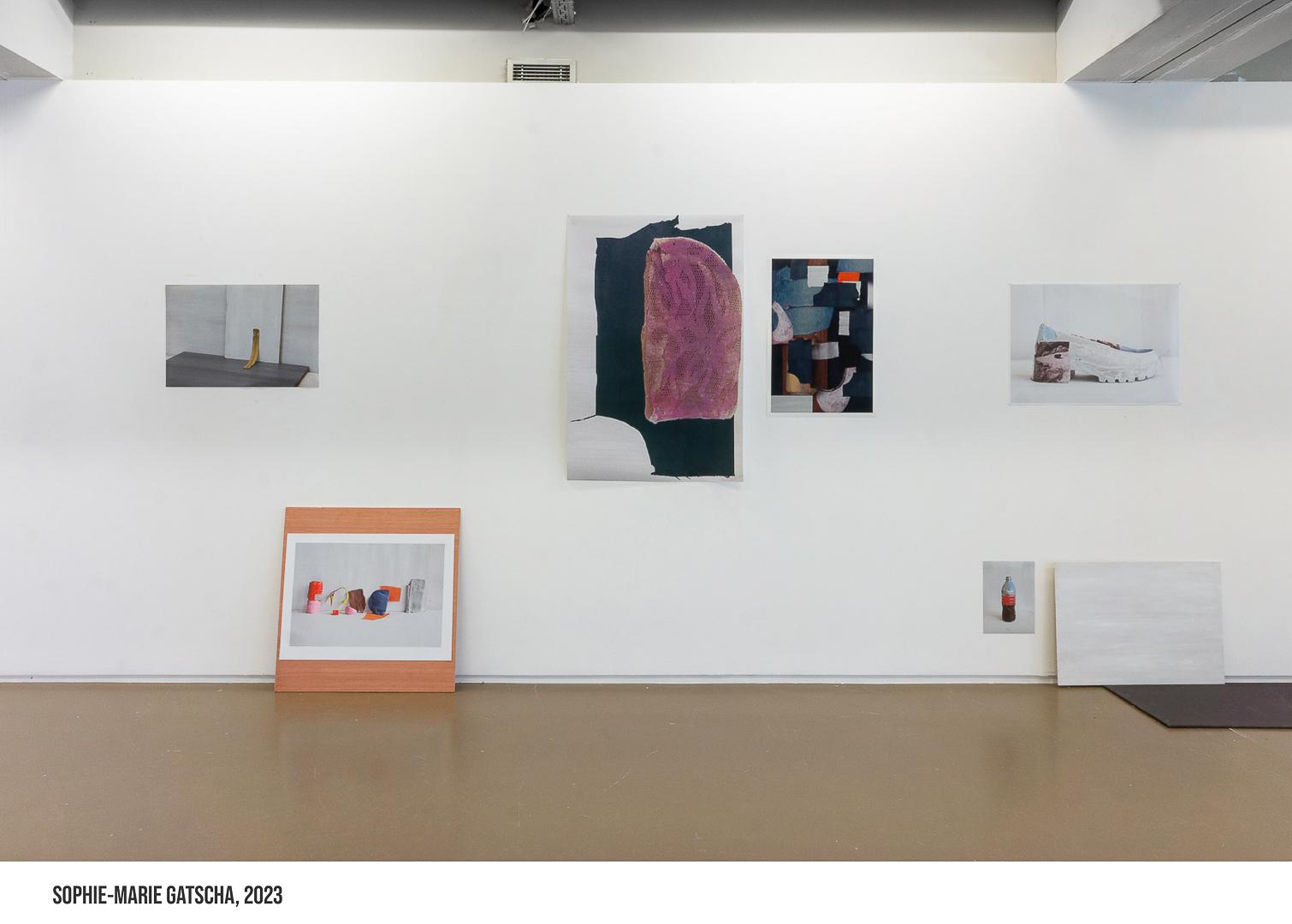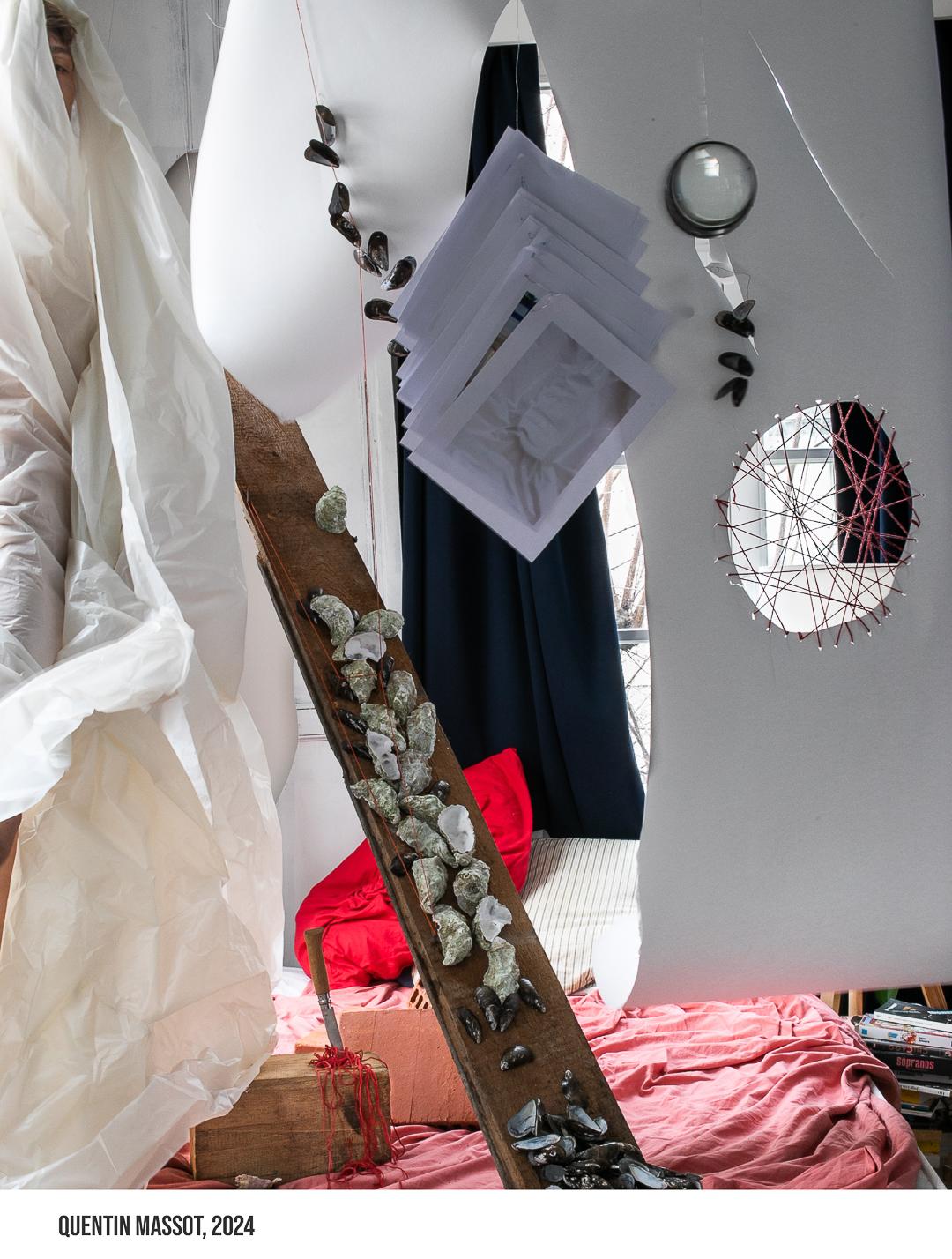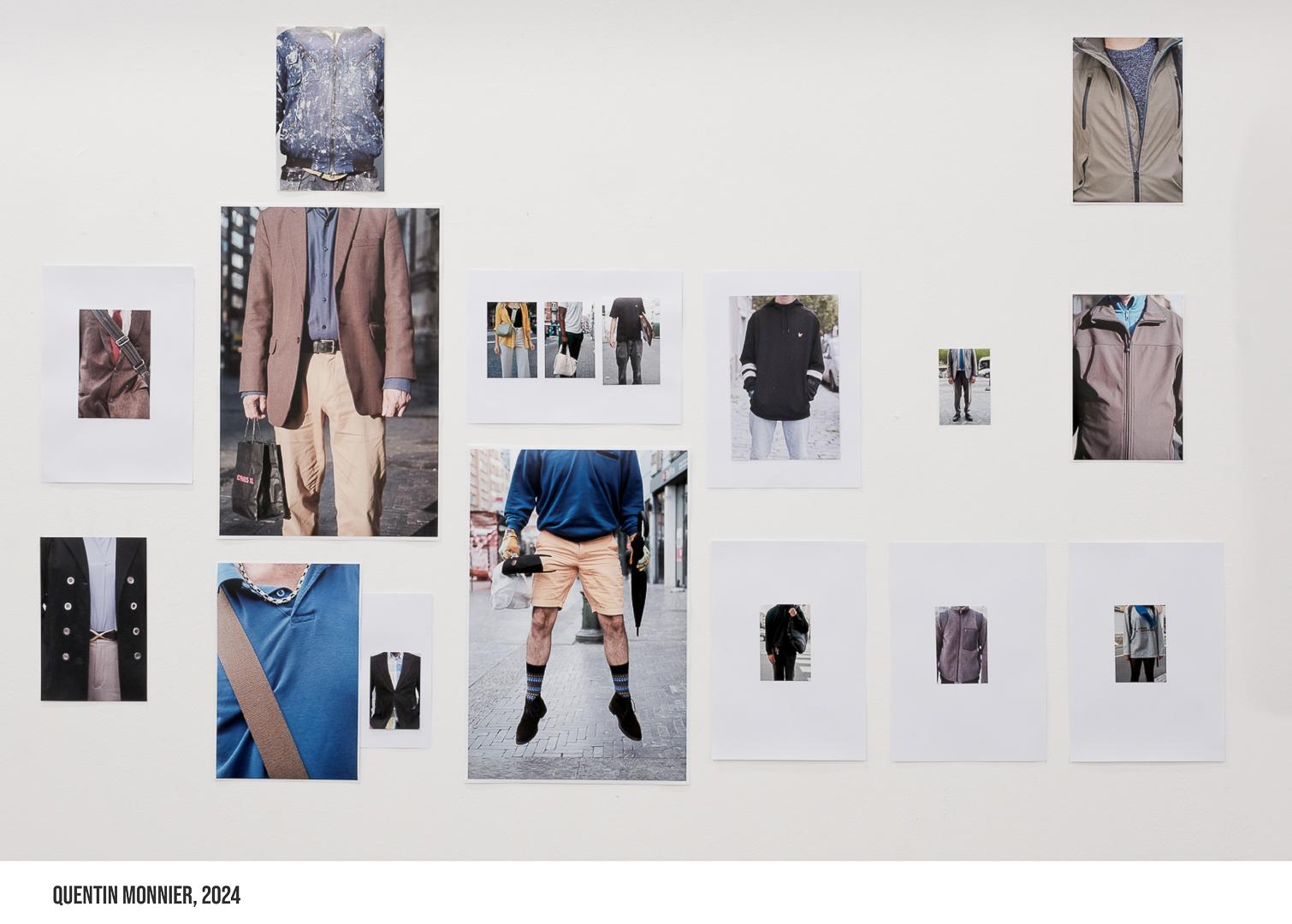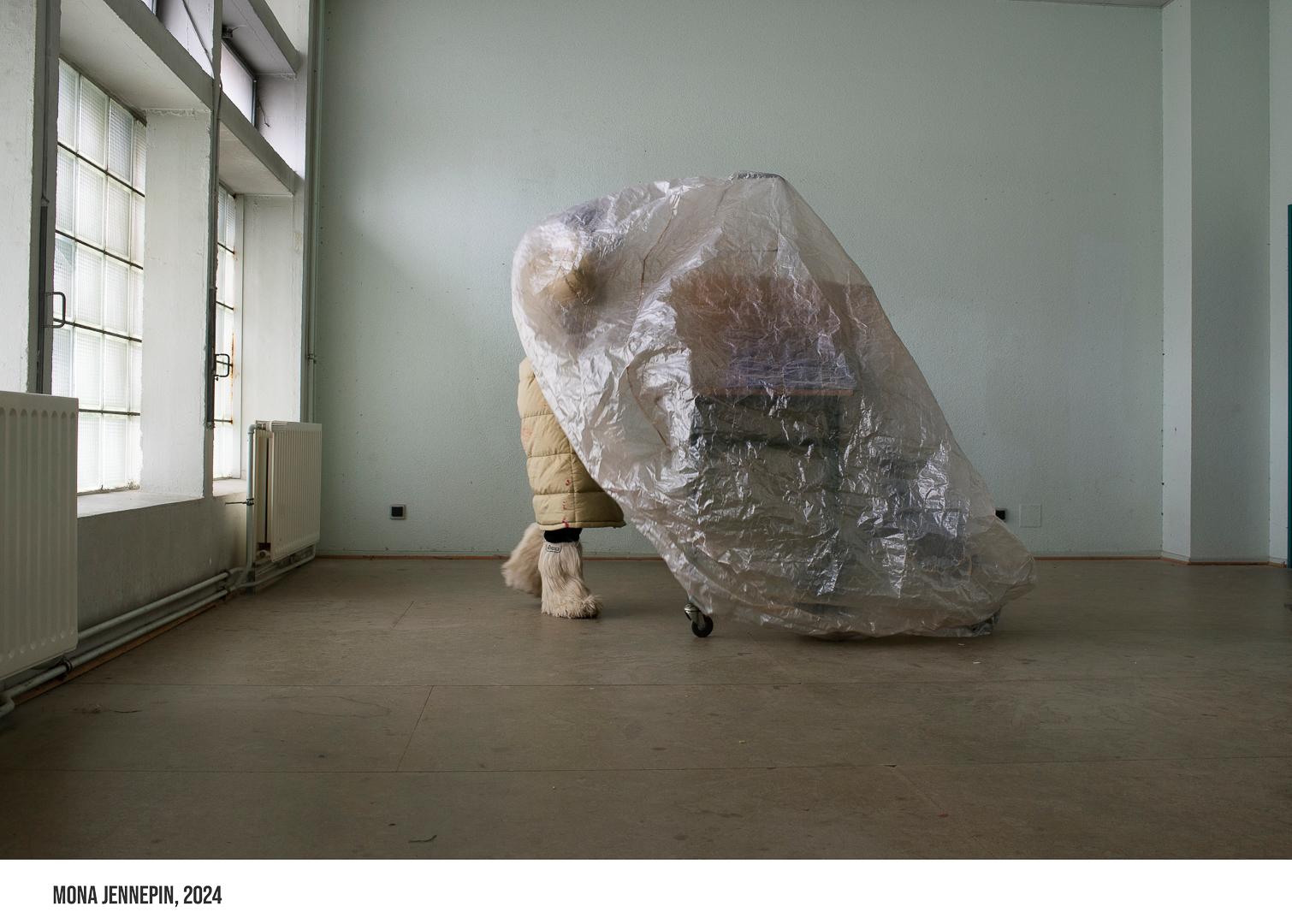
Photography
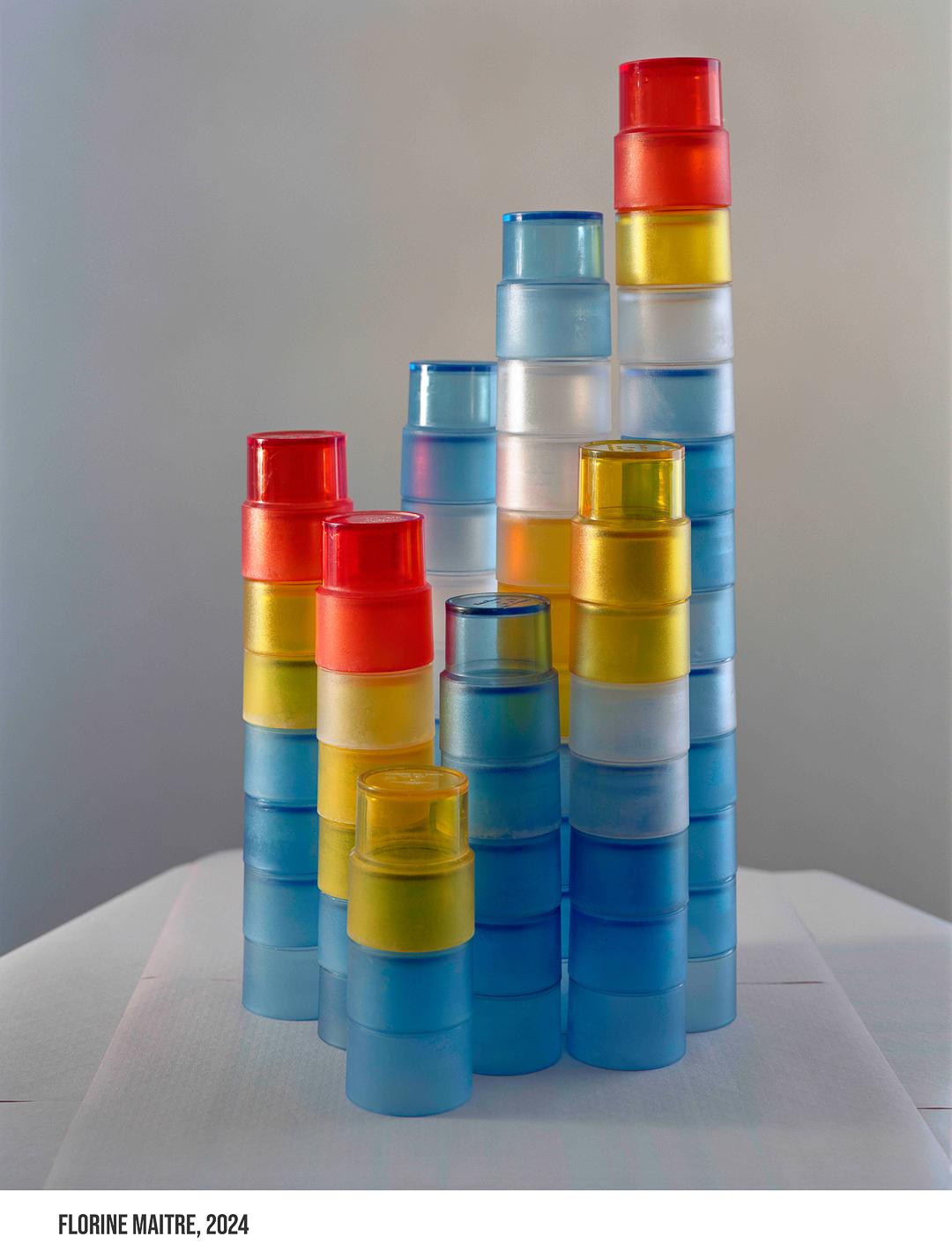
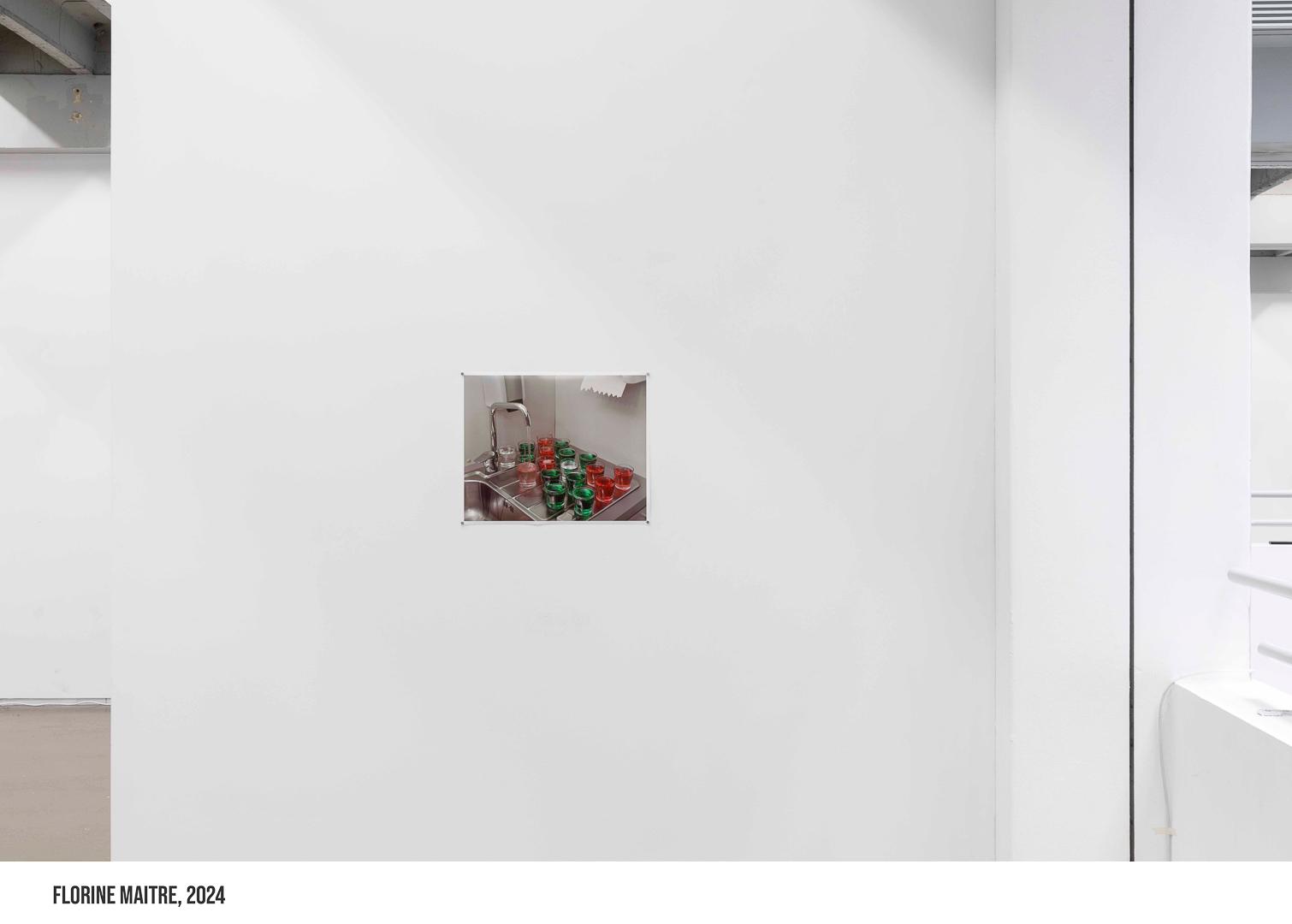
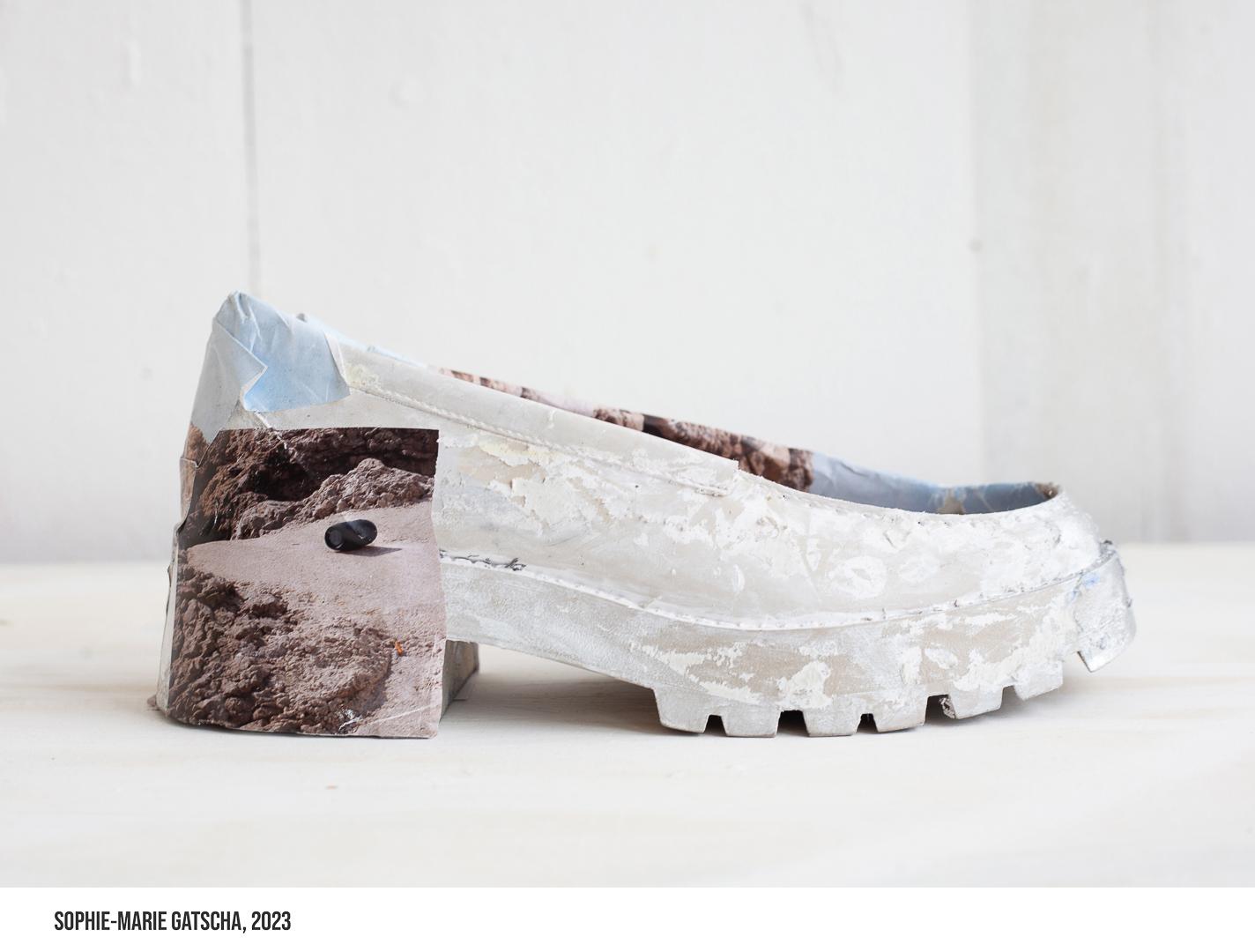
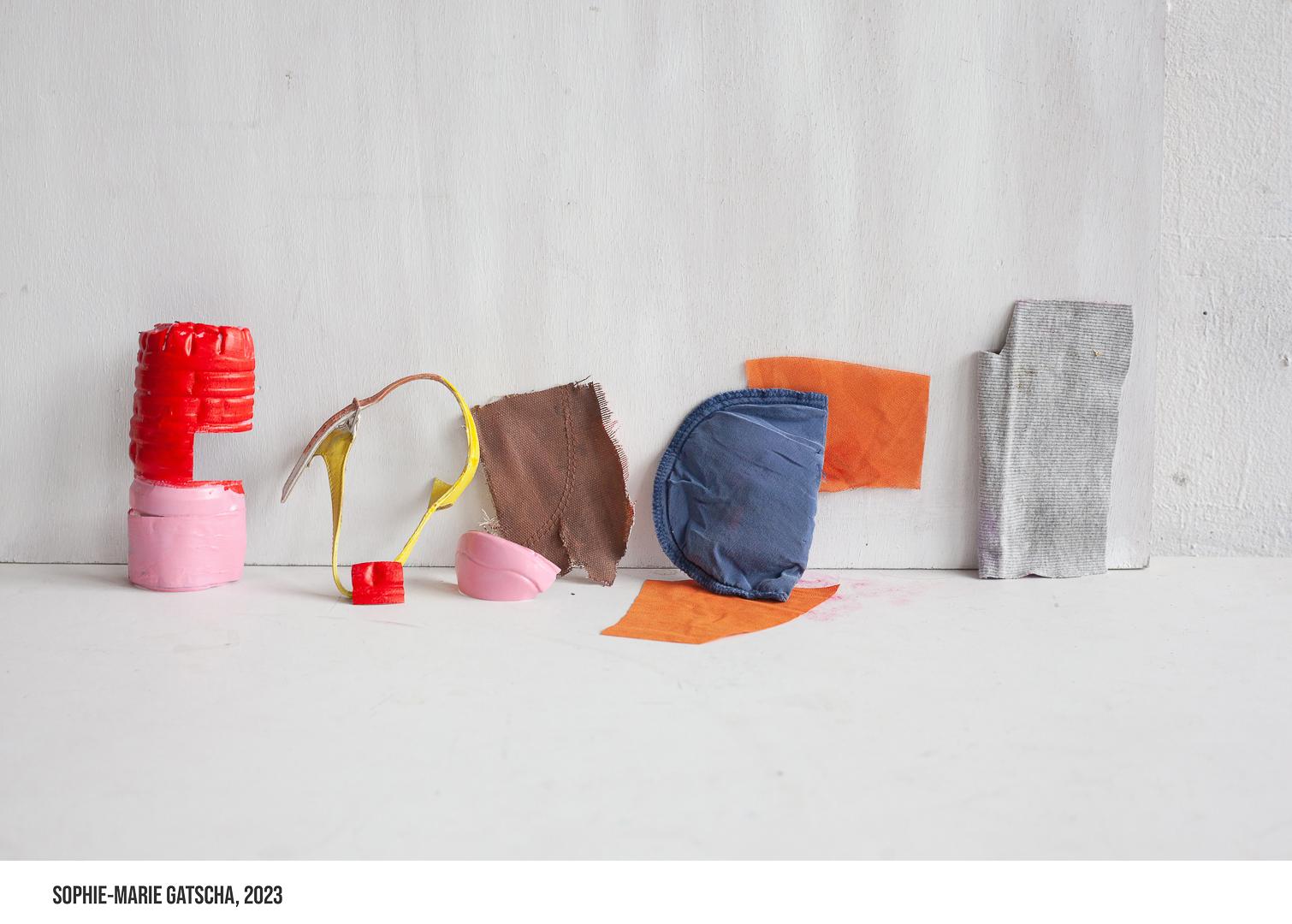
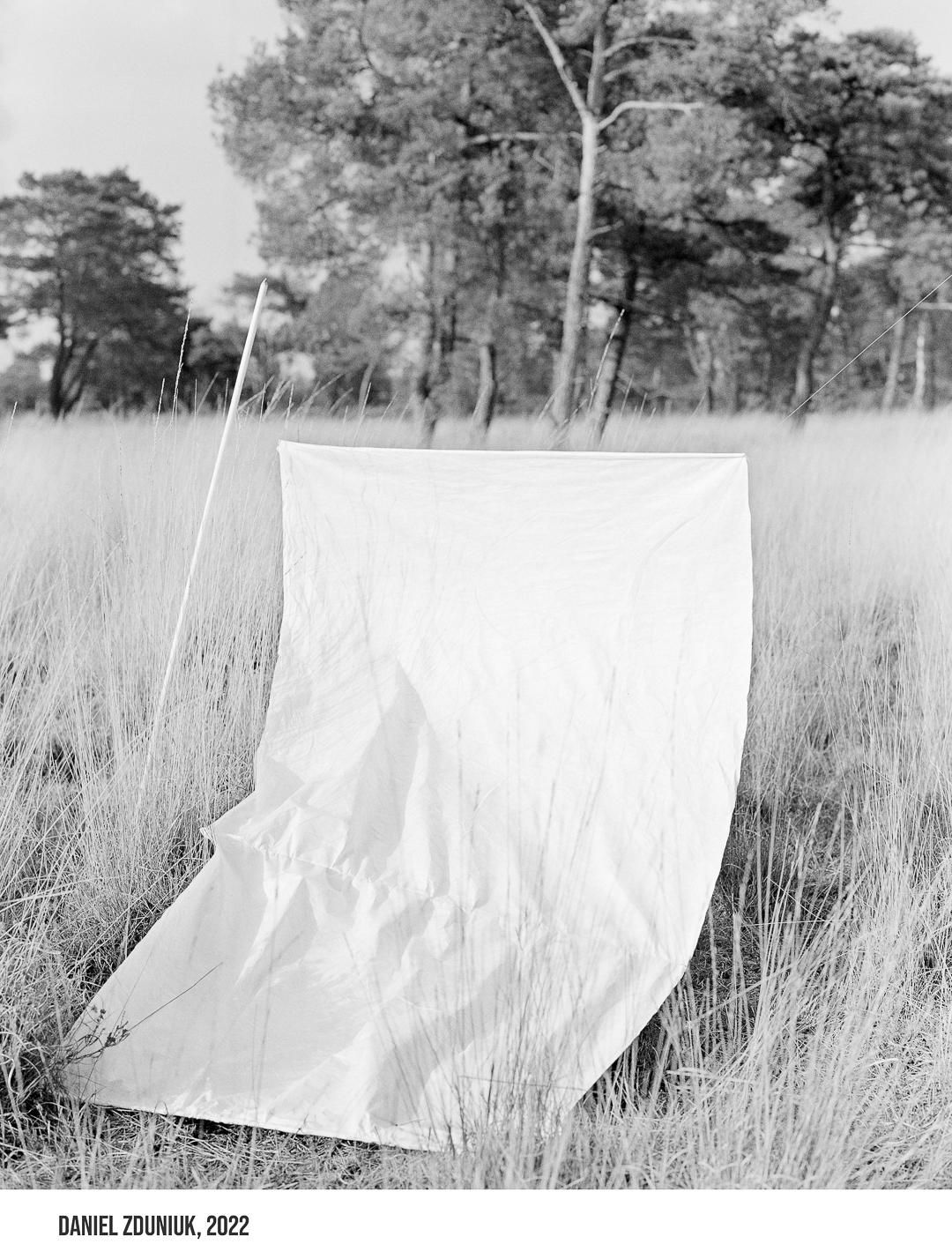
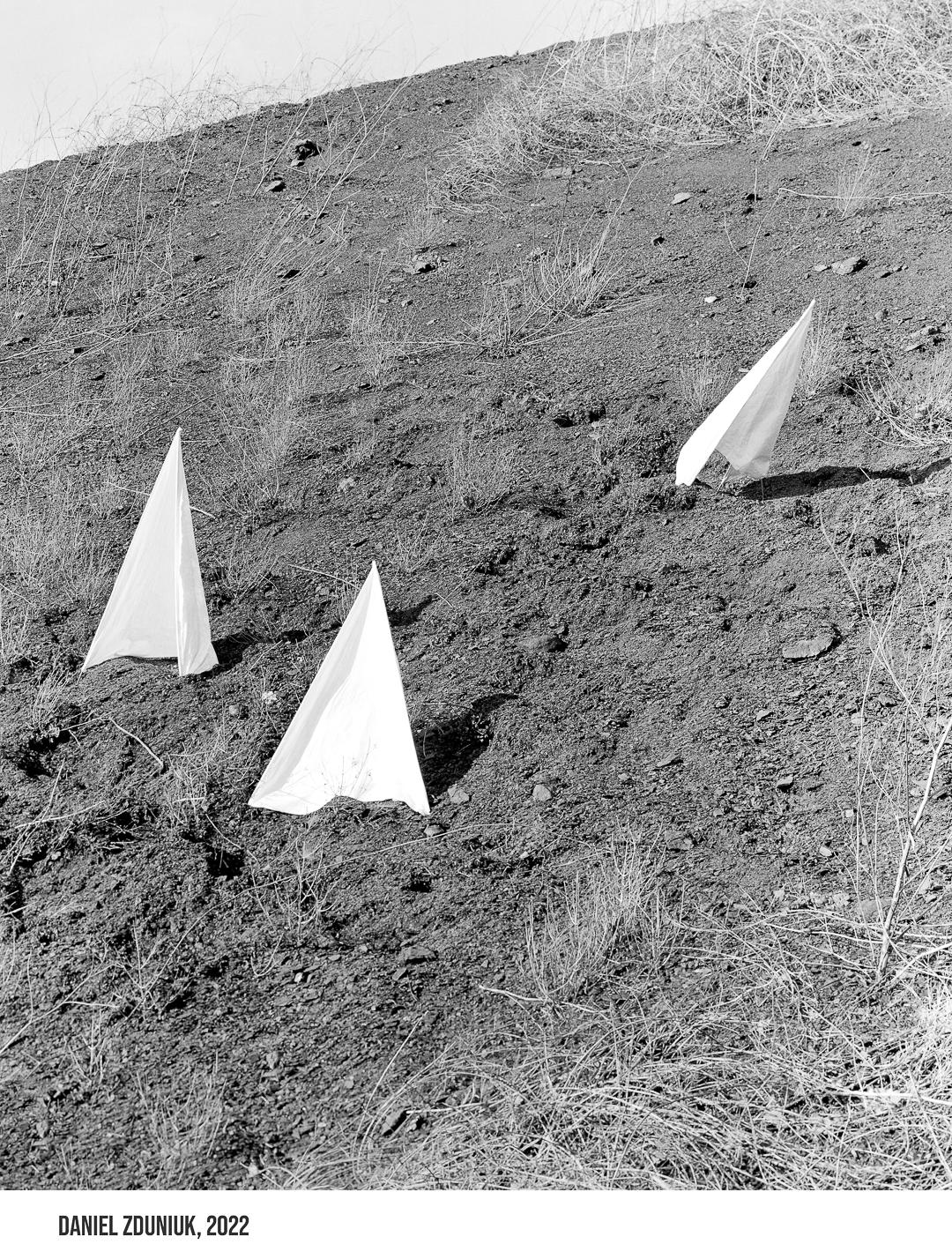
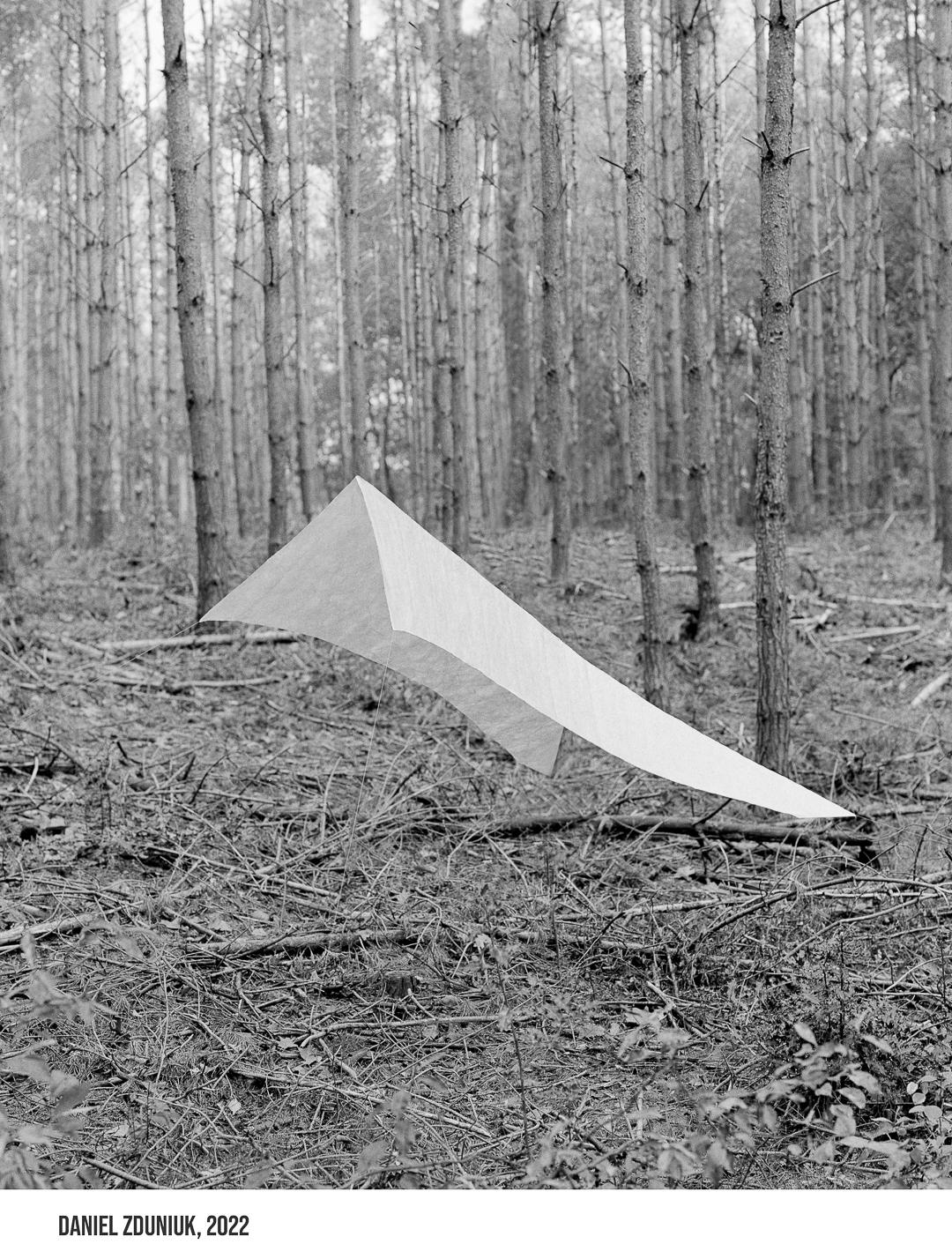
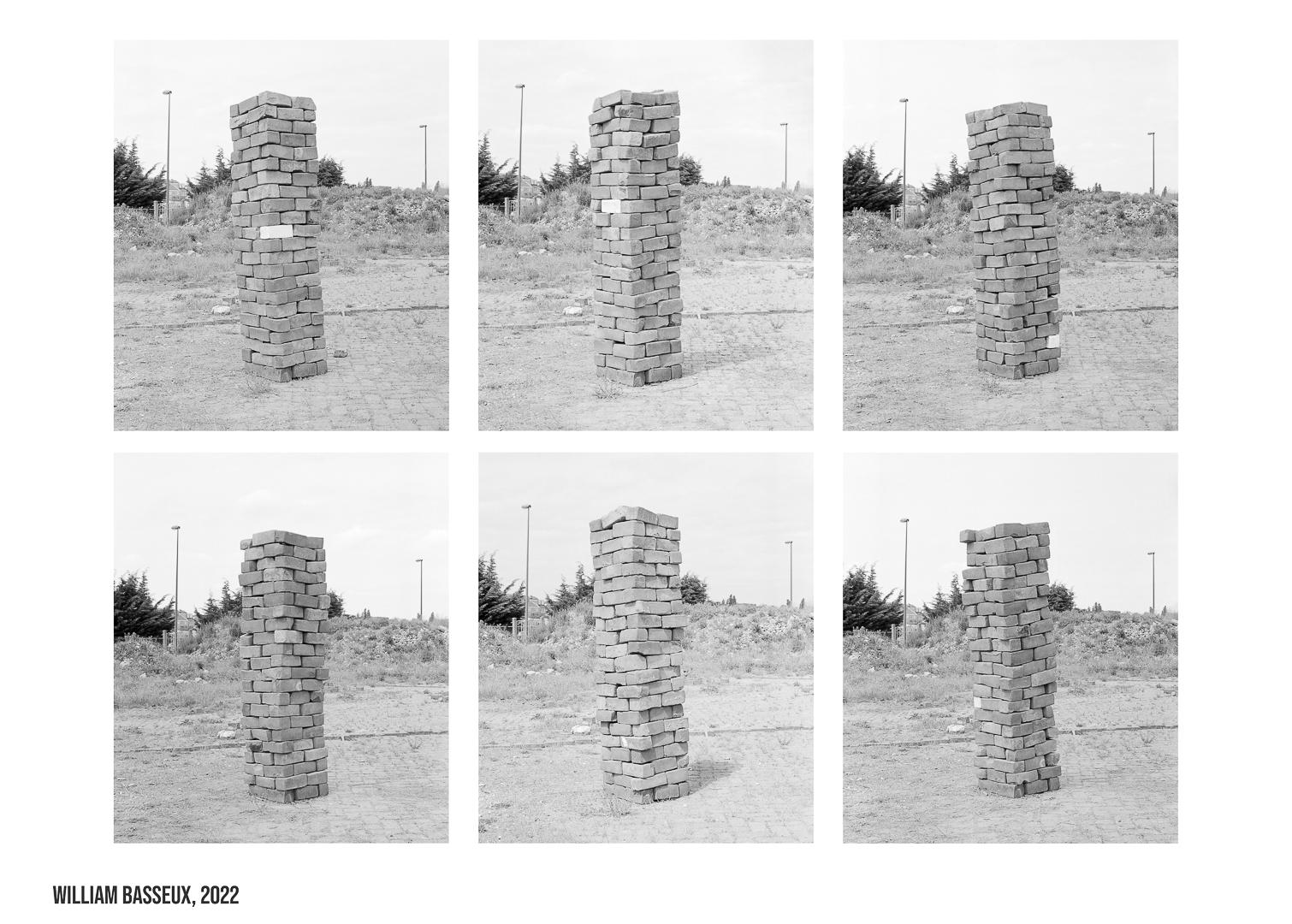
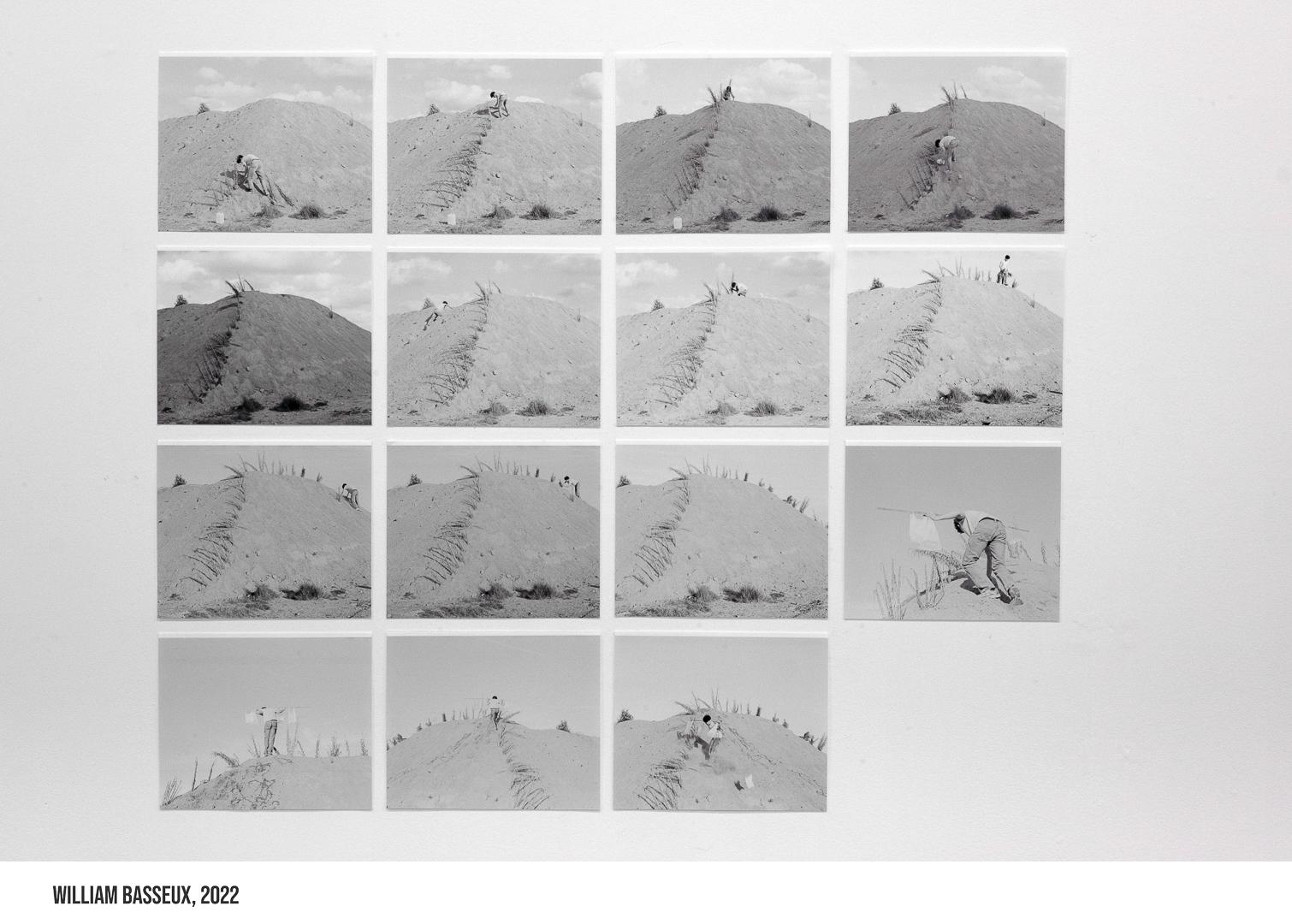
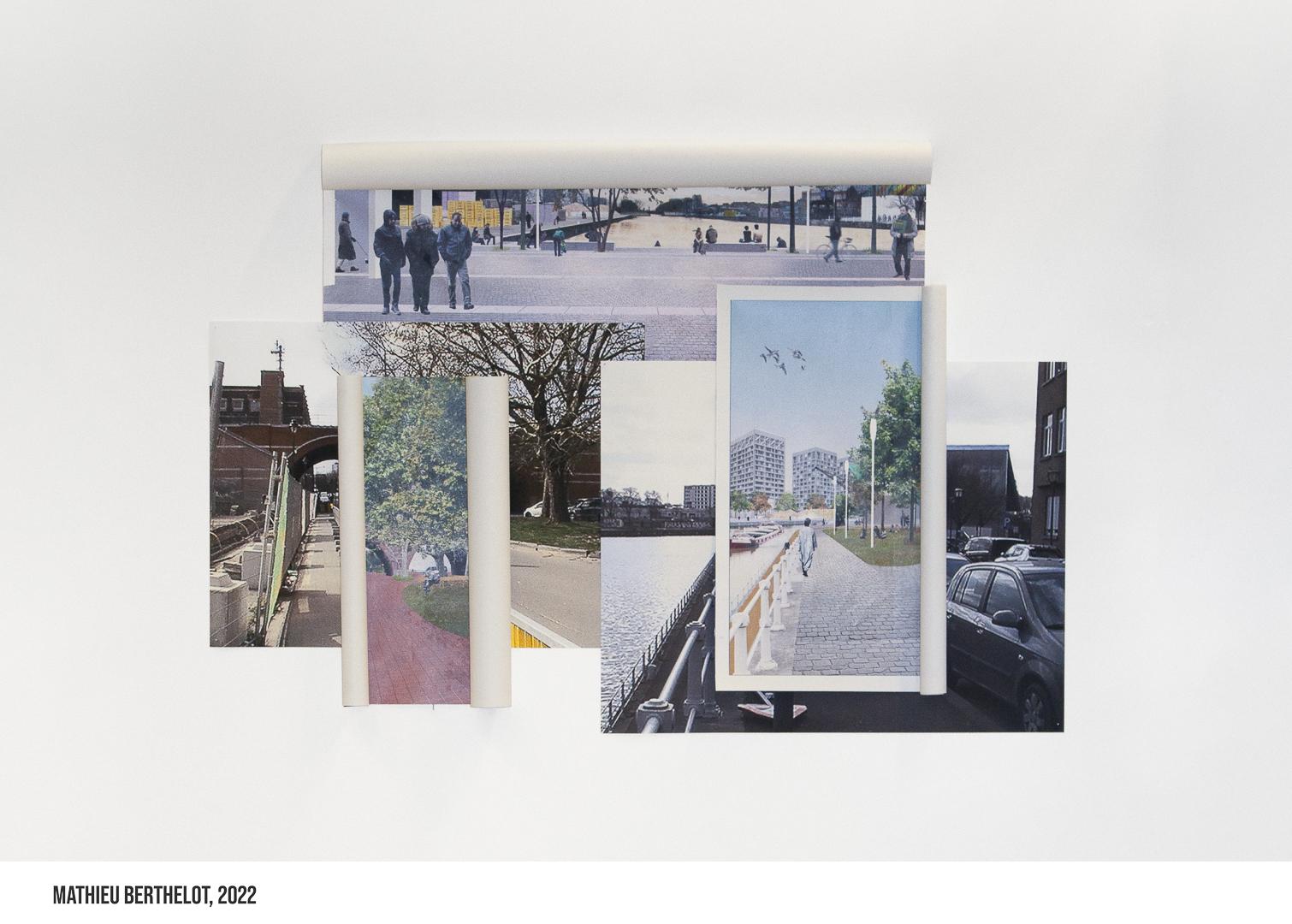
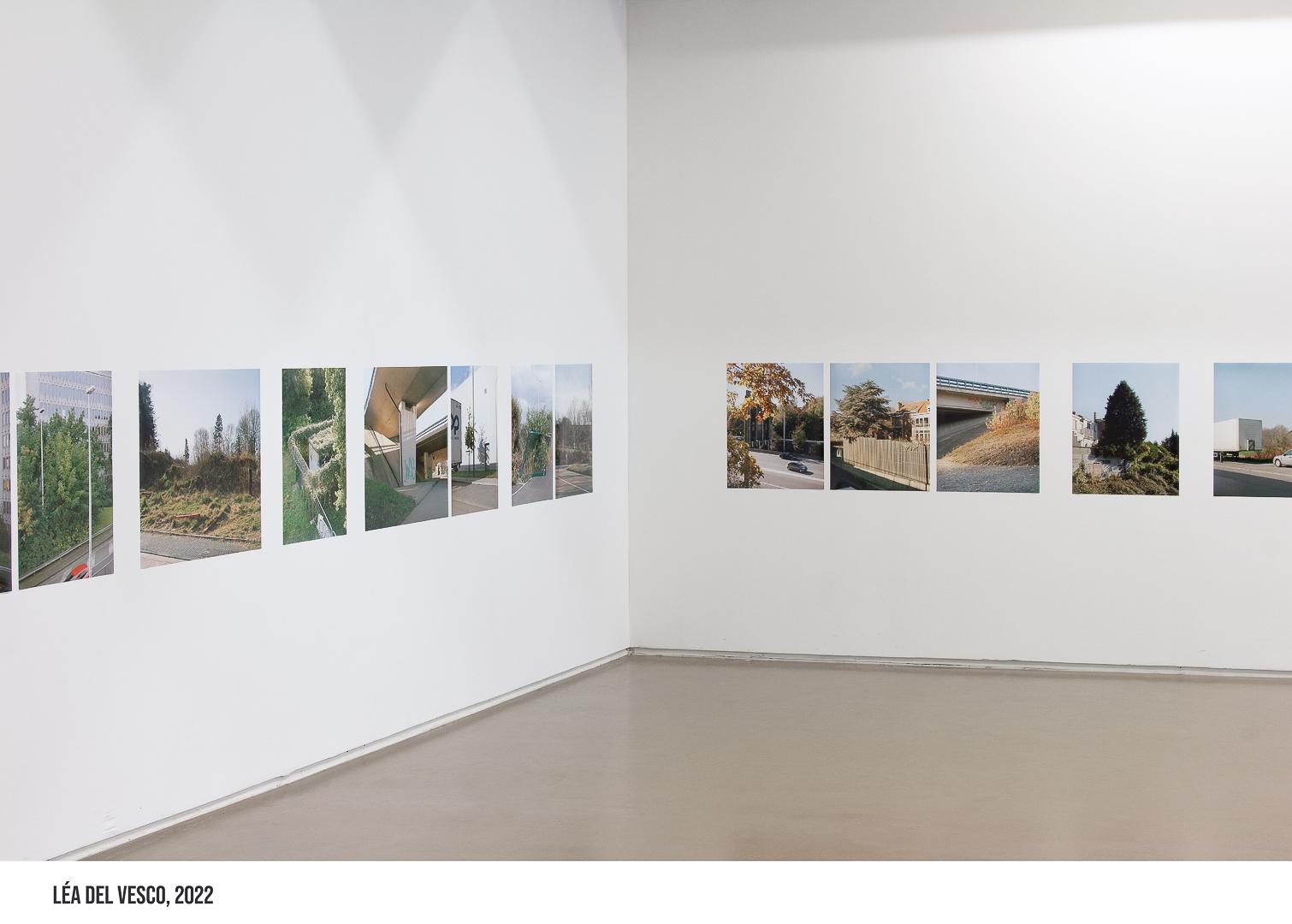
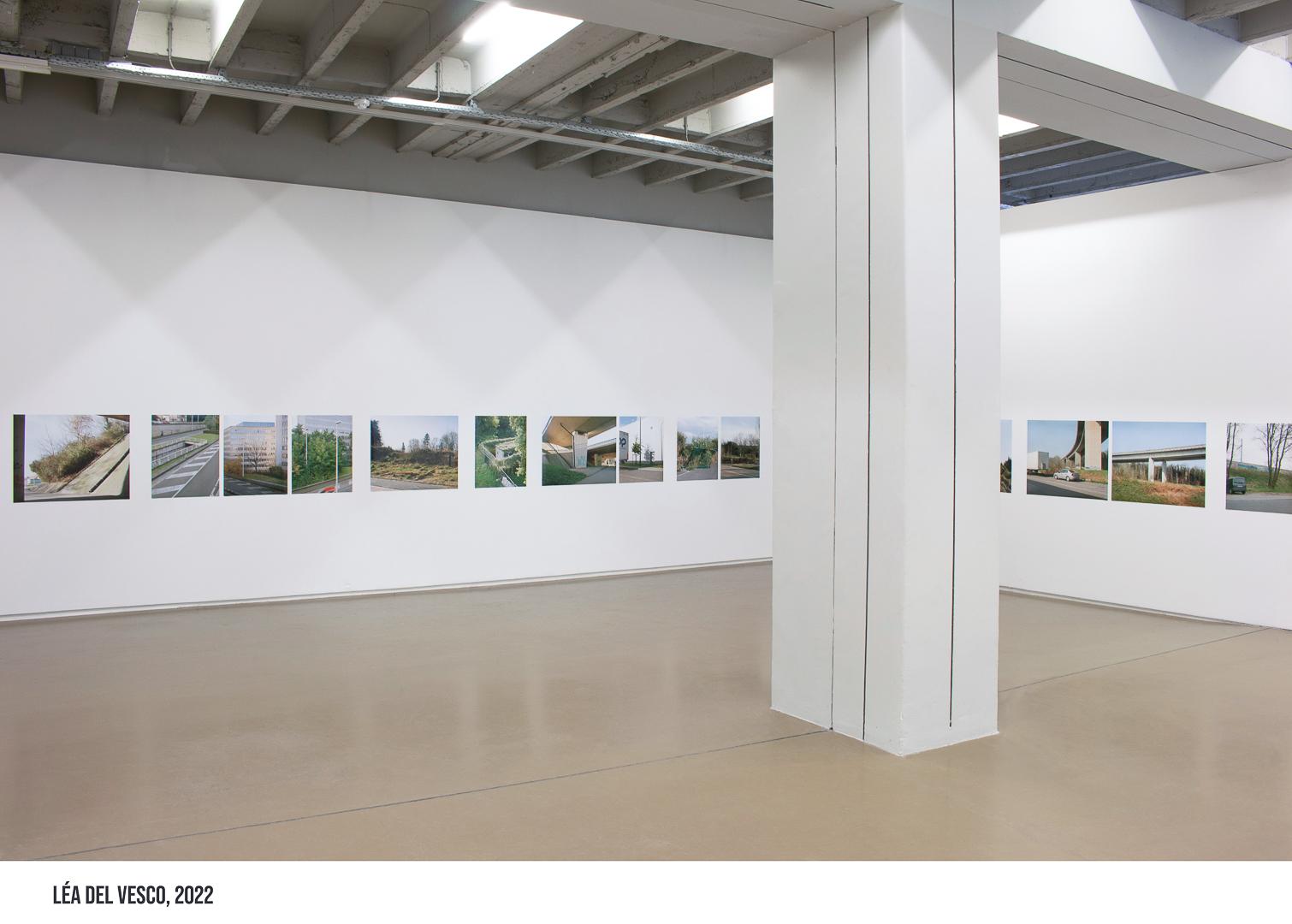
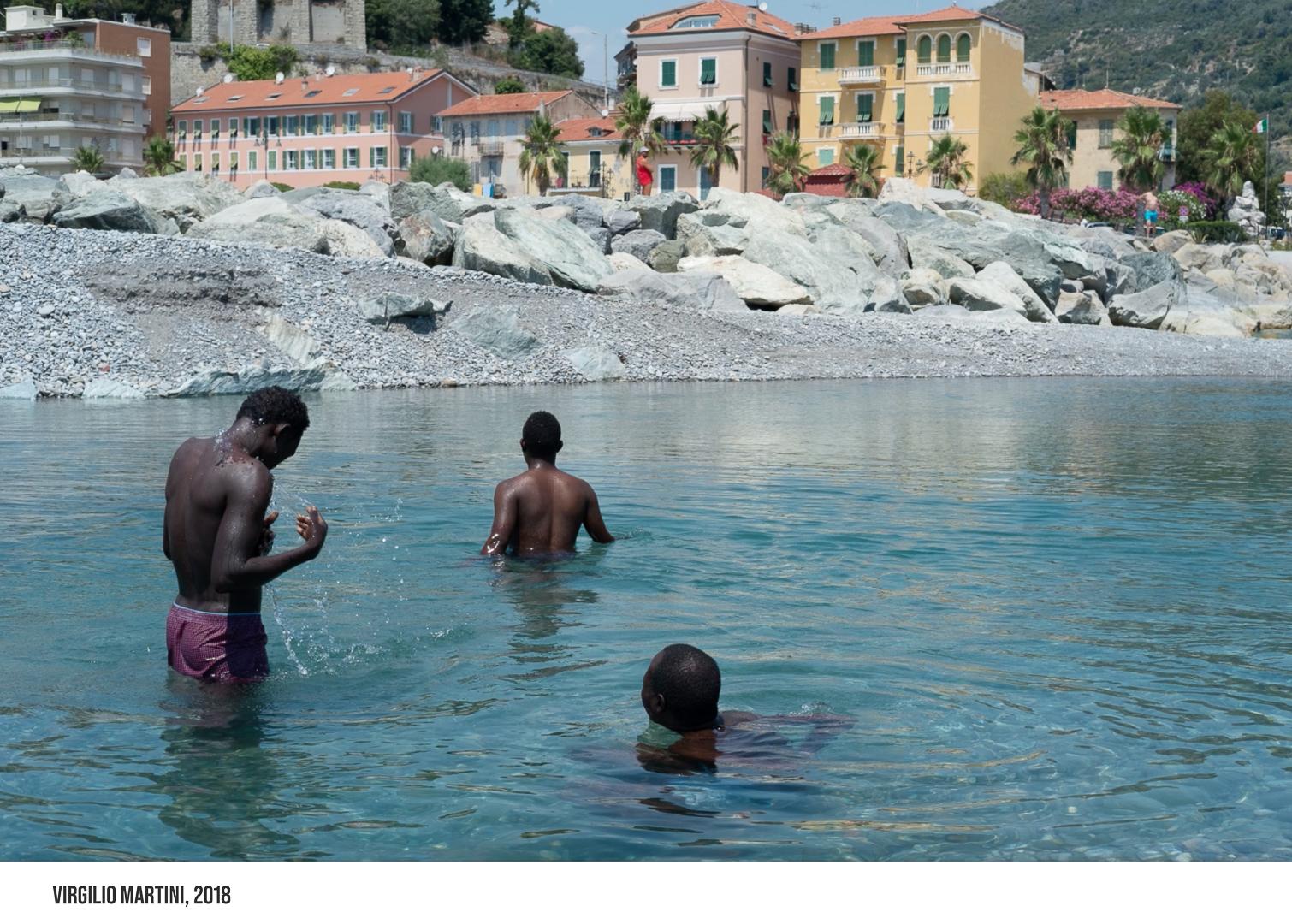
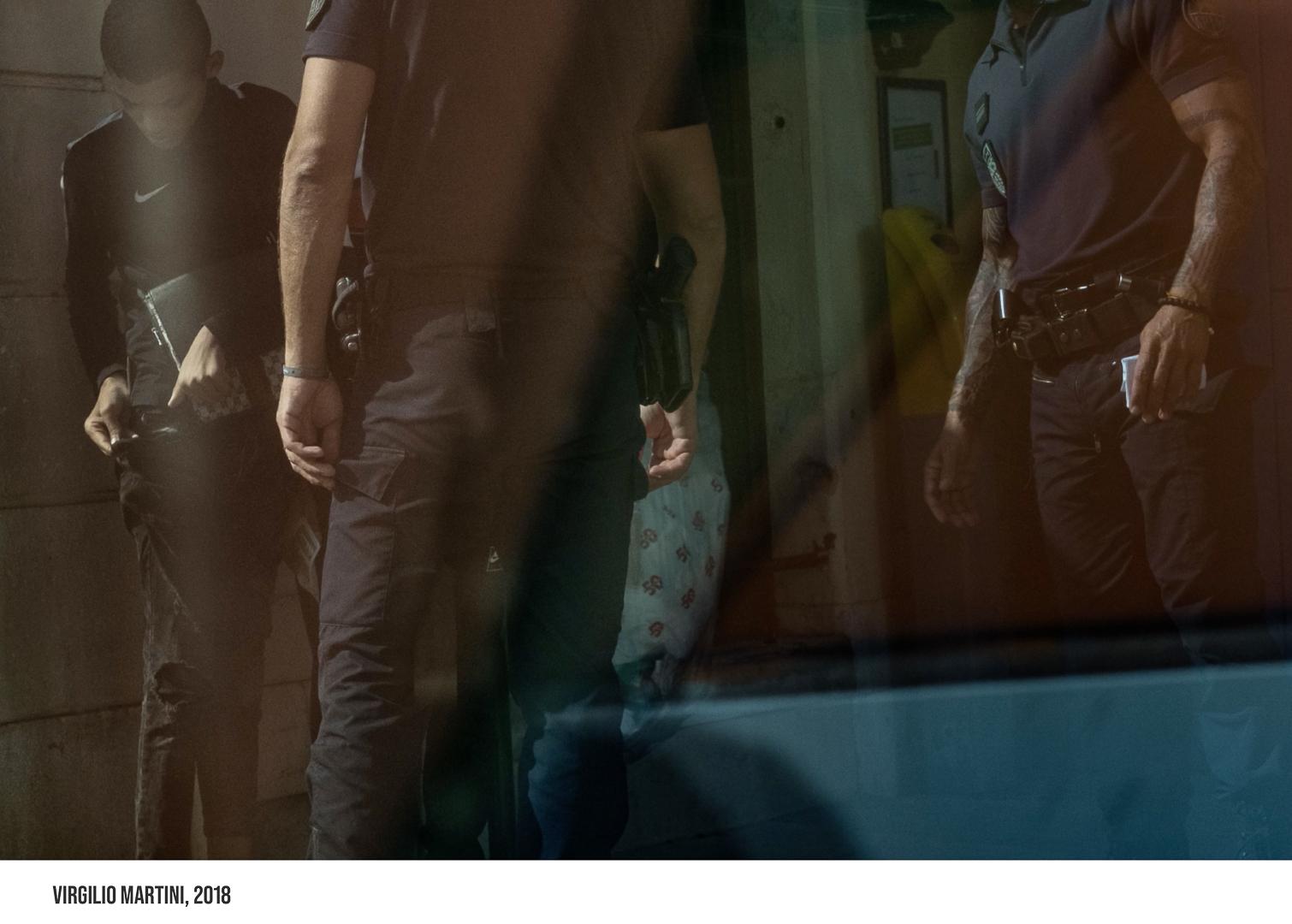
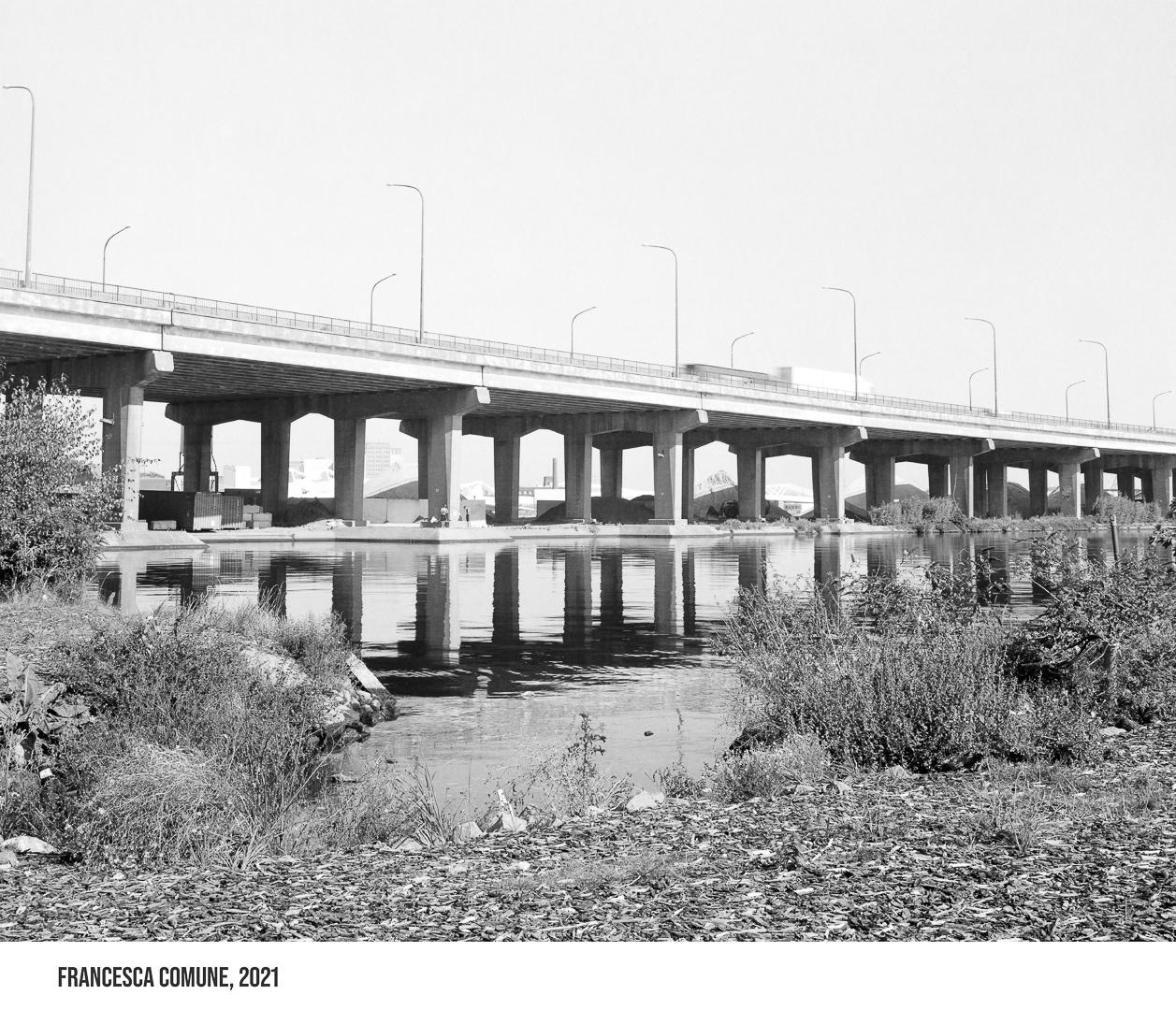
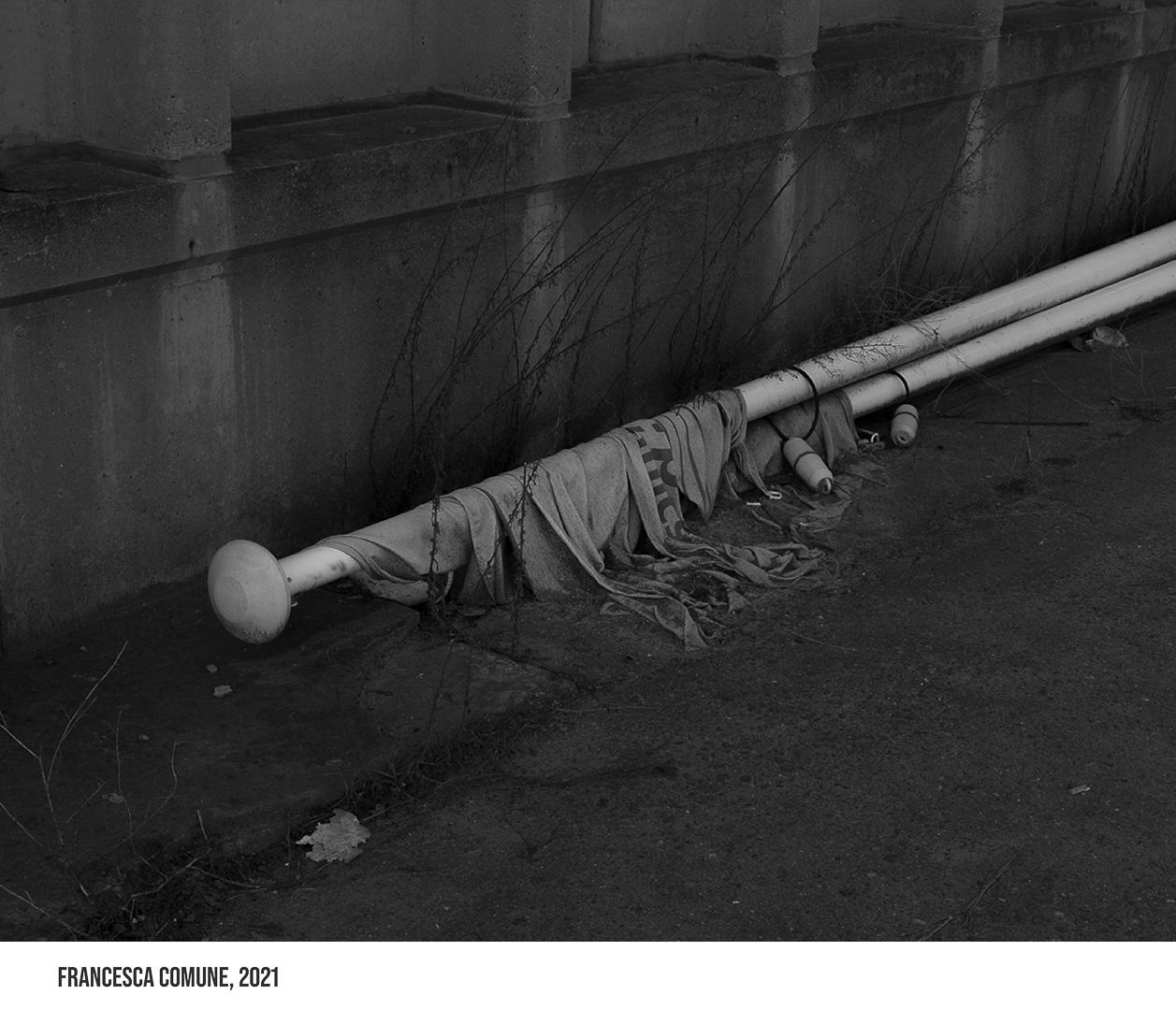
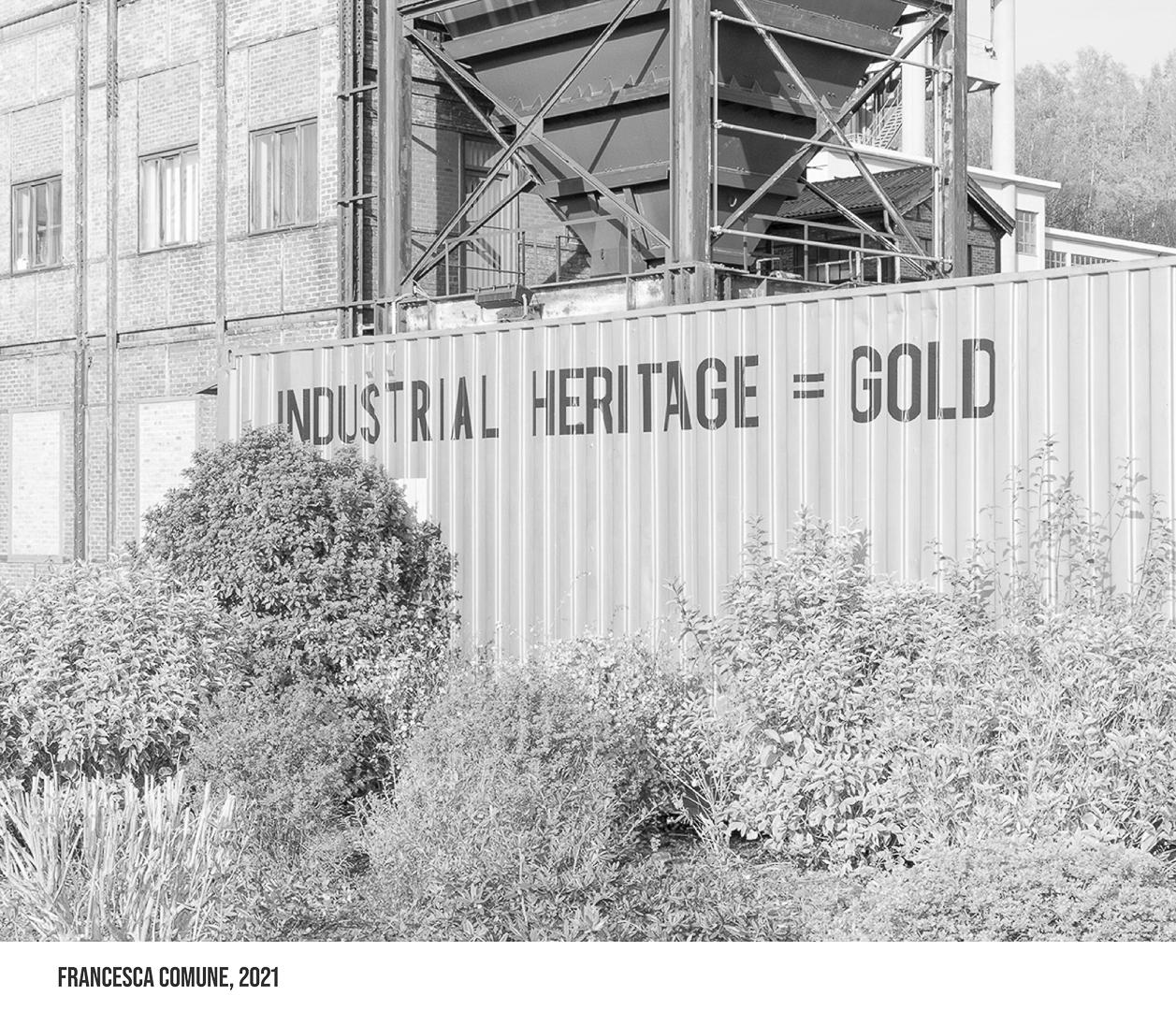
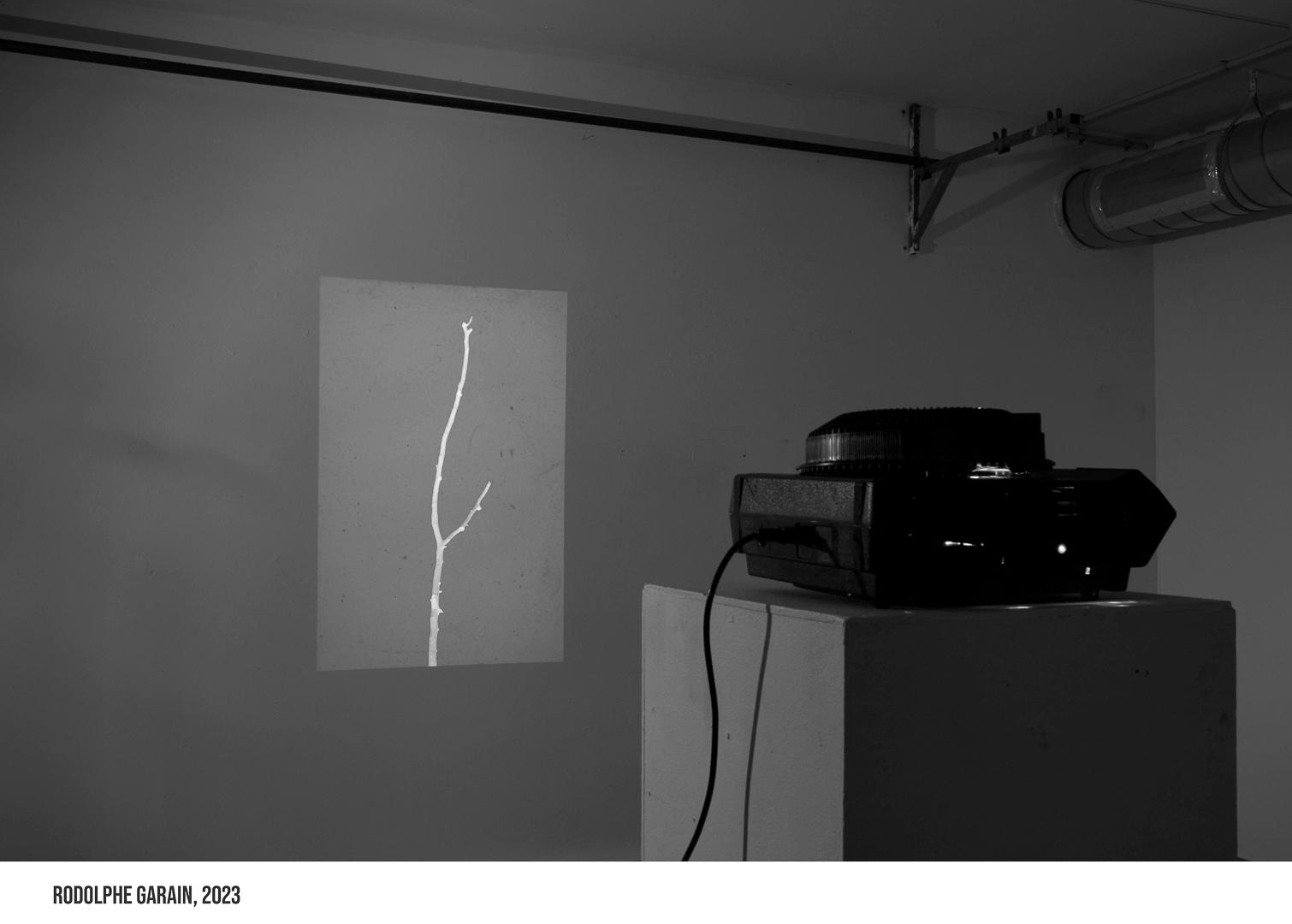
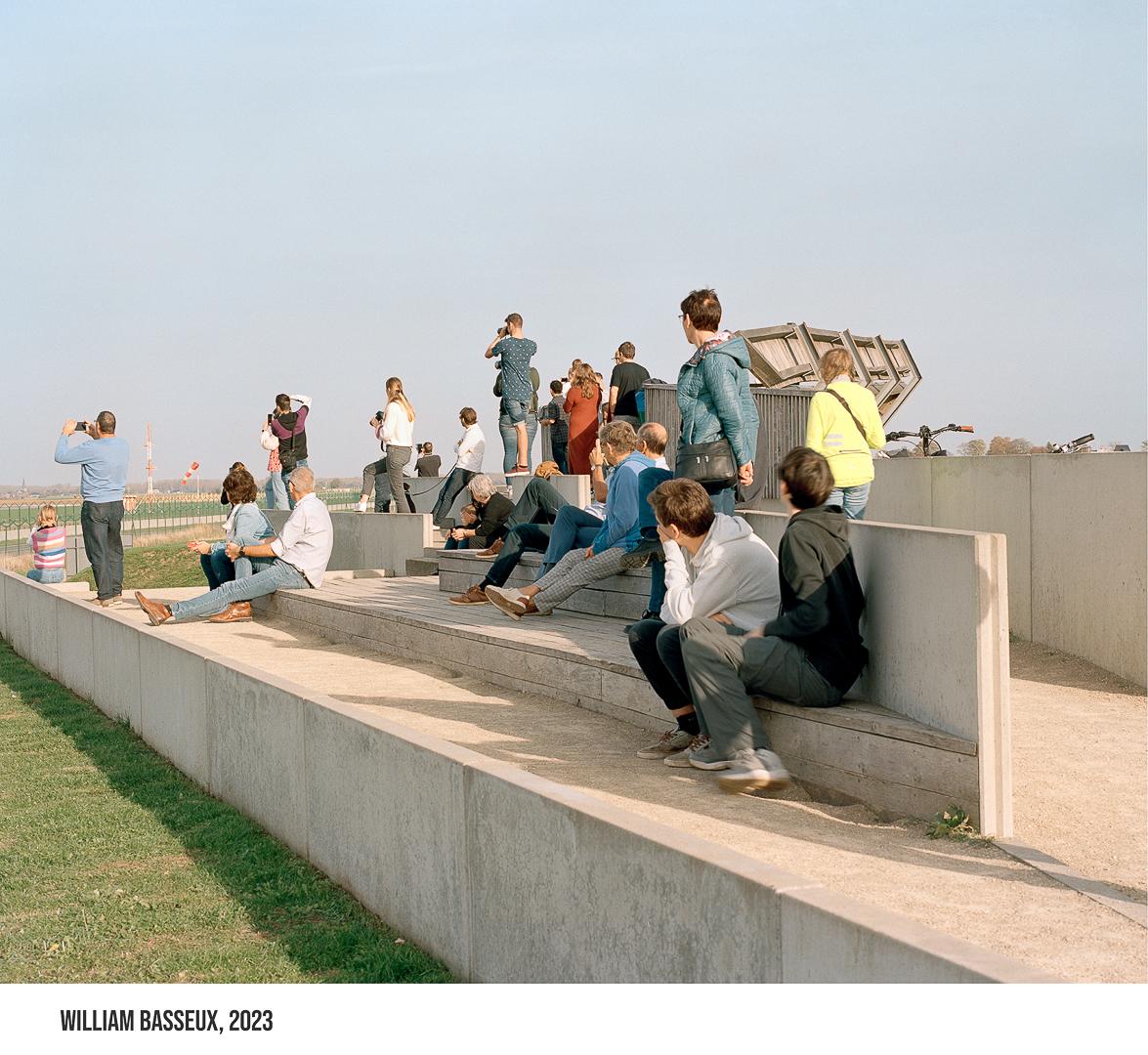
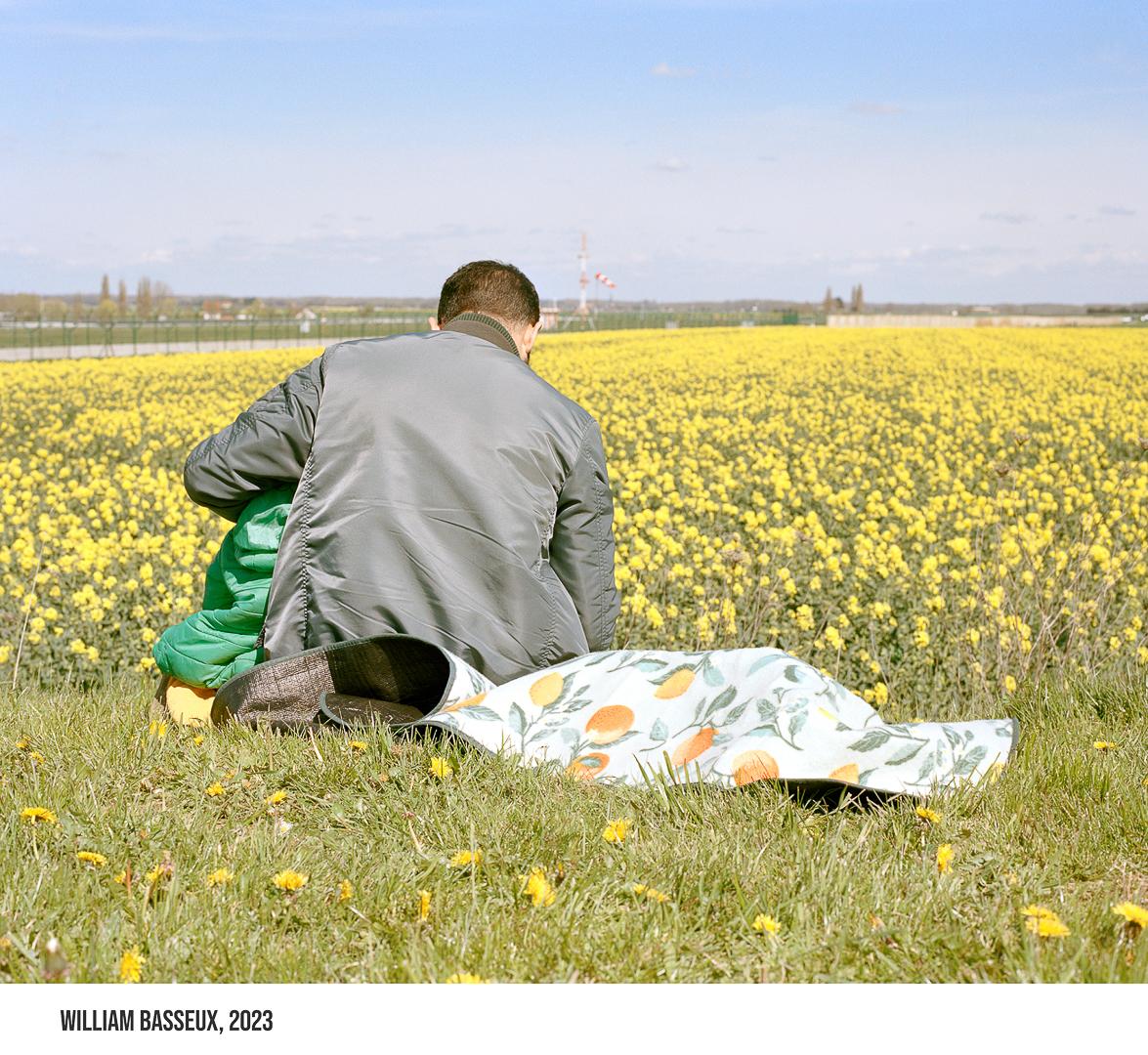
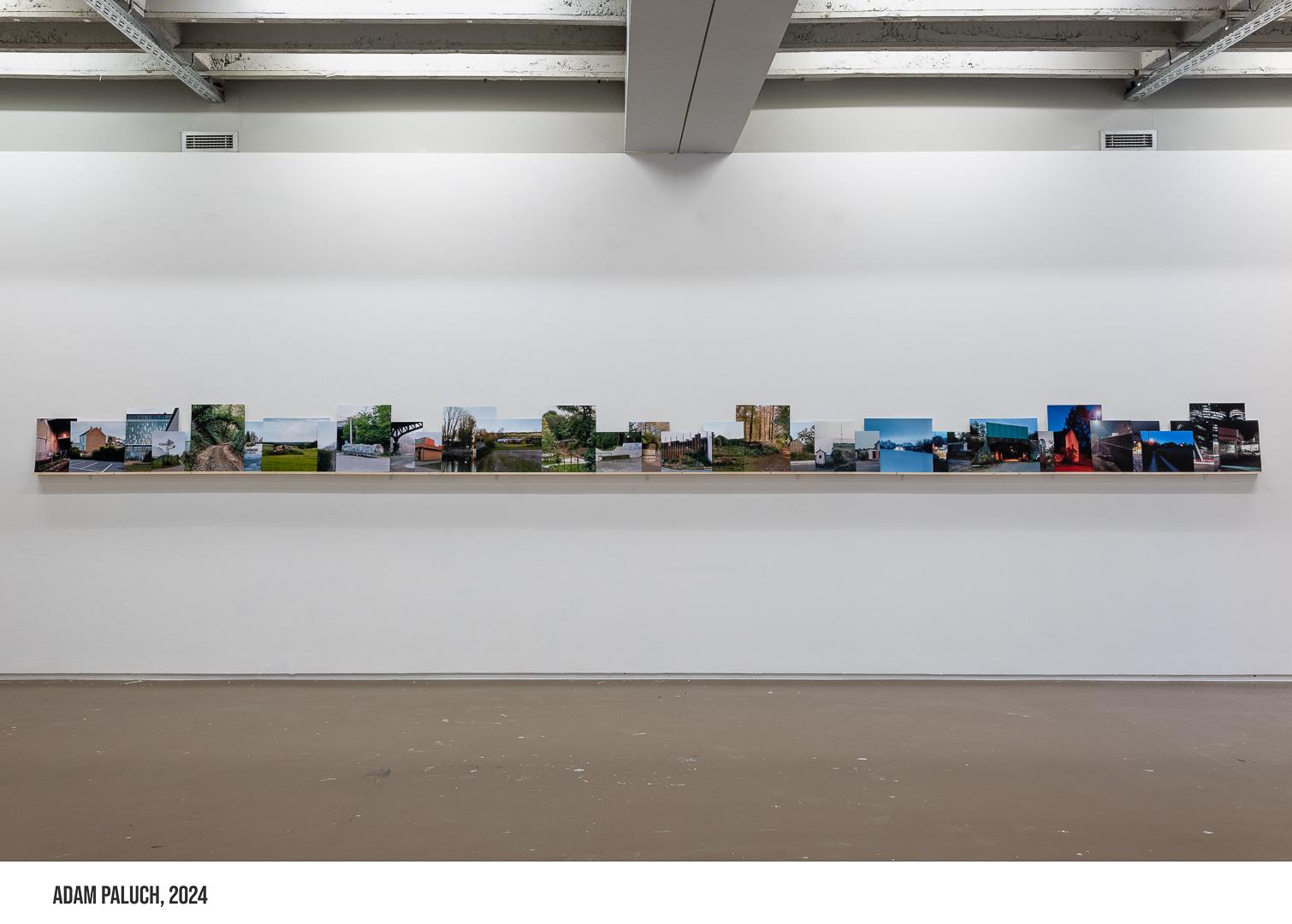
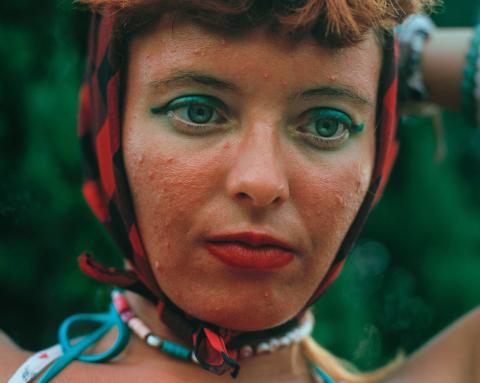
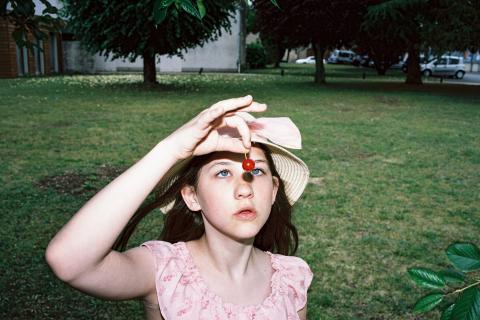
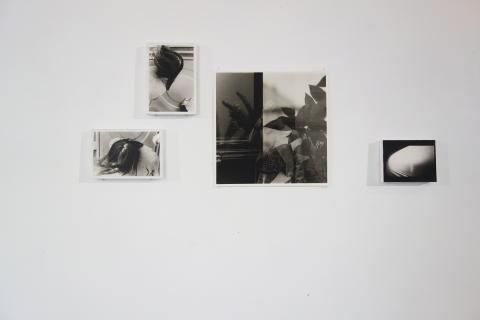
Contemporary photographic practices must be more curious, inventive, and experimental than ever; they should question rather than answer, and reflect an artistic and critical stance.
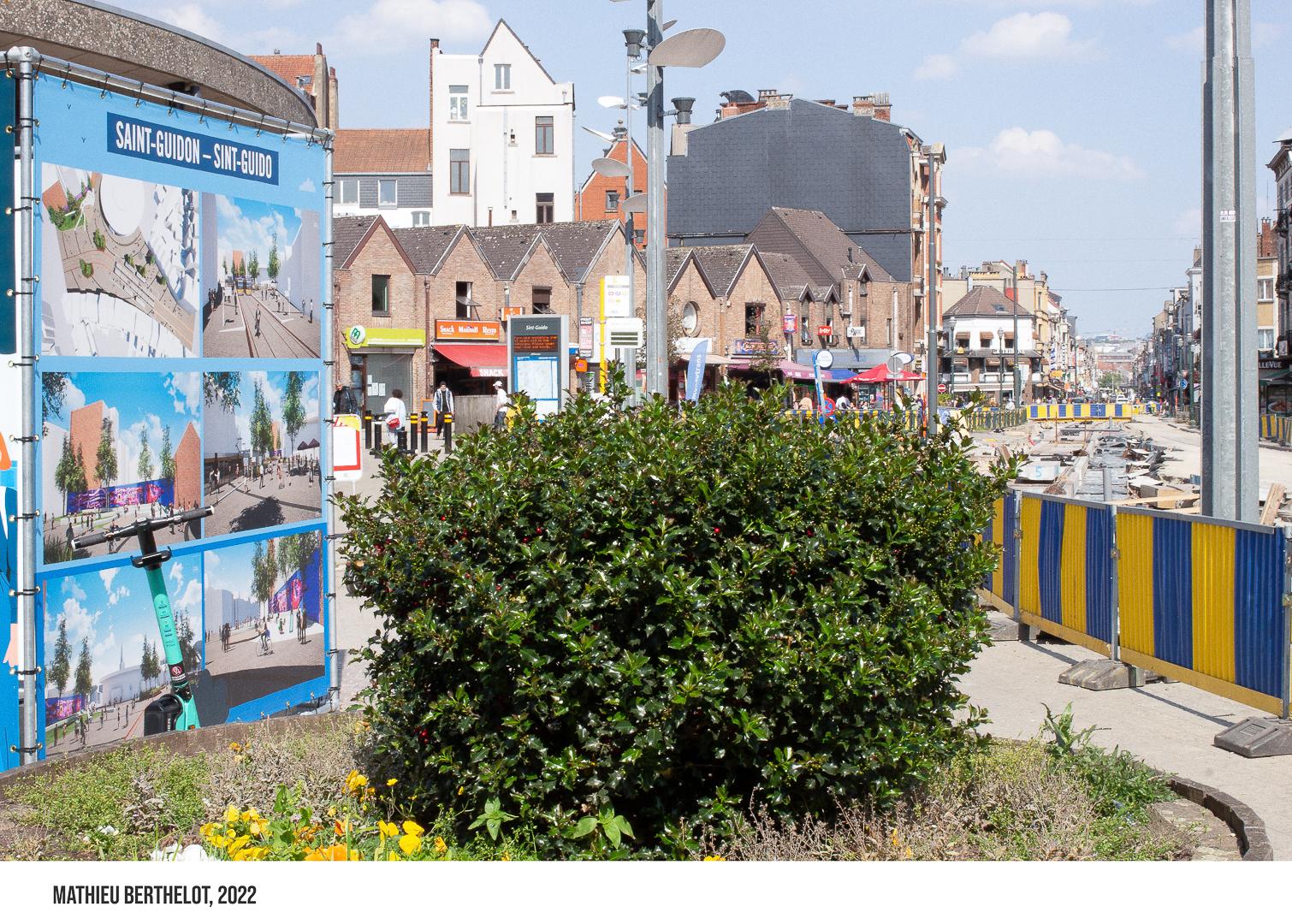
The worlds around us rumble, transform, and take shape, and today no one dares to predict their futures. It is precisely this absence of a fixed scenario that allows us now to venture into discovery, to identify new situations, to approach ongoing actions, and to question our world through encounter and dialogue in order to propose new representations.
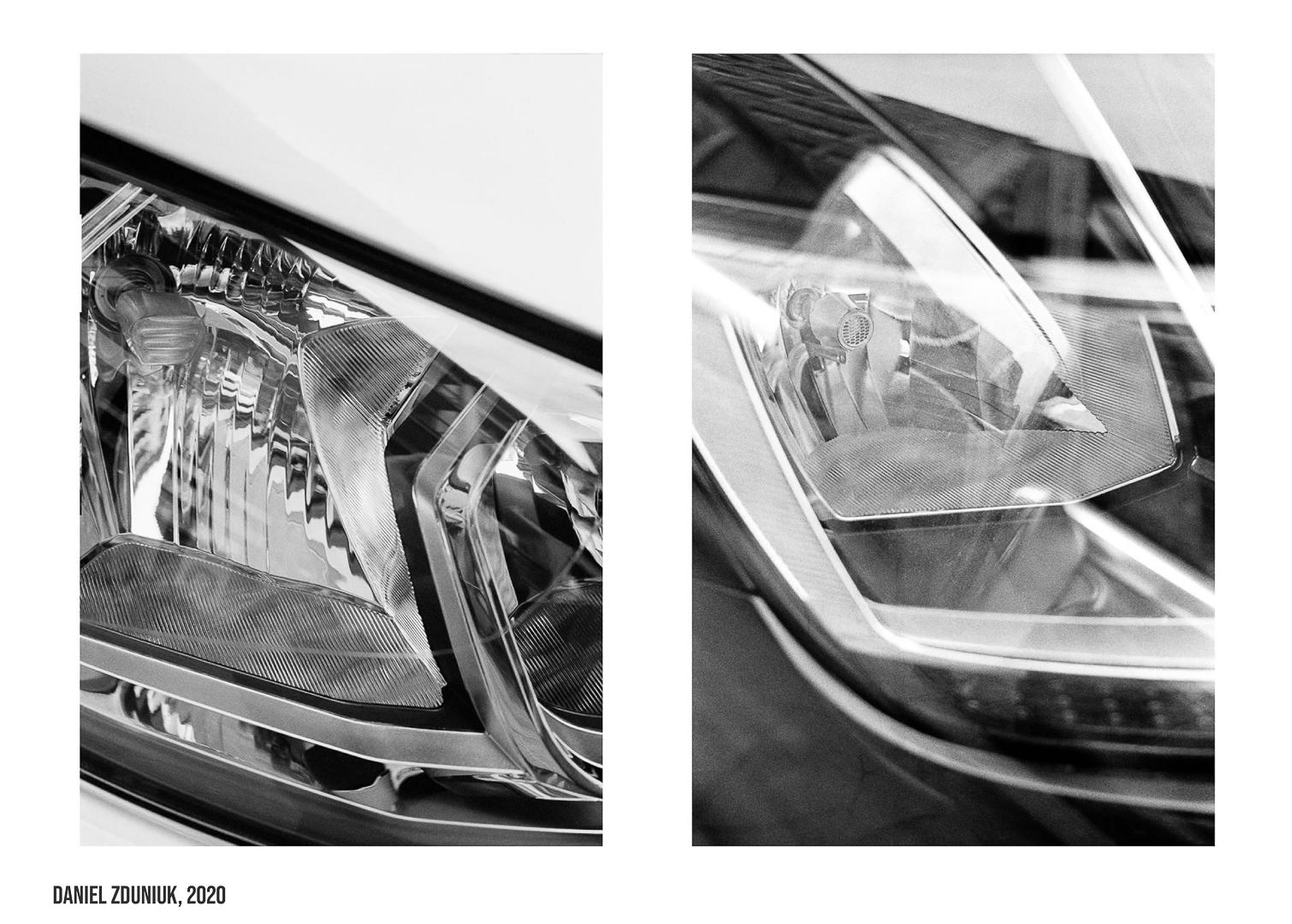
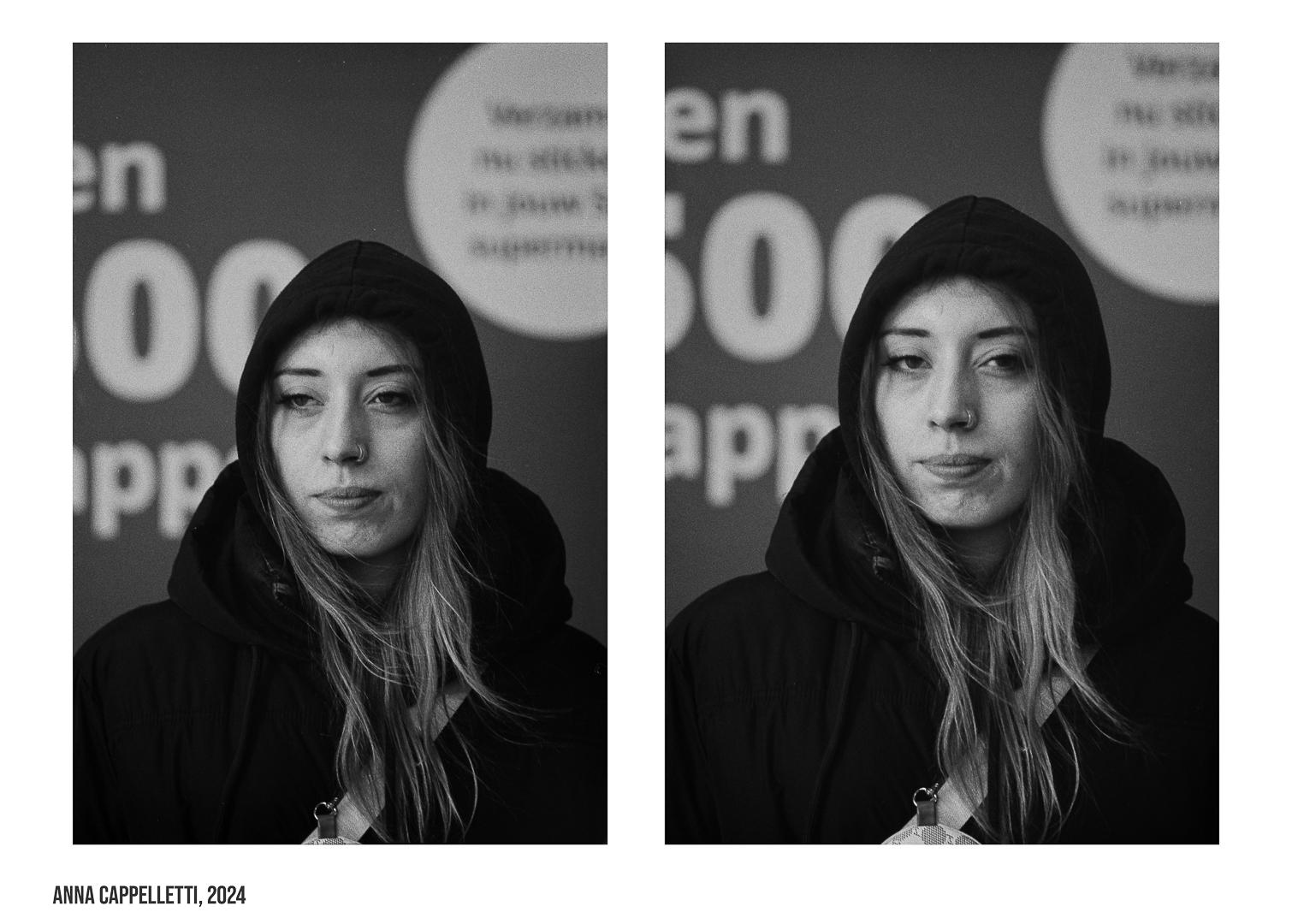
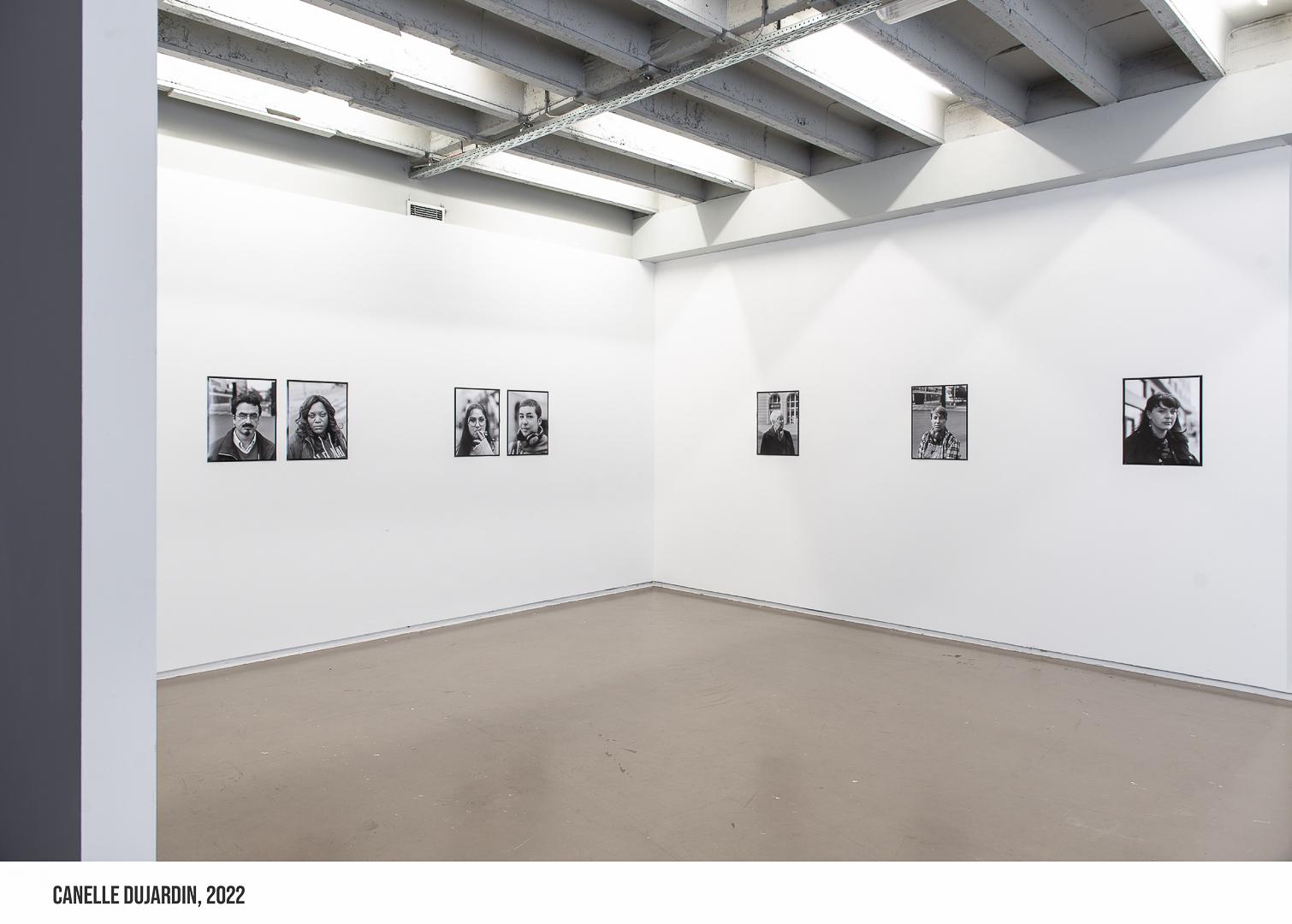
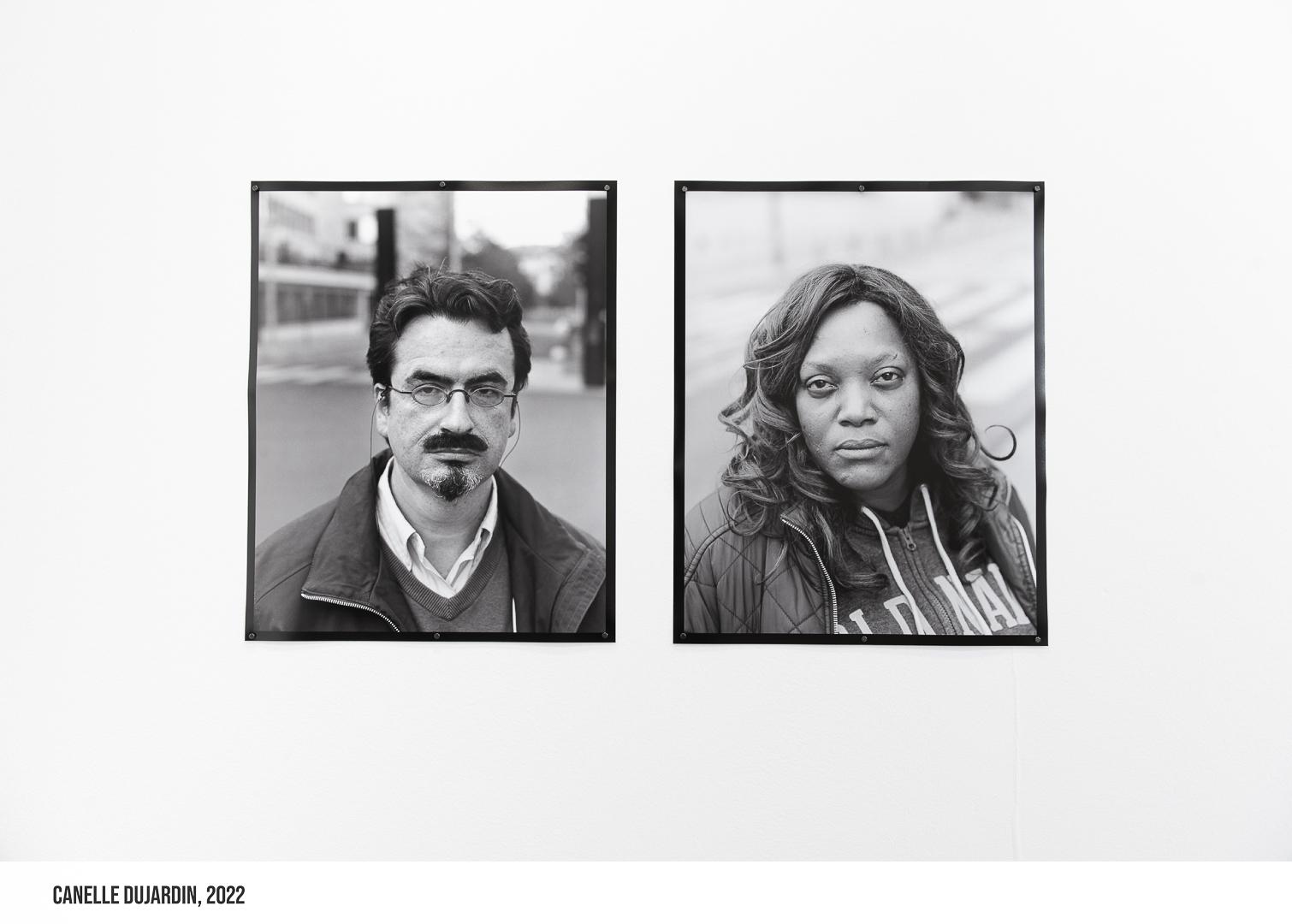
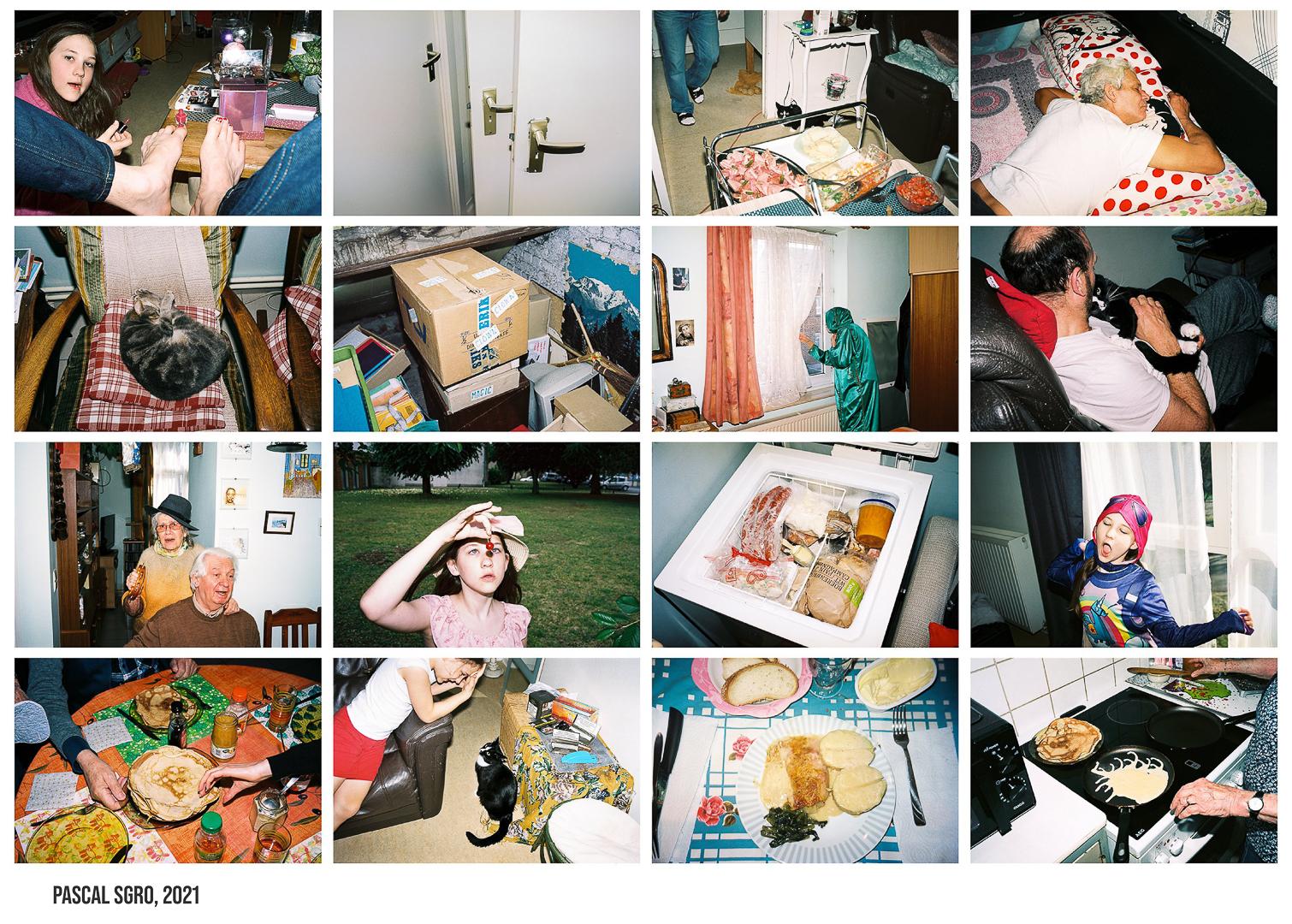
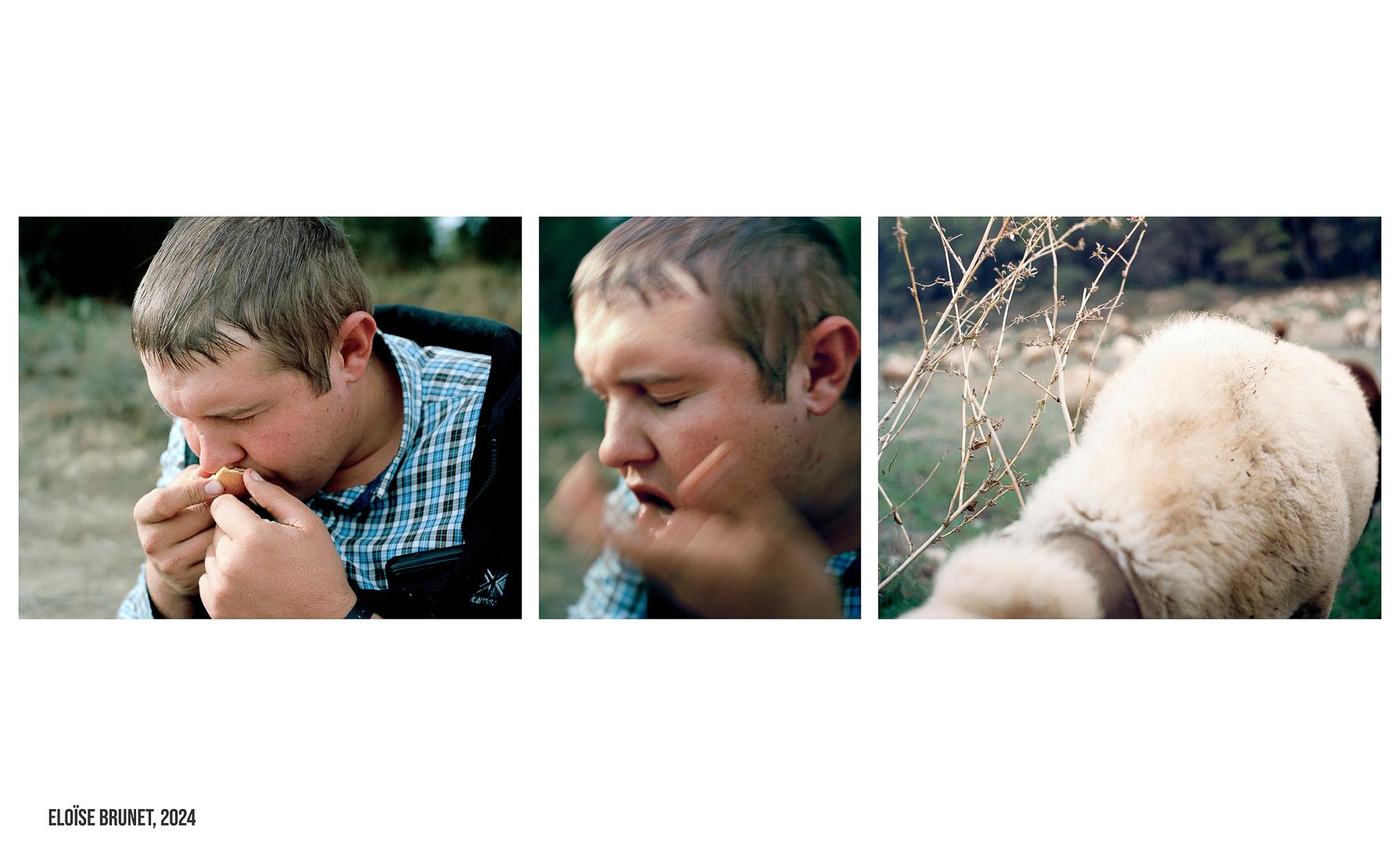
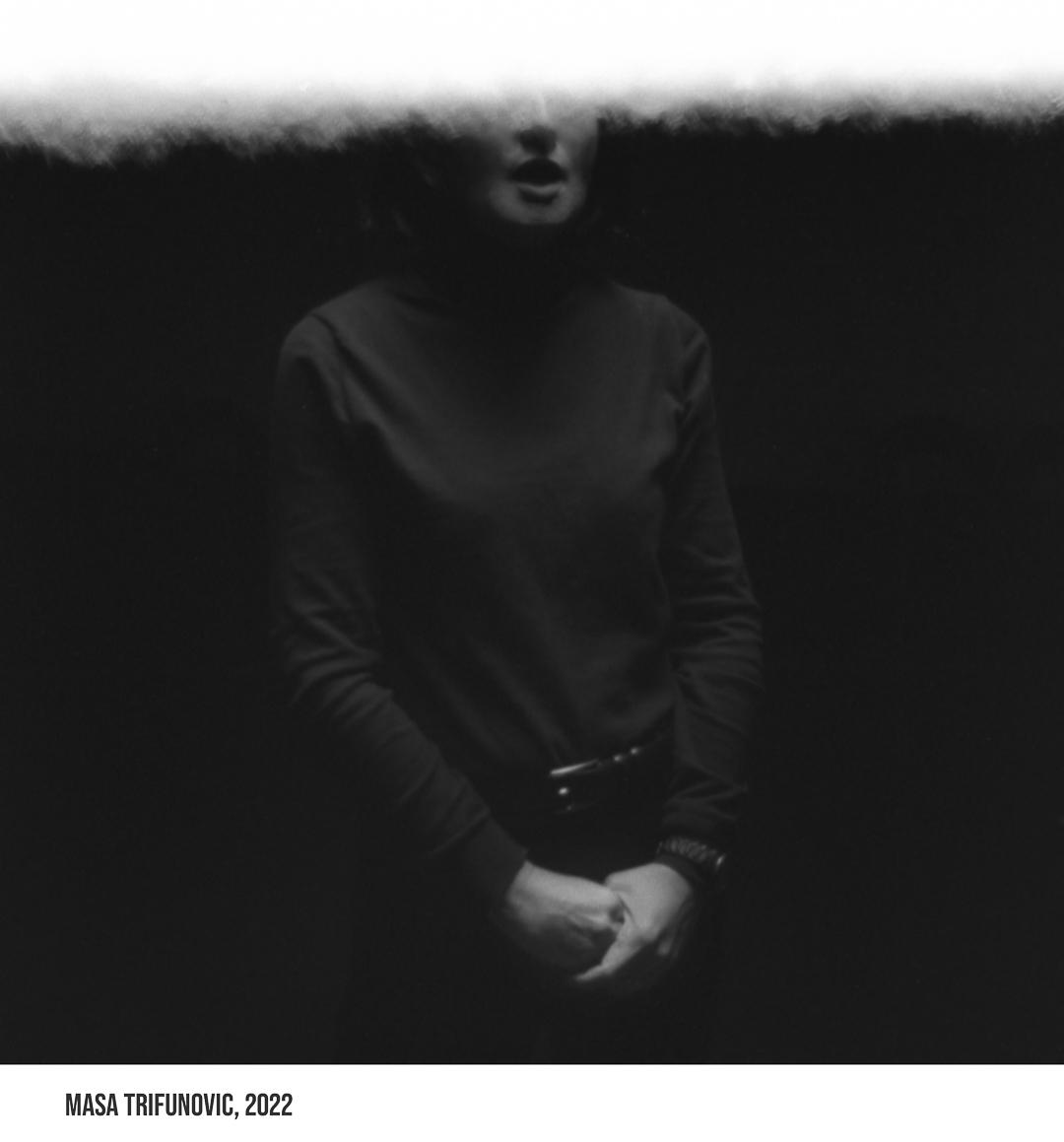
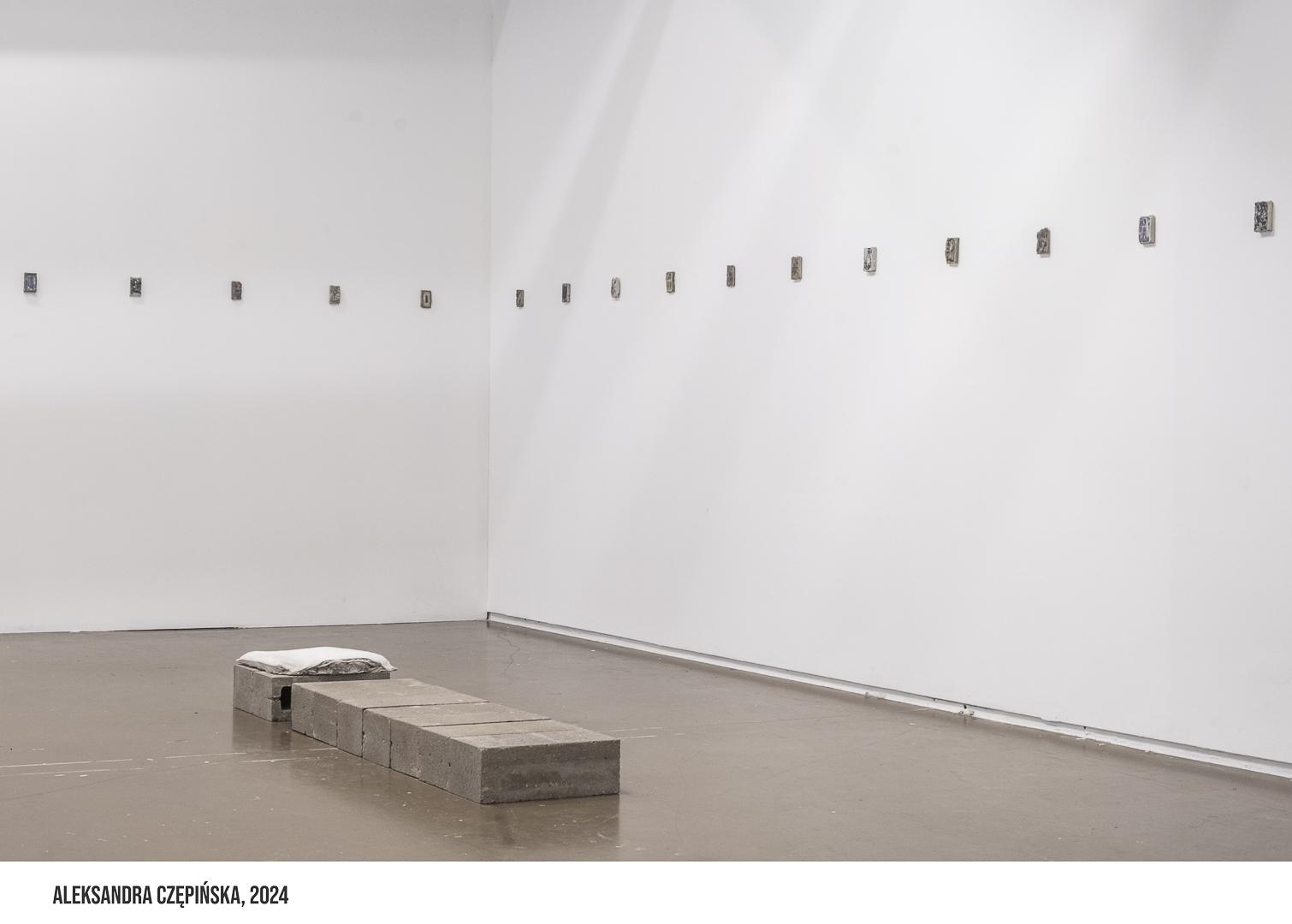
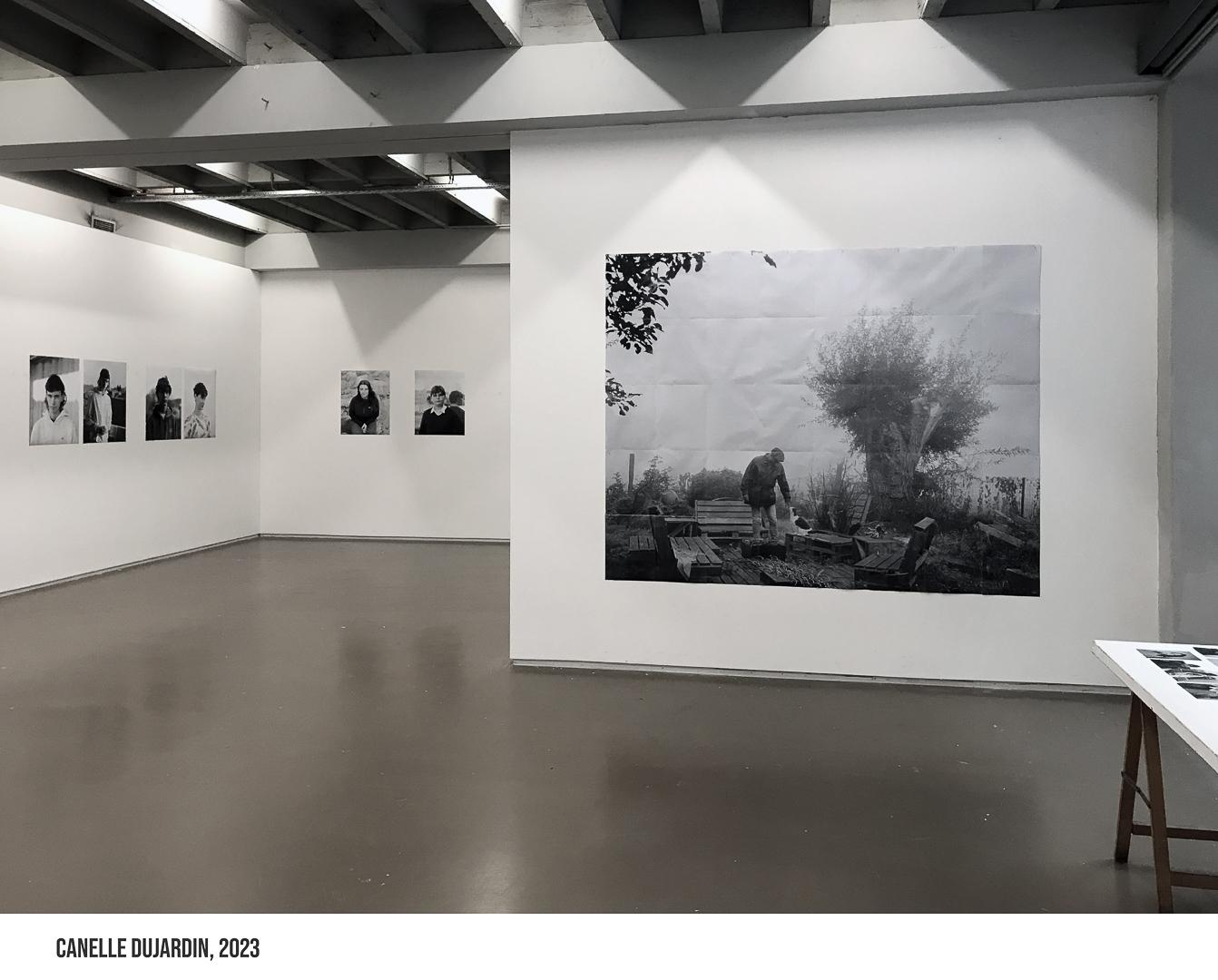
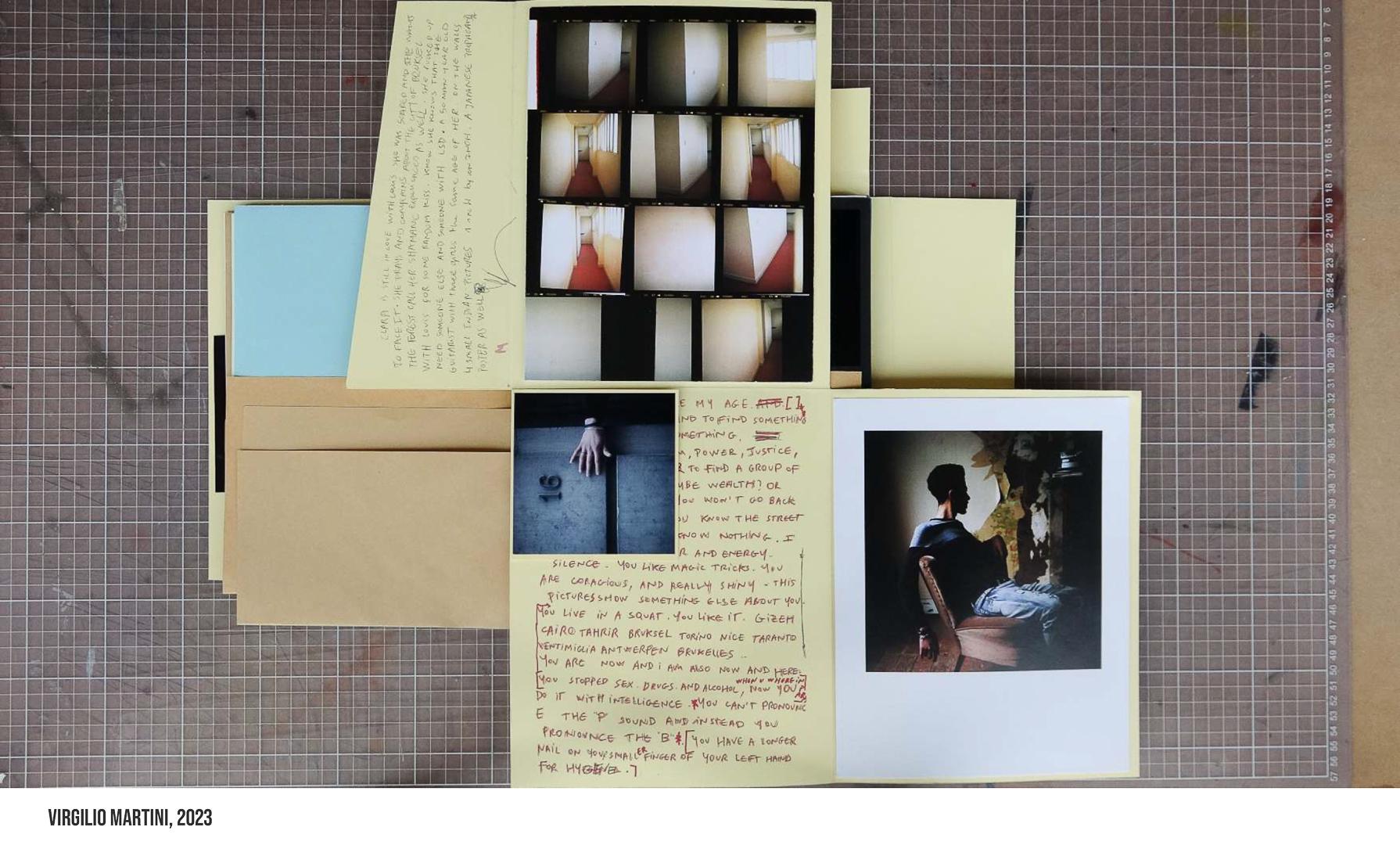
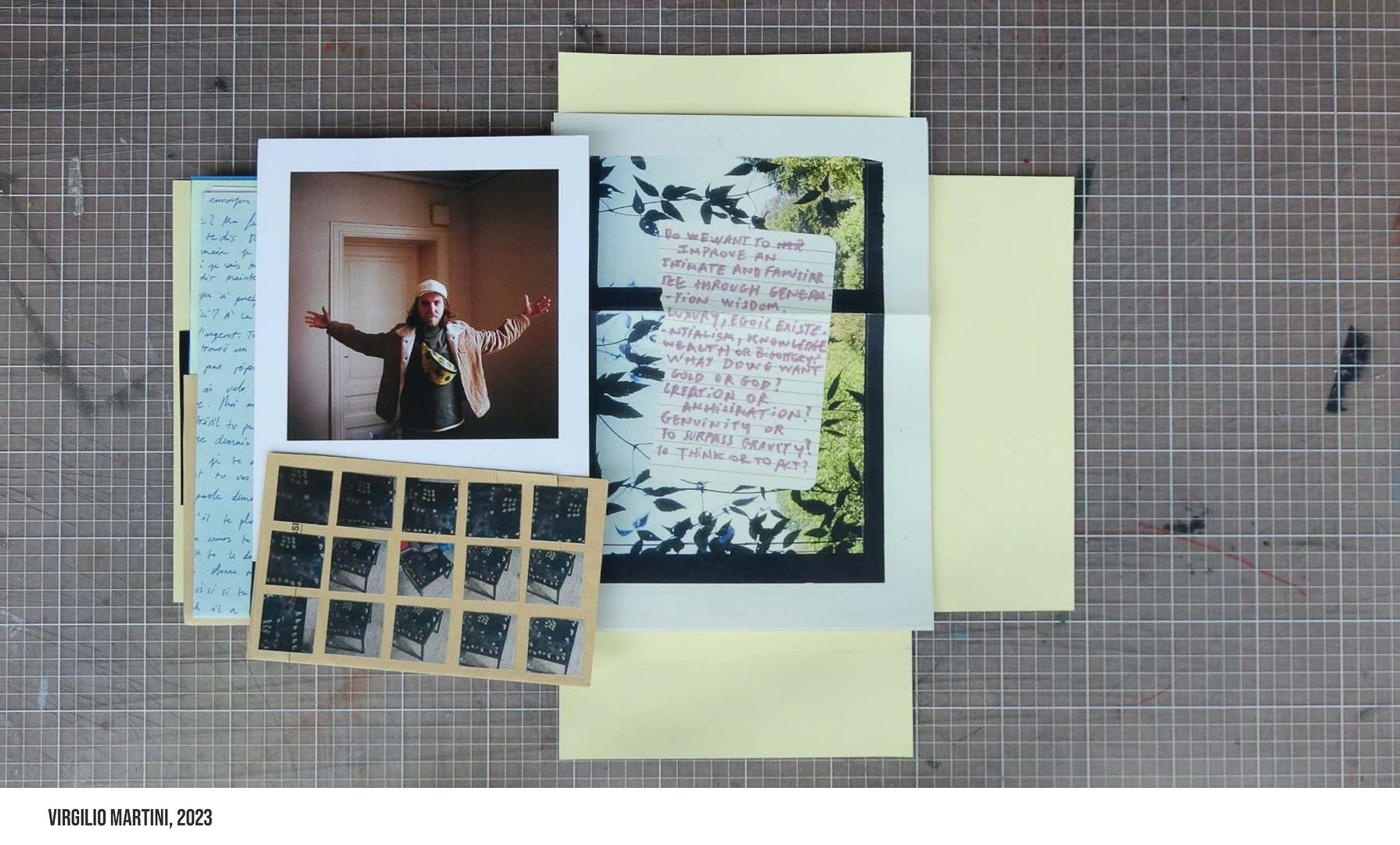
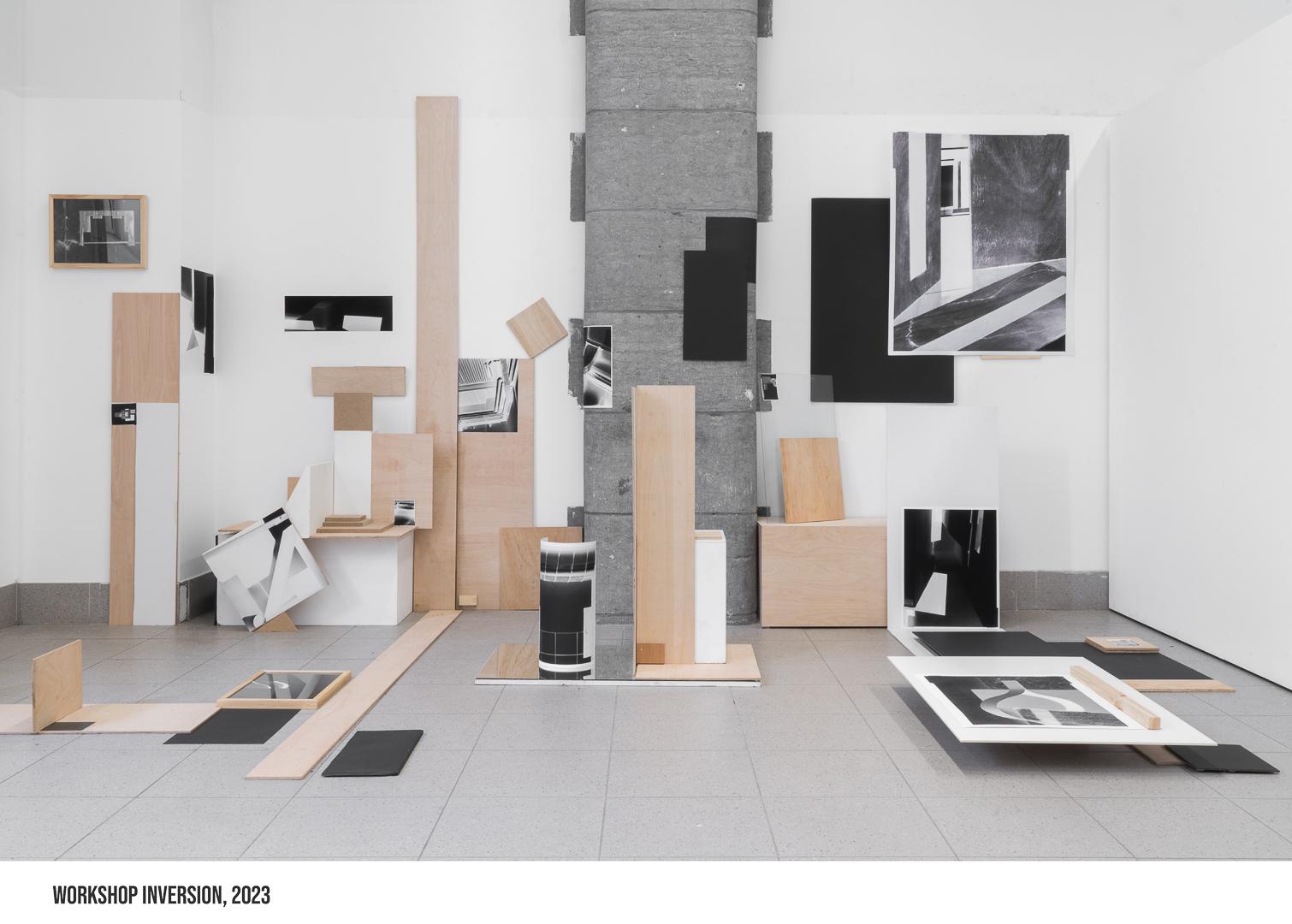
The photography studio at the Royal Academy of Fine Arts of Brussels trains both photographers and artists in their singular relationship to the image. The teaching within the studio is provided by professors with diverse artistic and professional practices, allowing for a crossing of perspectives and approaches. This teaching team guides the students’ personal projects, from the statement of intentions to the final realization. The project is at the heart of the student’s education and practice, starting from the early years of the Bachelor cycle. It involves constantly moving back and forth between practice and reflection, between developing the sharpness of the gaze and of thought.
The Bachelor cycle years include learning the technical and professional knowledge of both digital and analog imaging, acquiring an artistic culture of photography, and establishing a methodical and dedicated image practice. In the Master cycle, students freely define their photographic project, assert a personal approach, and position themselves as authors. The development of a singular photographic language is encouraged, research and experimentation are stimulated, and interdisciplinary openings are promoted. All practices are considered legitimate here (documentary, social, visual arts, performative, conceptual approaches, etc.).
Professional simulation exercises are also regularly organized, allowing students to familiarize themselves with the demands of photographic commissions. Internships, Erasmus exchanges, partnerships, and external contributors complete this training, giving students the opportunity to build connections with the professional and international fields.
Students are trained in the use of the various technical equipment available in the studio, to which they then have free access (digital processing and printing workshop, black and white analog lab, shooting studio). The loan of specific equipment (medium and large format cameras, lighting kits, etc.) offers students the opportunity to test and choose the tools best suited to their work.
Bachelor – 180 credits
Over the course of three years, the student acquires a general and artistic culture common to all (art history, photography and cinema history, art theory, semiology... as well as practice in drawing, computer graphics, and graphic design). During the cycle, the student individualizes their path and chooses certain courses outside the core curriculum (moving image, digital arts, sound creation, sculpture... modules). These teachings open up the field of possibilities and enrich the student’s photographic reflection and practice.
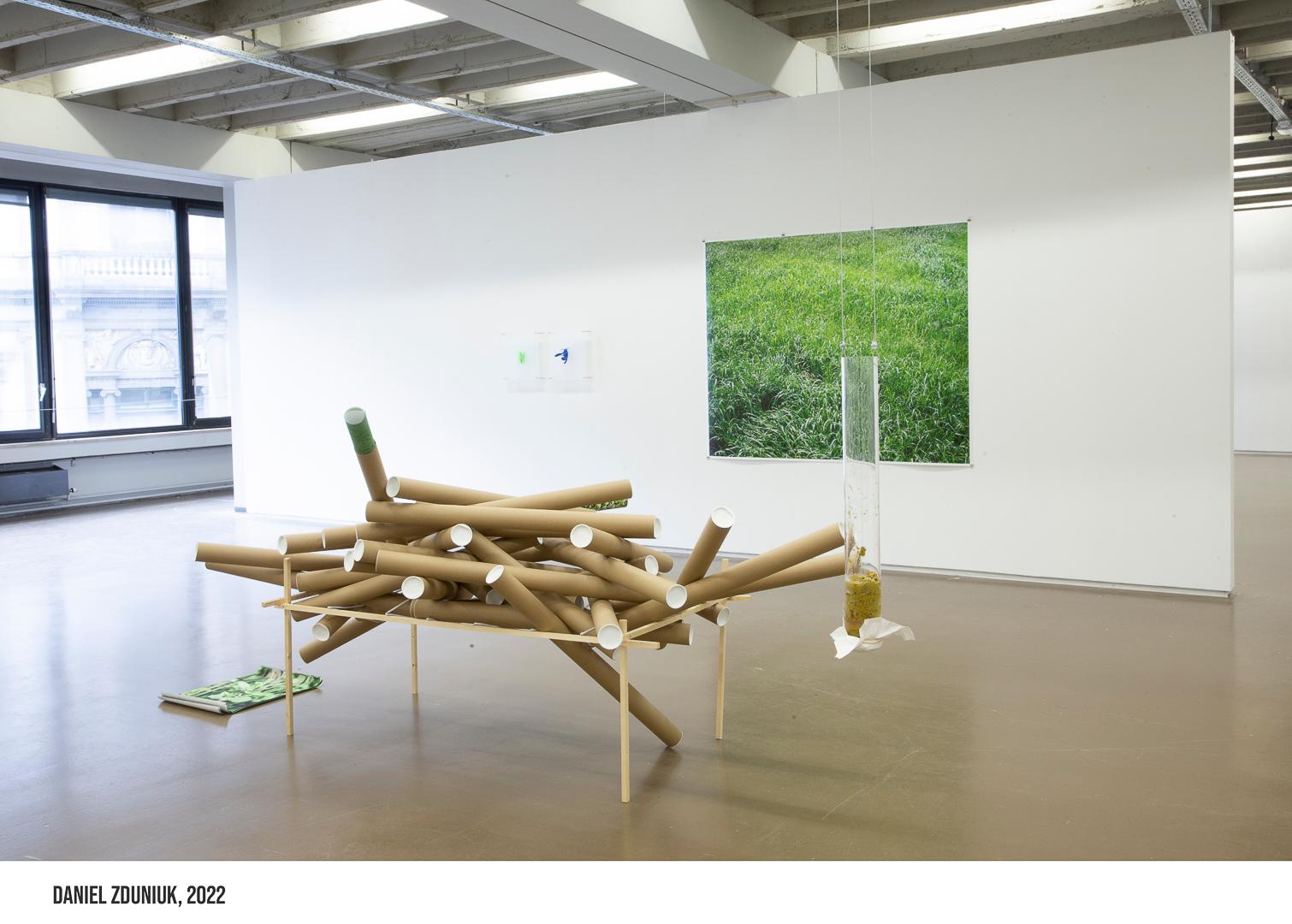
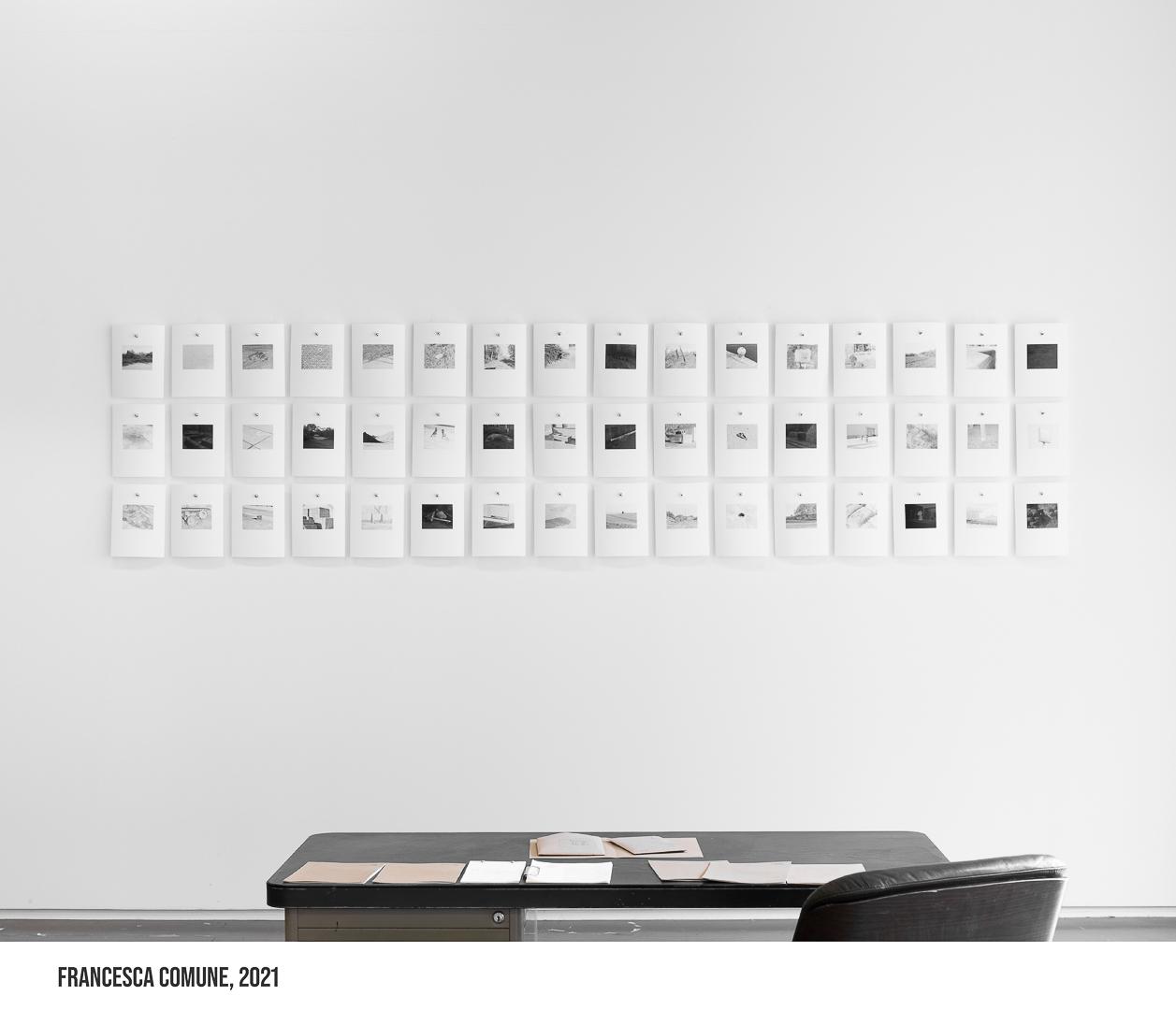
Studio work includes technical training and personal photographic practice. It is centered around a theme introduced at the beginning of the year, with guidelines inviting the student to explore multiple approaches and treatments (direct photography, staging, image appropriation... approaches related to video, performance, installation, writing, space...). The goal for the student is less to respond to a topic than to address a problematique, with freedom to define and delimit their field and mode of action within the given framework and to experiment. The third year provides an opportunity to present the work in the form of an edition and to create a portfolio.
Master – 120 credits
In the master cycle, the student freely defines their photographic project, asserts a personal approach, and positions themselves as an author. They may choose a “minor” in another artistic field and thus split their time between two Academy programs to better support their project. The student conducts their work autonomously. Regular presentations of research progress are required to monitor the advancement and implementation of the project and to assess the student’s ability to relate their practice to the contemporary context of creation. Regular group work sessions foster genuine debate around everyone’s productions and encourage the necessary verbalization effort for any project conception. The writing of a final thesis accompanies the student’s artistic reflection.
International exchanges for one or two semesters between B2 and M1 are encouraged.
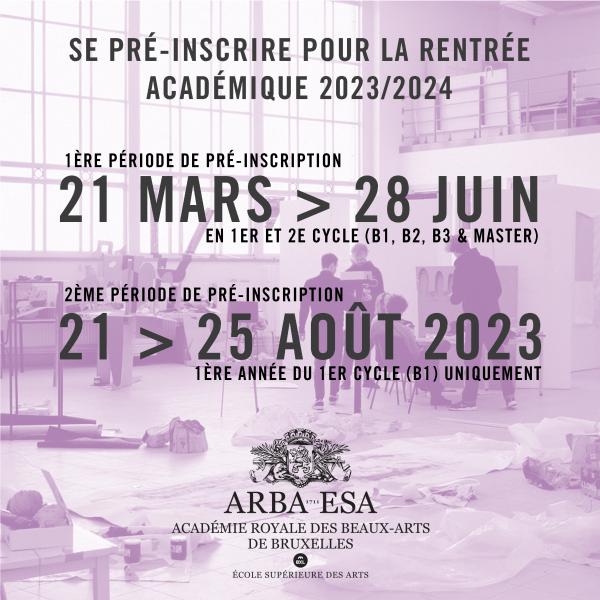
PRE-REGISTRATION:
All admission applications must be submitted via the admissions portal. The website allows you to apply and upload all the necessary documents for your pre-registration.
Entry into the First Year of the First Cycle (B1)
Admission into the first year of the Bachelor's program is subject to passing an entrance examination.
The exam consists of three parts: a practical test, a research-based test, and a motivation interview during which the candidate may present a portfolio of works.
The exam is open to all applicants; no prior artistic training is required.
Entry During the Bachelor’s Program (B2 and B3)
Admission into the second or third year of the Bachelor's program at ArBA-EsA is based on an artistic portfolio.
For selected candidates, an interview and/or practical test is organized and coordinated directly by the program coordinator.
Entry into the Second Cycle (Master's Program)
Admission into the Master's program is based on an artistic portfolio.
For selected candidates, an interview is organized and coordinated by the program coordinator.
➤ Plus d'informations sur les épreuves d'admission en Photographie
Professeur titulaire : Pierre-Yves Brest
Professeurs : Isabelle Detournay, Jonathan Steelandt, Wiktoria Synak
Conférencier : Emile Rubino, Francesca Comune
Assistante : Wiktoria Synak
Contact : photographie@arba-esa.be
Palais du Coudenberg / Bruxelles (2020)
Contretype / Bruxelles (2023-24)
Ecole de Recherche Graphique / Bruxelles (2023-24)