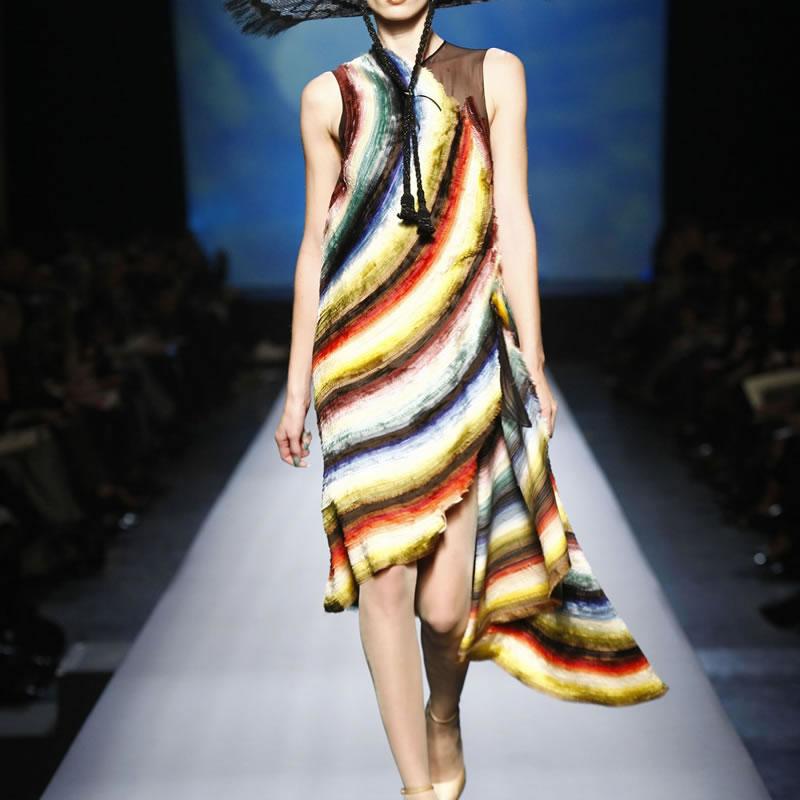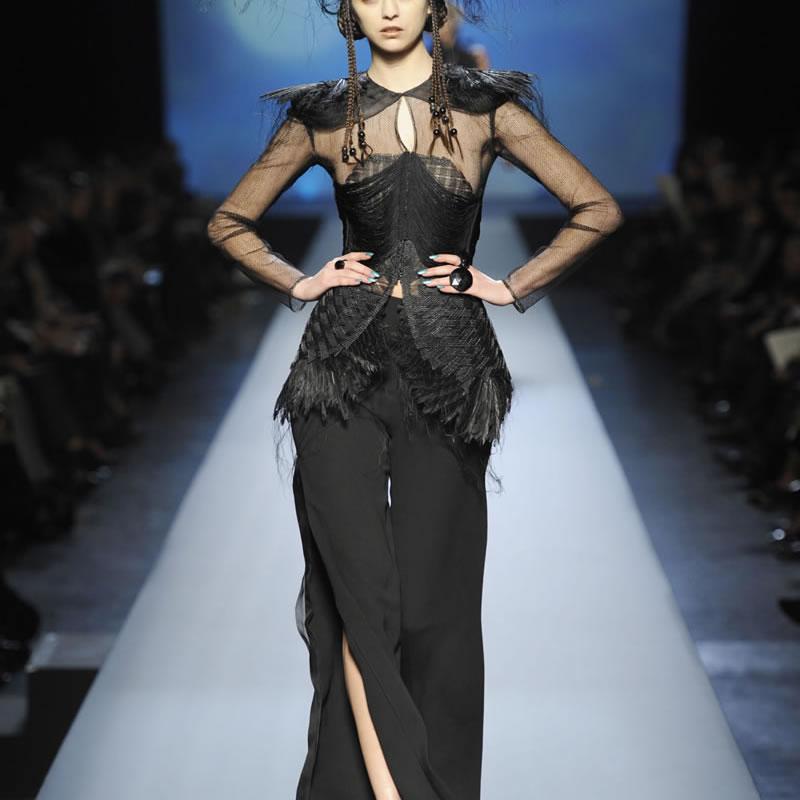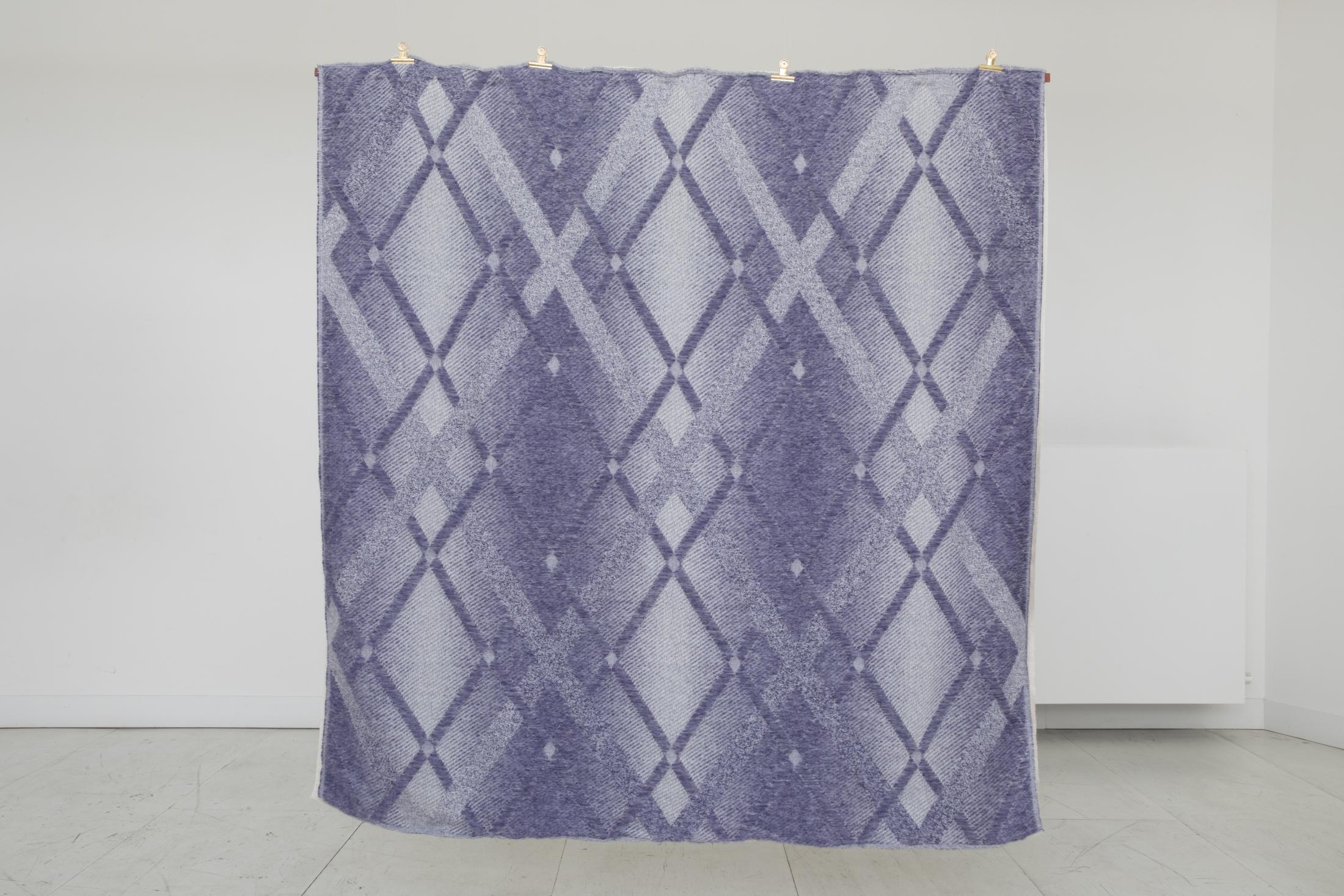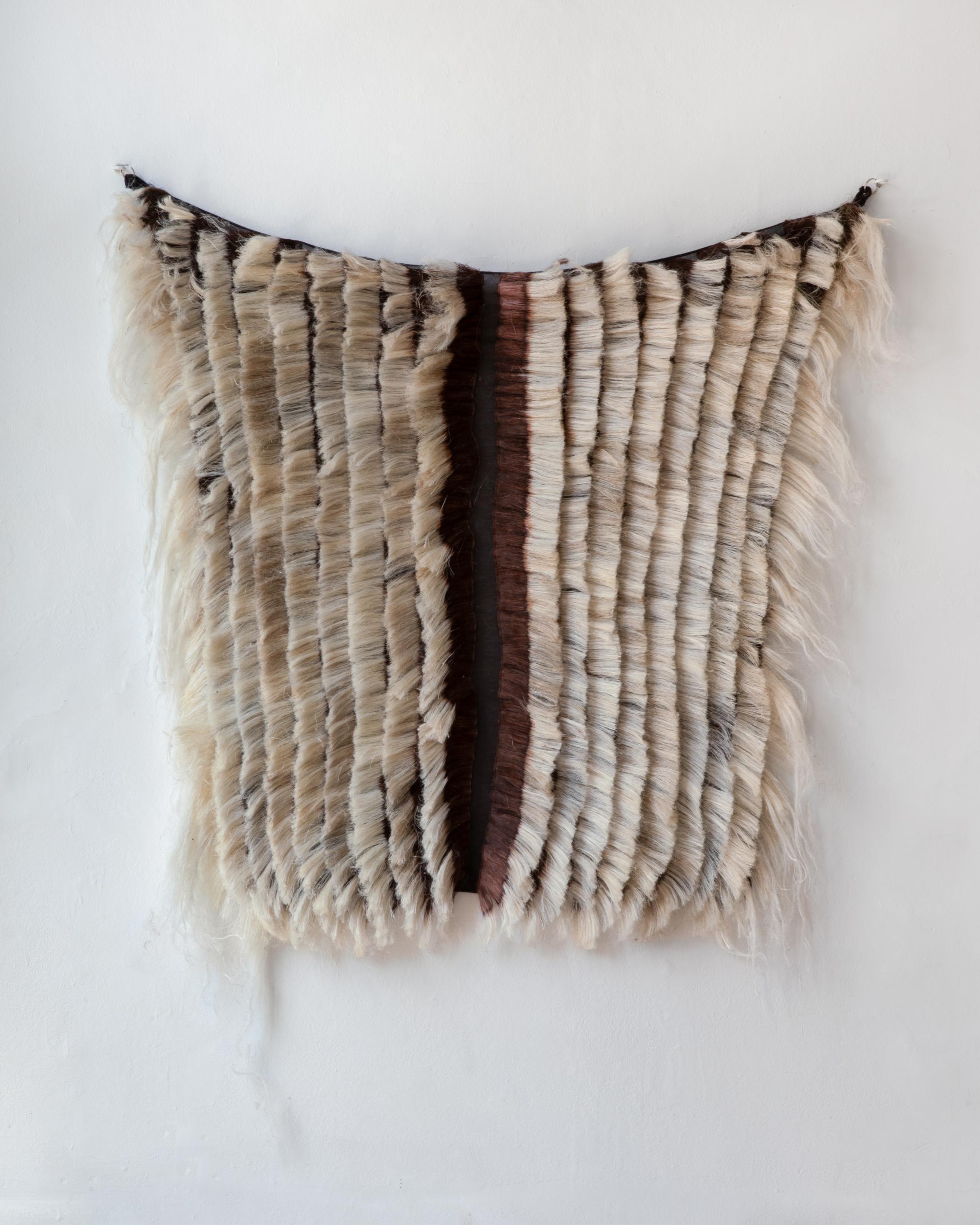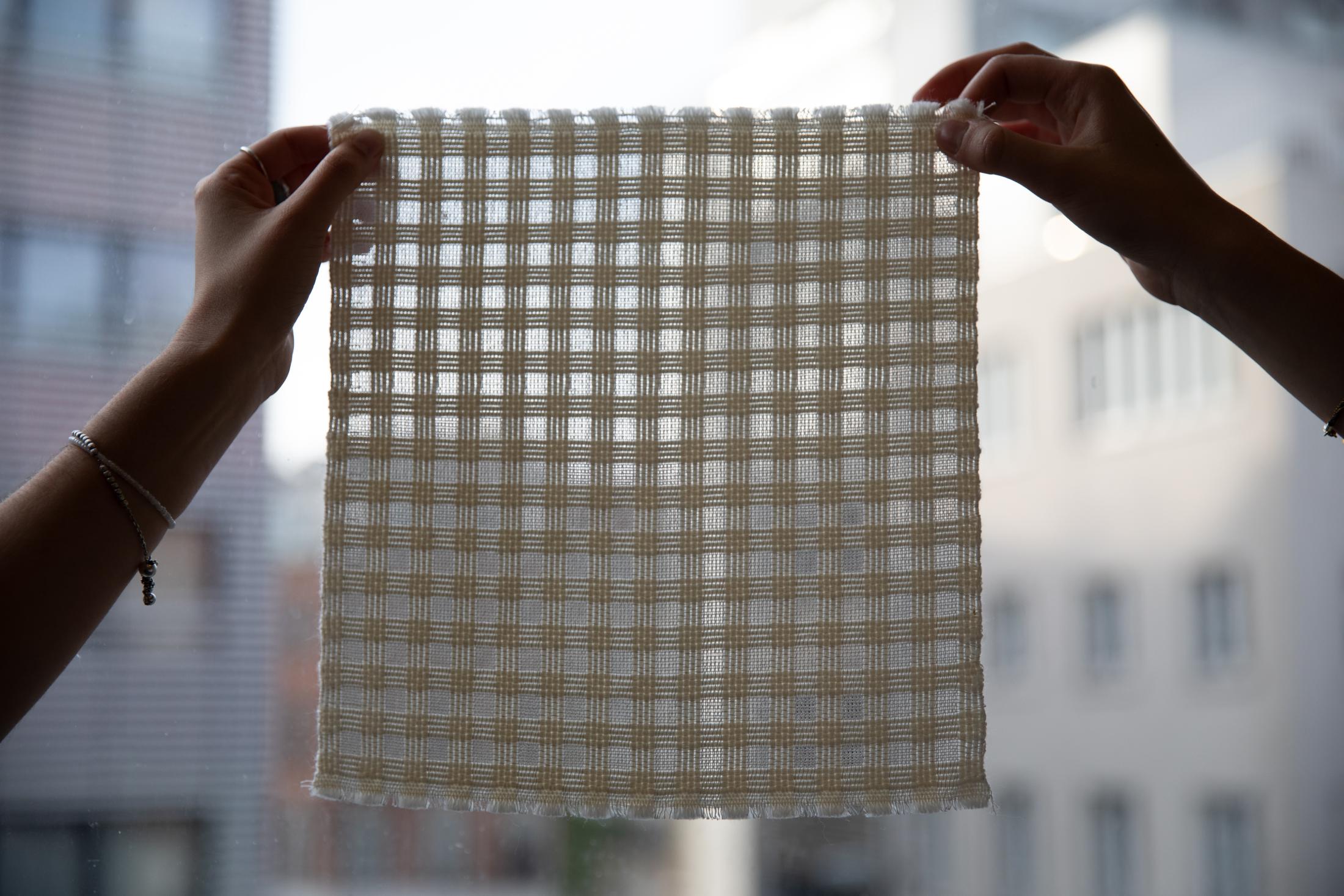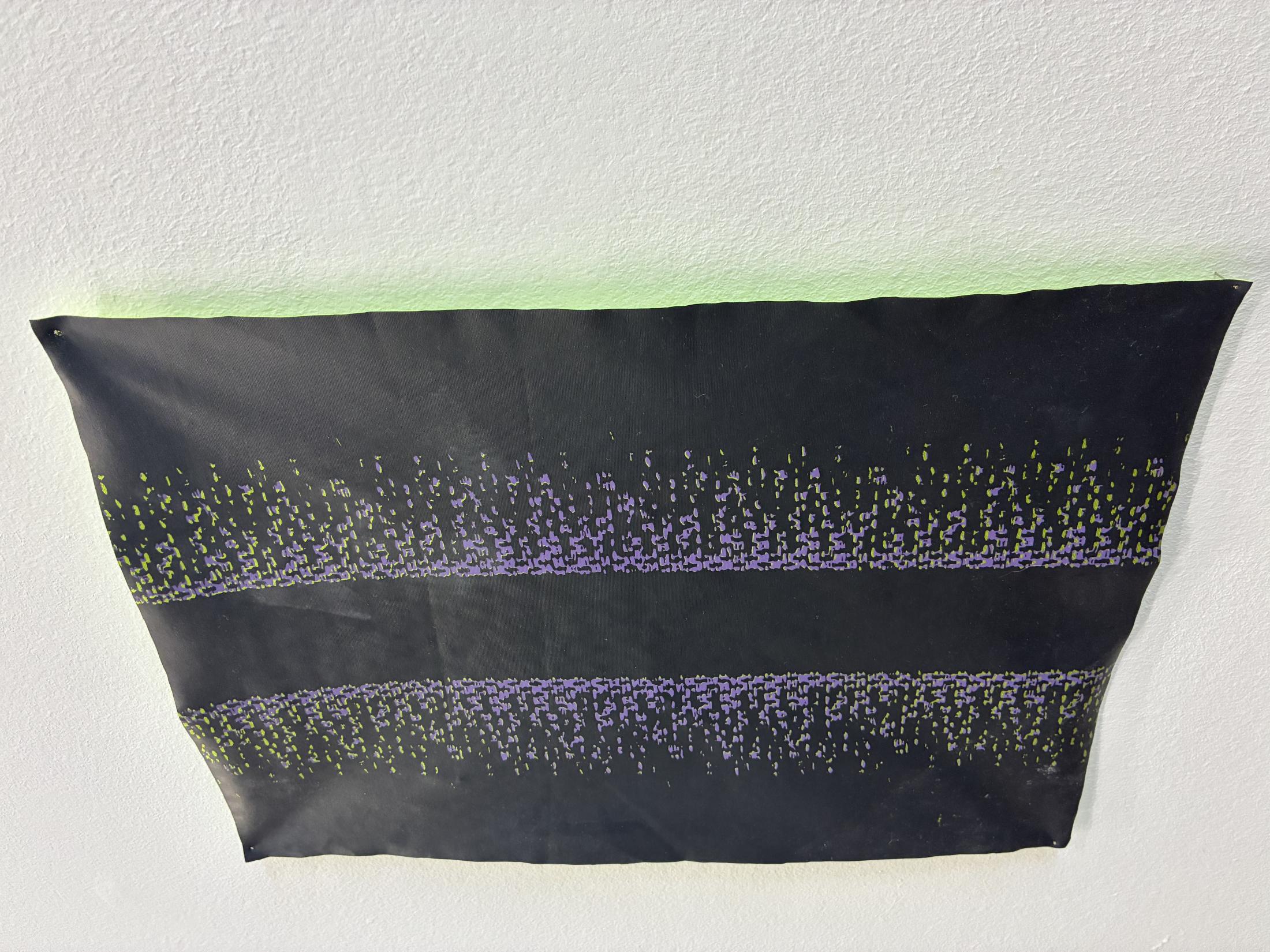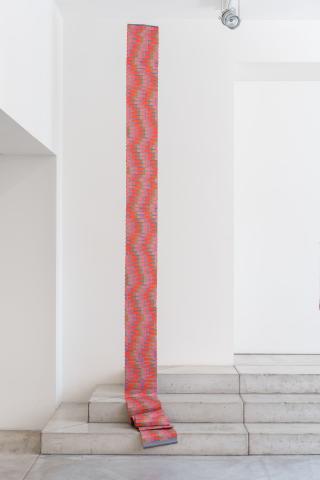
Textile design
This experimental approach opens the way to inventive combinations and ingenious technical crossovers to create innovative modes of textile expression.
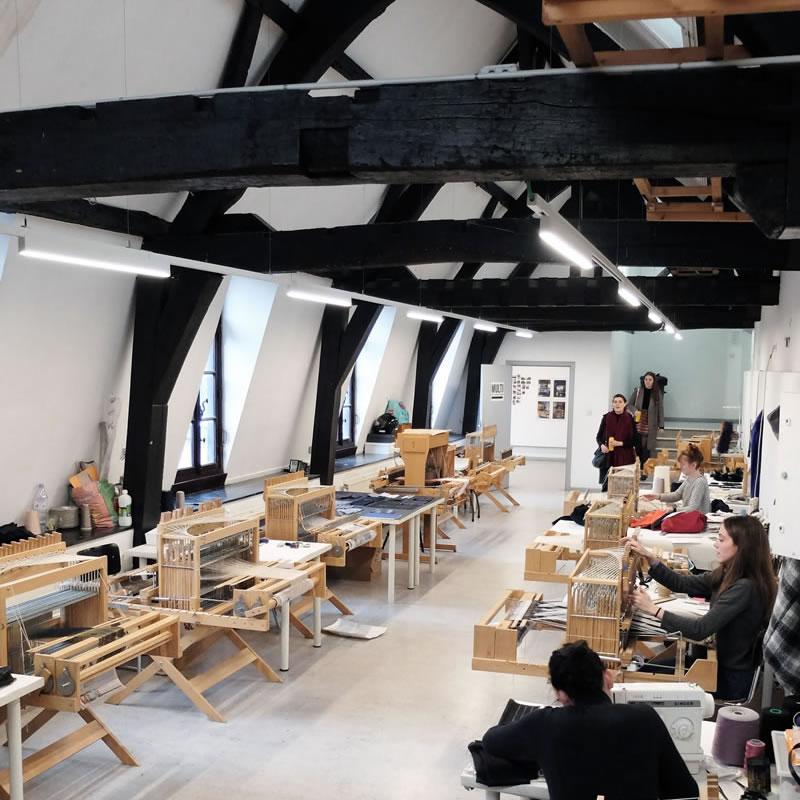
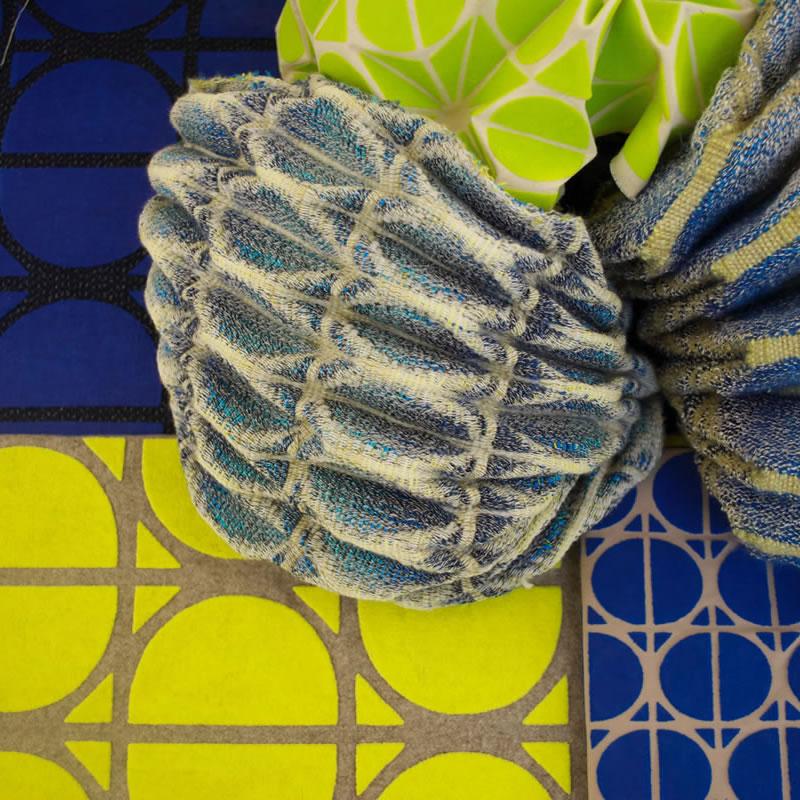
The Textile Design Workshop at the Royal Academy of Fine Arts Brussels – Higher School of Arts is a space for research, creation, and development of textile materials.
The training explores and questions the issues and structural elements of textiles.
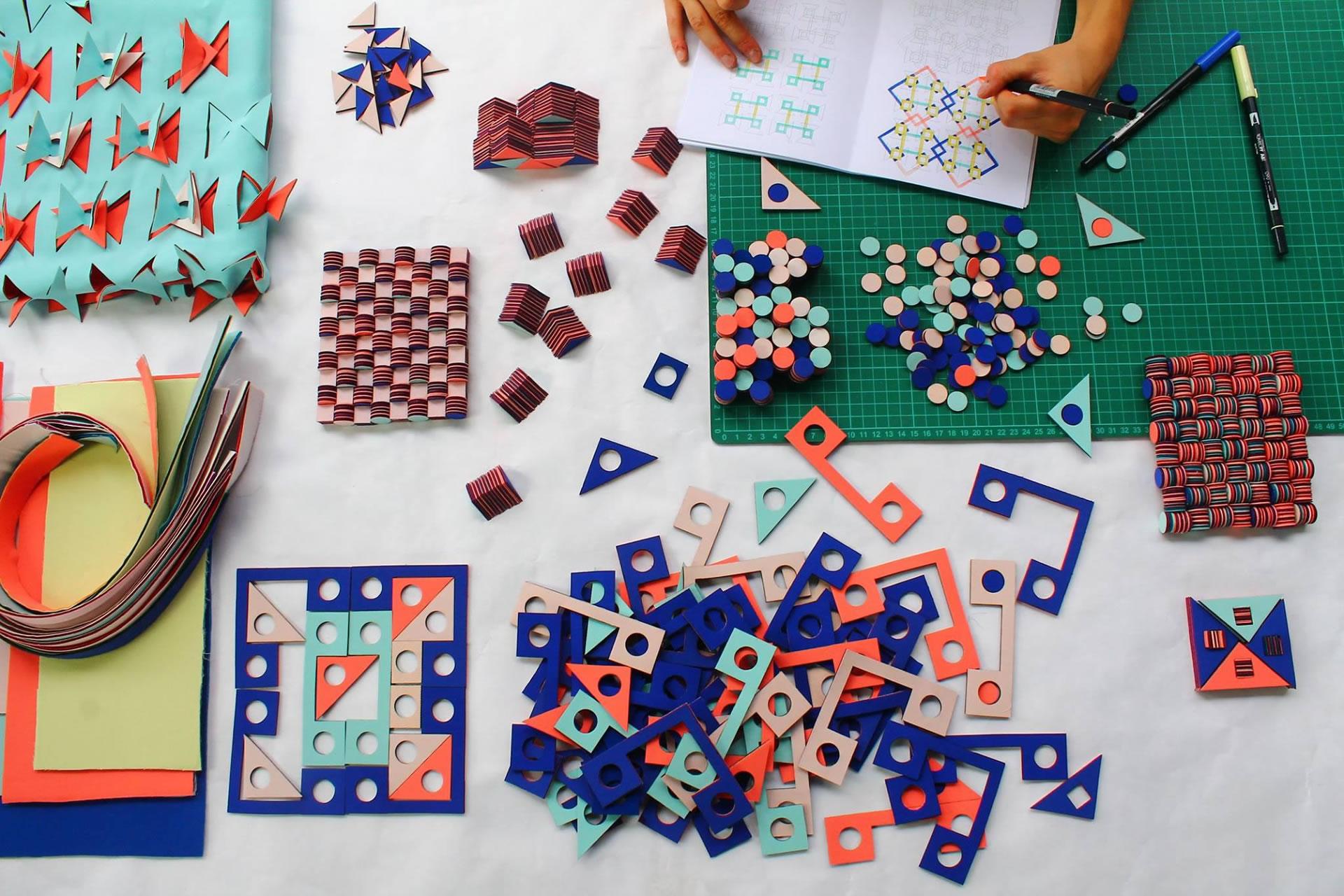
The phases of material development and implementation are considered as stages of investigation and experimentation.
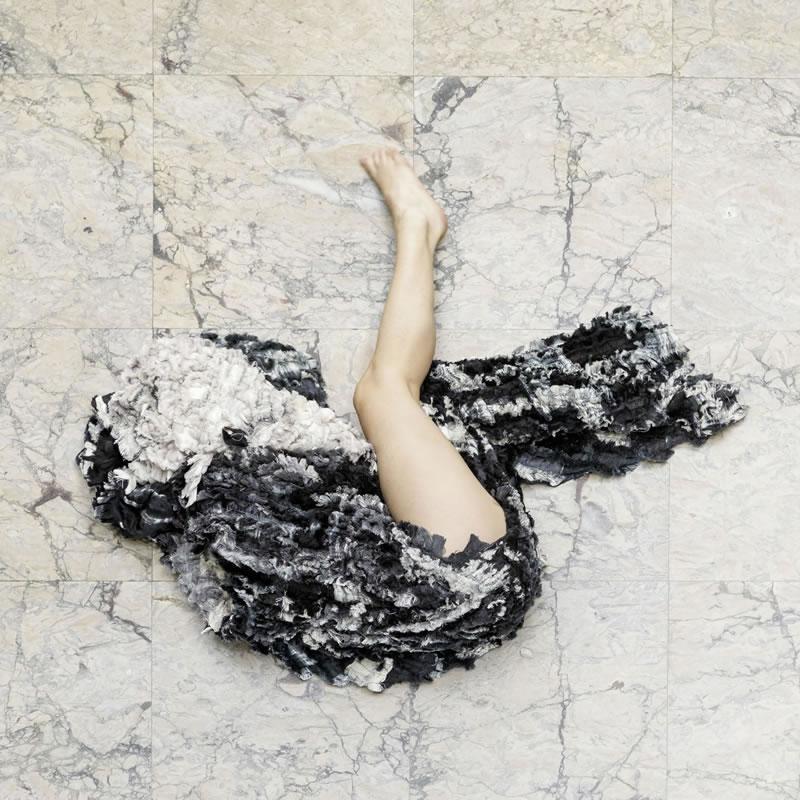
Design intertwined with textiles lies somewhere at the crossroads between flexible materials and their applications; through structure, texture, surface treatment, and color. It concentrates, creates, translates, and projects scenarios.
Rich in history and uses, textile is built and reinvented both through the continuity of traditional manual skills and cutting-edge technological research.
The textile design student engages deeply with the material and draws new narratives within it.
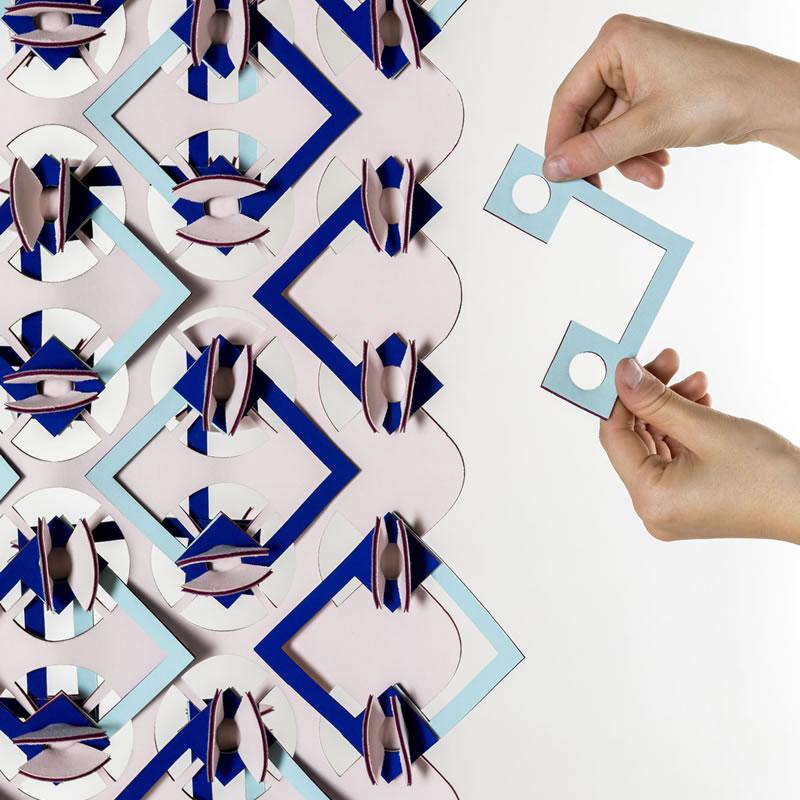
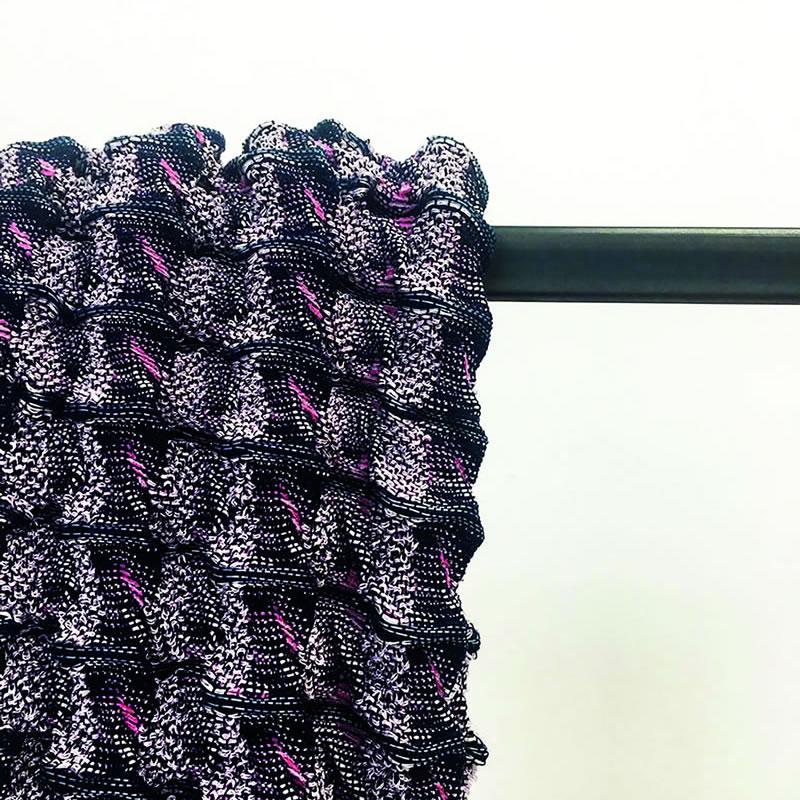
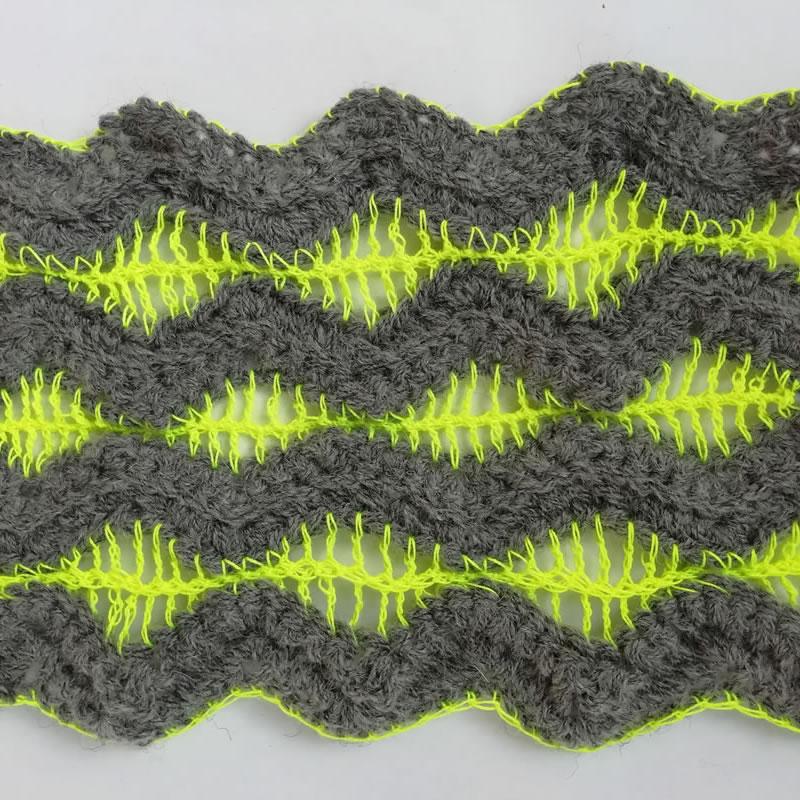
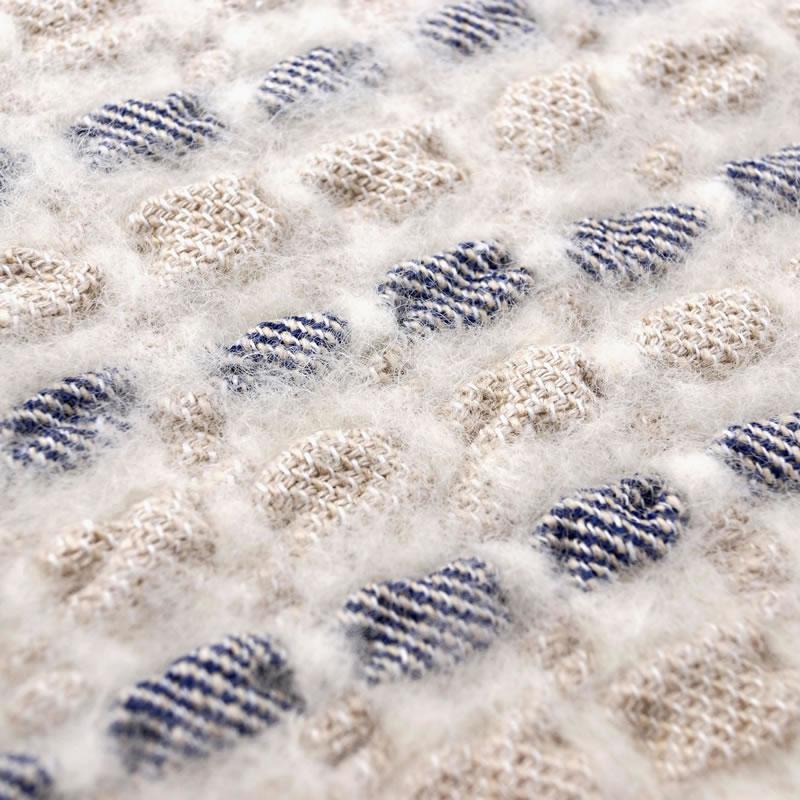
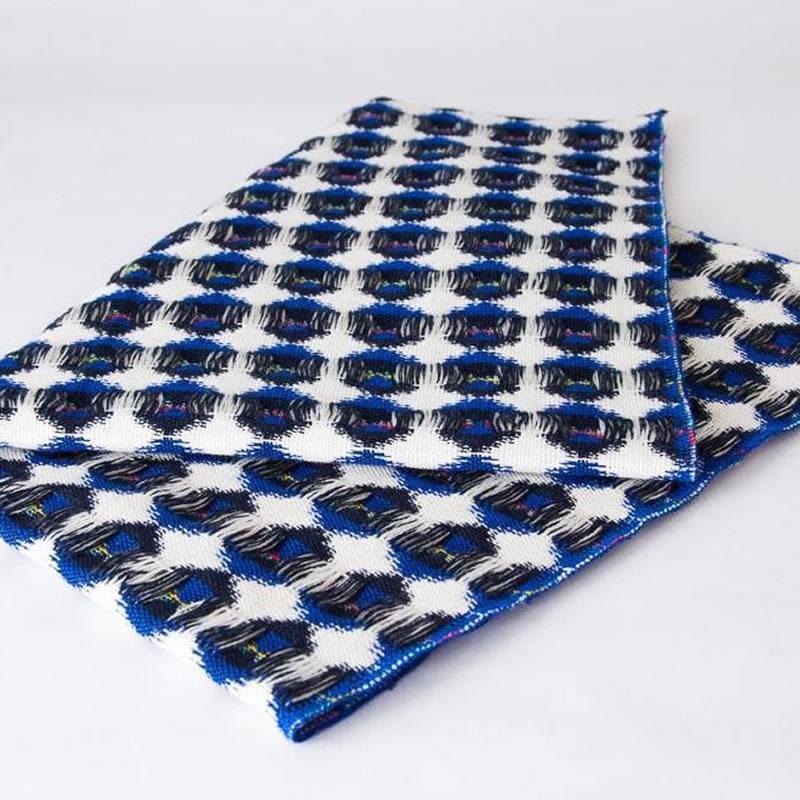
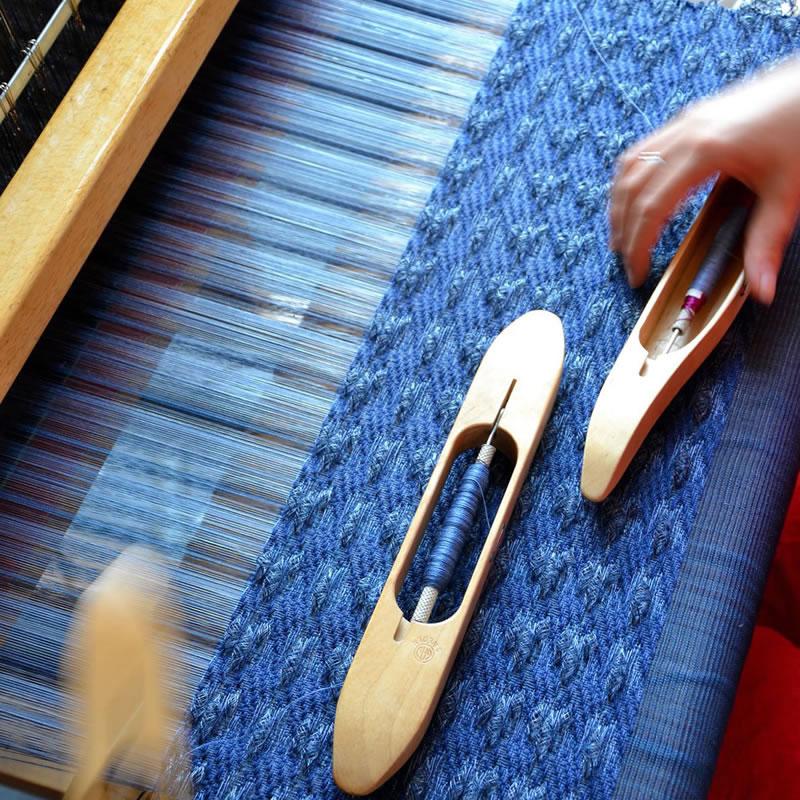
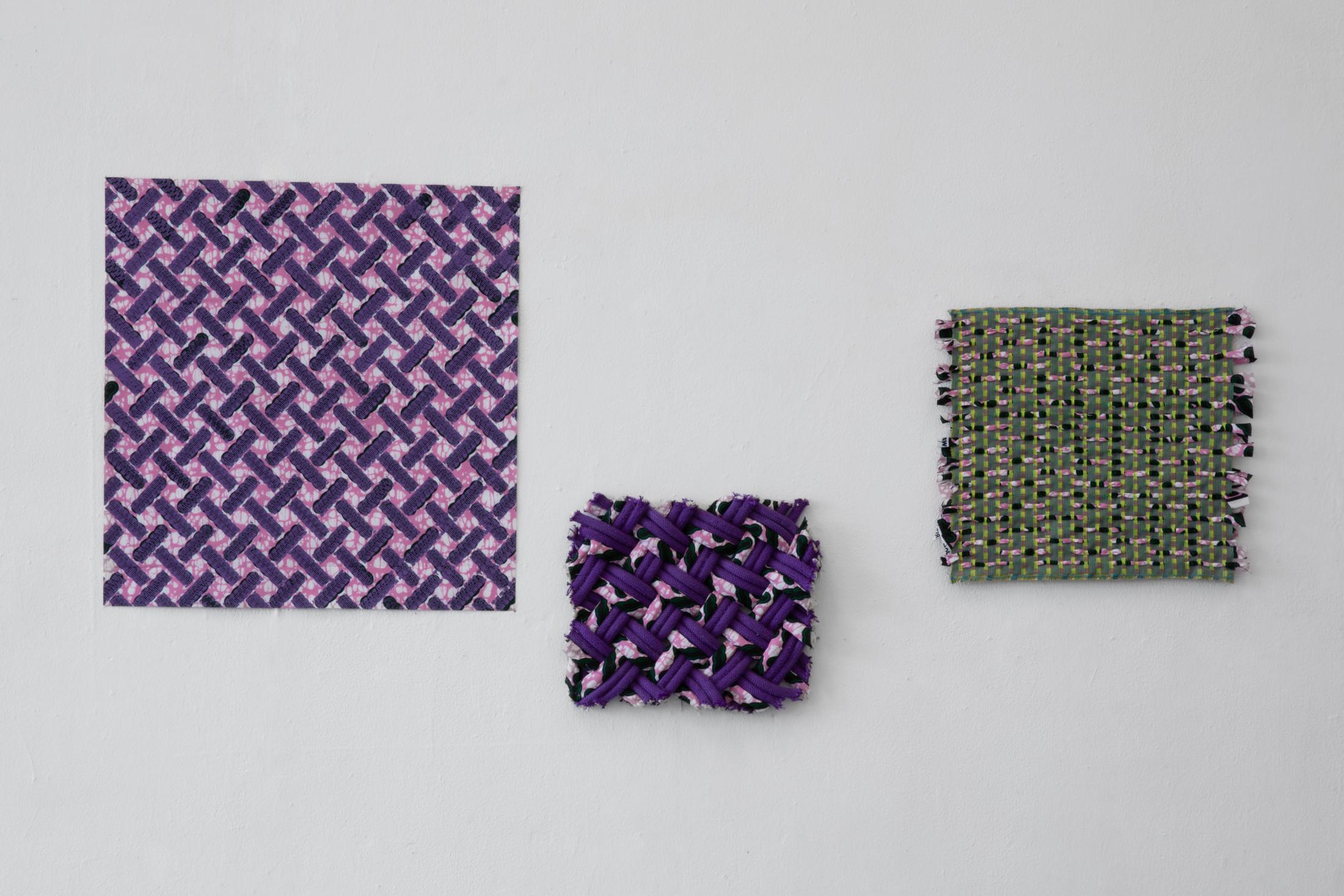
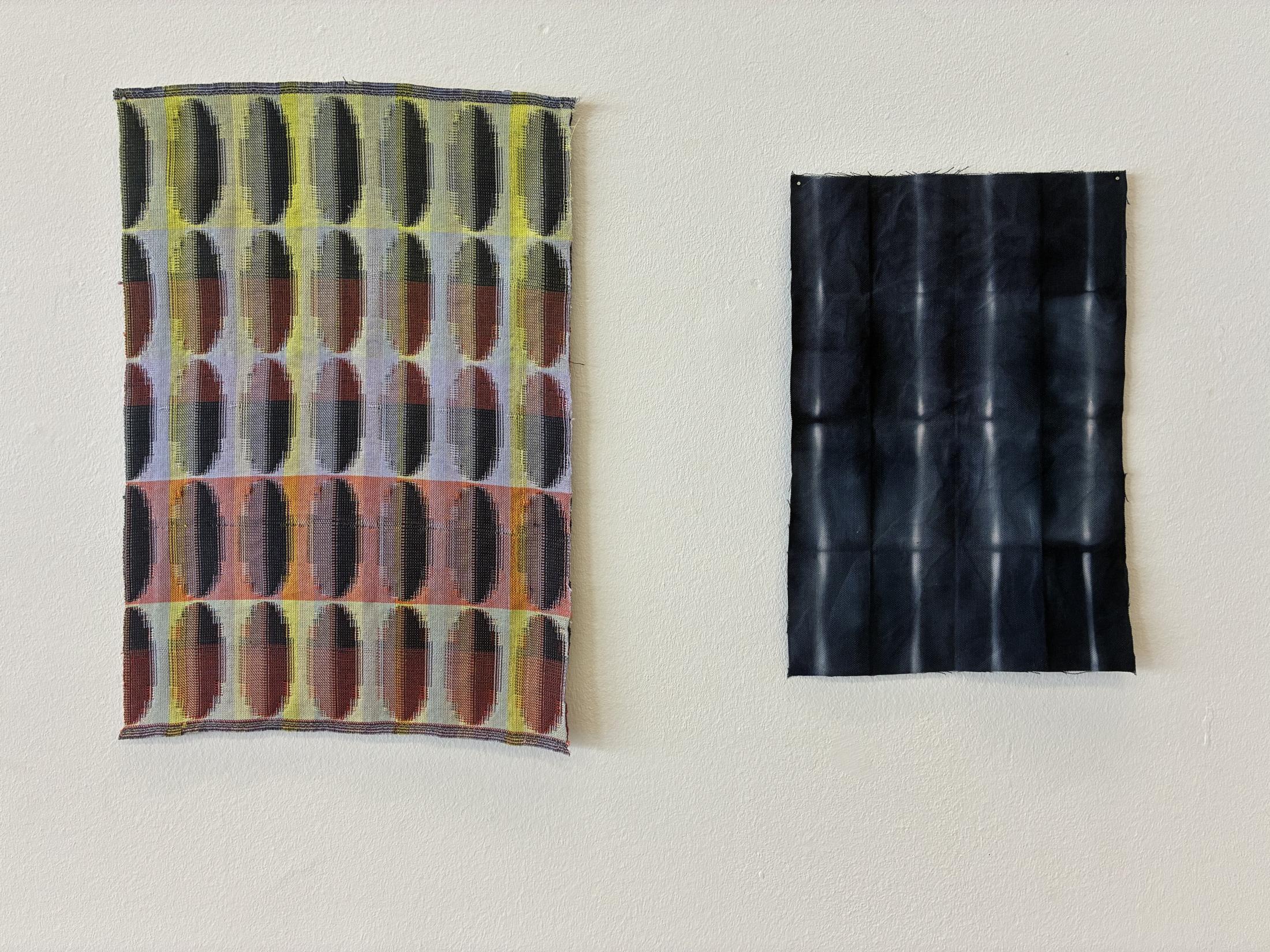
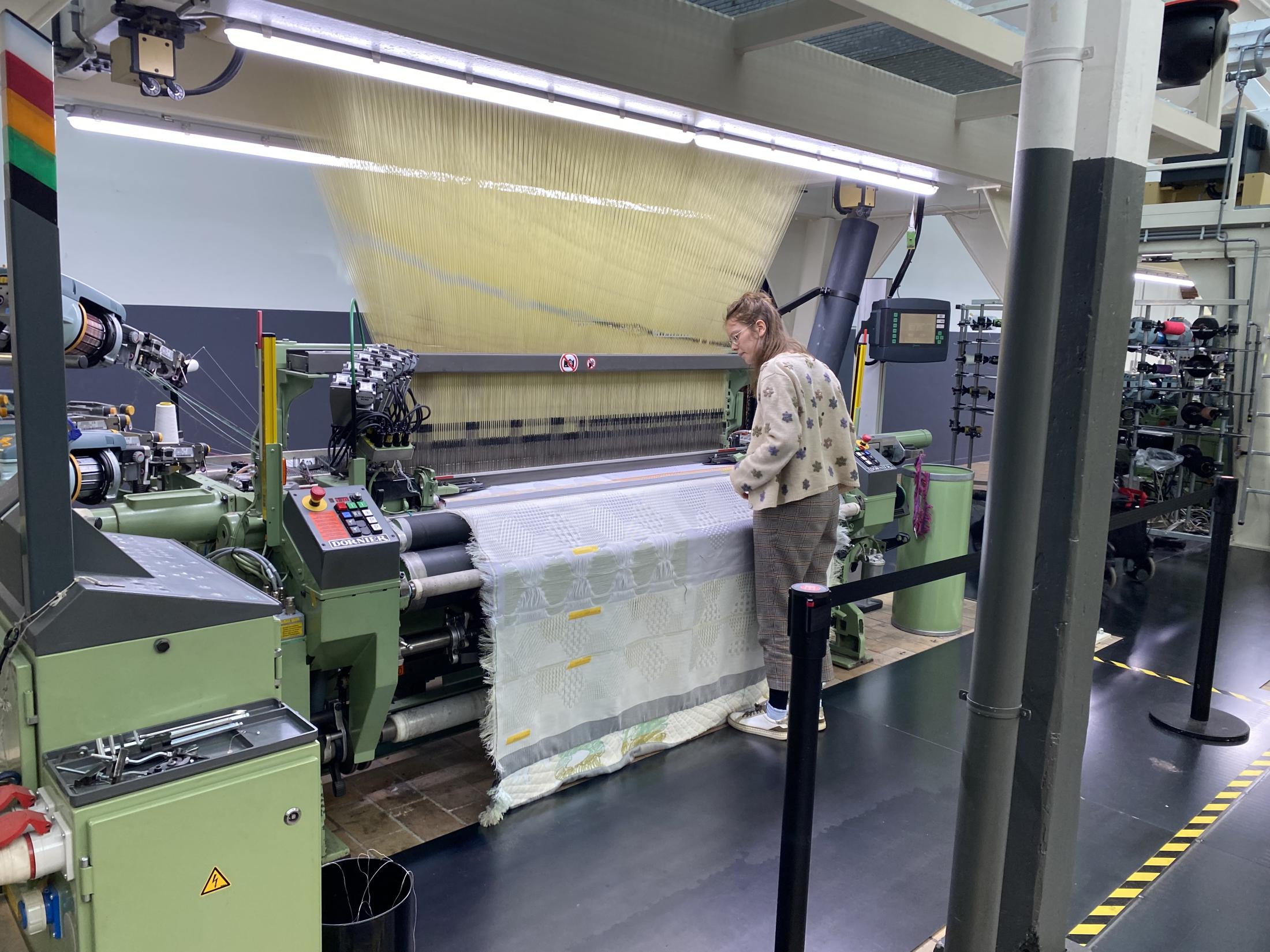
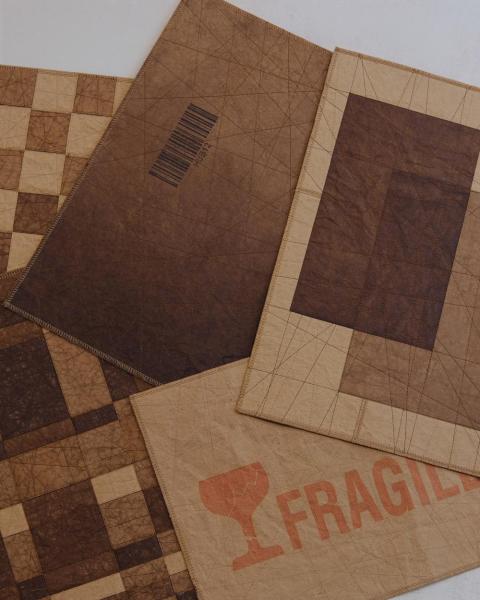
Teaching in textile design relies on in-depth learning of the following techniques and skills: twill and jacquard weaving, traditional dyeing and printing techniques, screen printing, color study, pattern composition, pattern matching, embroidery, crochet, laser cutting, and other mixed techniques.
These learnings support and strengthen every thought process necessary for the realization of the student’s personal project. Techniques and materials are analyzed and mastered through various “experiments” and meticulous observation.
This experimental approach opens up inventive combinations and cultivates innovative modes of textile expression.
In parallel, students are encouraged to reflect on the broader context of textile production, including environmental, ethical, and political issues inherent to contemporary design.
The textile design curriculum regularly collaborates with other research spaces: various partnerships are initiated with different actors whose goals, applications, and production methods are diverse—industrials, designers, fashion creators, trade shows, cultural players, etc.
Each year new initiatives are undertaken with a concern for openness and renewal, aiming to provide visibility to the program. These projects allow students to engage with specific demands and begin to address professional practice.
BACHELOR 180 CREDITS – FIRST CYCLE
The work is organized around themes proposed by the teaching team, within which the student gradually defines a field of exploration. They practice and question the techniques introduced and relate them to the year-long project.
All support courses specific to the curriculum and workshops expose the student to multiple textile creation techniques. The back-and-forth between experimentation, observation, and reflection nourishes the development, relevance, and coherence of their project.
Over the course of the program, the proposed themes allow the student to develop greater autonomy. They are invited to build a research universe nourished by a broad and rich range of experiments.
In the third year (B3), the annual project is more closely linked to the professional world. Within the framework of collaborations or skills exchanges with professionals, research spaces are initiated to enable students to exercise their creativity and face specific criteria for creation or production.
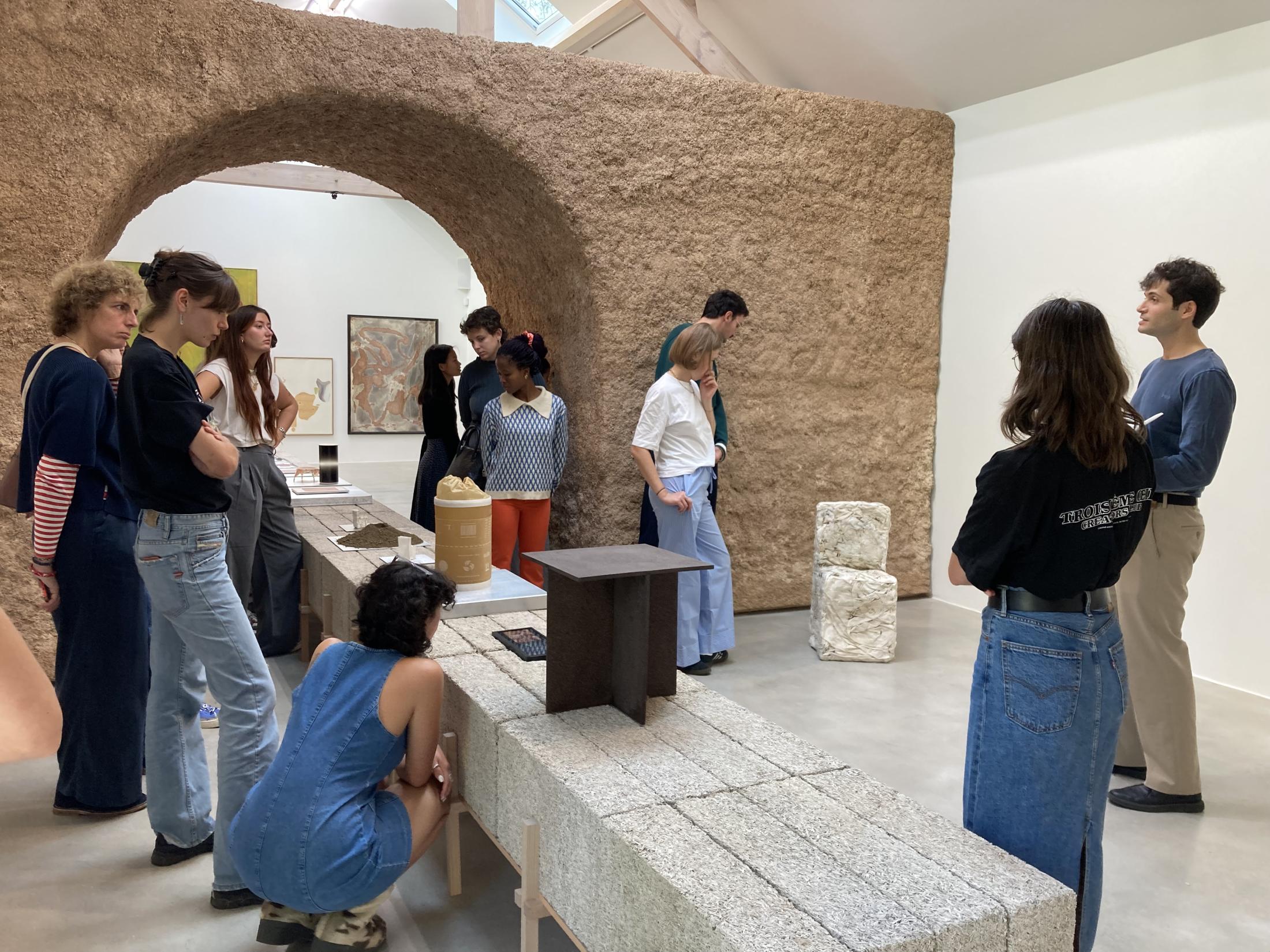
Trips and numerous visits to companies, textile centers, trade fairs, trend offices, exhibitions, and conferences help students position themselves in the world of textile creation and design.
MASTER 120 CREDITS – SECOND CYCLE
The Master’s program is a period of culmination and confirmation between the skills acquired in the Bachelor’s and the professional world.
During the first year, the student, aware of their means of expression, seeks, dares, experiments, and aspires to surpass themselves with the same level of quality. They refine their ideas and sharpen a critical eye towards themselves and the world around them.
They deepen and develop an innovative artistic approach by deploying their own language. The student also materializes a fitting proposal between their work and its spatial presentation.
PRE-REGISTRATION:
All admission applications must be submitted via the admissions portal. The website allows you to apply and upload all the necessary documents for your pre-registration.
Entry into the First Year of the First Cycle (B1)
Admission into the first year of the Bachelor's program is subject to passing an entrance examination.
The exam consists of three parts: a practical test, a research-based test, and a motivation interview during which the candidate may present a portfolio of works.
The exam is open to all applicants; no prior artistic training is required.
Entry During the Bachelor’s Program (B2 and B3)
Admission into the second or third year of the Bachelor's program at ArBA-EsA is based on an artistic portfolio.
For selected candidates, an interview and/or practical test is organized and coordinated directly by the program coordinator.
Entry into the Second Cycle (Master's Program)
Admission into the Master's program is based on an artistic portfolio.
For selected candidates, an interview is organized and coordinated by the program coordinator.
Professeur titulaire : Laetitia Sedziejewski
Professeurs du cursus : Amandine Fabry, Elodie Antoine, Cécile Barraud de Lagerie, Susanna Campogrande
Contact : designtextile@arba-esa.be
20-21 : Jean Paul Lespagnard (Extra-Ordinaire)
19-20 : Carine Gilson (lingerie haute couture)
18-19 : Fondation Egress, Collection privée de textiles de Marja Bloem et Seth Siegelaub
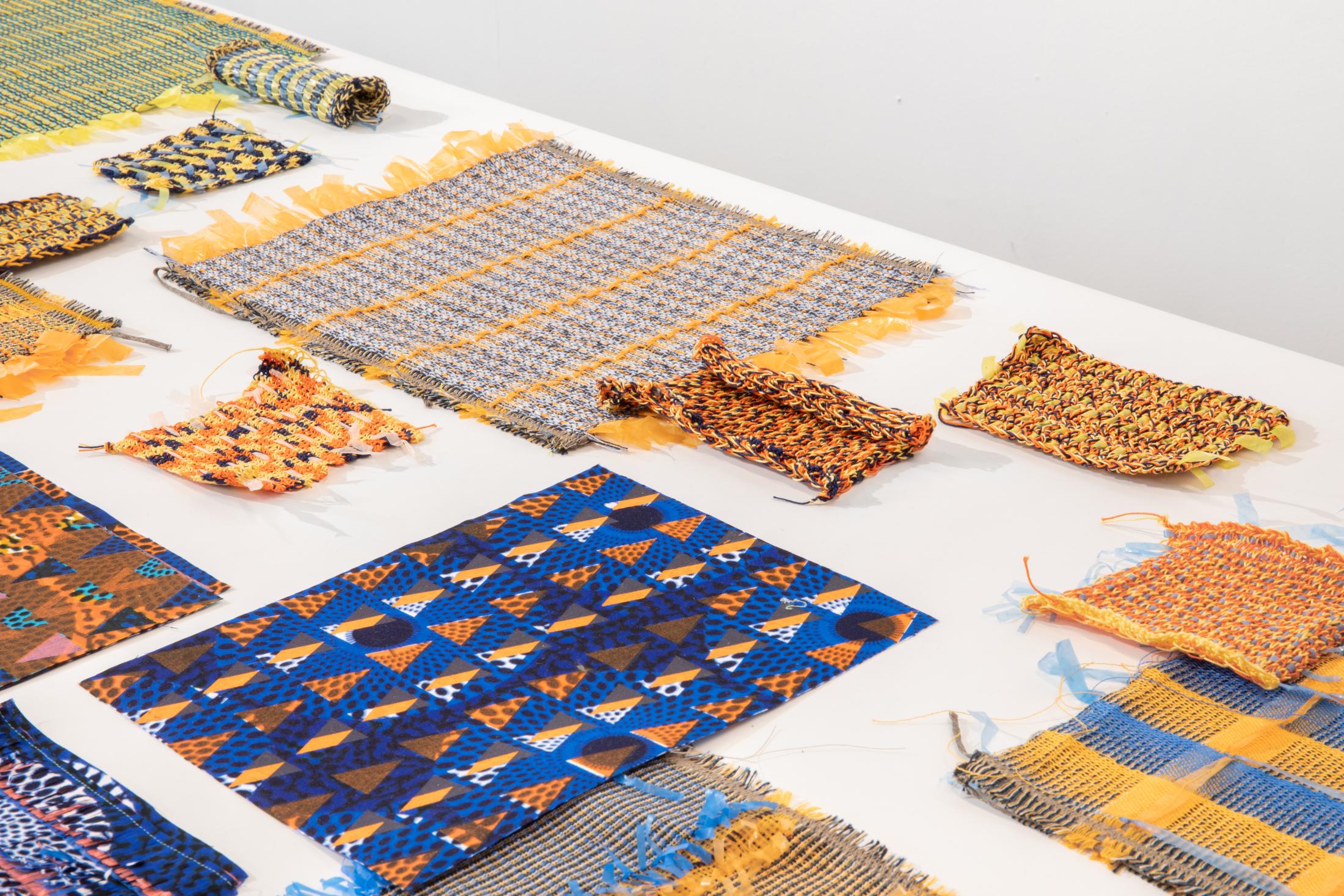
17-18 : Vlisco (Wax Hollandaise) et le musée de l’Afrique Central de Tervuren
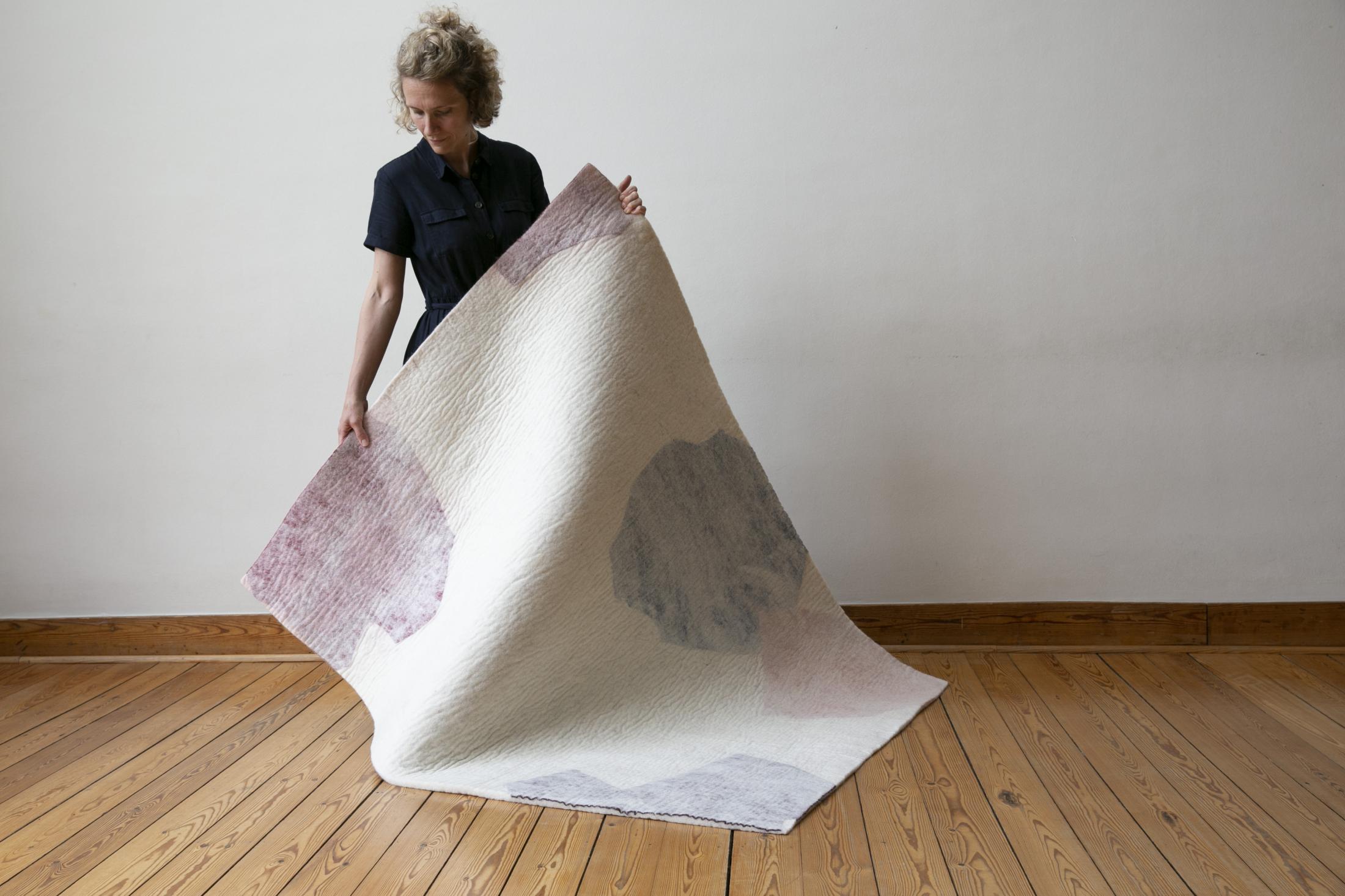
16-17 : Idéal Felt (entreprise spécialisée en feutre) et l’école de Design de Saint Etienne
11-12 : Serge Bensimon (basket-tennis)
09 & 11 : Jean-Paul Gaultier Haute Couture