Sculpture
Provide the means to explore, to express oneself, to establish a dialogue, to animate a space, to invent forms, to stage the imagination, to evoke emotion and dream...
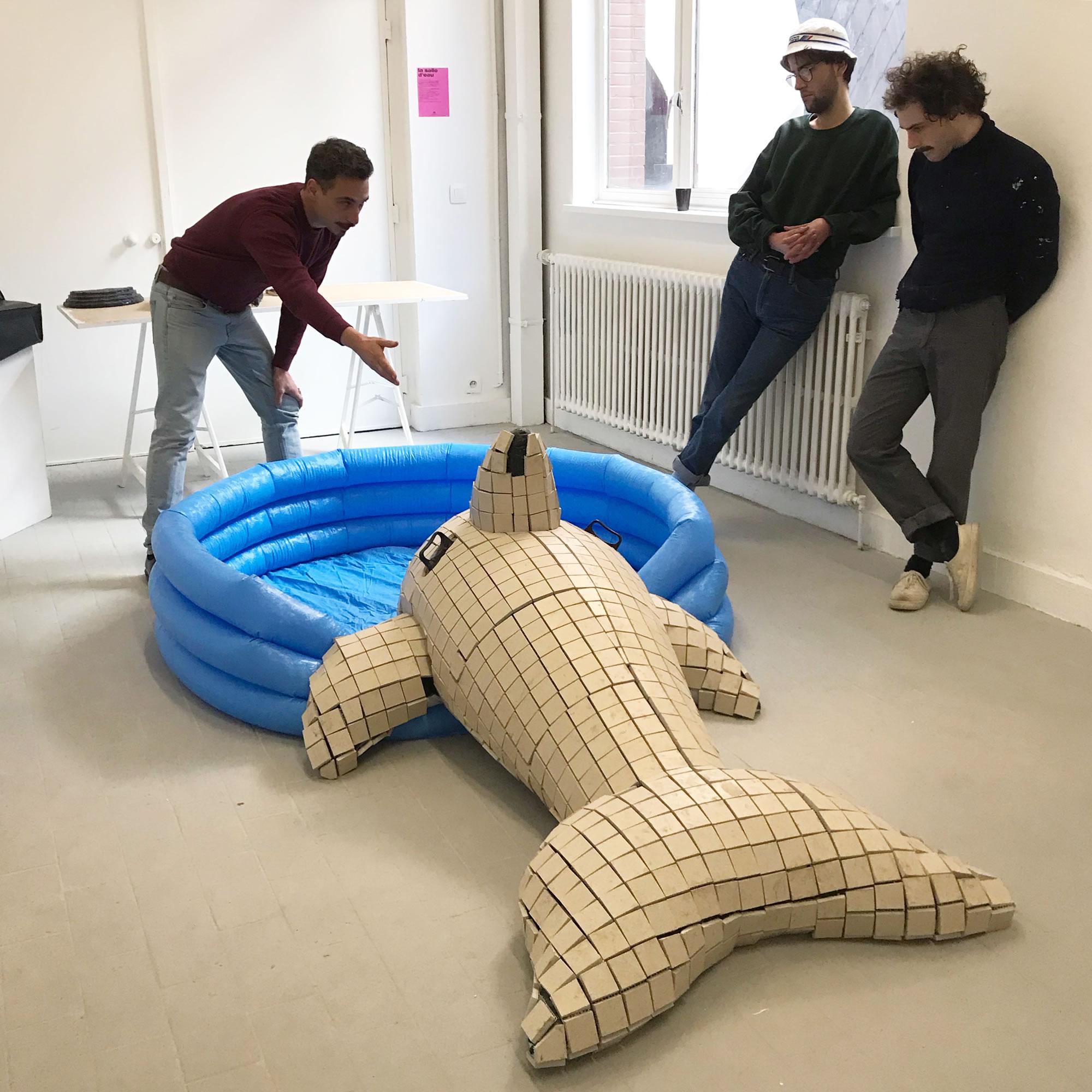
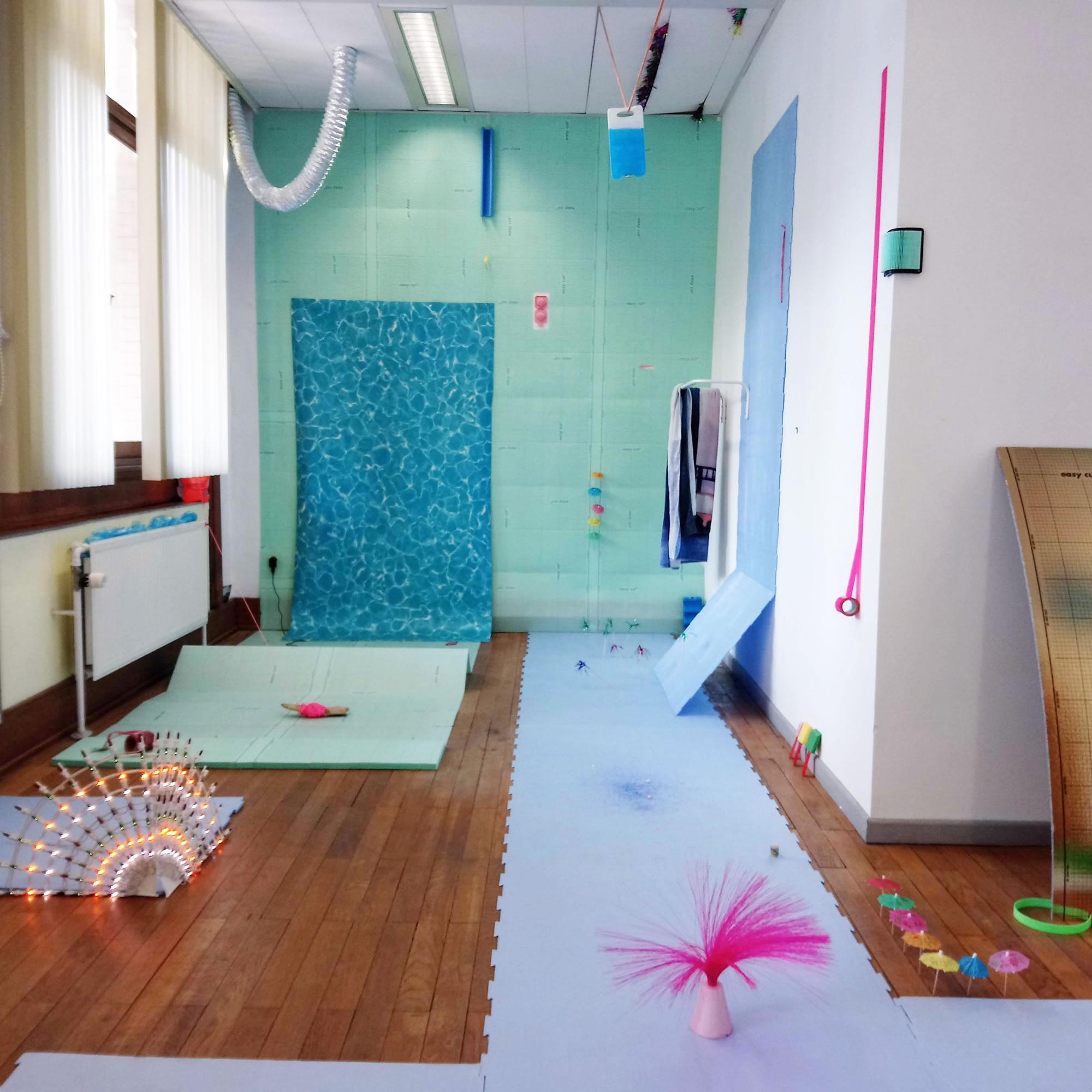
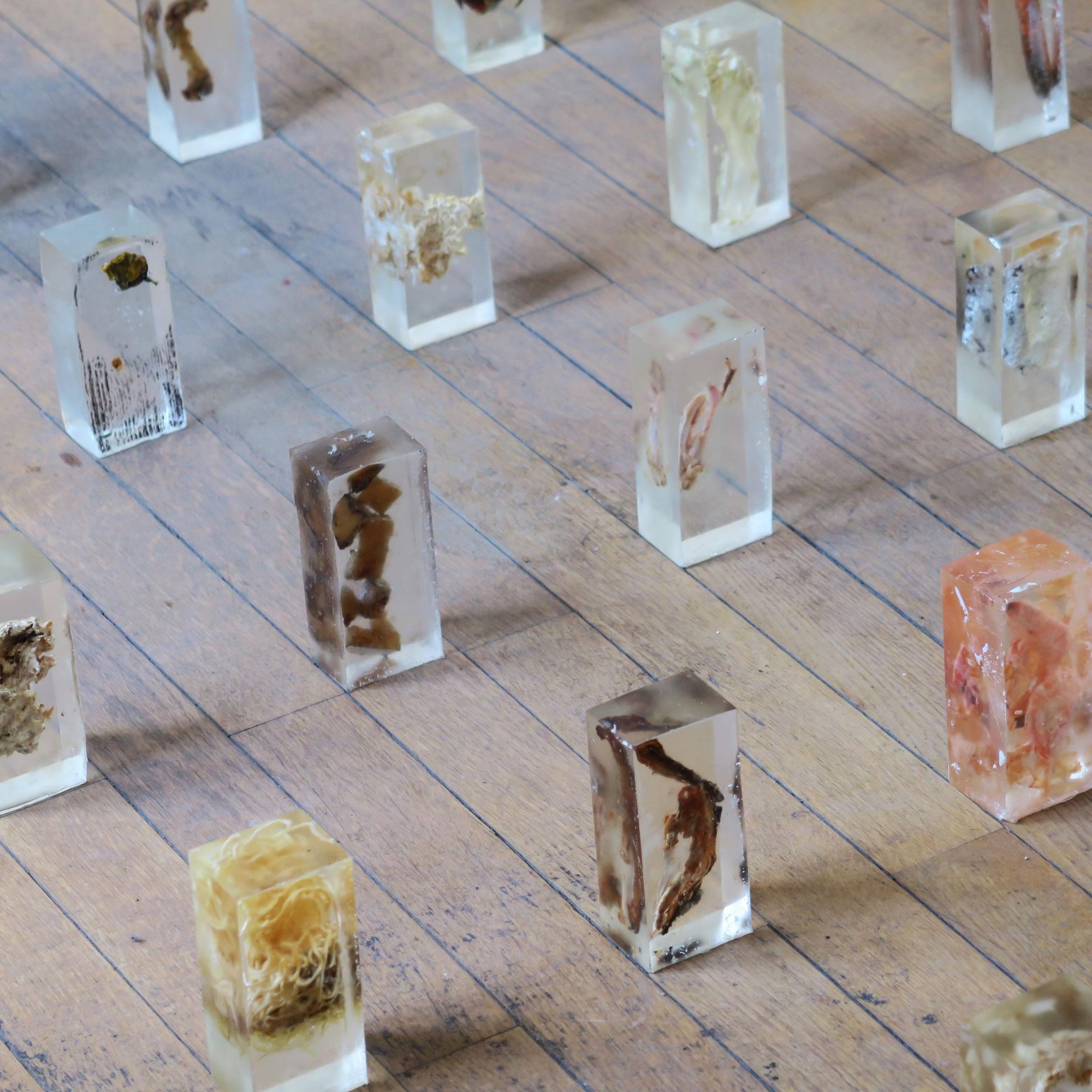
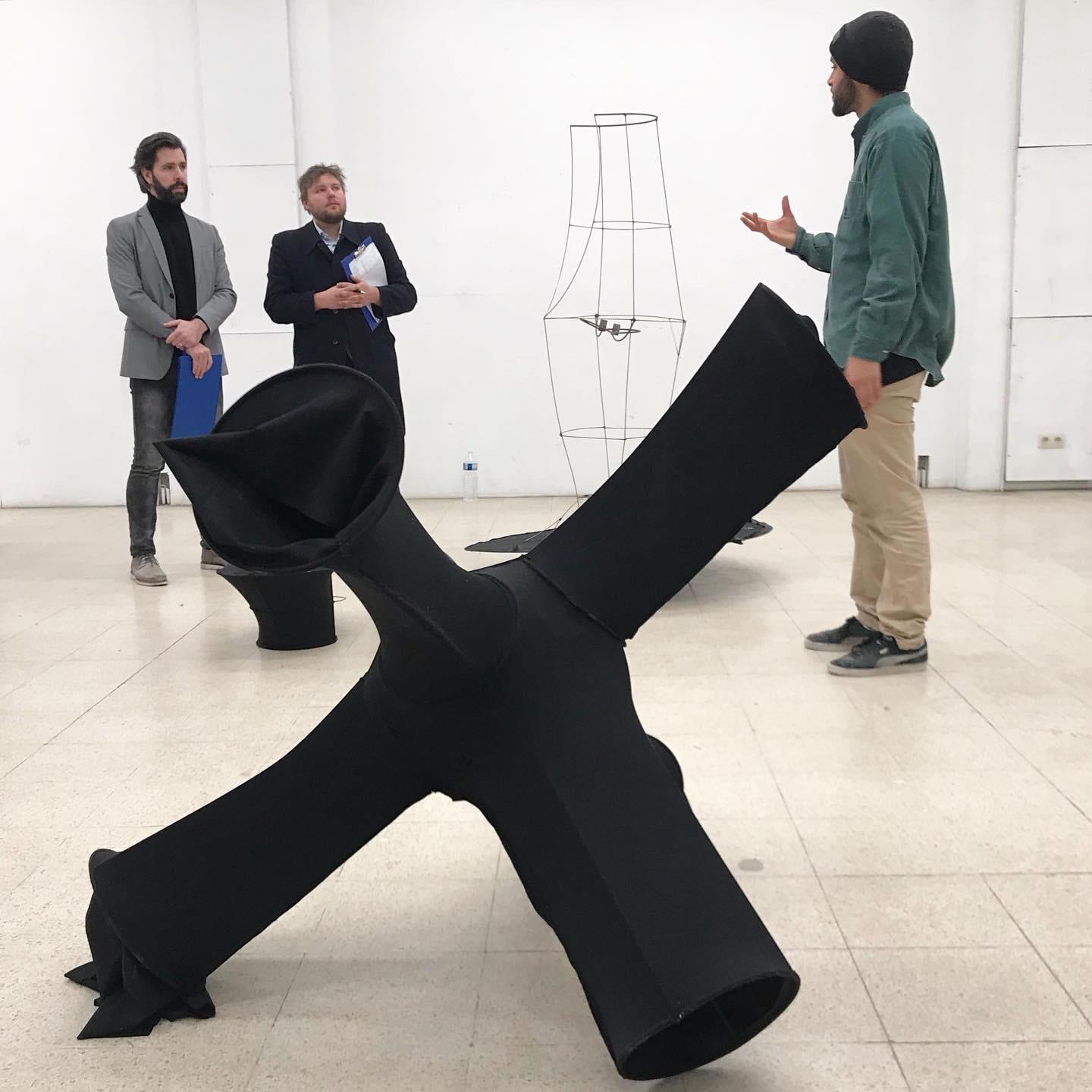
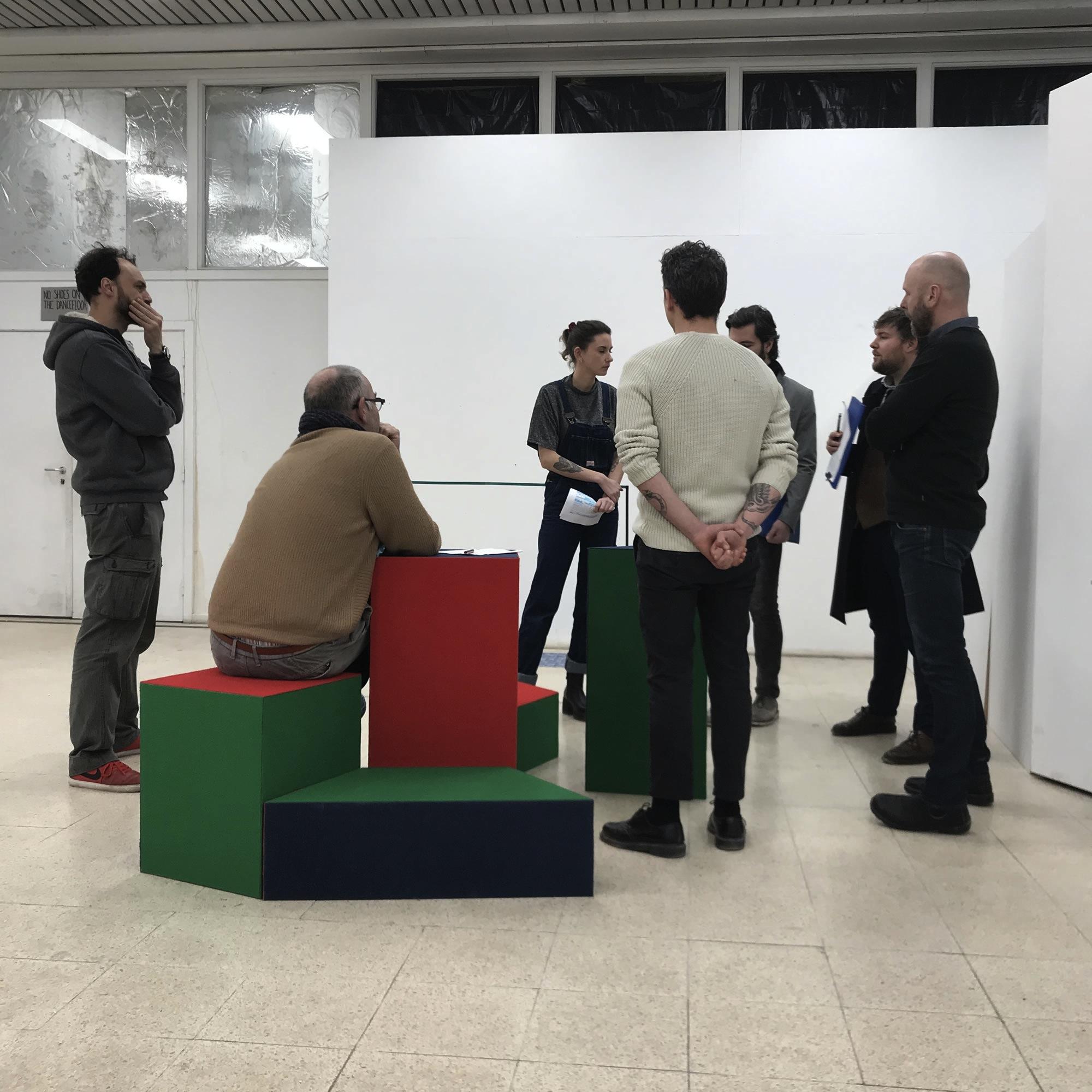
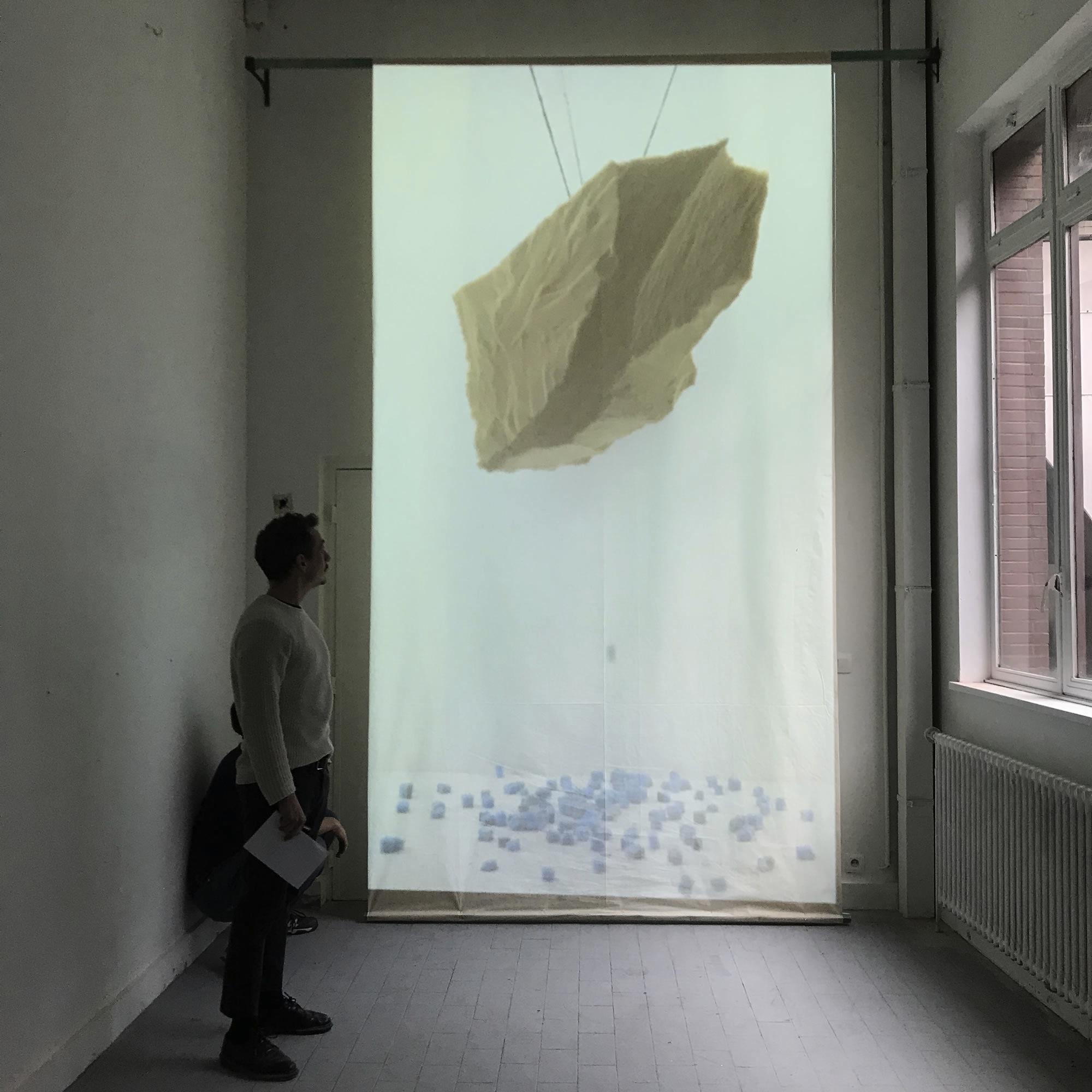
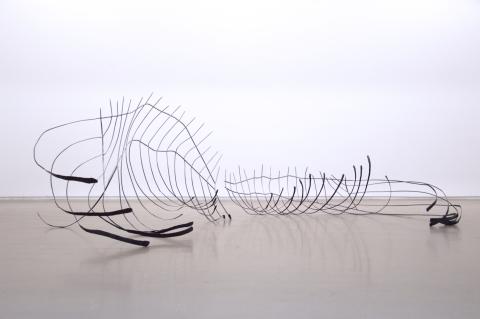
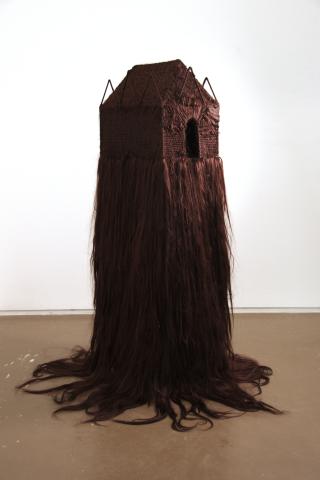
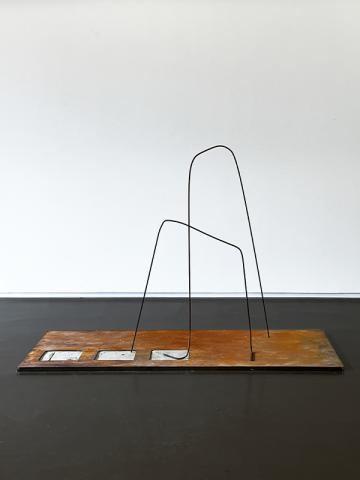
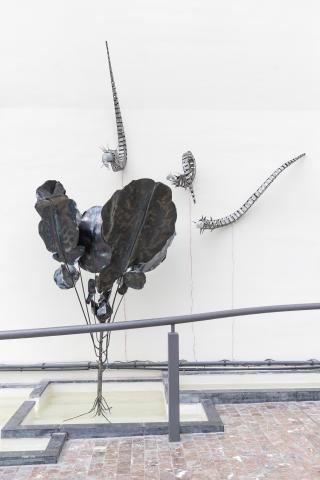
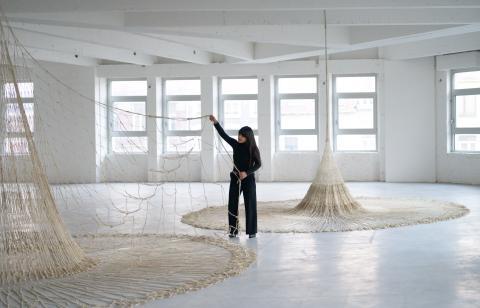
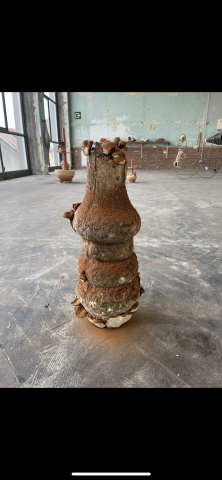
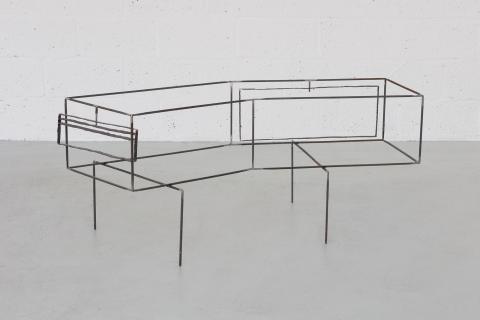
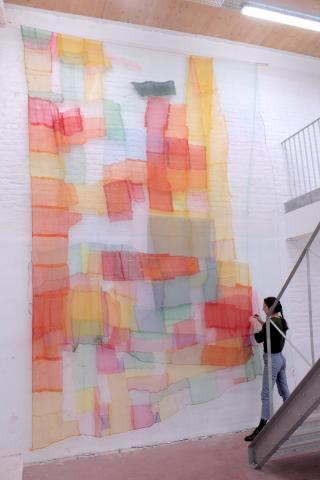
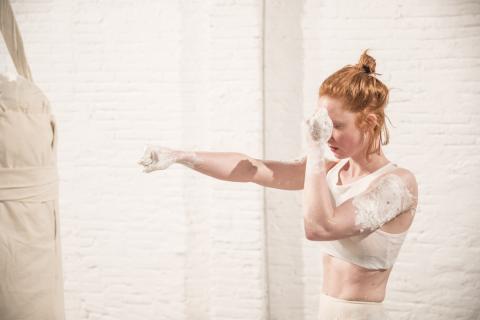
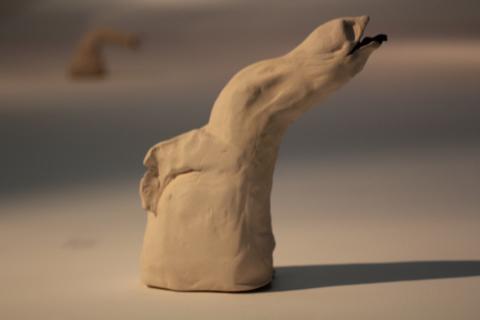
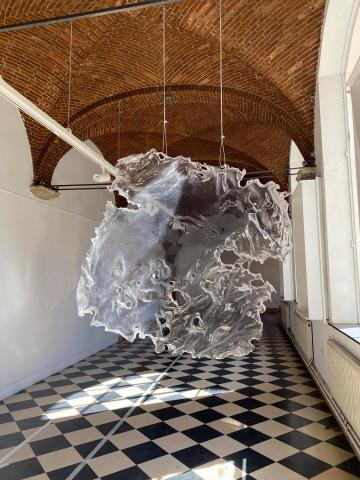
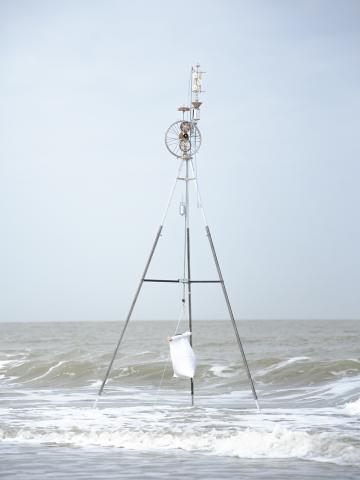
The approach to sculpture is plural, much like contemporary art itself. It has opened up to other disciplines and media (video, sound, performance, etc.). Today, sculpture is increasingly conceived in terms of installation. The object has its own autonomy, but it is also about thinking of the whole, situating it within a history, and unfolding it within a space. There is always an oscillation between installed sculpture and sculptural installation. This discipline combines form, material, and gesture in a broad sense, and questions the space in which it is placed. The relationship between meaning, plastic form, and means forms the foundation of the pedagogical reflection conducted with the students. The intertwining of these three concepts, inherent to all artistic practices, allows the singularity of an artistic path to emerge.
The educational project of the sculpture workshop enables the student to acquire the necessary skills to obtain the Bachelor's level and the Master's diploma. Over five years, the student builds and nourishes their artistic practice, which becomes an artistic project and ultimately a unique artistic problematique.
Throughout their course, the student learns to know their sensitivity so that it becomes a driving force for their work. The ambition of the workshop is to bring out this sensitive part and support the student in developing their singularity, which will allow them to assert themselves as an artist.
The training provided in the sculpture workshop at Arba-Esa combines, in the most complete and demanding way, knowledge, know-how, curiosity, and openness to the world. This knowledge allows the student to understand their interests, to build, and finally to affirm their own project.
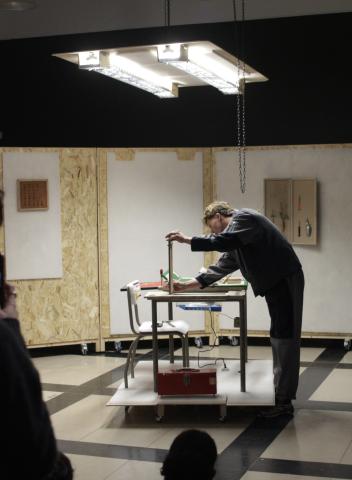
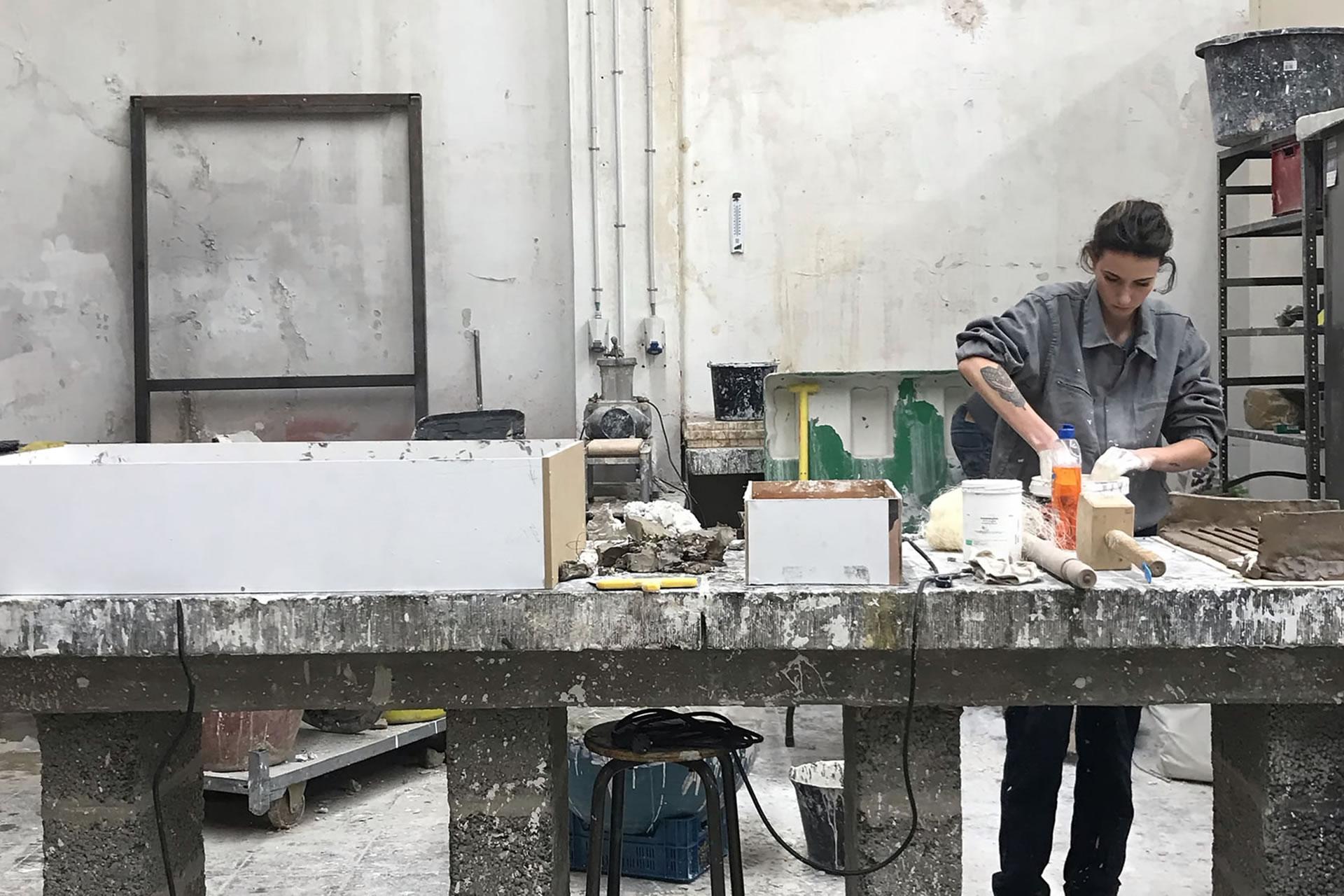
Know-how is linked to practice. The student is encouraged in experimentation and formal research. They learn to master both traditional and contemporary technical knowledge. Thus, they can appropriate the techniques necessary for the proper development of their artistic project or detach from them if it is adequate and coherent with their project and problematique.
Throughout their studies, the student develops their analytical skills and critical thinking. They will then be able to present, argue, and communicate about their work both orally and in written and documented form. They will be encouraged to adopt an open attitude towards the world and sharpen their curiosity. The multiplicity of perspectives induced by sculpture offers the viewer a unique experience that opens up different ways of seeing the world.
Indeed, there are a thousand ways to be an artist, and the school must provide all the necessary tools and confidence to evolve as freely as possible in a future professional artistic career.
Bachelor’s Degree – 180 credits – 1st cycle
The Bachelor’s program in Sculpture includes three major stages in the student’s progression.
First, the student questions the object and its components: forms and materials. They analyze the basic elements, the “vocabulary” and “grammar” of volume, in their most varied aspects. Then, they address the relationships between objects, from simple confrontation to series arrangement. Finally, the relationship to space completes this path.
The student gradually acquires practical tools (knowledge of materials, skills, and working methods) and critical tools (analysis and communication) of sculpture, applying them through assigned exercises and personal work. They progressively develop autonomy in a dynamic research attitude: handling materials and concepts, questioning their personal sensitivity, and elaborating the foundations of a coherent and individual spatial expression.
Master’s Degree – 120 credits – 2nd cycle
Within the Sculpture Master’s program, the student develops an artistic project aimed outward (exhibition, competition, installation, integration...), which is finalized in all its aesthetic, environmental, and technical components; they conceive all their proposals in terms of meaning. They apply the practical skills (materials, know-how, and working methods) and critical abilities (oral/written analysis and communication) gained during their training.
They are fully autonomous in the use of materials and concepts, and open to interdisciplinarity; they implement their artistic proposals in a singular manner.
They question their individual sensitivity and finalize a personal and coherent statement through a structured, strong, and well-rooted artistic approach and production.
The student is aware of the meaning of their project and their individual involvement, but also its collective and social implications.
PRE-REGISTRATION:
All admission applications must be submitted via the admissions portal. The website allows you to apply and upload all the necessary documents for your pre-registration.
Entry into the First Year of the First Cycle (B1)
Admission into the first year of the Bachelor's program is subject to passing an entrance examination.
The exam consists of three parts: a practical test, a research-based test, and a motivation interview during which the candidate may present a portfolio of works.
The exam is open to all applicants; no prior artistic training is required.
Entry During the Bachelor’s Program (B2 and B3)
Admission into the second or third year of the Bachelor's program at ArBA-EsA is based on an artistic portfolio.
For selected candidates, an interview and/or practical test is organized and coordinated directly by the program coordinator.
Entry into the Second Cycle (Master's Program)
Admission into the Master's program is based on an artistic portfolio.
For selected candidates, an interview is organized and coordinated by the program coordinator.
➤ Plus d'informations sur les épreuves d'admission en Sculpture
Professeur titulaire : Lucie Lanzini
Professeurs : Mario Ferretti, Alexis Remacle
Assistant : Marco de Sanctis, Pierre Daniel
Contact : sculpture@arba-esa.be
Facultad de Bellas Artes de Barcelone pour un workshop de Shell Casting / fonte d’aluminium
Workshop avec Pietro Fortuna, Elisa Bracher Franciosi
Visites d’ateliers d’artistes et d’expositions , sorties extérieurs, voyages scolaires etc... (Maac, Wiels, Middelheim, Domaine de de Mozet, Düsseldorf, Biennale de Venise, Insel Hombroich Foundation, Langen Foundation...)