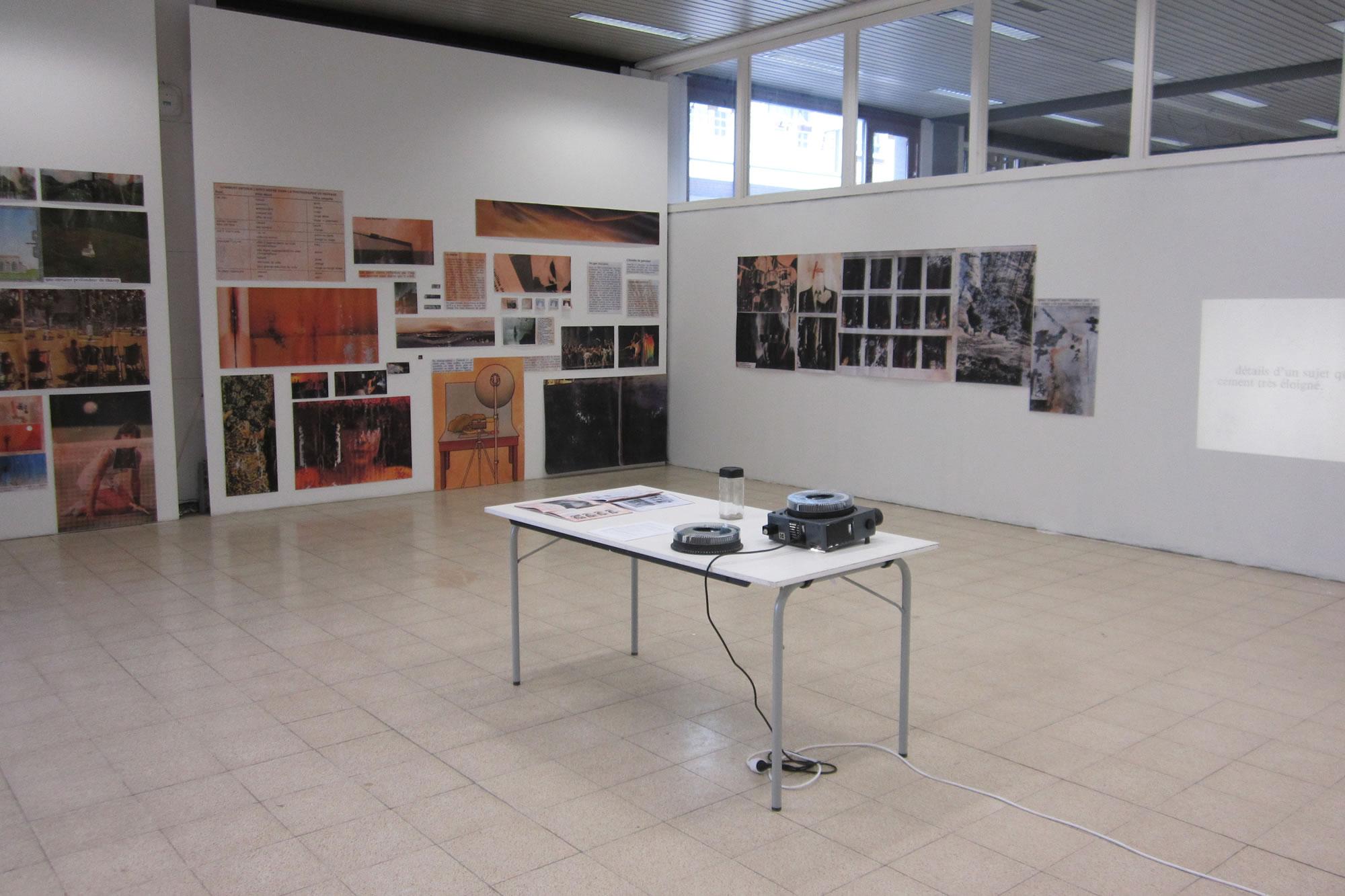
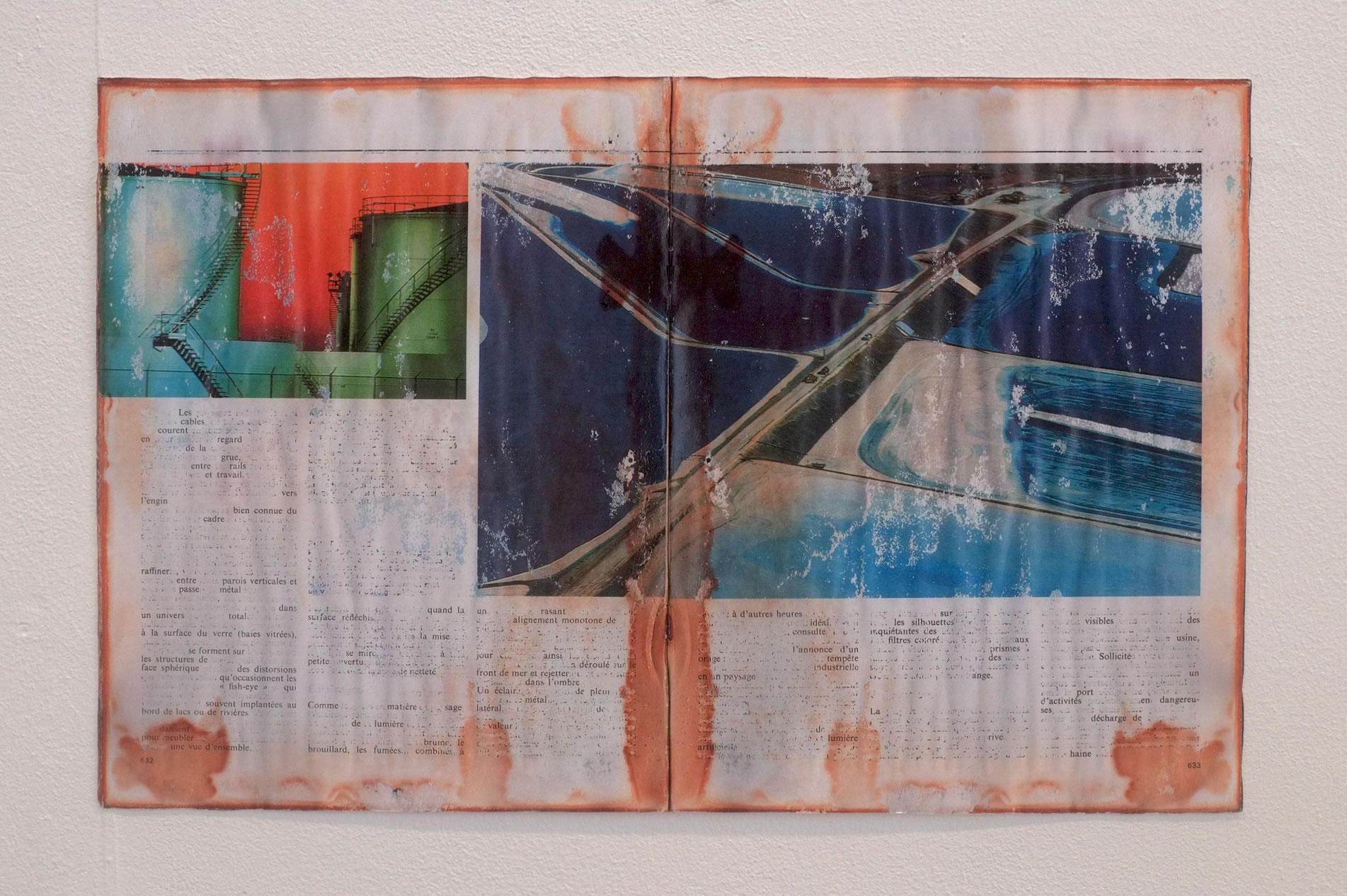
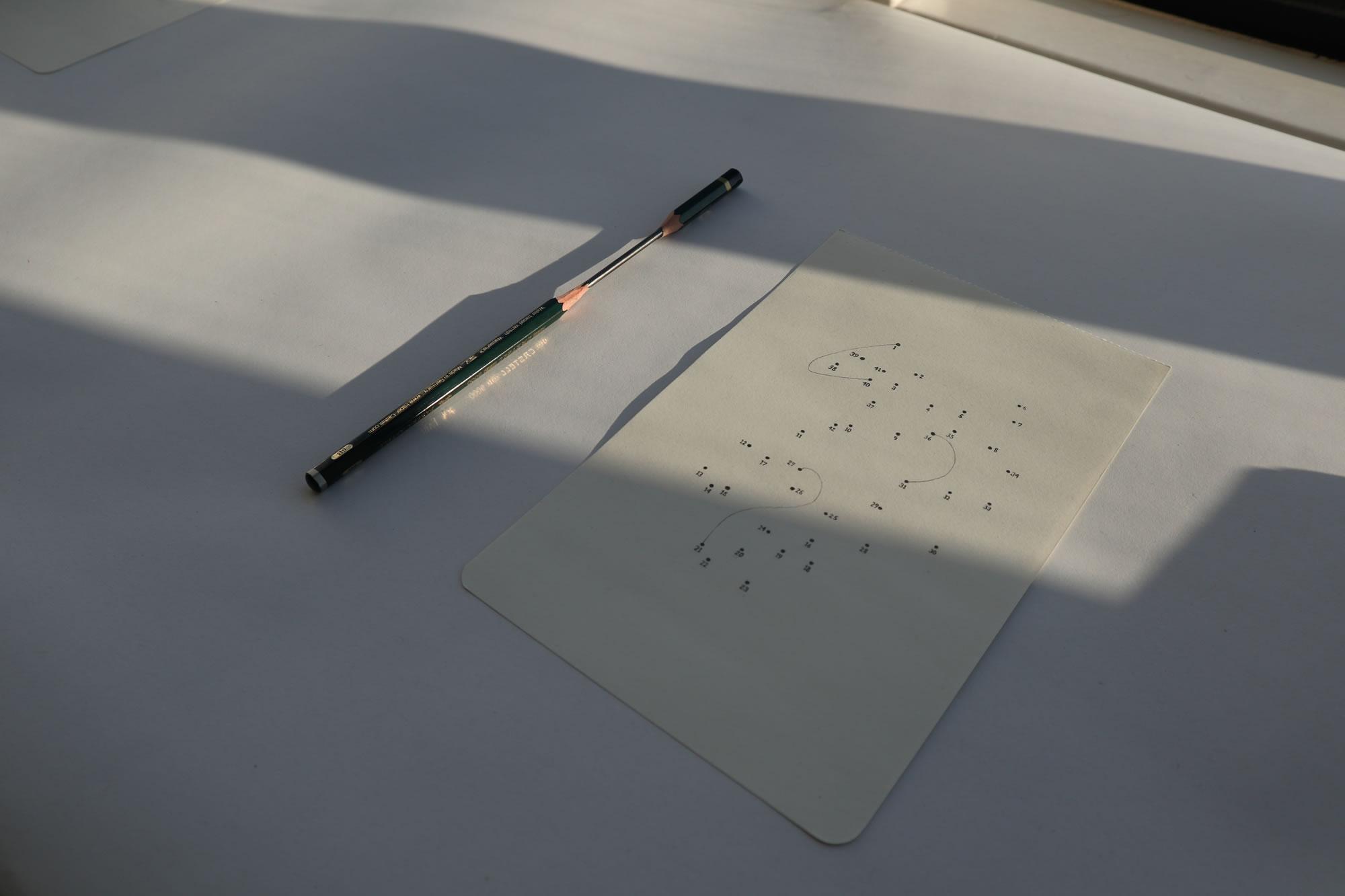
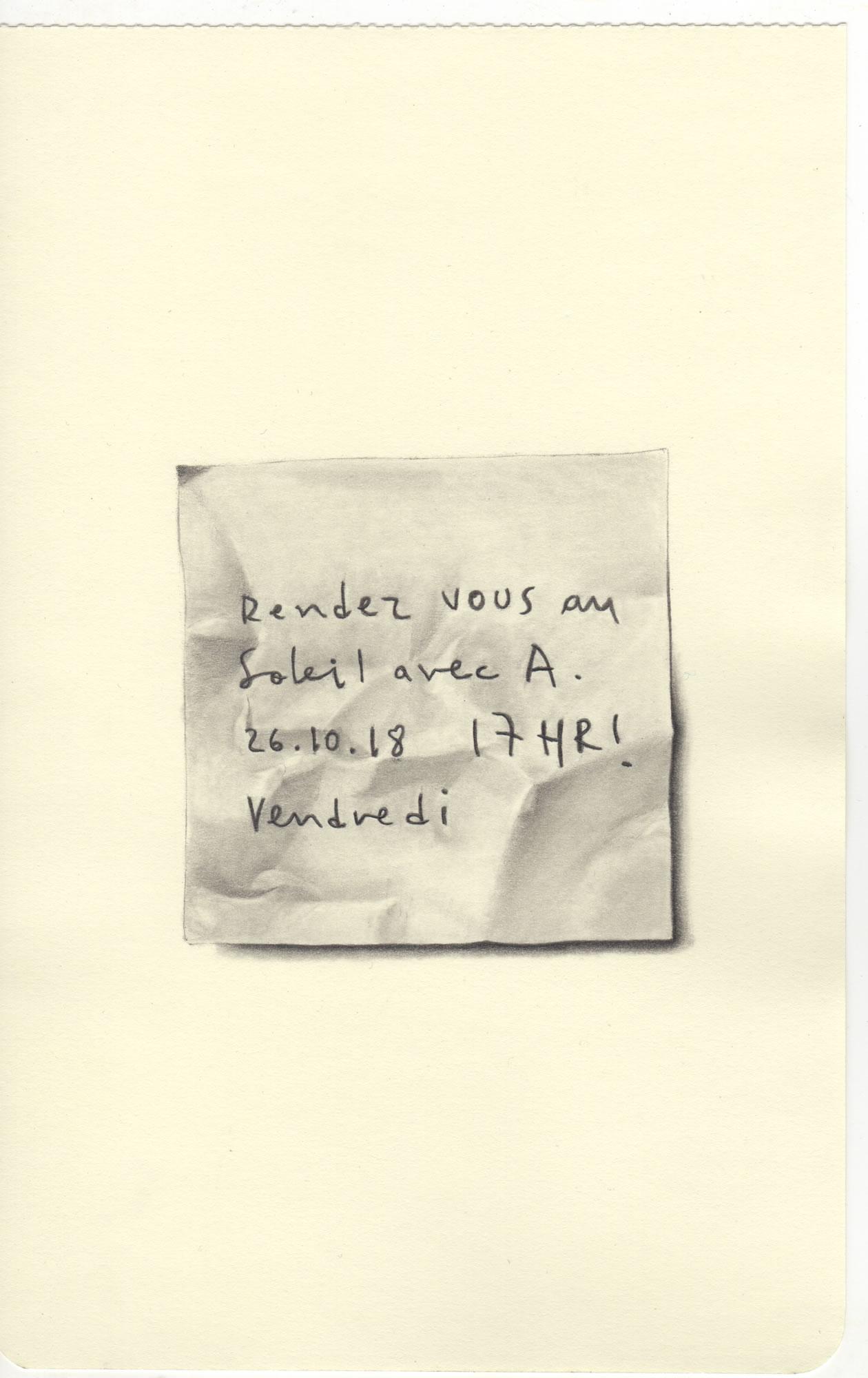
Drawing
“As if the purpose of the work of art were to show that which cannot be seen.”
Gérard Wajcman, The Object of the Century
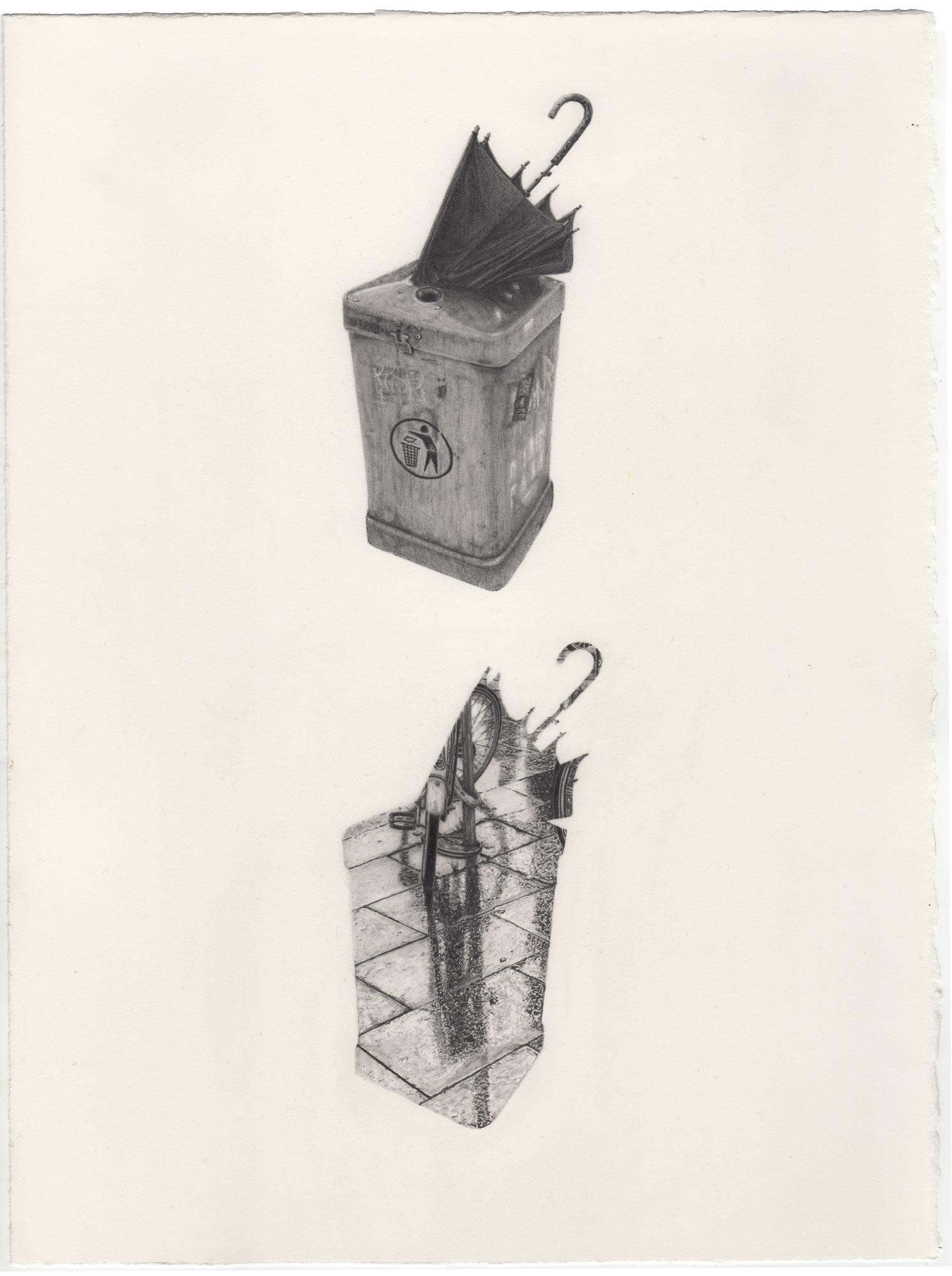
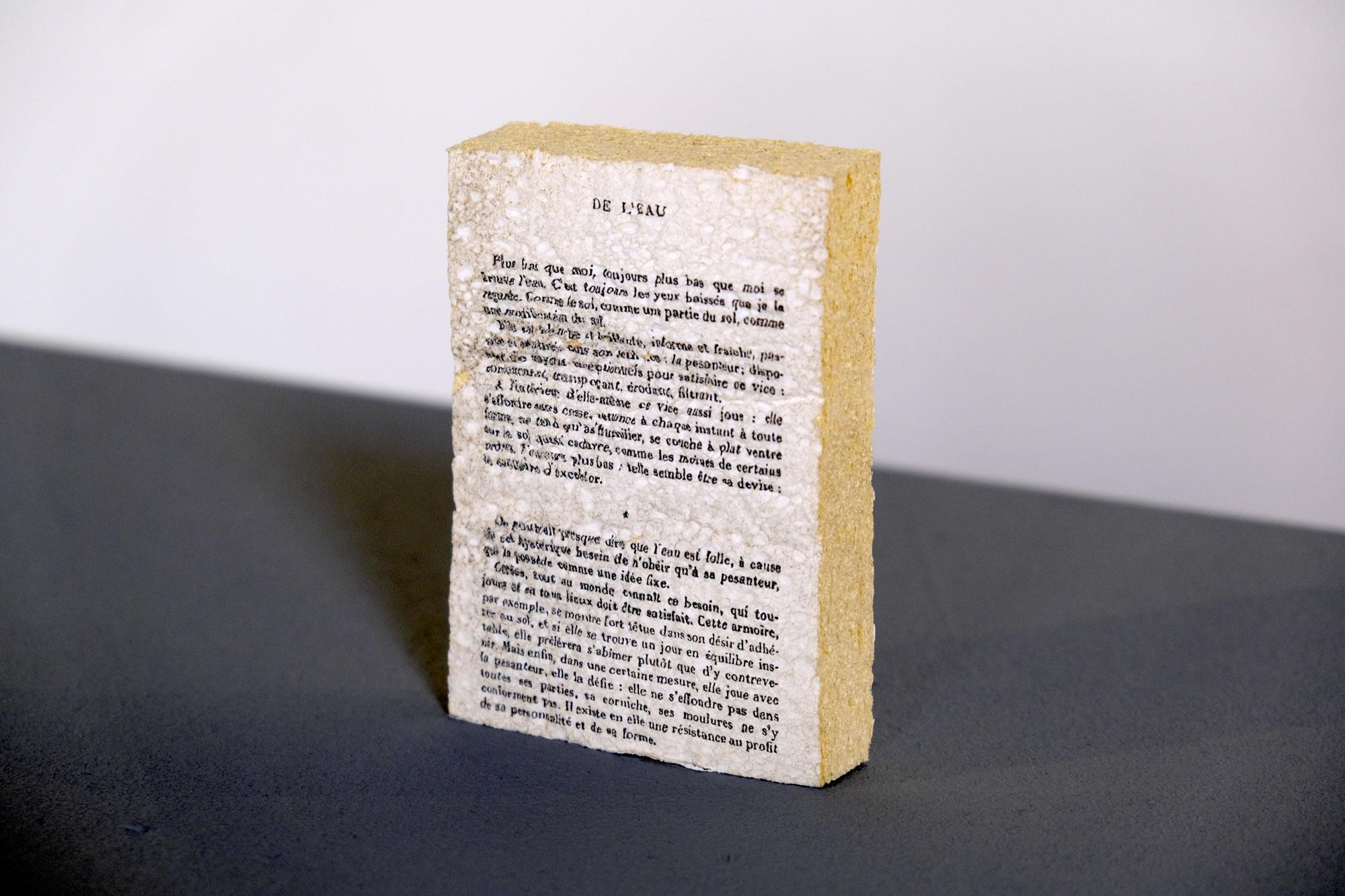
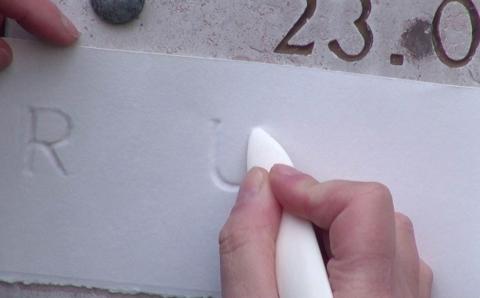
Caught in a perpetual state of incompletion, drawing retains a trace of its historical relationship to the sketch in that it is more about a beginning than an end. It is conceived and developed inseparably from its support. As an opening space for the image, the sheet of paper, far from being neutral, is extremely active. Paper is sensitive, and its fragility seems to resonate with that which inhabits the creative subject. This has an effect on the latter who, far from being the master of the game, establishes a sensual relationship with the support. They draw with it, rather than on the sheet of paper — an indiscipline of the paper and an indiscipline of the drawing.
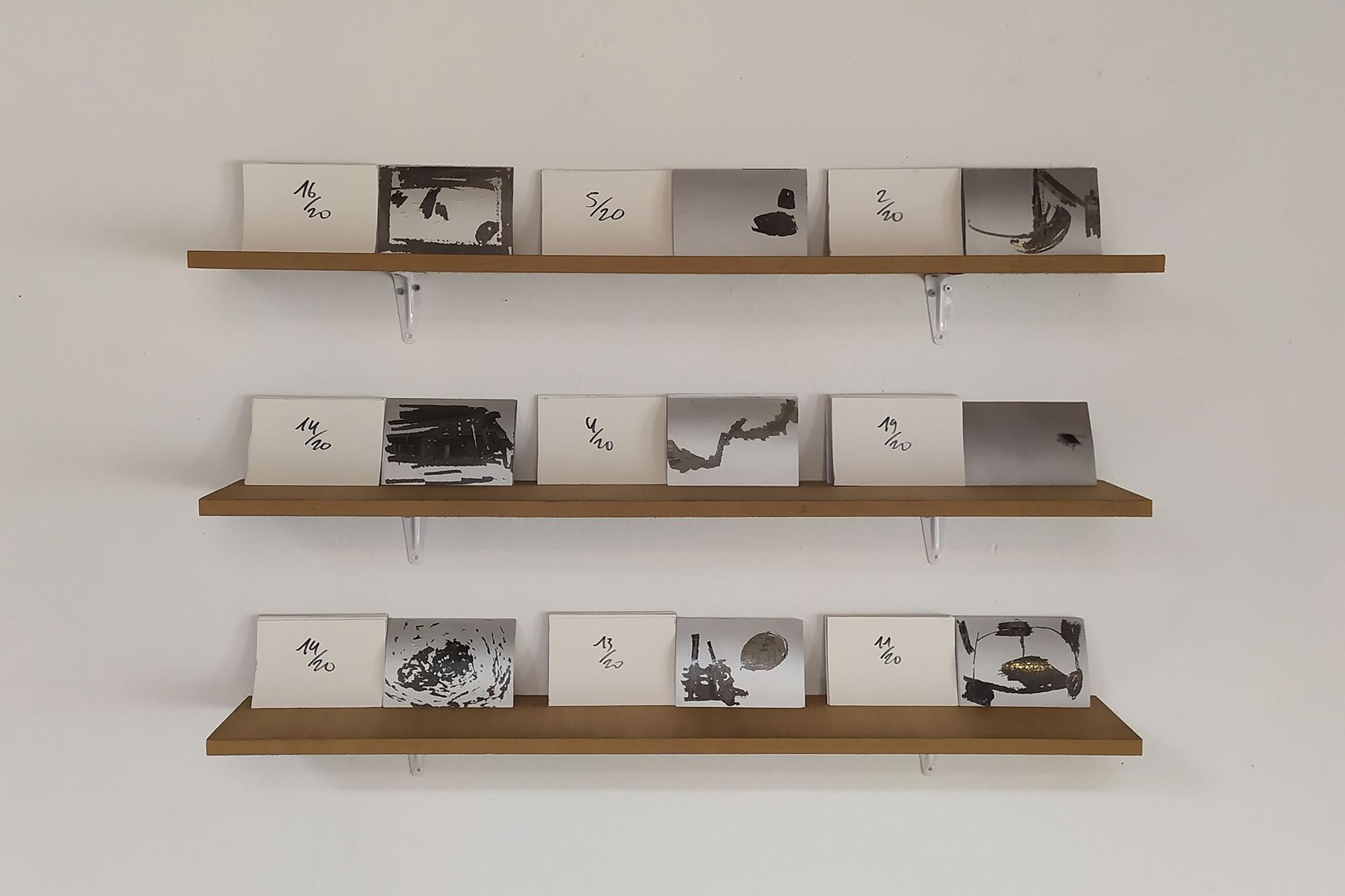
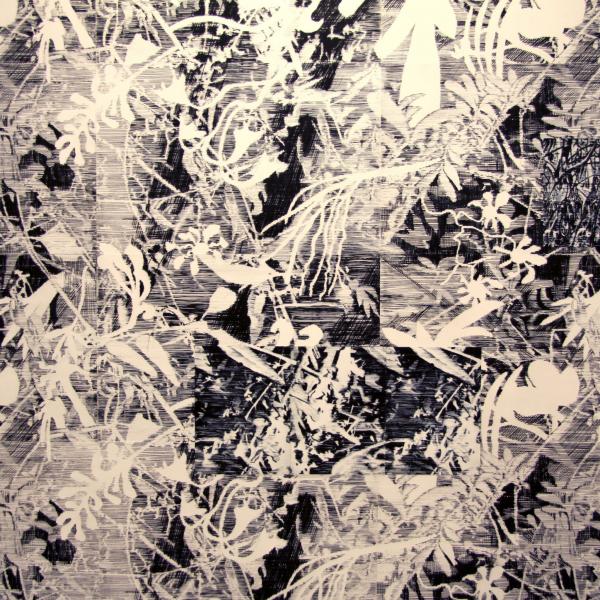
Undisciplined, inconsistent, drawing refuses to be defined. Polymorphic and exploratory, it can be conceptual, diagrammatic, performative, narrative, or even engage with installation. We are interested in drawing as a language — a language that defines itself progressively as it emerges.
A place for experimentation and exchange, the workshop fosters a reflective dynamic. The aim is to engage in a personal approach while sharpening the theoretical tools necessary to deconstruct common discourses, analyze contemporary creative practices, and understand current issues. These tools will allow the development and establishment of an artistic, critical, and discursive practice in the world.
BACHELOR 180 CREDITS 1ST CYCLE
Open and curious about contemporary artistic activity, the student is introduced to drawing during the first three years. The first cycle enables the articulation of the beginnings of a singular artistic approach and prepares the presentation of their work within the ecosystem of current arts. The aim is to develop the practice both in its plastic dimension and its discursive aspect (a precise and appropriate vocabulary as well as all elements contributing to the presentation of the work: portfolio, website, CV).
The research time in the studio is organized around a dual learning process that relies, on one hand, on observational work and, on the other, allows the development of a singular research. Each student’s graphic language is built and becomes more complex thanks to the many back-and-forths woven between these two learnings. Work on motifs is varied but mainly consists of intensive practice of drawing from a live model.
Students’ research and work proposals are at the center of our exchanges. The first three years address the same issues within an open and shared studio space.
A personal approach often emerges during the third year, as a consequence of the research work that develops, nourished by different precise questions proposed to first-cycle students. Paradoxically, it is the sharing of these questions that allows the emergence of singular positions and proposals. An academic year is structured around 5 or 6 issues, each opening with a round table where a set of text excerpts from different fields of art and thought—philosophy, aesthetics, literature, poetry, artists’ writings—are analyzed and discussed together. The student deconstructs stereotypes. They sharpen their tools and reflection related to drawing practice.
By the end of the third year, the student demonstrates the development of a sensitive, complex, and singular plastic vocabulary. They have acquired critical thinking and are able to analyze the issues involved in their work and connect their practice with contemporary artistic practices. They have independently initiated a research problem and developed the beginnings of a personal approach and position.
MASTER 120 CREDITS 2ND CYCLE
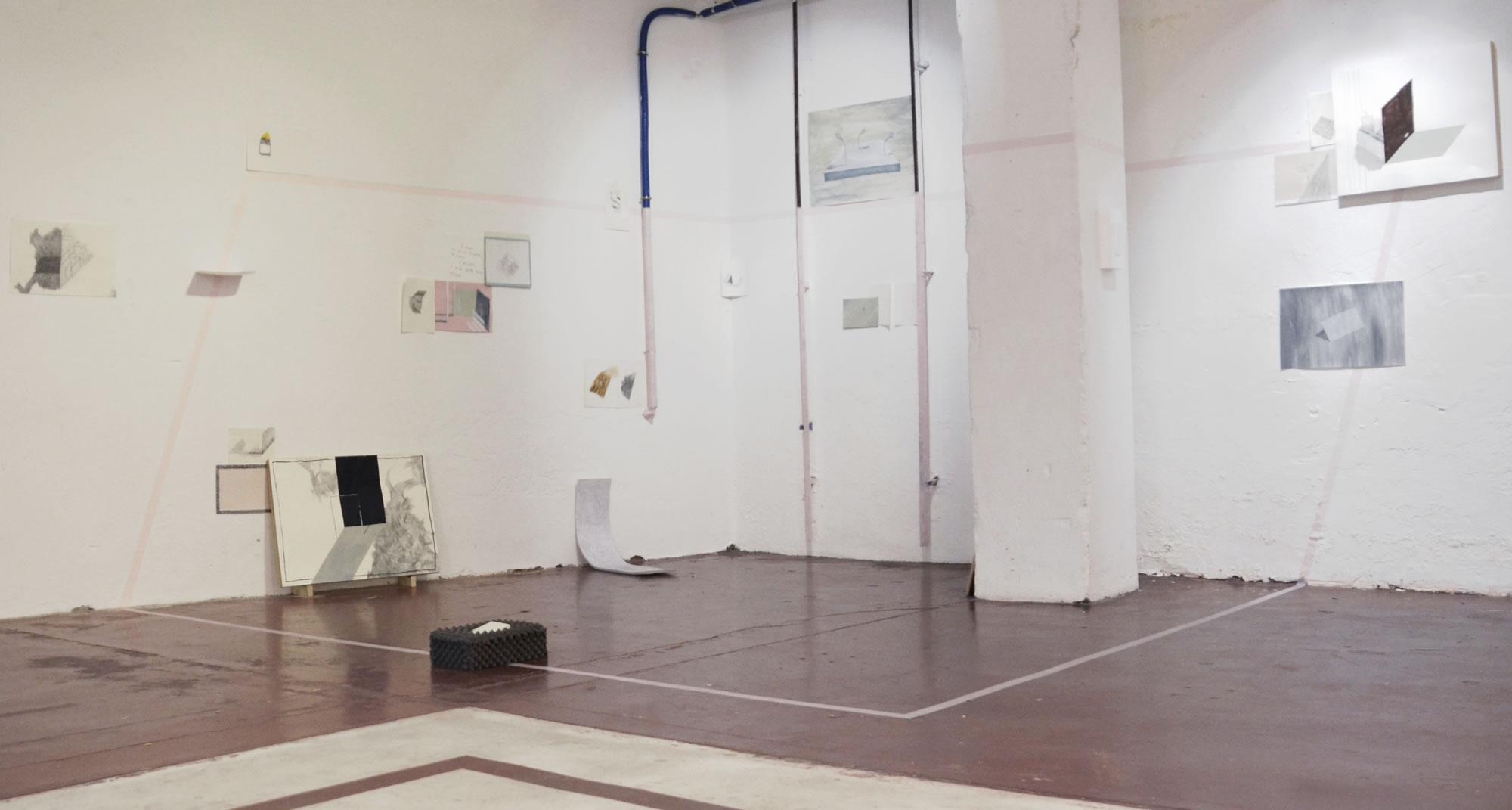
The goal is to maintain focus on the research dimension of the plastic work, its inscription in the world, and its professionalization. It involves taking a position and being attentive to how the work is presented to the viewer. The student takes into account the conditions of exhibition, spatialization, and contextualization of their work, aware of the interaction between the means employed and the emergence of meaning. In Master 1, a collective project led by a guest artist will culminate in an off-site publication and/or exhibition. We expect that by the end of their training, the student can be autonomous both regarding issues related to the development of their work and to its publication or exhibition. In Master 2, we encourage and support students to finalize their path with a jury/exhibition outside the school.
The follow-up of each student’s research is “tailored” according to the coherence and singularity of the work. These exchanges take place within a collective dynamic of discussing works as well as external objects chosen by the students (artworks, texts, societal issues—economic, political, ecological—that matter to them) to advance the different stakes. Students debate and affirm their positions.
The work is enriched by transversal artistic practices, following each student’s own path. Broadening the scope of their practice allows questioning the definition of drawing and its boundaries.
PRE-REGISTRATION:
All admission applications must be submitted via the admissions portal. The website allows you to apply and upload all the necessary documents for your pre-registration.
Entry into the First Year of the First Cycle (B1)
Admission into the first year of the Bachelor's program is subject to passing an entrance examination.
The exam consists of three parts: a practical test, a research-based test, and a motivation interview during which the candidate may present a portfolio of works.
The exam is open to all applicants; no prior artistic training is required.
Entry During the Bachelor’s Program (B2 and B3)
Admission into the second or third year of the Bachelor's program at ArBA-EsA is based on an artistic portfolio.
For selected candidates, an interview and/or practical test is organized and coordinated directly by the program coordinator.
Entry into the Second Cycle (Master's Program)
Admission into the Master's program is based on an artistic portfolio.
For selected candidates, an interview is organized and coordinated by the program coordinator.
➤ Plus d'informations sur les épreuves d'admission
Professeur titulaire : Amélie de Beauffort
Assistant·e : Axel Fourmont
Chargé d'enseignement : Laurent David
Professeur : Miquel Mont
Contact : dessin@arba-esa.be
- Miquel Mont, artiste invité (projet de Master)
- Sarha Huby , artiste invitée (workshop B2/B3)
- Sandra Plantiveau, artiste invitée, Workshop pratique de l’exposition M2
- Workshop intercursus, Paysage, Master 1 & 2 (Care, Isac, Dessin)
- Jean Arnaud, artiste invité, L’art et la dynamique du vivant, ws B1, B2, B3 2020
- Institut royal des Sciences Naturelles de Belgique (workshop)
- Sandra Plantiveau, artiste invité, Workshop M2, pratique de l’exposition
- Laetitia Gendre, artiste invité, Workshop Tracer, capturer, filmer le dessin, (B2 et M1), 2019
- Laetitia Gendre, exposition-restitution du Ws B2 - M1 : De A à B et au-delà, Maac 2020
- Fried Patterns (exposition) Brussels Gallery Week-end, 2019
- Drawing by numbers, exposition, Brussels Drawing Week, Arba-EsA, octobre 2019
- Mélanie Berger, artiste invitée éditions 1/1 et ÉCART/TRACE, M1&M2 Greylight Projects
- Programme délicat, expo / jury Dessin et Arts Jurys Master 1 & 2 Arts Textiles, 2019, La Vallée
- R2D2, exposition M1 Dessin et Master Care, 2018
- Pierre Baumann, artiste invité, Ave Robert, workshop 2019, B2&B3