Urban space - ISAC
The body as a tool for reflection and creation.
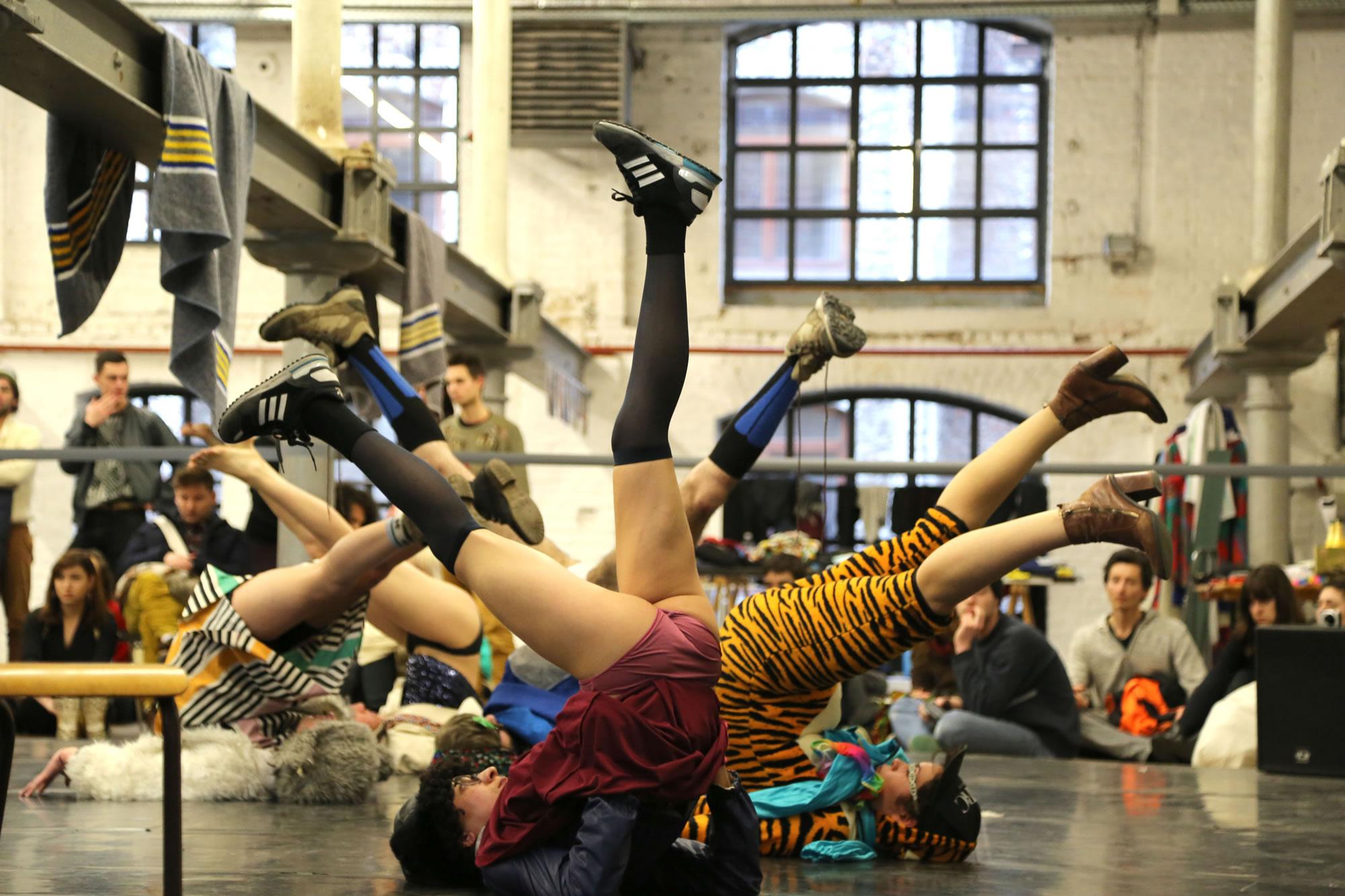
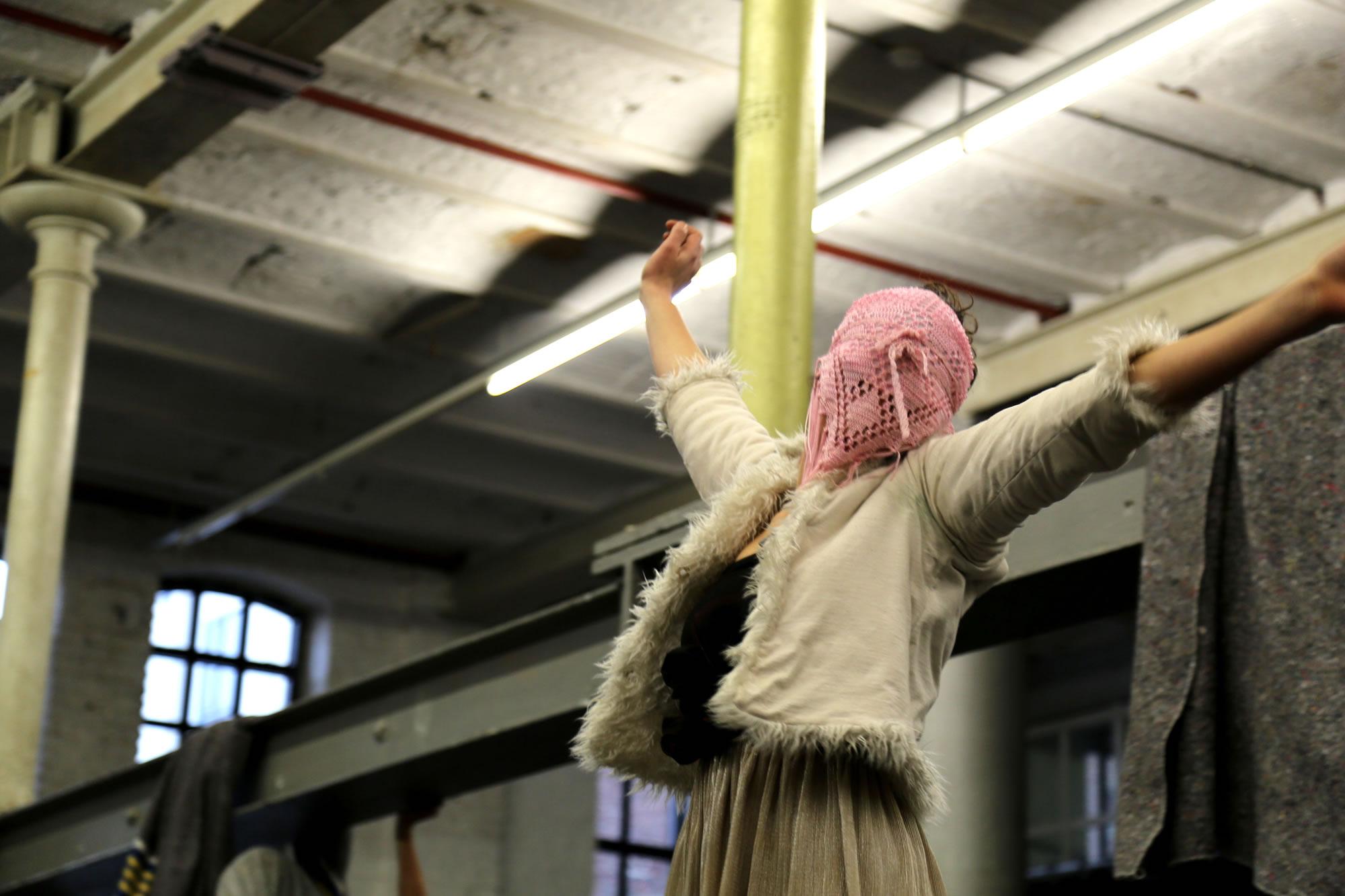
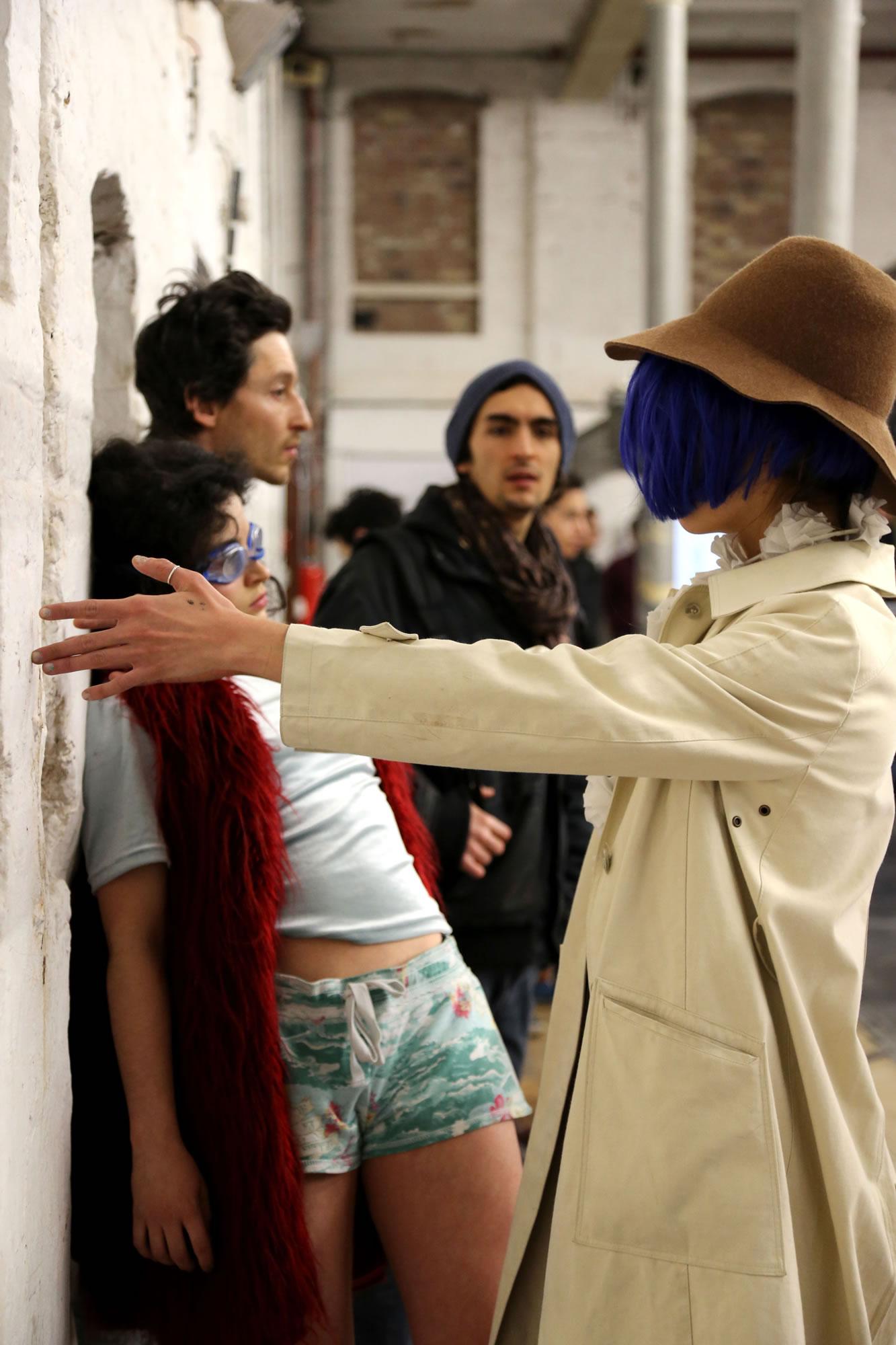
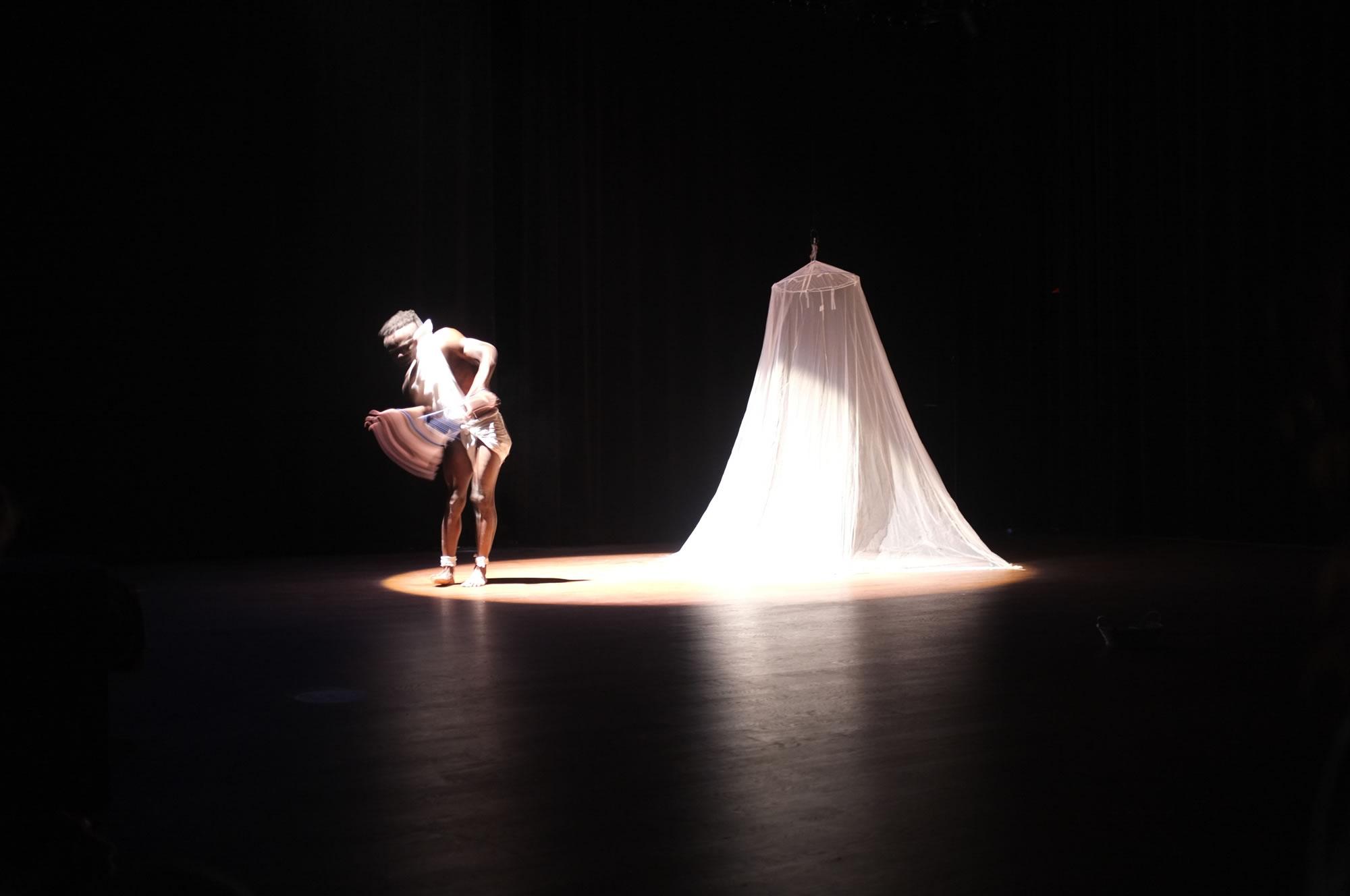
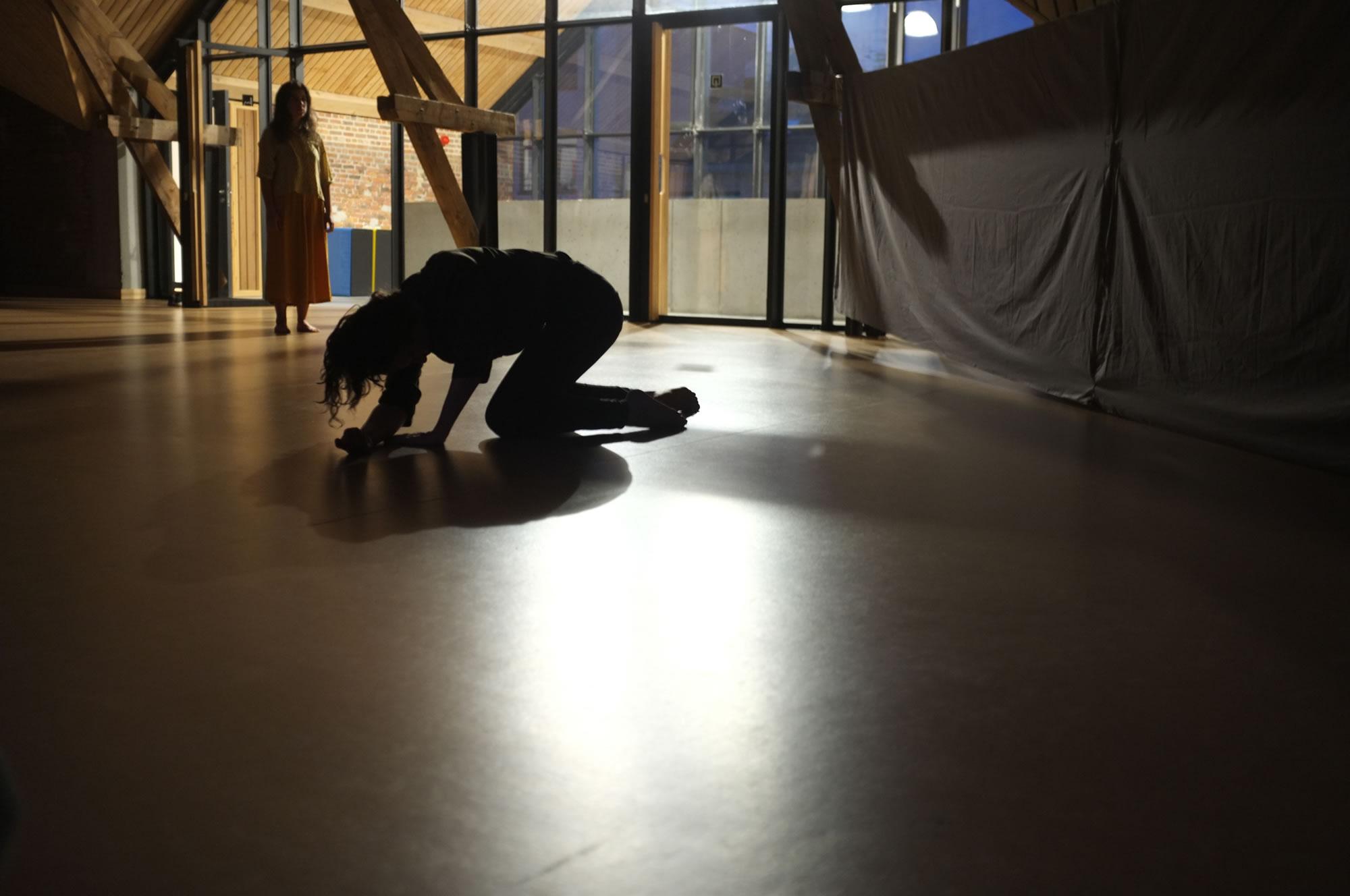
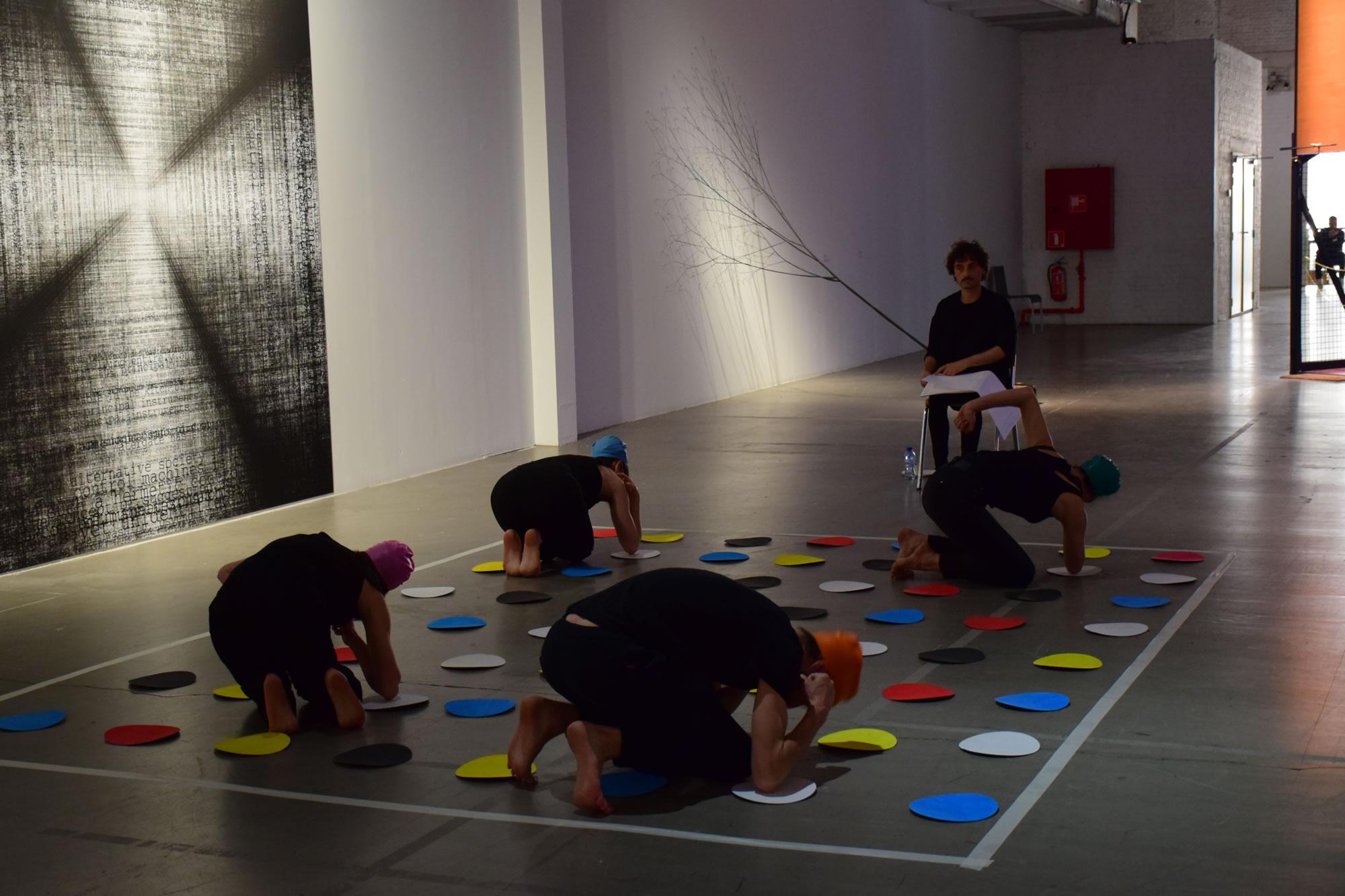
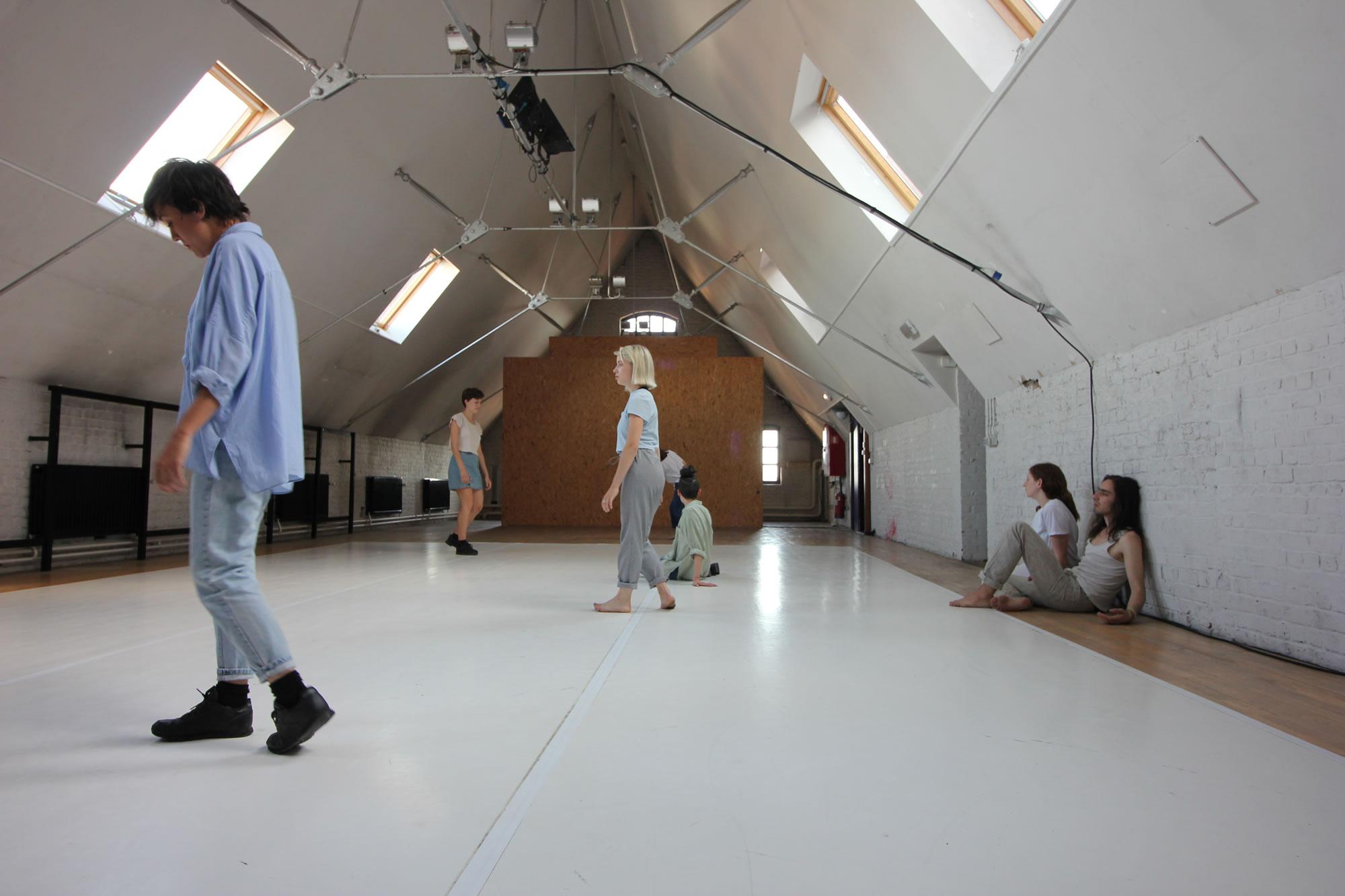
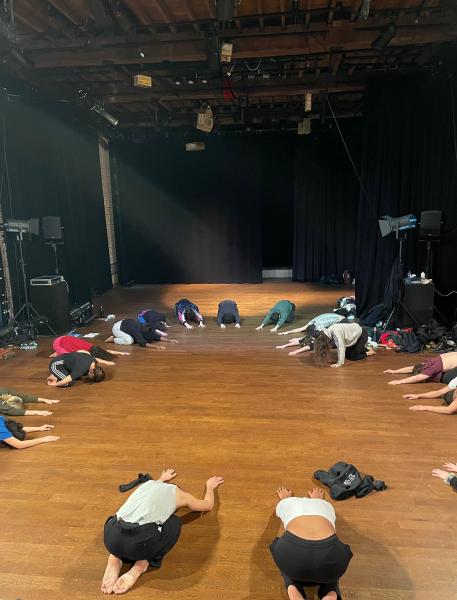
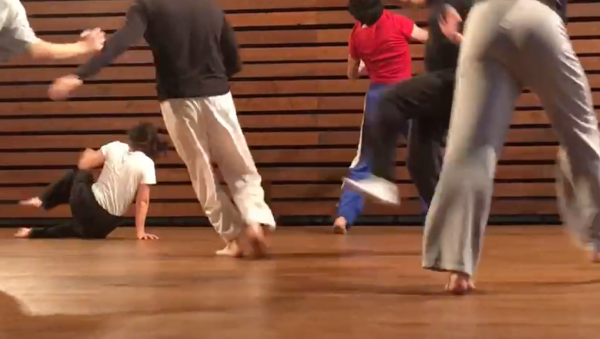
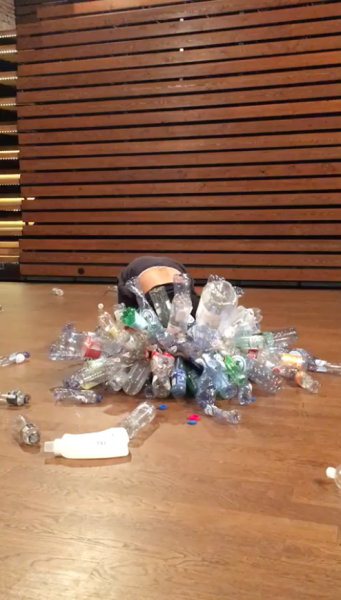
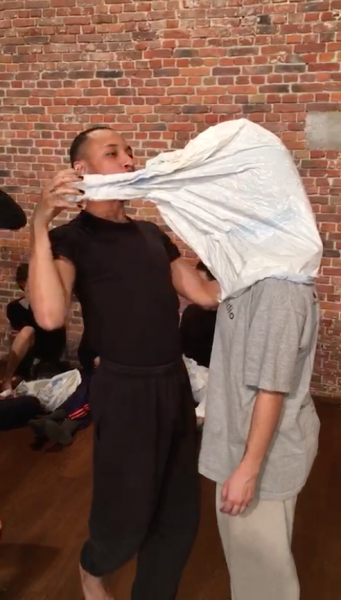
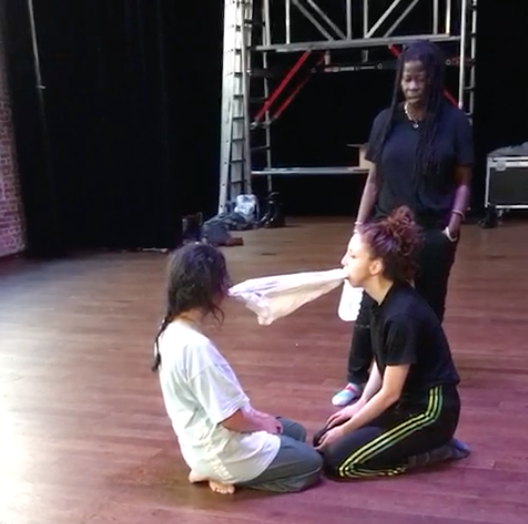
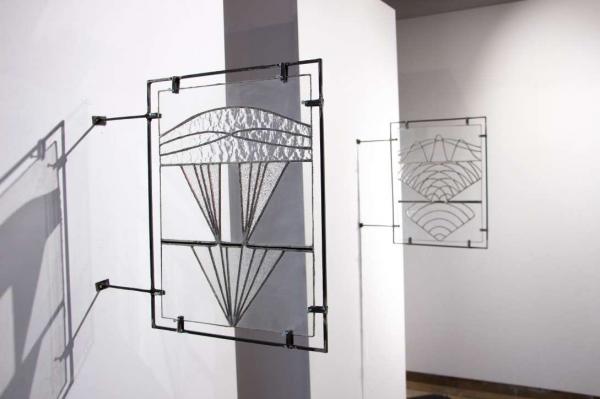
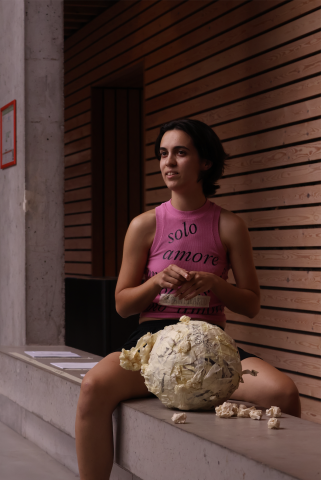
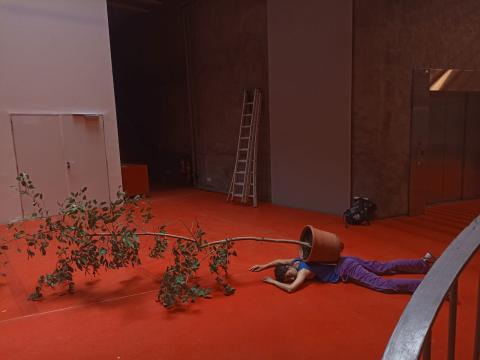
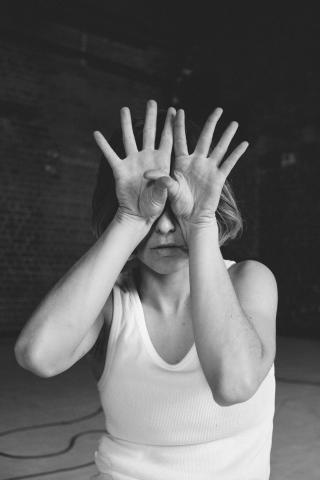
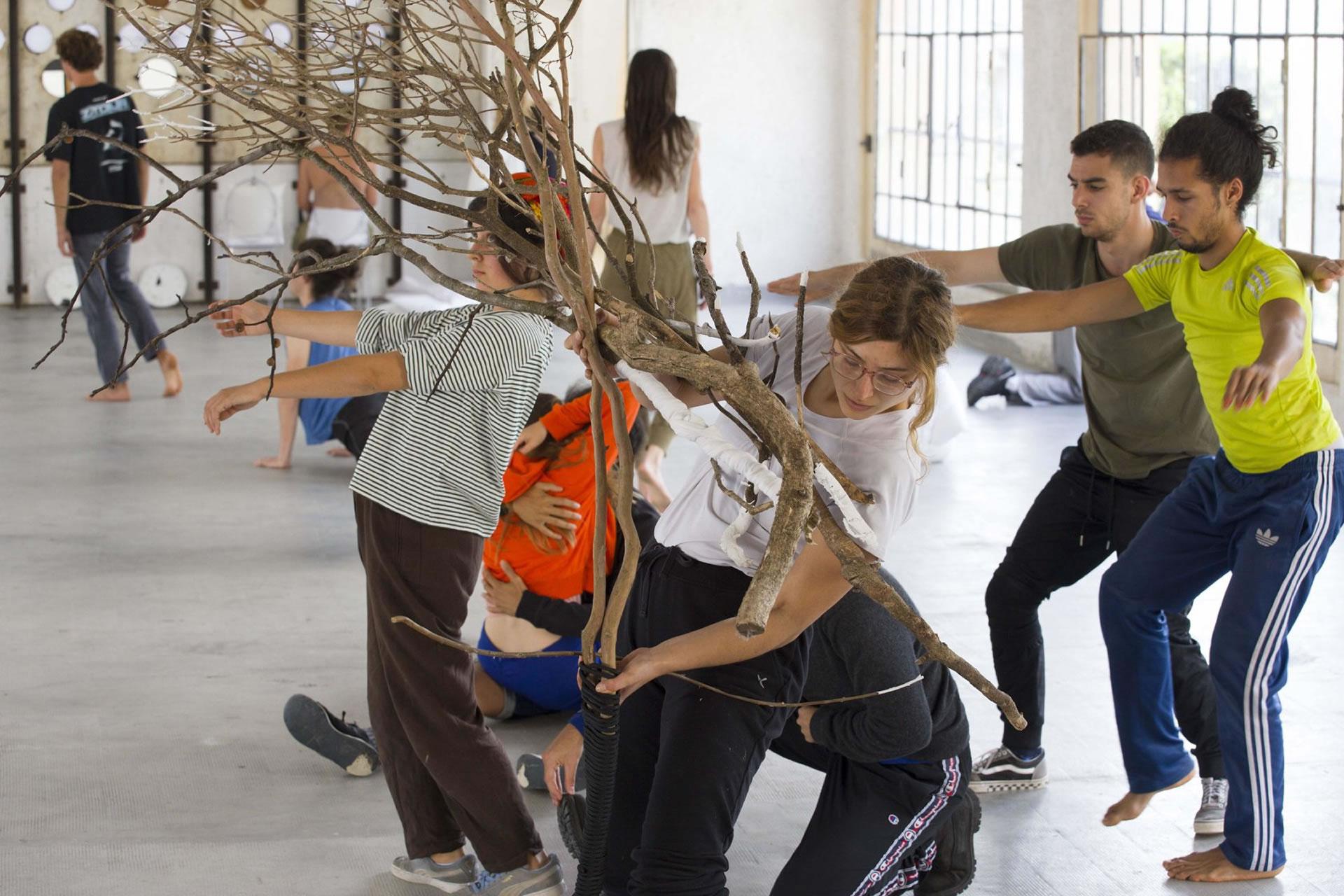
At the crossroads between performing arts and visual/plastic arts, the Urban Space program – Higher Institute of Arts and Choreographies offers a framework of (un)learning and research for emerging artists to explore body and dance practices as the main medium of expression and as tools for physical and theoretical research. The proposed approach addresses choreographic questions in a broad and multifaceted sense, aiming to allow the emergence of new visions, forms, and understandings.
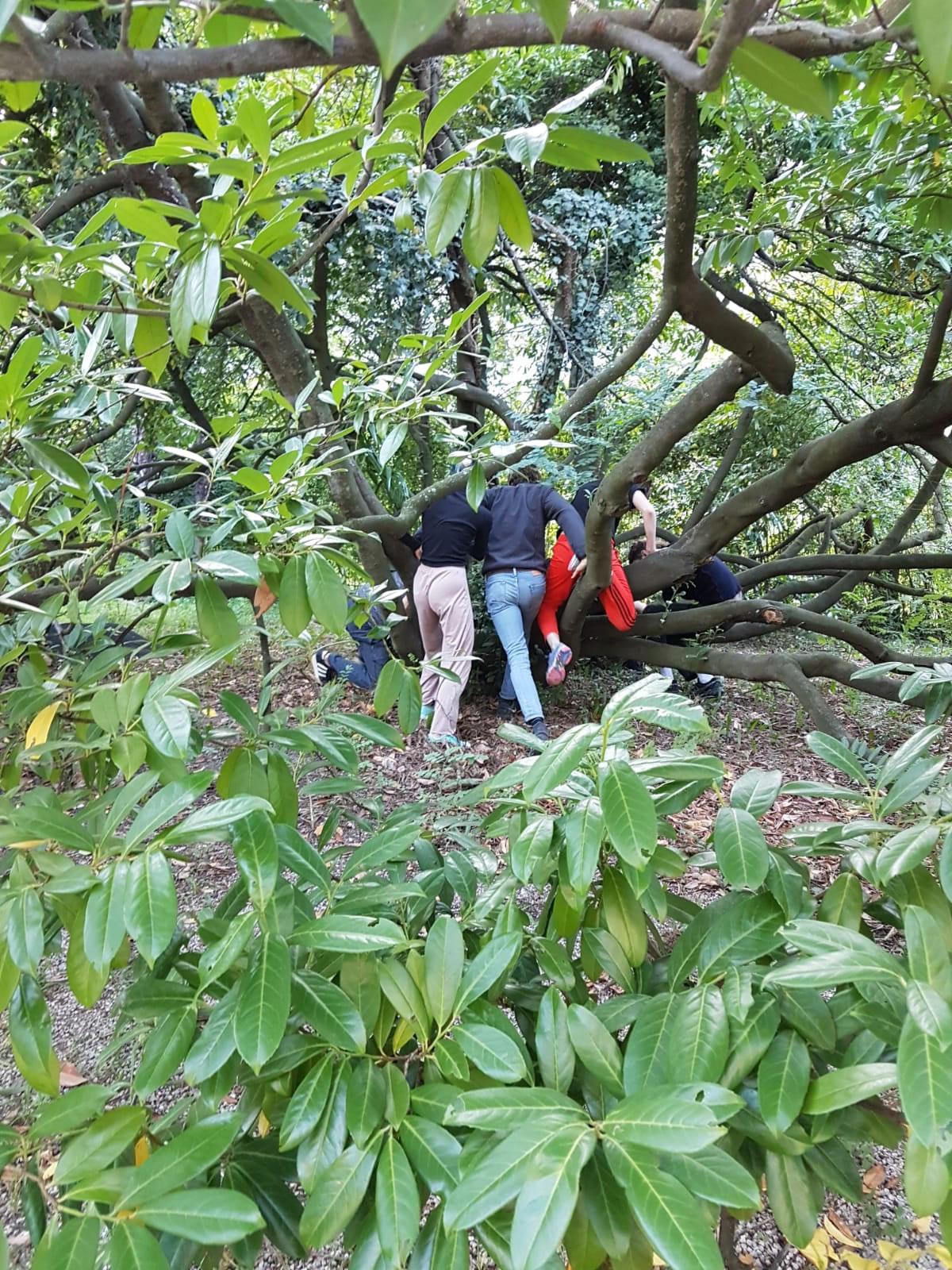
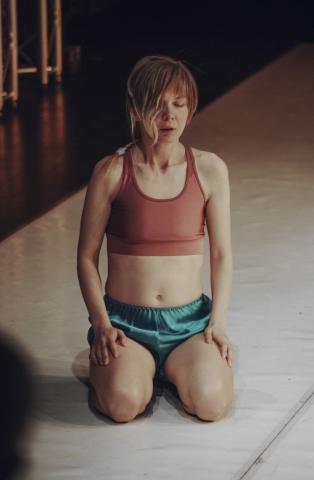
The training seeks to generate spaces where bodily experiences serve as viewpoints of the worlds we shape and that shape us. The body becomes both a tool for reflection and art, an experience contributing to the shaping of the present.
SYNERGIES BETWEEN SINGULARITIES
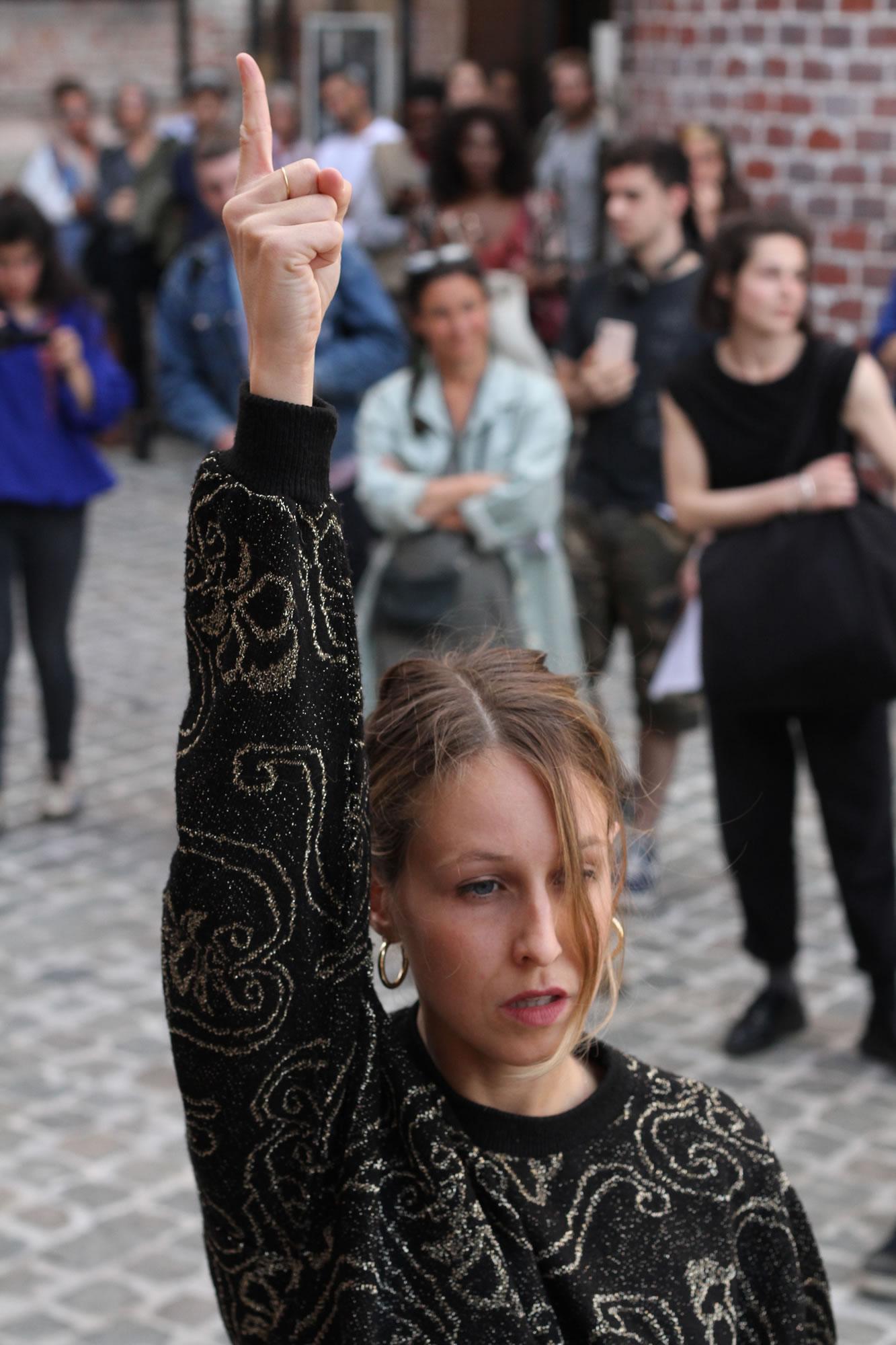
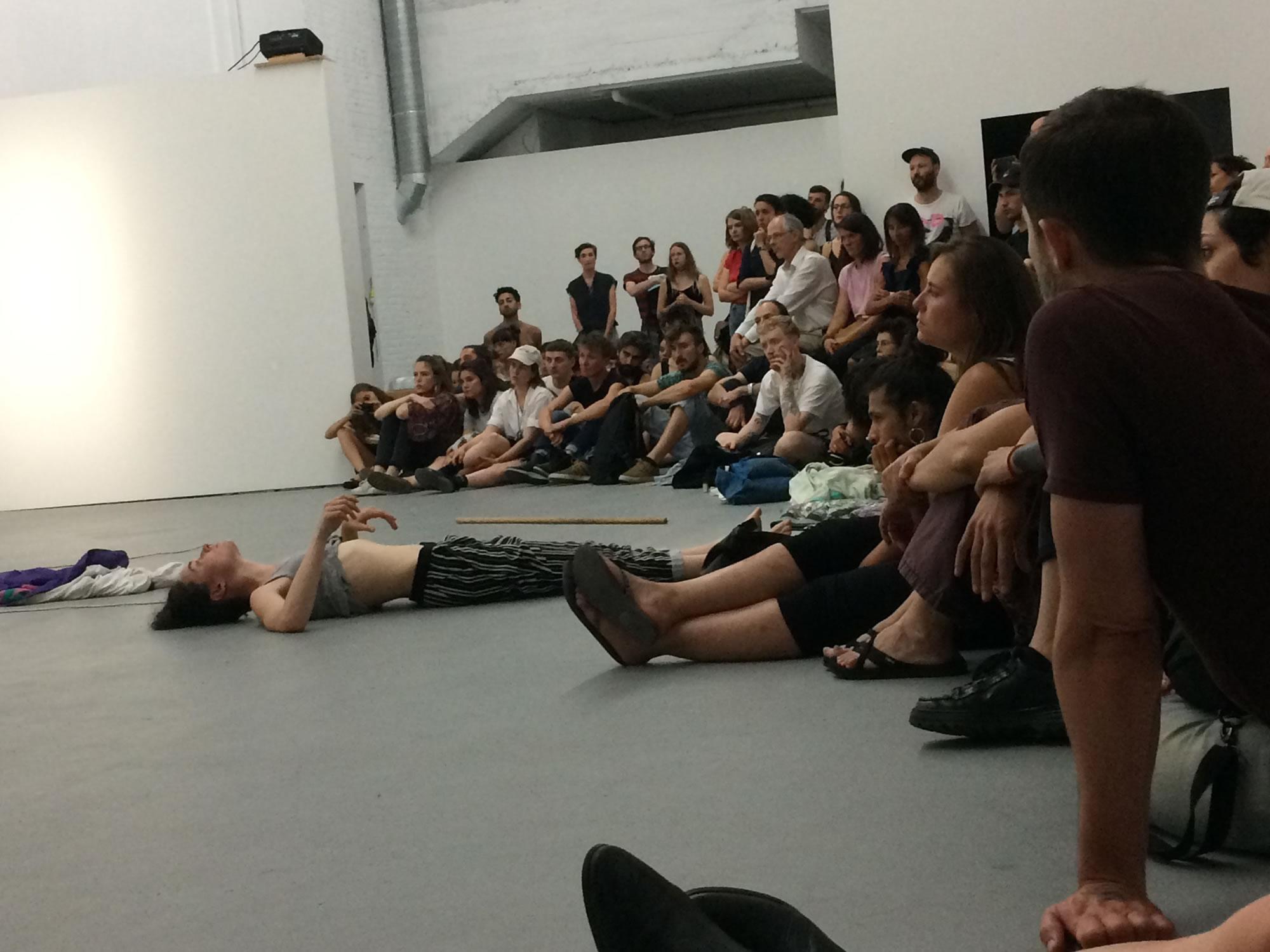
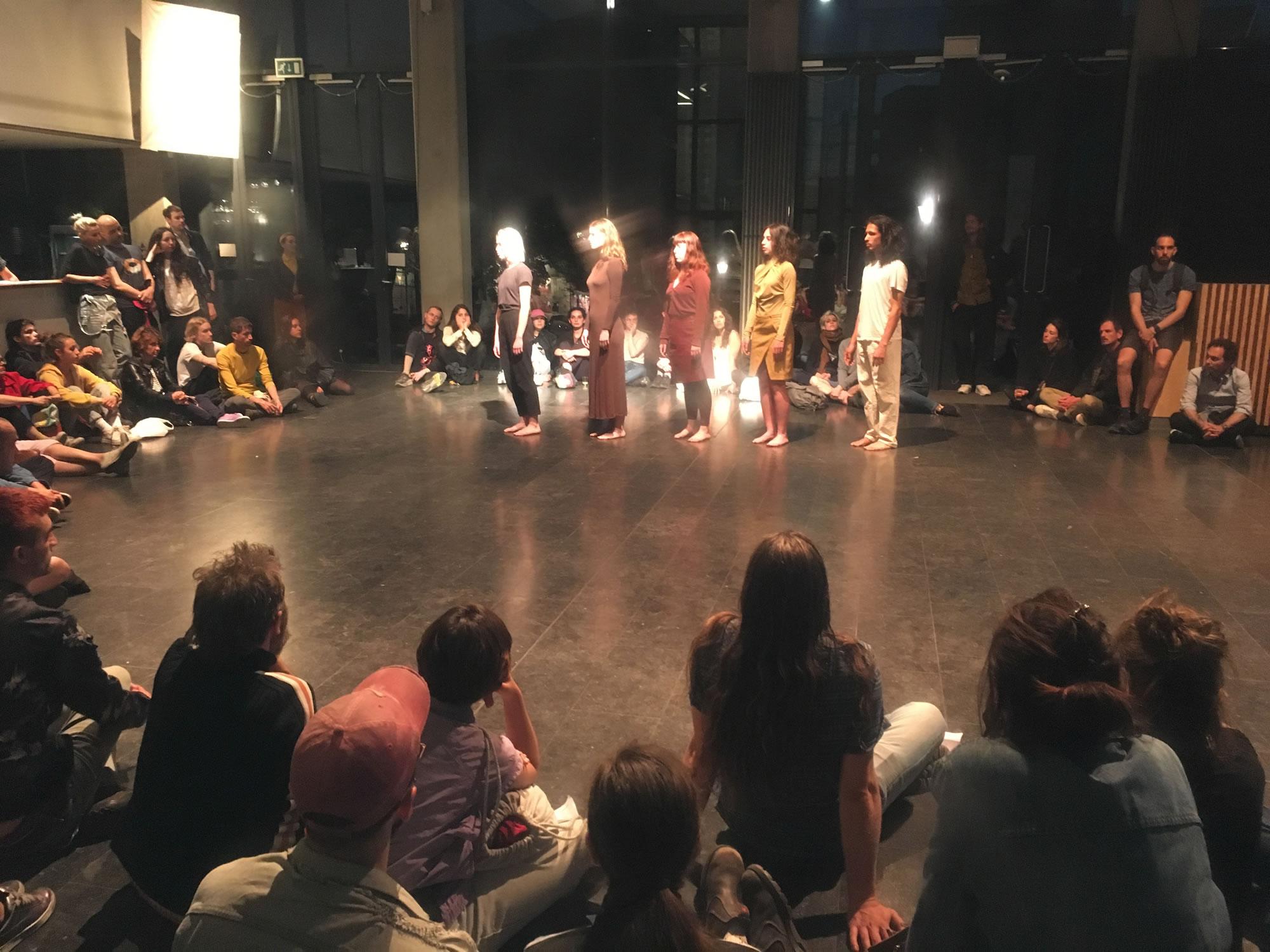
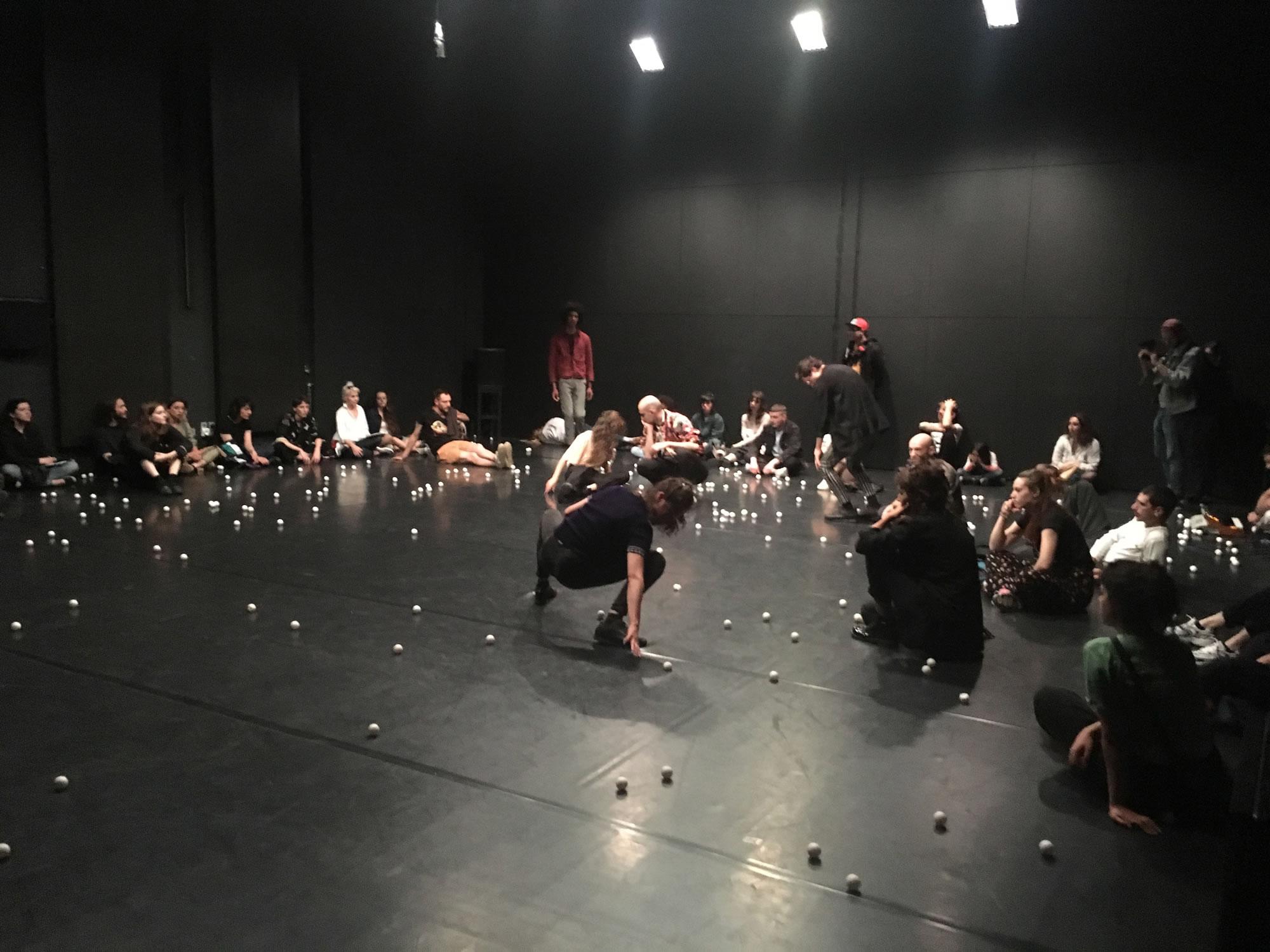
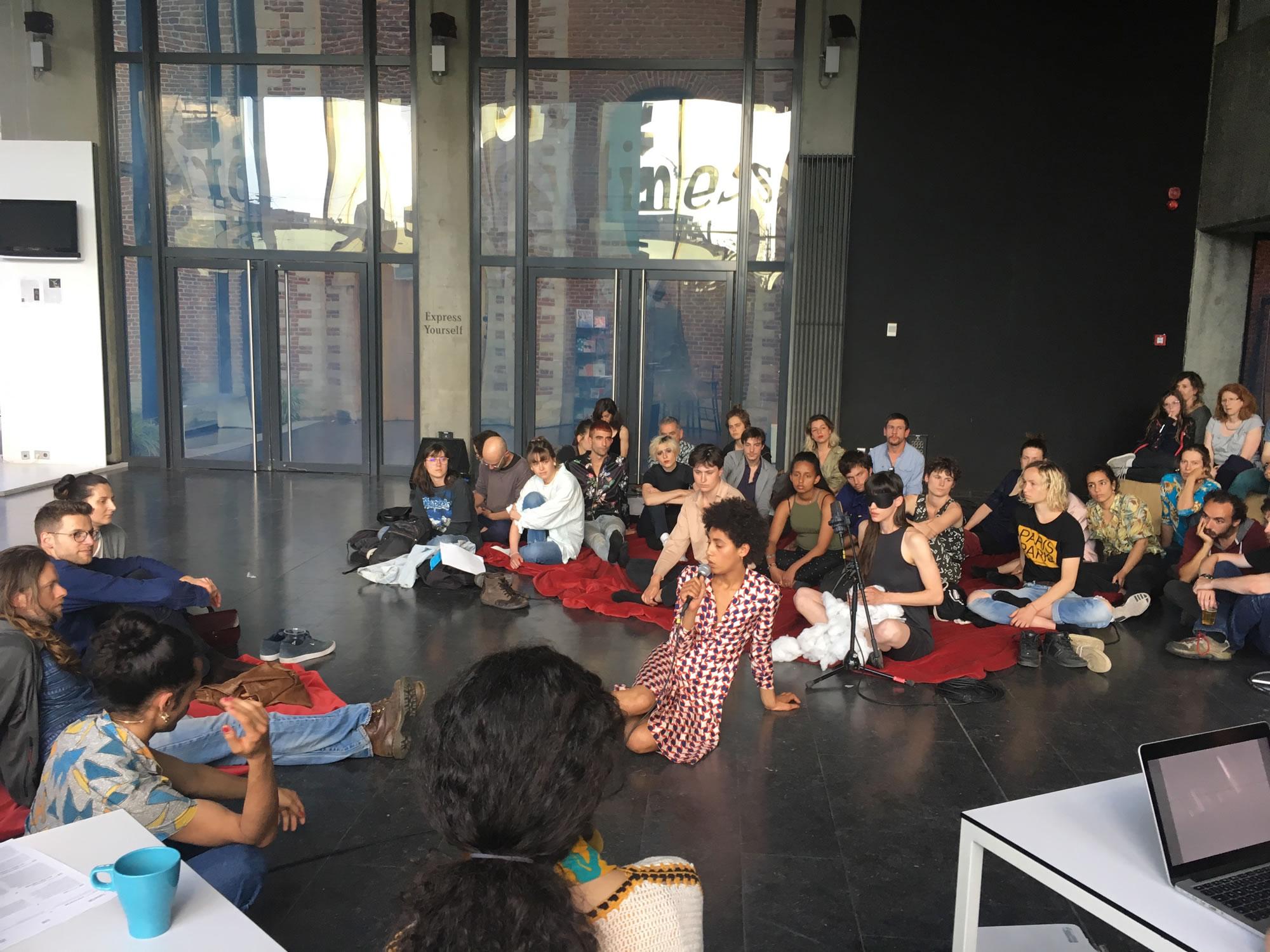
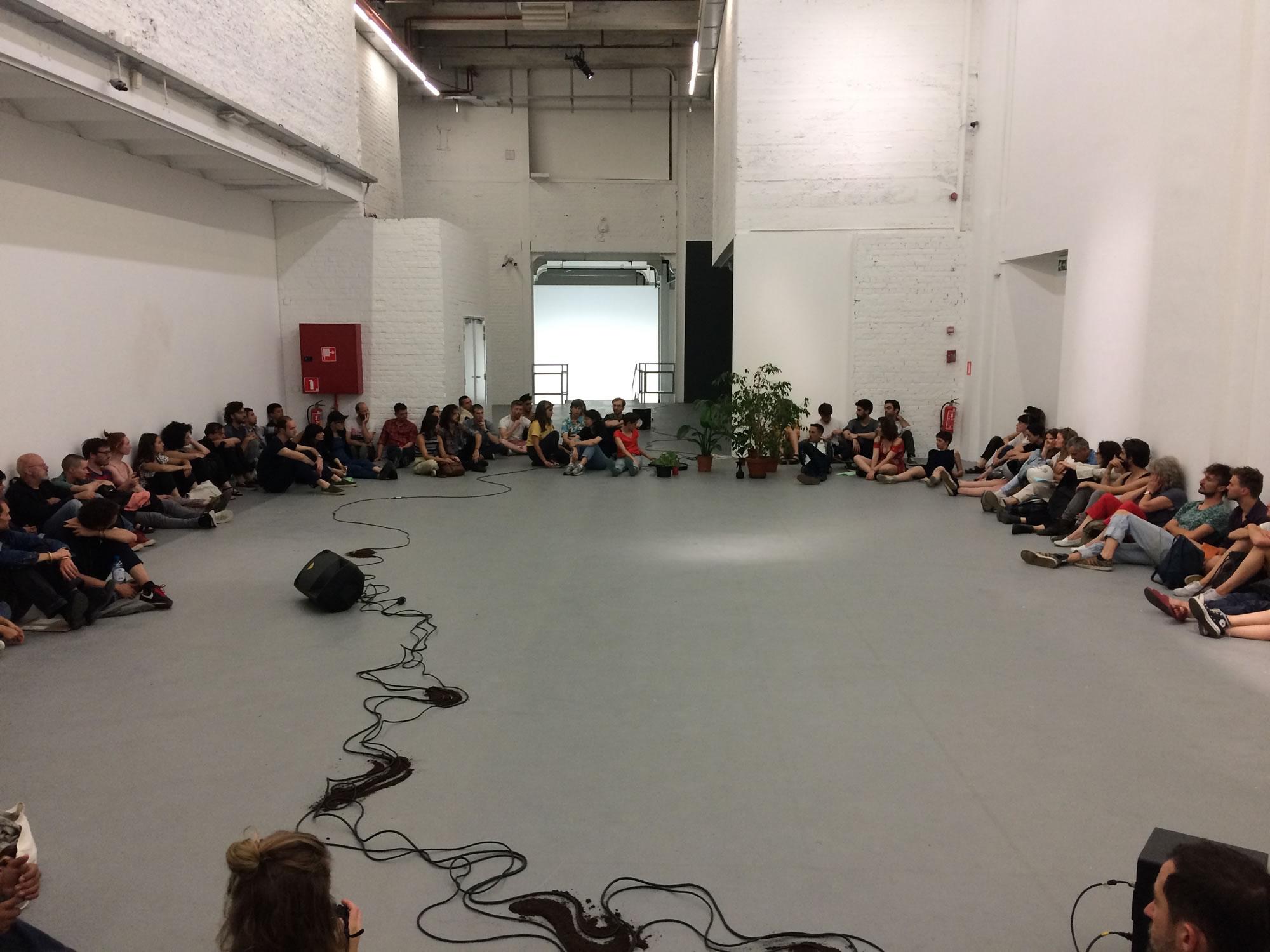
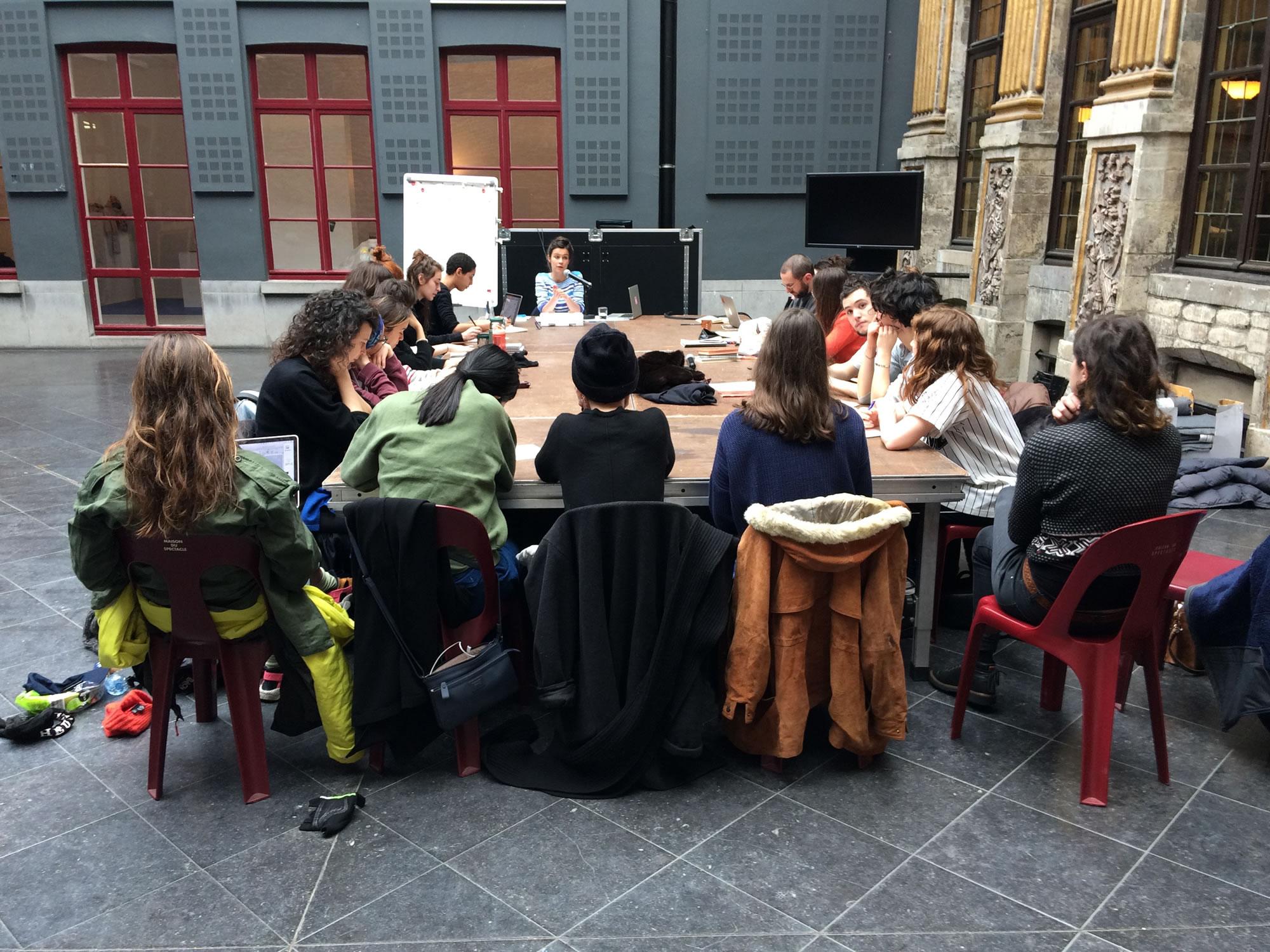
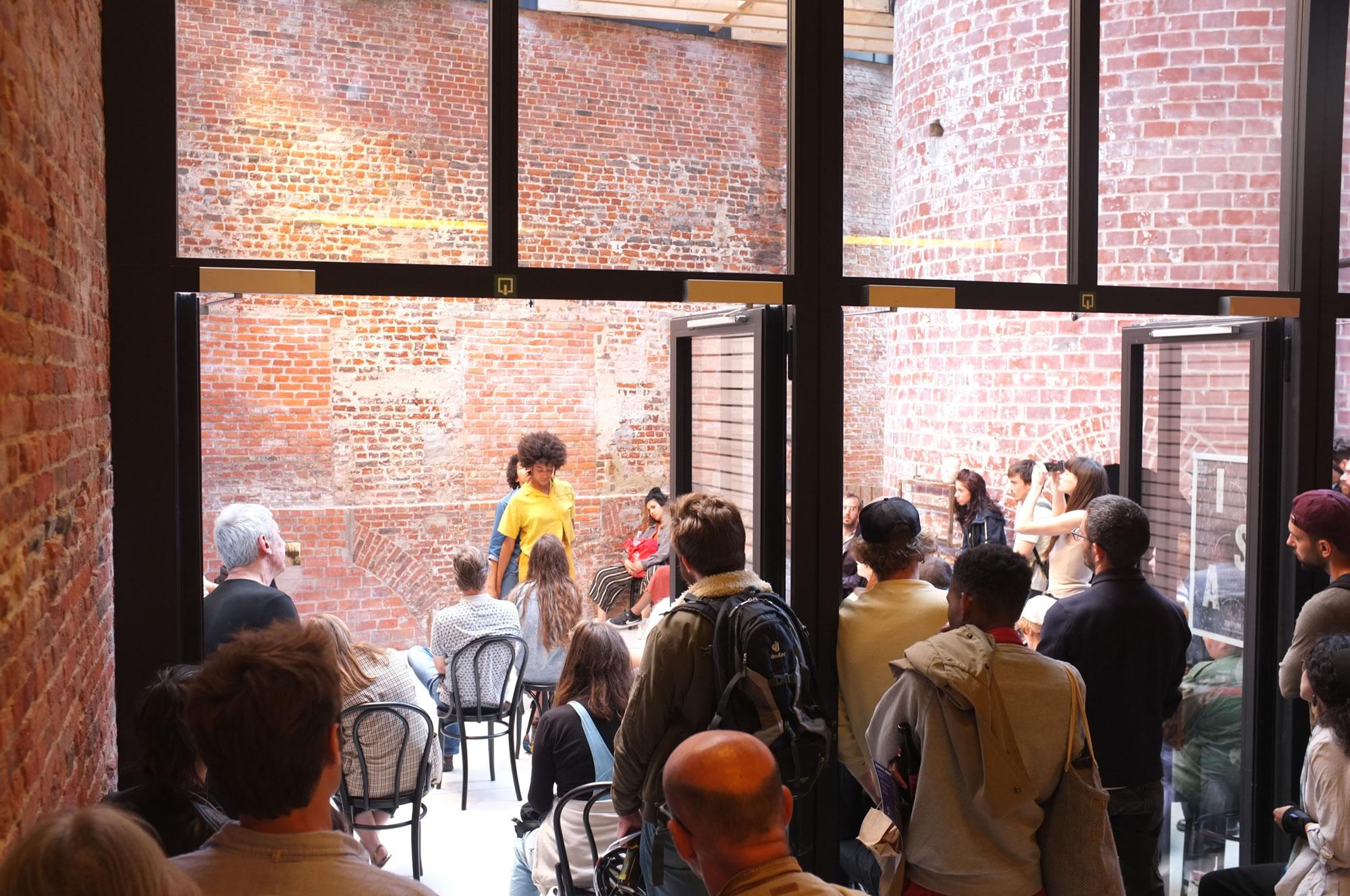
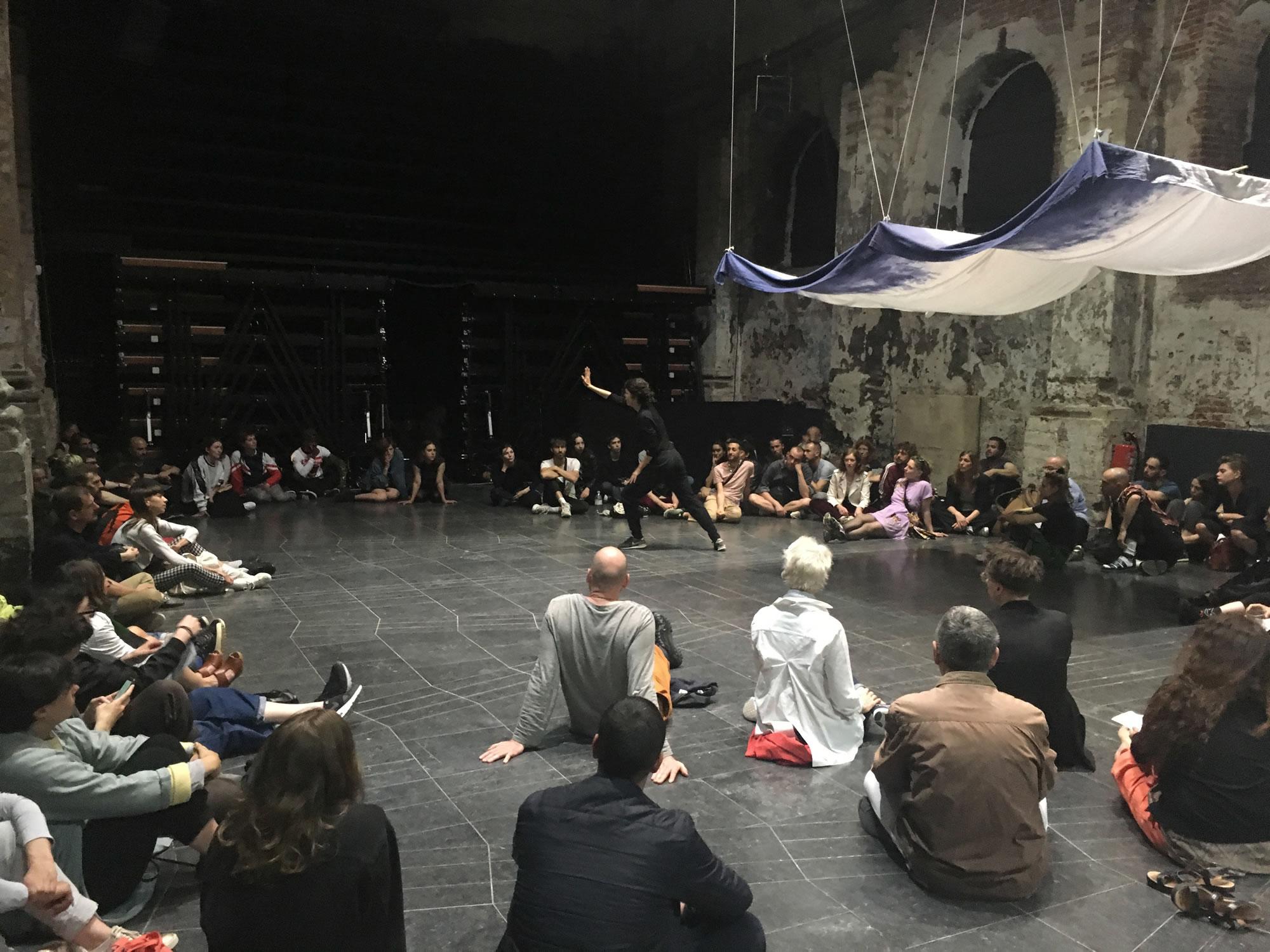
The Urban Space program at ISAC provides a specific contribution aiming to foster and support the singularity of each person’s research within a group dynamic, as a driving force for working and creating. Students come from various disciplinary backgrounds and geographies. The exchange of experiences and skills within the group is strongly encouraged. Thus, individual as well as collaborative projects emerge and lead to public presentations, notably during the ISAC festival at the end of the year. The pedagogical approach, coherent throughout, experiments with possible modes of horizontality and encourages everyone to nurture their artistic research autonomously, paying attention and deploying curiosity and initiative. It allows for being traversed respectfully through subjectivities and opacities and seeks the spontaneous emergence of the unexpected in each person’s path.
AN OPENING TO THE CONTEMPORARY ARTISTIC SCENE
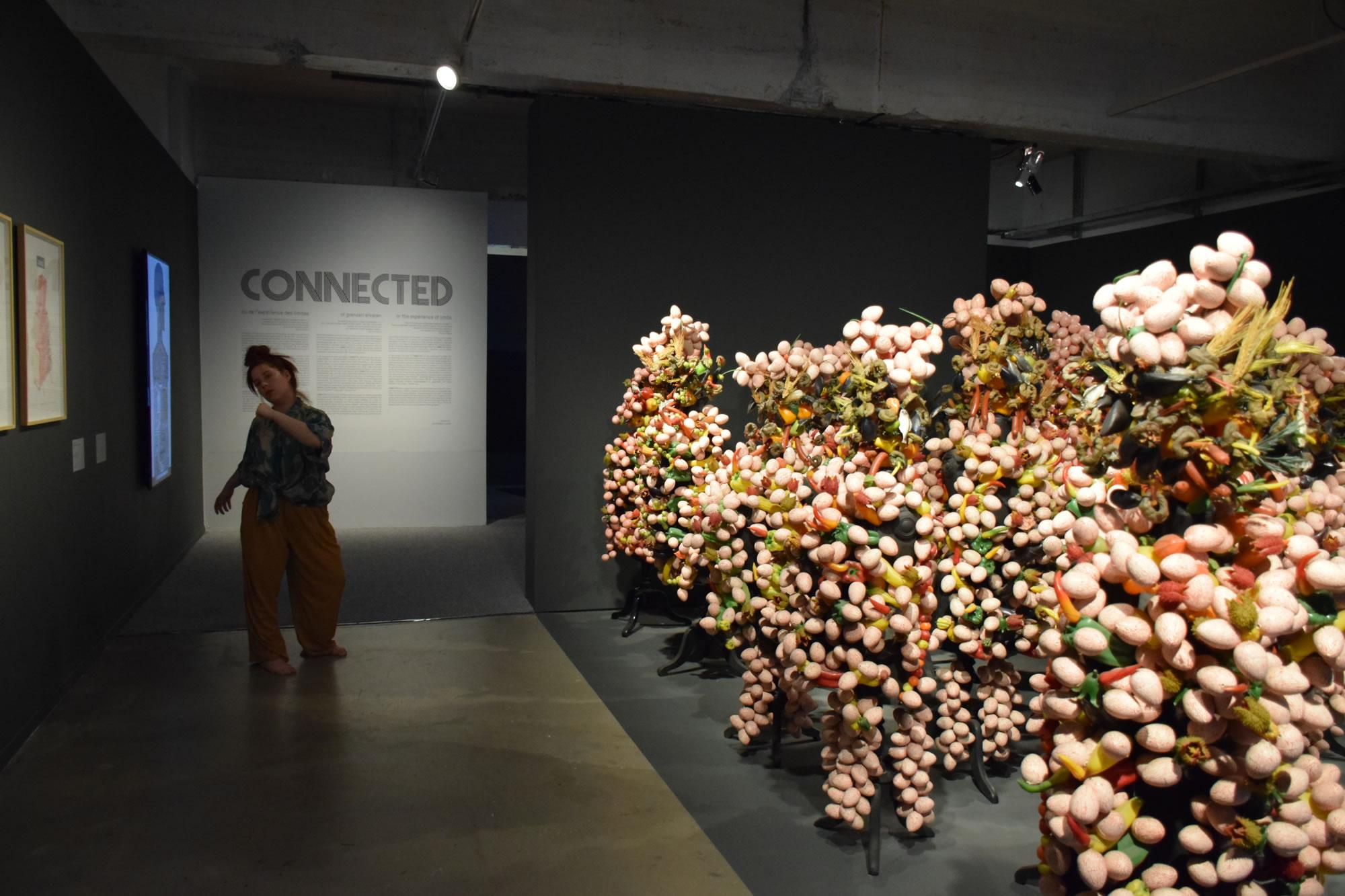
The Urban Space program at ISAC aims to serve as a bridge between choreographic research and the professional world through meetings and collaborations with other organizations. These occasional partnerships offer residencies and public presentation spaces for artistic work and allow for experimentation with institutional realities in their contradictions. They are considered essential to artistic development and provide stimulating inspirations.
Since its creation in 2012, EUR-ISAC has developed various partnerships with Brussels-based artistic structures and spaces including Kunstenfestivaldesarts, Rile*, Le Bâtard, La Raffinerie Charleroi-Danses, La Bellone, La Balsamine, Centrale for Contemporary Arts, La Tour à Plomb, Les Brigittines, as well as research spaces such as Centrale Fies (Italy) and PAF – Performing Arts Forum (France). With a transnational perspective, the program also builds connections with other European schools – ENSAD (Paris), IUAV (Venice), SNDO (Amsterdam), ESAD (Grenoble).
The EUR-ISAC program is offered in both French and English.
Information in English is available on the website www.isac.brussels
The EUR-ISAC program is structured around 2 cycles:
Bachelor’s (180 credits) and Master’s (120 credits).
It is designed as an experimental and organic ecosystem in constant transformation.
It serves as a laboratory where the fusion of practice and theory operates through a dual dynamic offered to everyone.
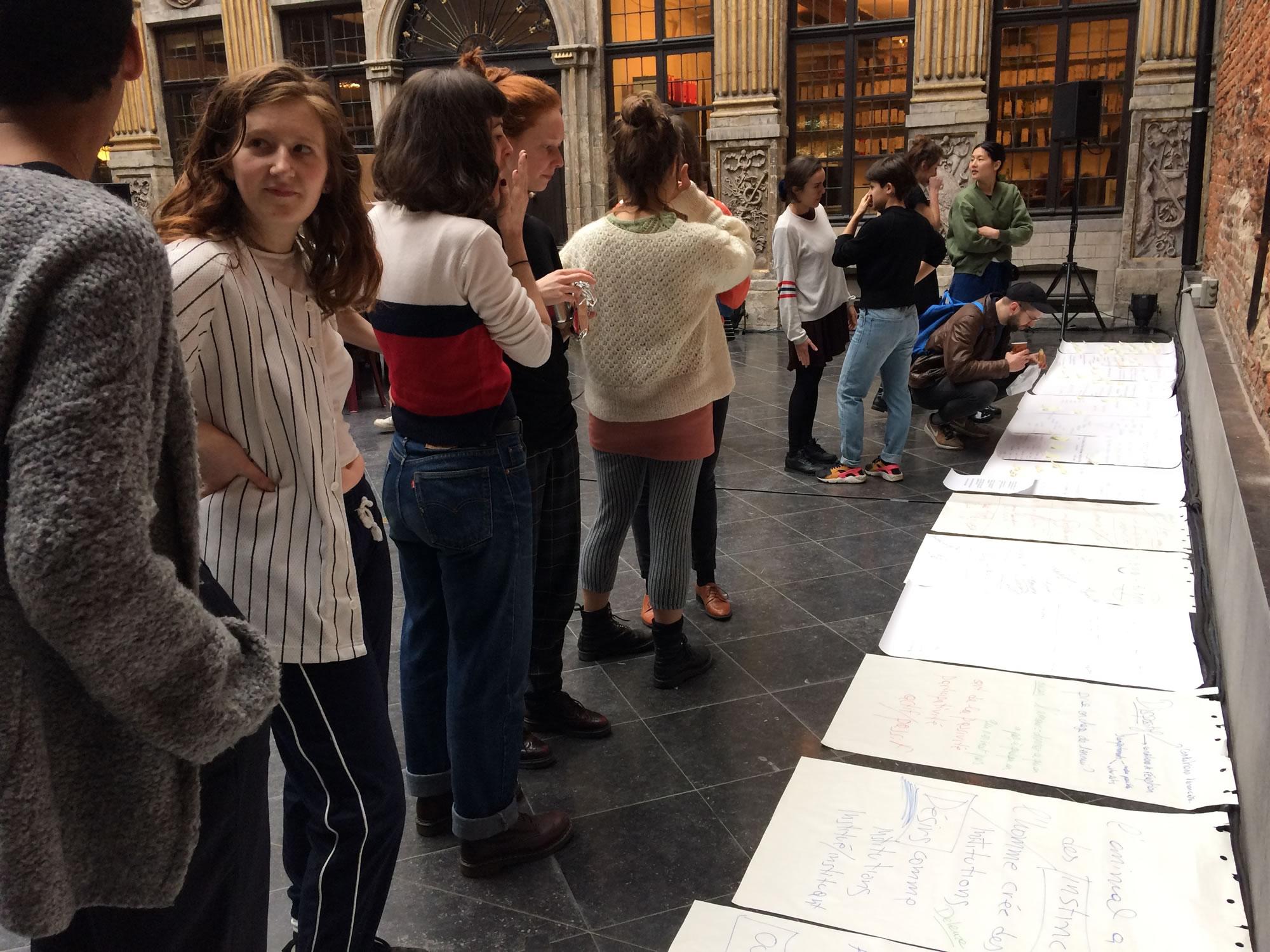
Among the tools provided: knowledge sharing, transmission of practices between students, collective reflections on creative work, artistic mentoring, regular sessions focused on movement-based artistic practices, as well as the organization of key events with internationally invited artists from the professional field of choreographic arts.
The EUR-ISAC program is taught in French and English.
It can be consulted in detail on the ArBA-EsA website.
Information in English is available at www.isac.brussels.
ENTRY INTO 1ST AND 2ND CYCLE
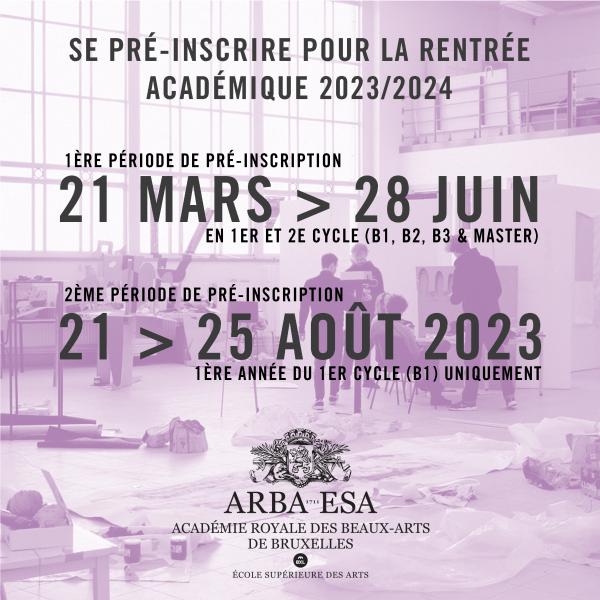
To join the EUR-ISAC program at B1, B2, B3, or M1 levels, candidates must submit an application via the ArBA-EsA pre-registration portal and attend one of two auditions held in June or September, either in person or online.*
The artistic application file must include:
– A letter explaining your interest in the program, detailing how the candidate envisions their path within the program (B1, B2, B3, M1)
– A CV (B1, B2, B3, M1)
– An artistic portfolio (previous work is not required for those without prior training)
– An artistic research project outlining the research the candidate wishes to pursue (only for M1)
– A link to a video of a solo/body work created for the admission test, lasting 3 to 5 minutes maximum (B1, B2, B3, M1).
The selection committee will consider the artistic and conceptual content, not the technical skills in video production. Please include the link in a Word document (only for candidates attending the audition online).
After reviewing the artistic file, the pedagogical team will invite each candidate to their chosen audition (in person or online). The in-person admission test will consist of presenting a performative work (5 minutes) followed by an individual motivation interview with the pedagogical team (15 minutes).
The online admission test will consist of an individual motivation interview with the pedagogical team (20 minutes), with the candidate having previously submitted a video link created for the admission test (3 to 5 minutes maximum).
*In order to operate non-discriminatorily and to ensure equal access despite current economic difficulties and international mobility constraints, anyone unable to travel to Brussels for these reasons may take the audition online.
PRE-REGISTRATION:
All admission applications must be submitted via the admissions portal. The website allows you to apply and upload all the necessary documents for your pre-registration.
Entry into the First Year of the First Cycle (B1)
Admission into the first year of the Bachelor's program is subject to passing an entrance examination.
The exam consists of three parts: a practical test, a research-based test, and a motivation interview during which the candidate may present a portfolio of works.
The exam is open to all applicants; no prior artistic training is required.
Entry During the Bachelor’s Program (B2 and B3)
Admission into the second or third year of the Bachelor's program at ArBA-EsA is based on an artistic portfolio.
For selected candidates, an interview and/or practical test is organized and coordinated directly by the program coordinator.
Entry into the Second Cycle (Master's Program)
Admission into the Master's program is based on an artistic portfolio.
For selected candidates, an interview is organized and coordinated by the program coordinator.
>Plus d'informations sur les épreuves d'admission
Professeure titulaire : Krystel Khoury
Professeure assistante : Andrea Zavala Folache
Responsable artistique : Enzo Pezzella
Contact : eur-isac@arba-esa.be
isac.brussels@gmail.com
CENTRALE for Contemporary Art
Kunstenfestival des Arts
Les Brigittines
La Bellone
La Raffinerie Charleroi-Danse
Le Centre Tour à Plomb
Centrale Fies, Italie
ESAD - Grenoble - Valence // Pratiques d'hospitalité - Plateforme for Critical research and political imagination
ENSAD - Paris // Scénographie
SNDO - Amsterdam University of the Arts