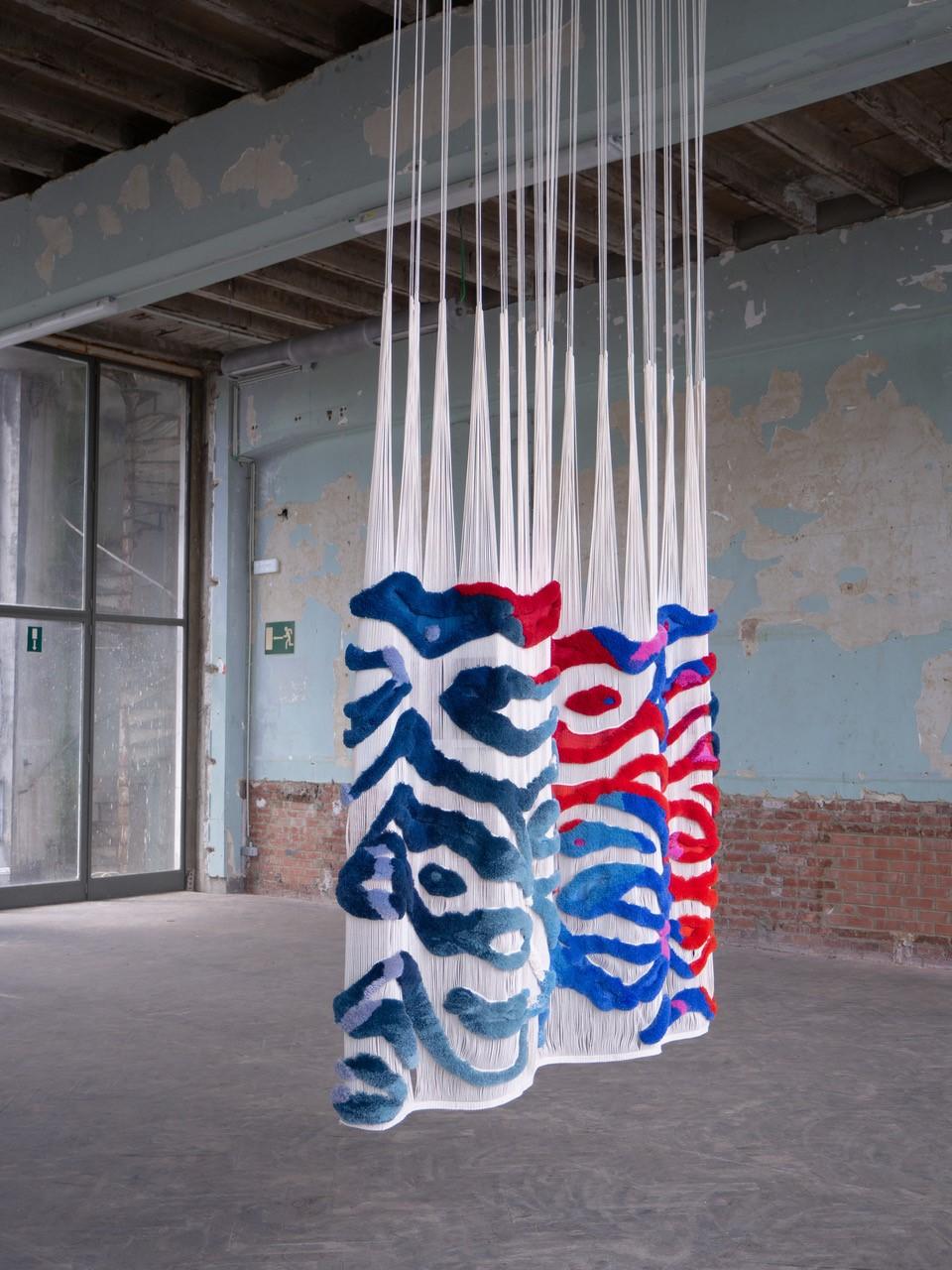
Tapestry – Textile Arts
Textiles as a social bond, carriers of transmission, diversity, and change.
Textiles as a social bond, carriers of transmission, diversity, and change.
Everything begins with a gesture.
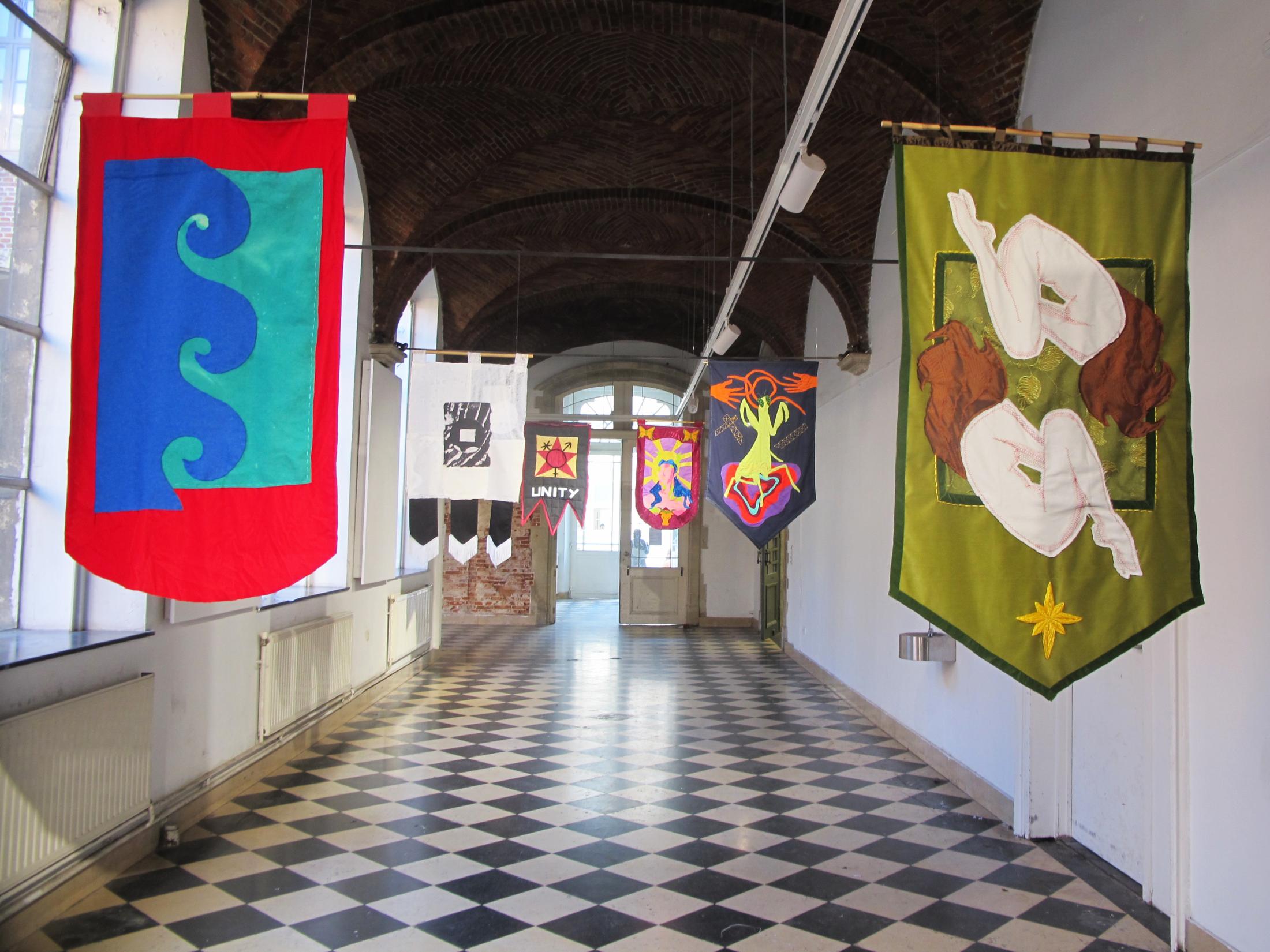
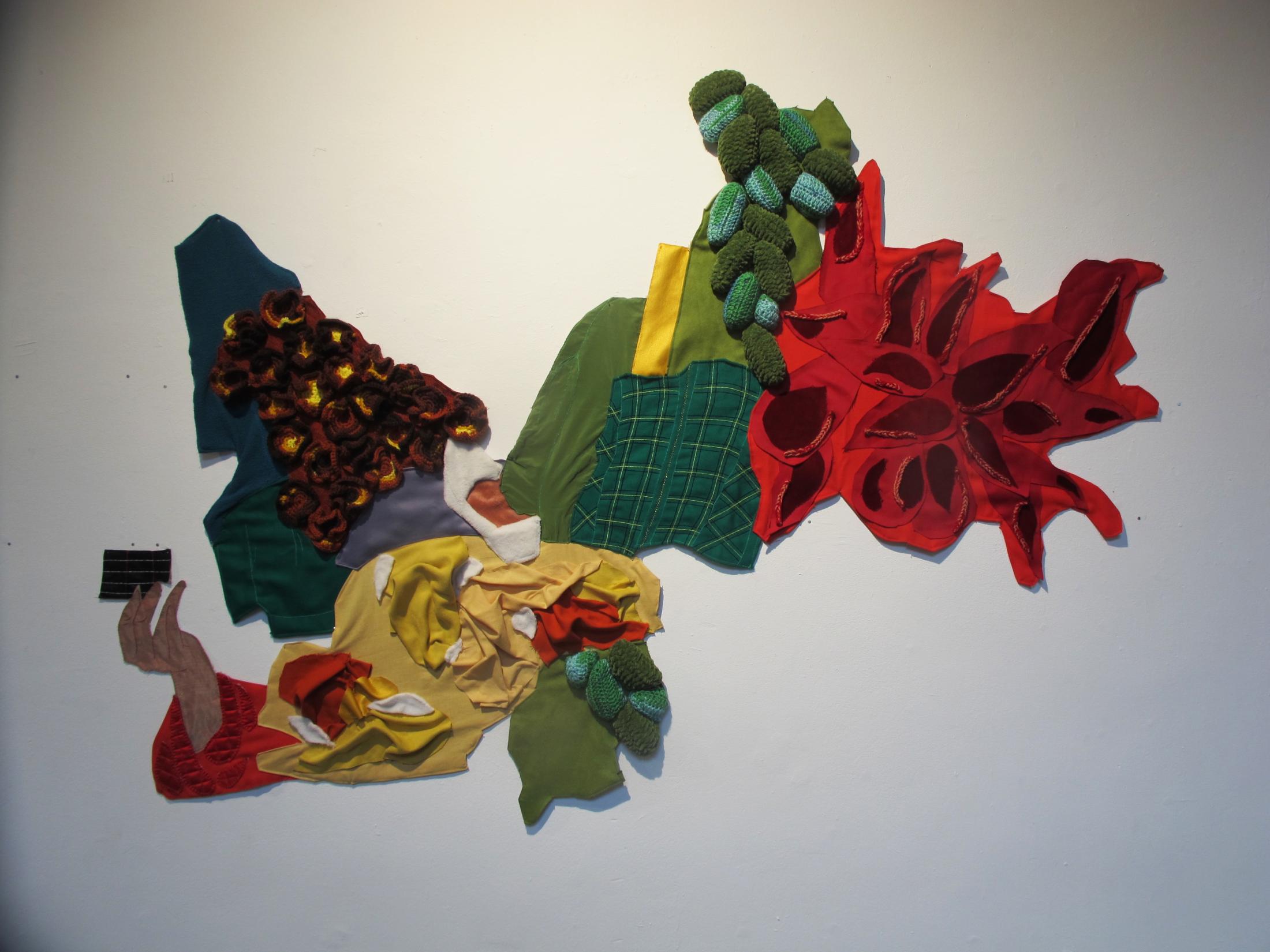
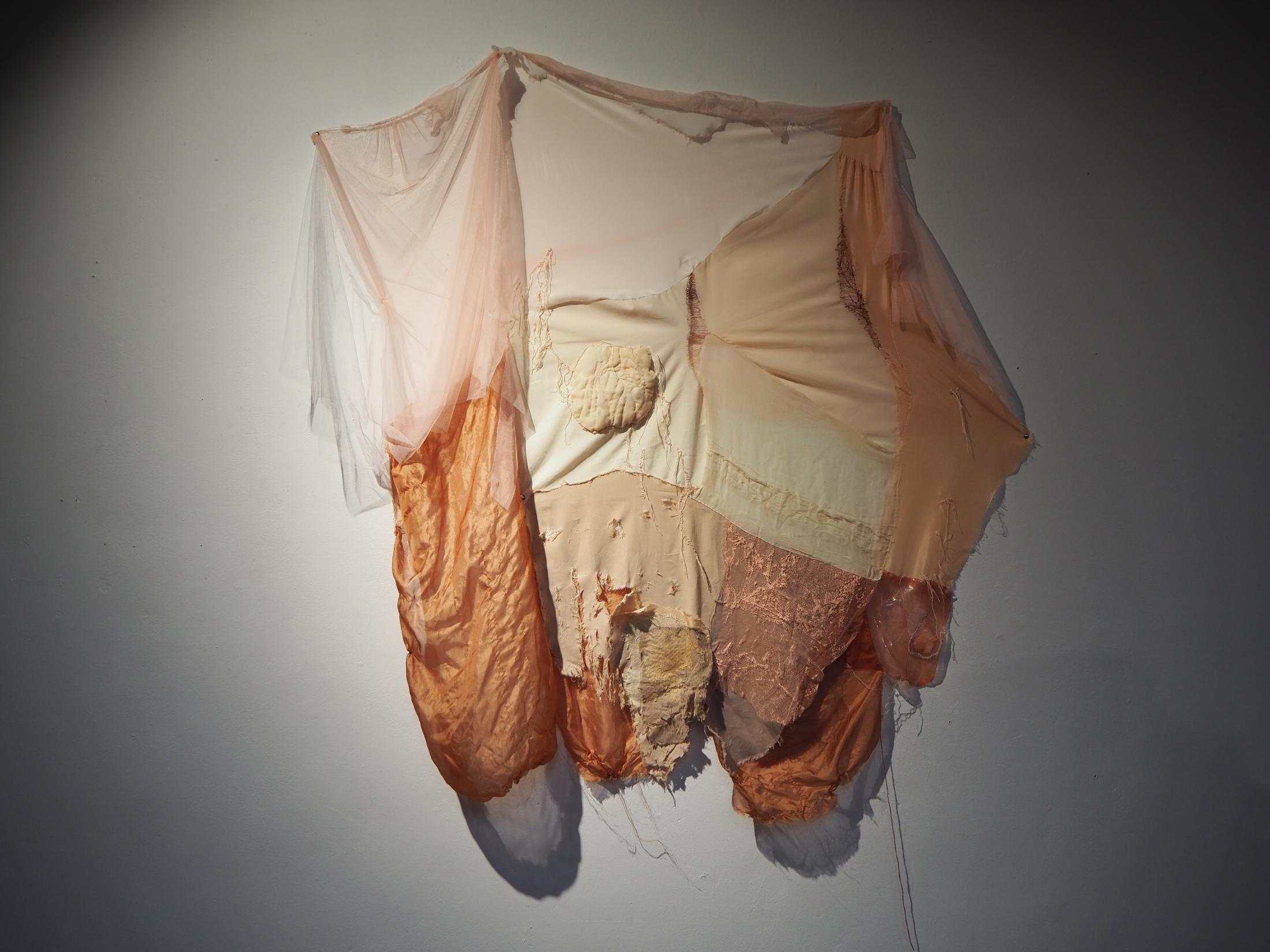
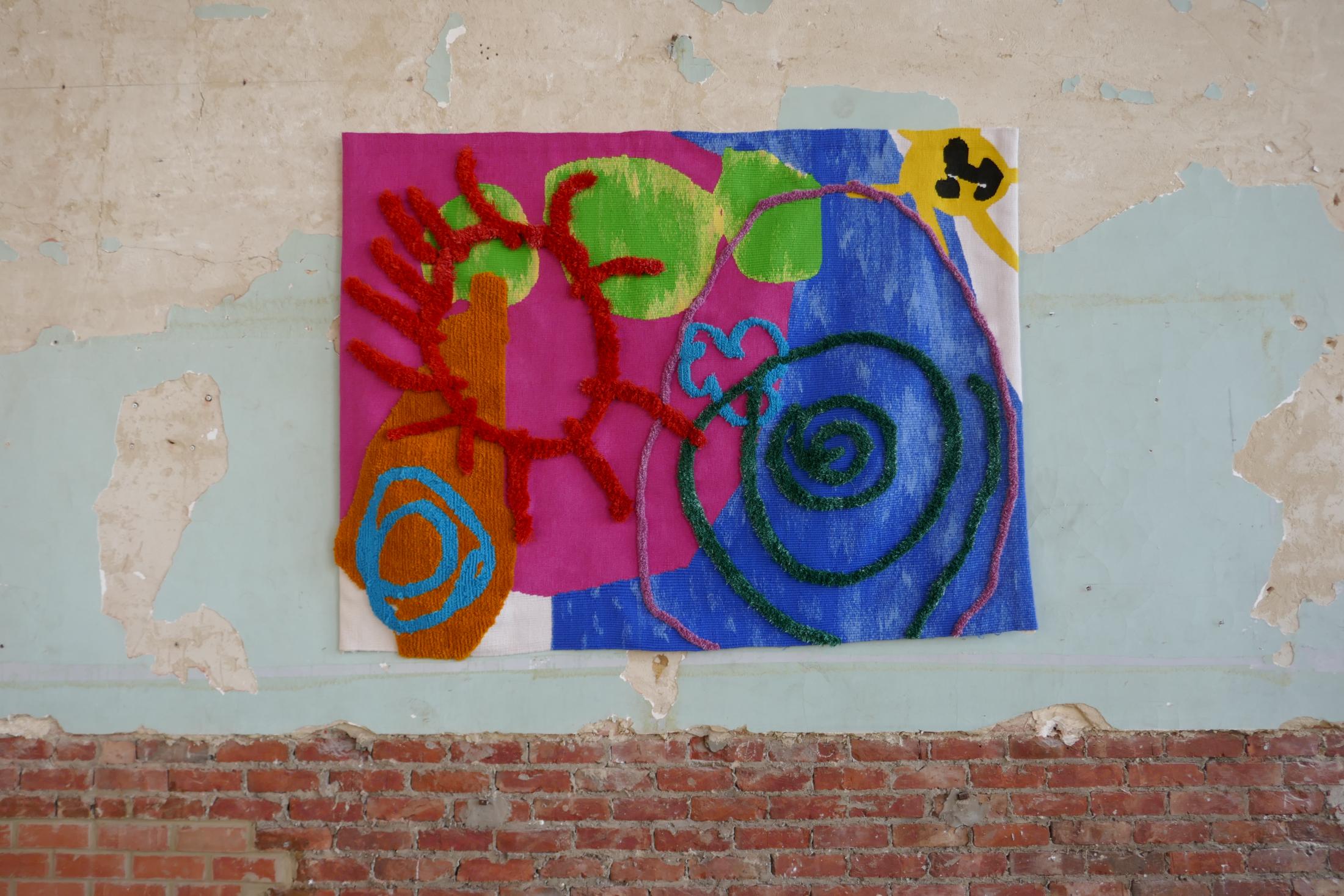
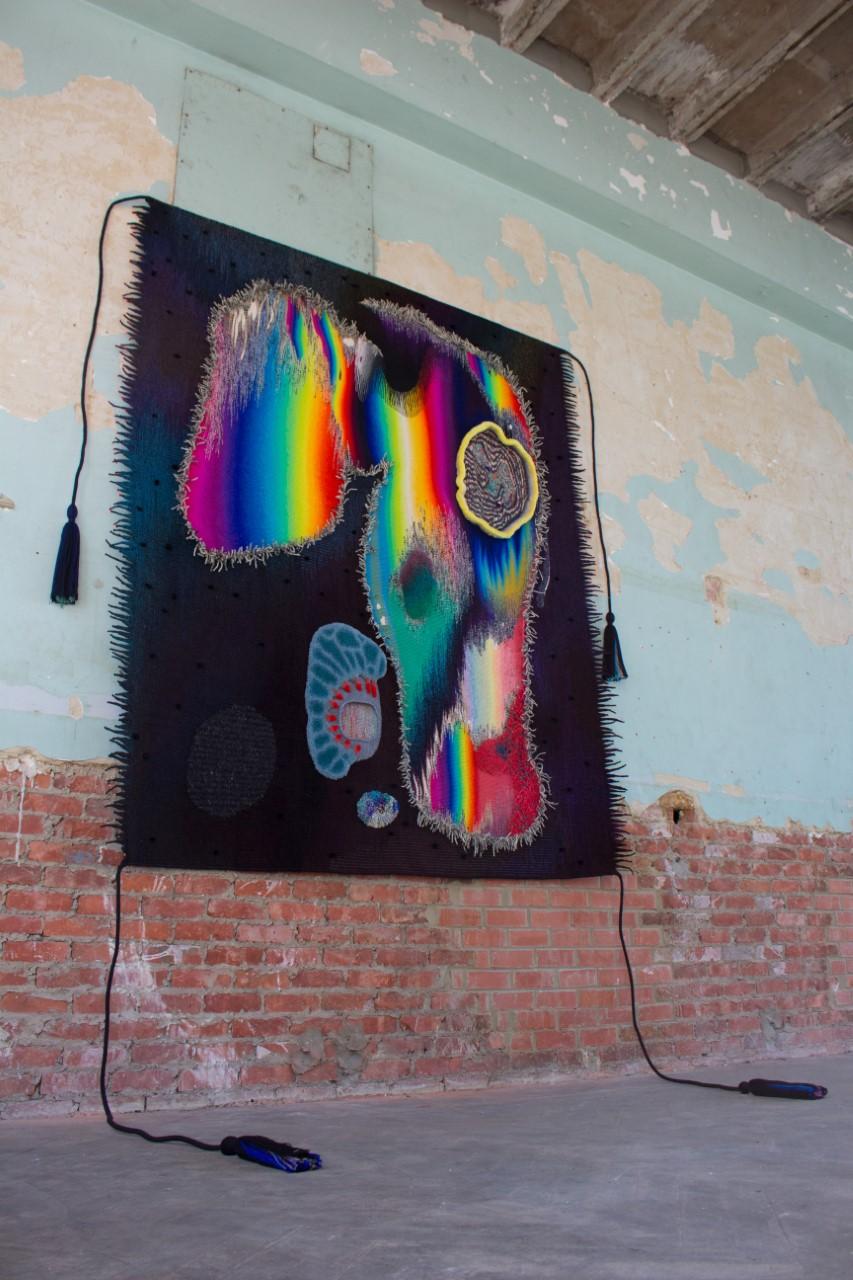
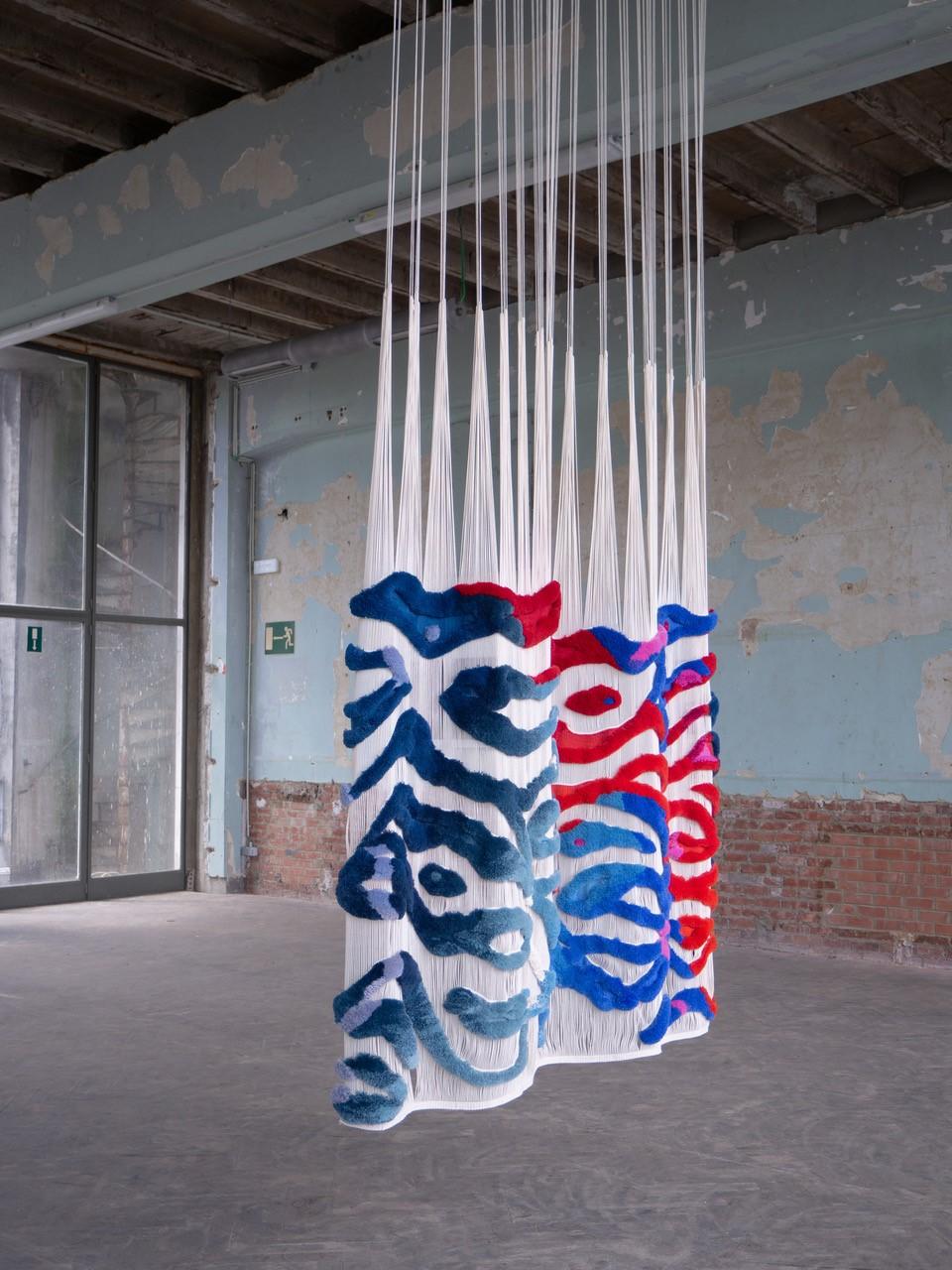
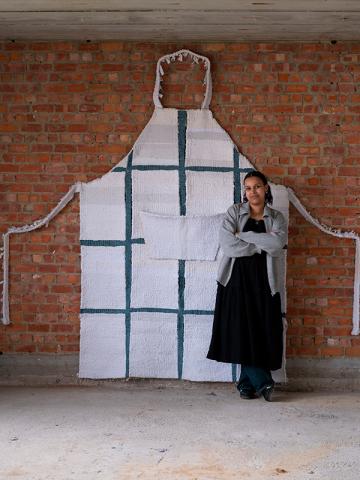
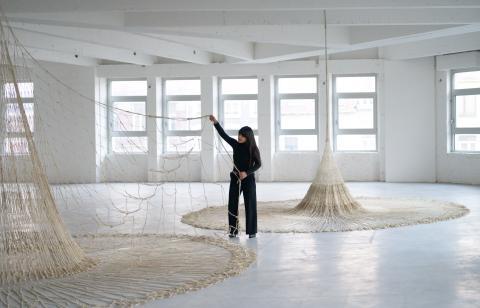
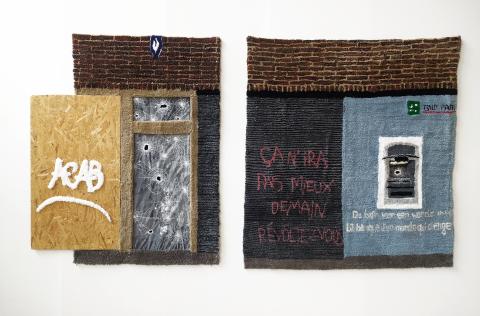
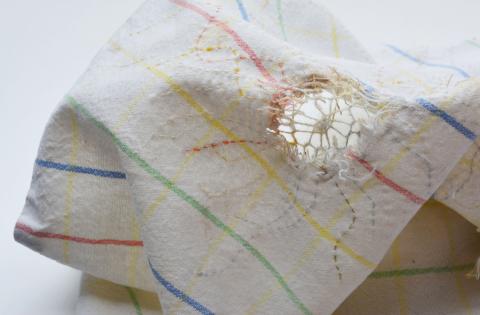
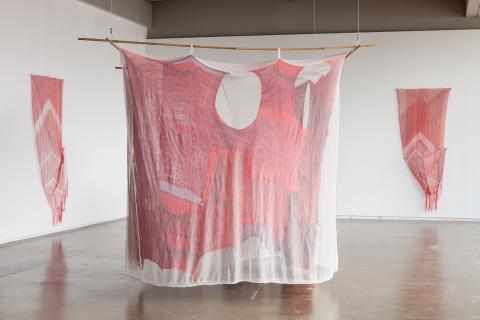
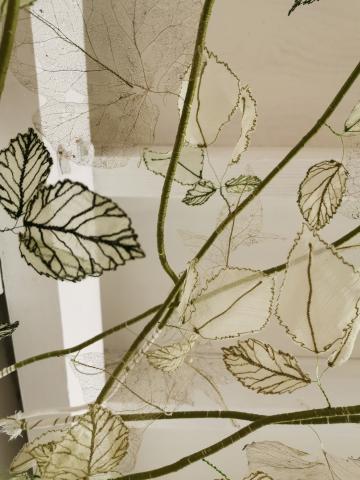
Textiles touch and concern all of us in their diversity. Through their history, they are omnipresent in our daily lives in many forms. A material, a thread, an interlacing, a gesture, a surface, a volume, a space... It is an art with multiple mediums allowing expression through various plastic forms. It is a material to think about, explore, experiment with, tell stories through, and create. It is both ancestral and contemporary. Textile continuously reinvents itself in response to societal, technological, economic, and environmental changes.
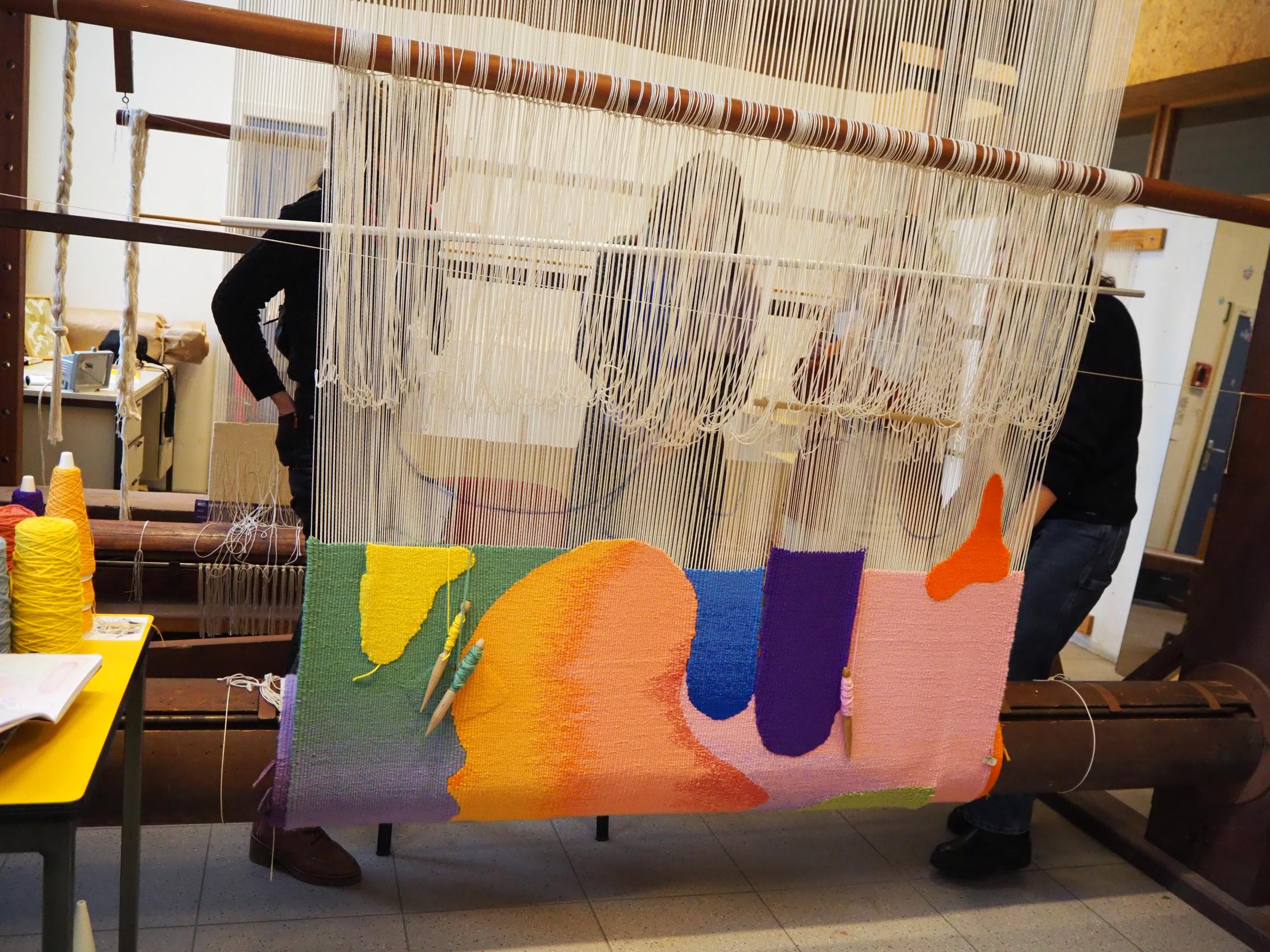
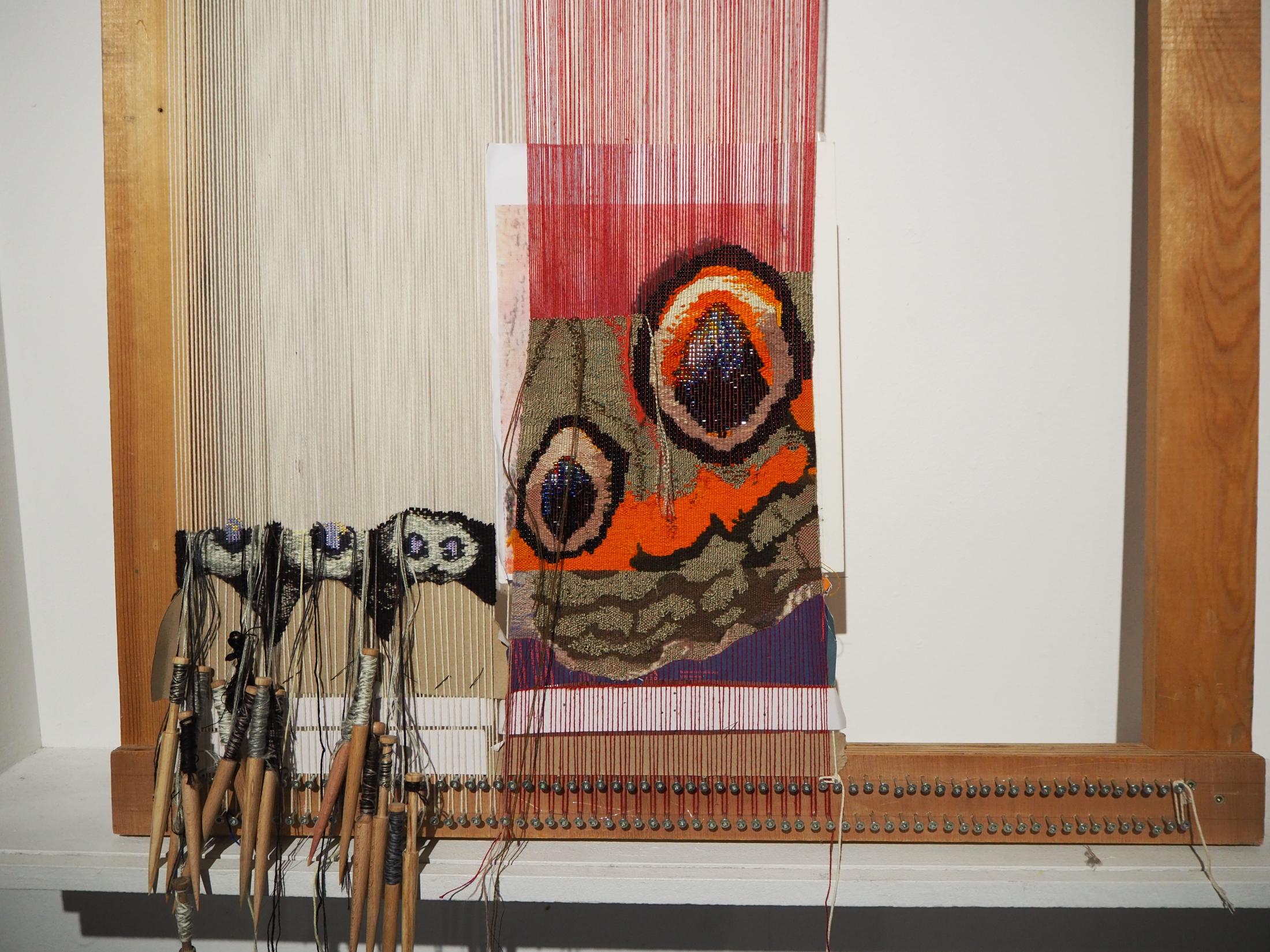
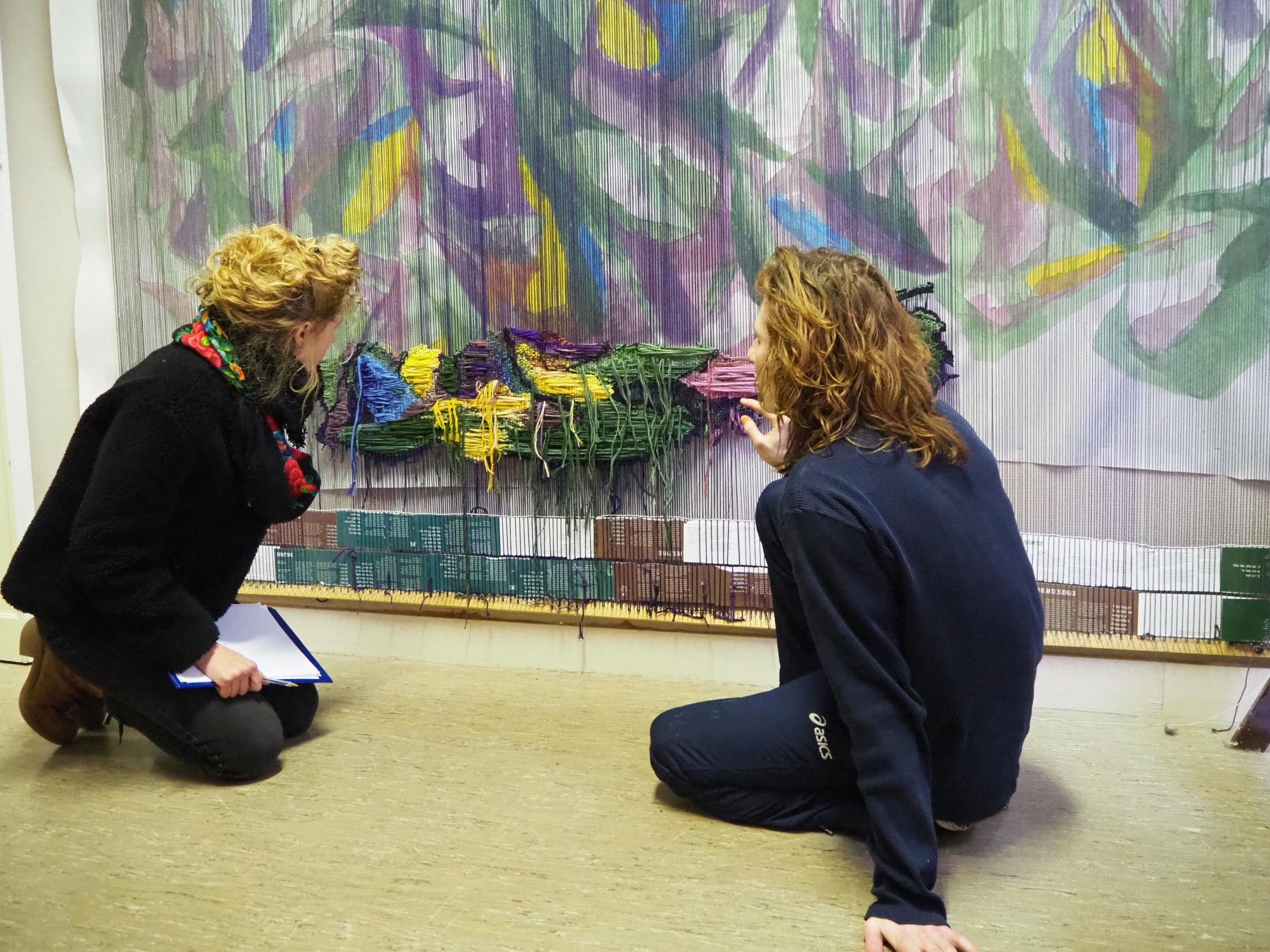
The Tapestry / Textile Arts workshop is a space for creation and experimentation. “Making textile” is central and seen as a stage in a process where connections are woven. The transmission of textile know-how is essential and takes place through multiple forms of research. Experimentation is at the heart of every artistic project’s beginning. It enables openness, understanding, and personal appropriation of tools, materials, gestures, techniques, and processes related to textiles.
Students will develop a creative process through learning and mastering various techniques. They will approach textiles in all their plastic forms, creating a dynamic of gestures and actions such as crossing, knotting, spinning, pulling, stretching, braiding, weaving, cutting, assembling, sewing, embroidering, threading, stitching, warping, rolling, and passing through... Techniques, tools, and materials become playgrounds for understanding and embracing textiles as a whole.
Throughout their journey, students will be encouraged to create connections in their personal work, in the workshop, at the academy, and beyond. Experimenting and building a personal creative approach open to others and the outside world is essential.
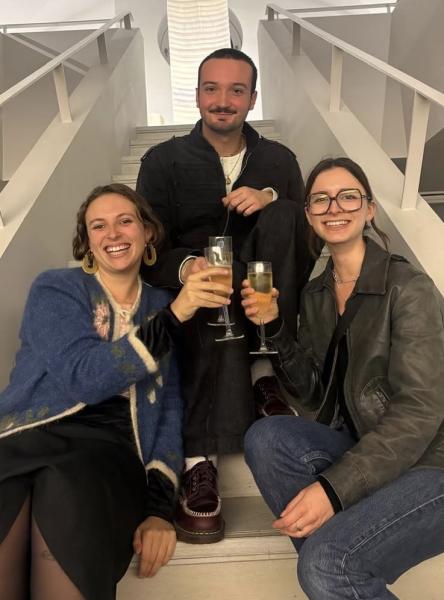
The Tapestry / Textile Arts workshop is a space of co-construction, exchange, sharing, and horizontal transmission where the singularities of each individual can flourish. Respect, listening, kindness, and living together harmoniously are core values of the workshop.
Several initiatives take place throughout the year to foster openness, such as artist interventions, workshops, alumni testimonials, exhibition visits, artist studio visits, etc. One of the workshop’s goals is to provide tools and open pathways toward a professional artistic practice.
Bachelor – 180 credits – 1st cycle
B1
During this first year, the student is encouraged to experiment with materials, thread, and tools. Learning and understanding tapestry will shape the year. The goal is to acquire the basics in order to better question them. Experimentation will be central and take place through a series of inquiries into the tools (loom, frame, shuttle) and materials. Each student will be able to develop a creative working process focused on understanding and experimenting with tapestry.
B2/B3
The exploration of the textile medium continues through thematic proposals supporting the learning of knitting and lace techniques. The aim is to enrich one’s textile repertoire and vocabulary. Multiple research projects lead the student to refine their creative process in order to build their artistic project. Regular individual and group meetings as well as workshops help nourish and broaden each person’s practice.
Master – 120 credits – 2nd cycle
Over these two years of the master’s program, the student is called upon to implement all their acquired skills and experiments developed throughout their studies. The objective is to be able to make coherent choices based on personal questions and aspirations. Building an artistic project is the goal of these two years. It is through individual and collective exchanges within the workshop or the academy that the artistic work unfolds. Reflections, research, and technical knowledge progressively enrich this construction. The first year of the master’s is a time for research, exploration, and questioning around a personal approach. It aims toward working autonomy. The second year of the master’s continues this trajectory with the objective of completing a personal artistic project, opening possibilities for a professional future.
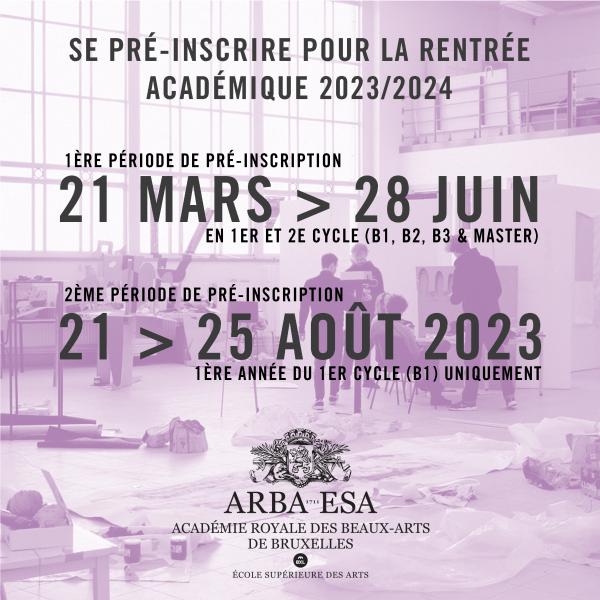
PRE-REGISTRATION:
All admission applications must be submitted via the admissions portal. The website allows you to apply and upload all the necessary documents for your pre-registration.
Entry into the First Year of the First Cycle (B1)
Admission into the first year of the Bachelor's program is subject to passing an entrance examination.
The exam consists of three parts: a practical test, a research-based test, and a motivation interview during which the candidate may present a portfolio of works.
The exam is open to all applicants; no prior artistic training is required.
Entry During the Bachelor’s Program (B2 and B3)
Admission into the second or third year of the Bachelor's program at ArBA-EsA is based on an artistic portfolio.
For selected candidates, an interview and/or practical test is organized and coordinated directly by the program coordinator.
Entry into the Second Cycle (Master's Program)
Admission into the Master's program is based on an artistic portfolio.
For selected candidates, an interview is organized and coordinated by the program coordinator.
➤ Plus d'informations sur les épreuves d'admission en Tapisserie - Arts Textiles
Co-titulaire : Justine Van Impe
Co-titulaire : Anaëlle Renault
Contact : tapisserie@arba-esa.be