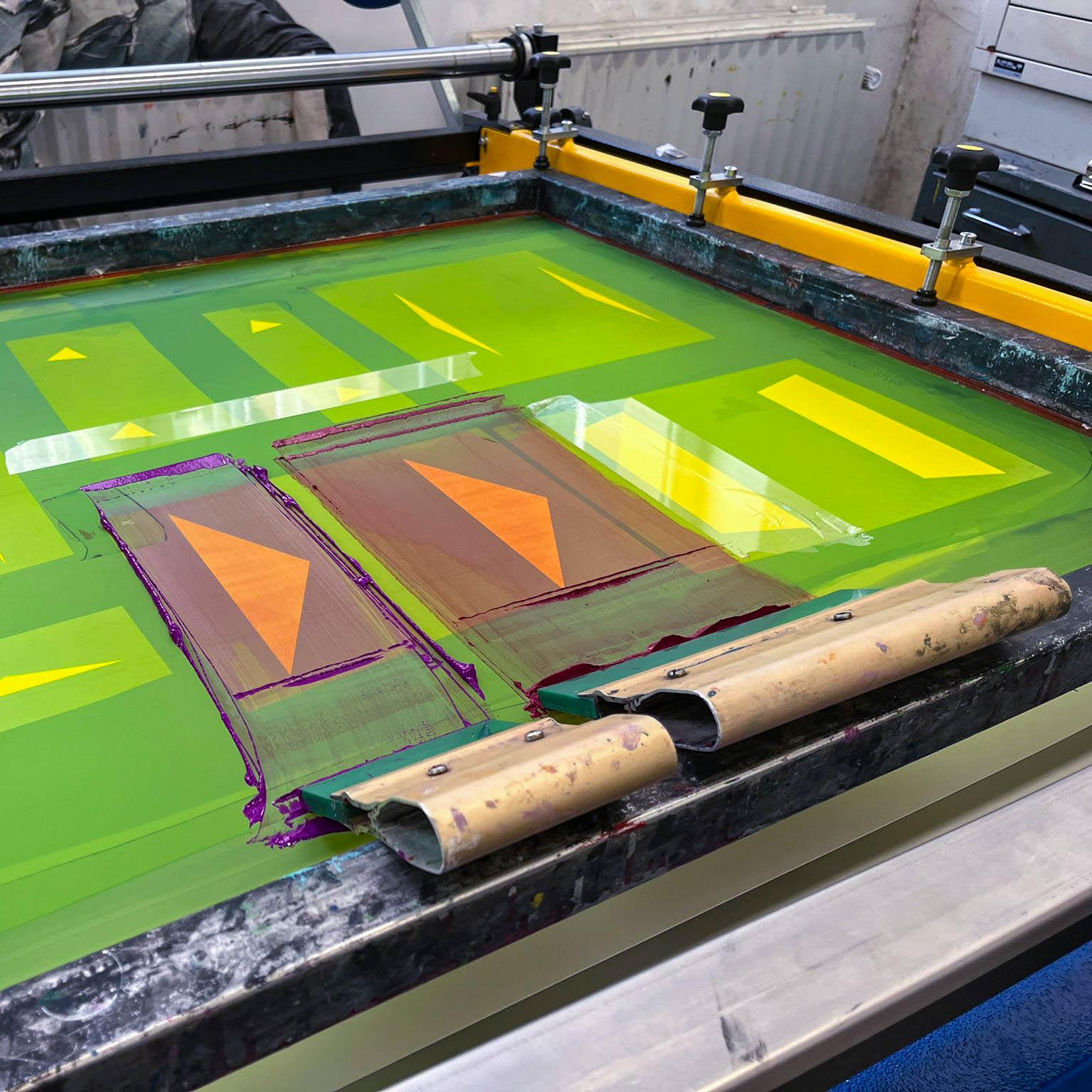
Screen printing
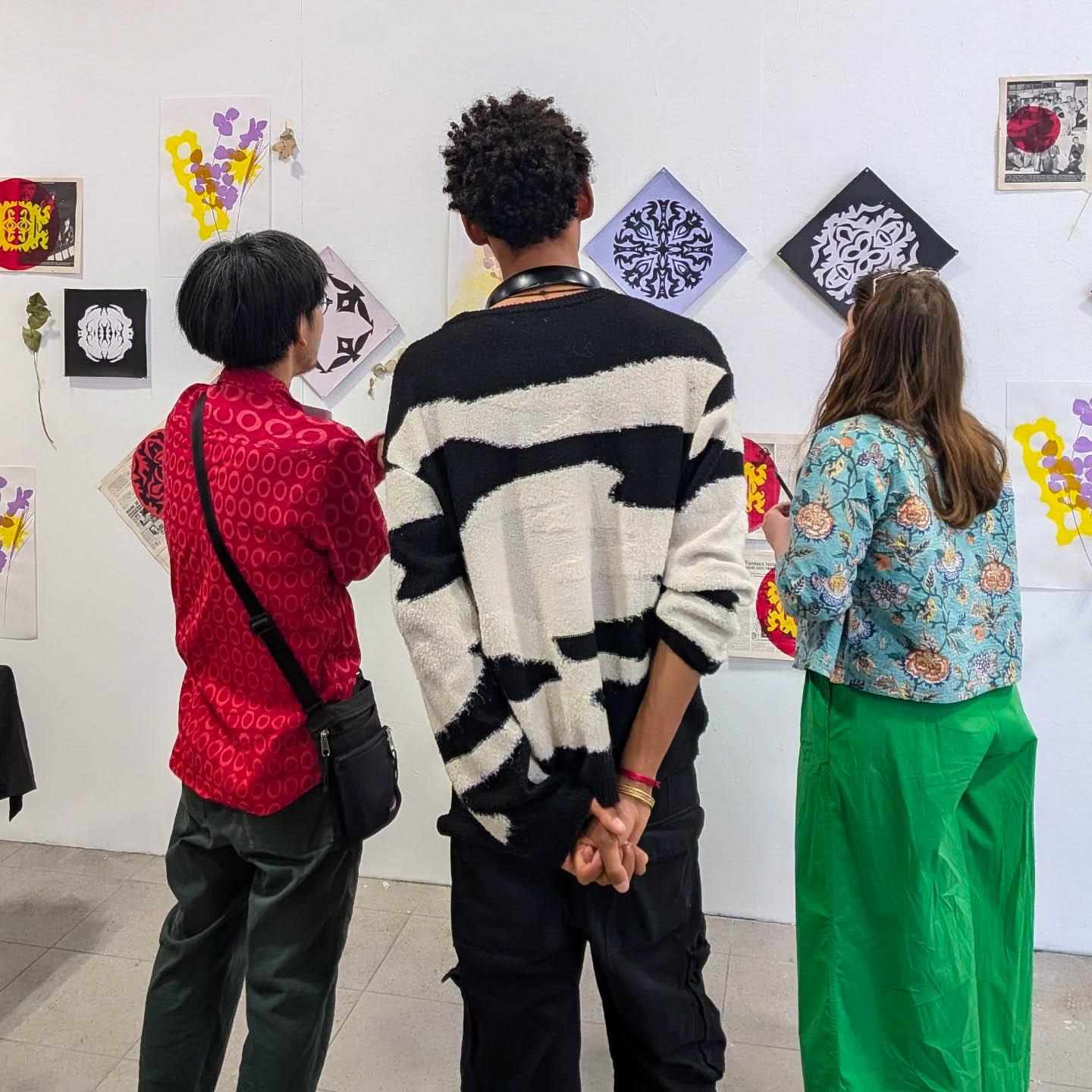
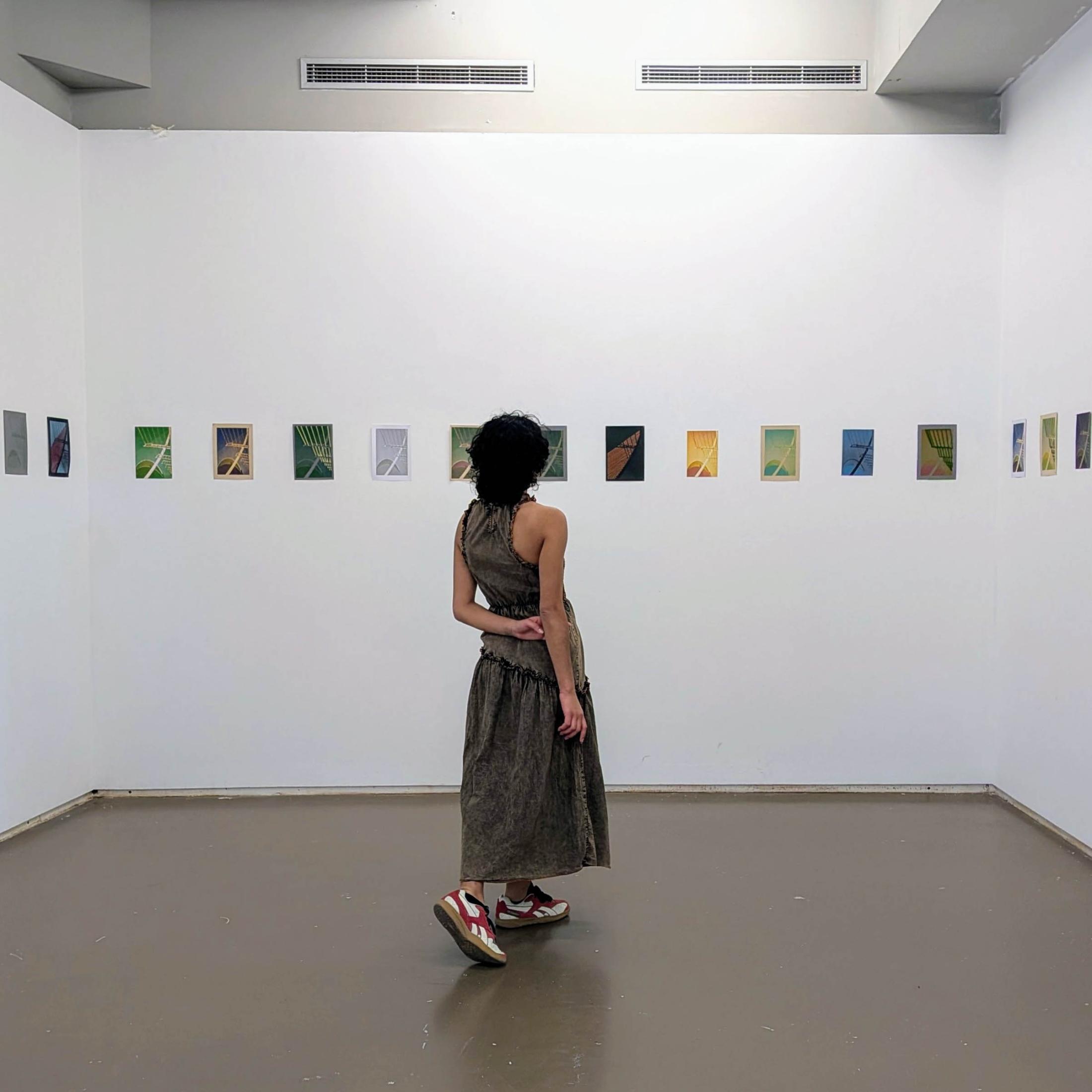
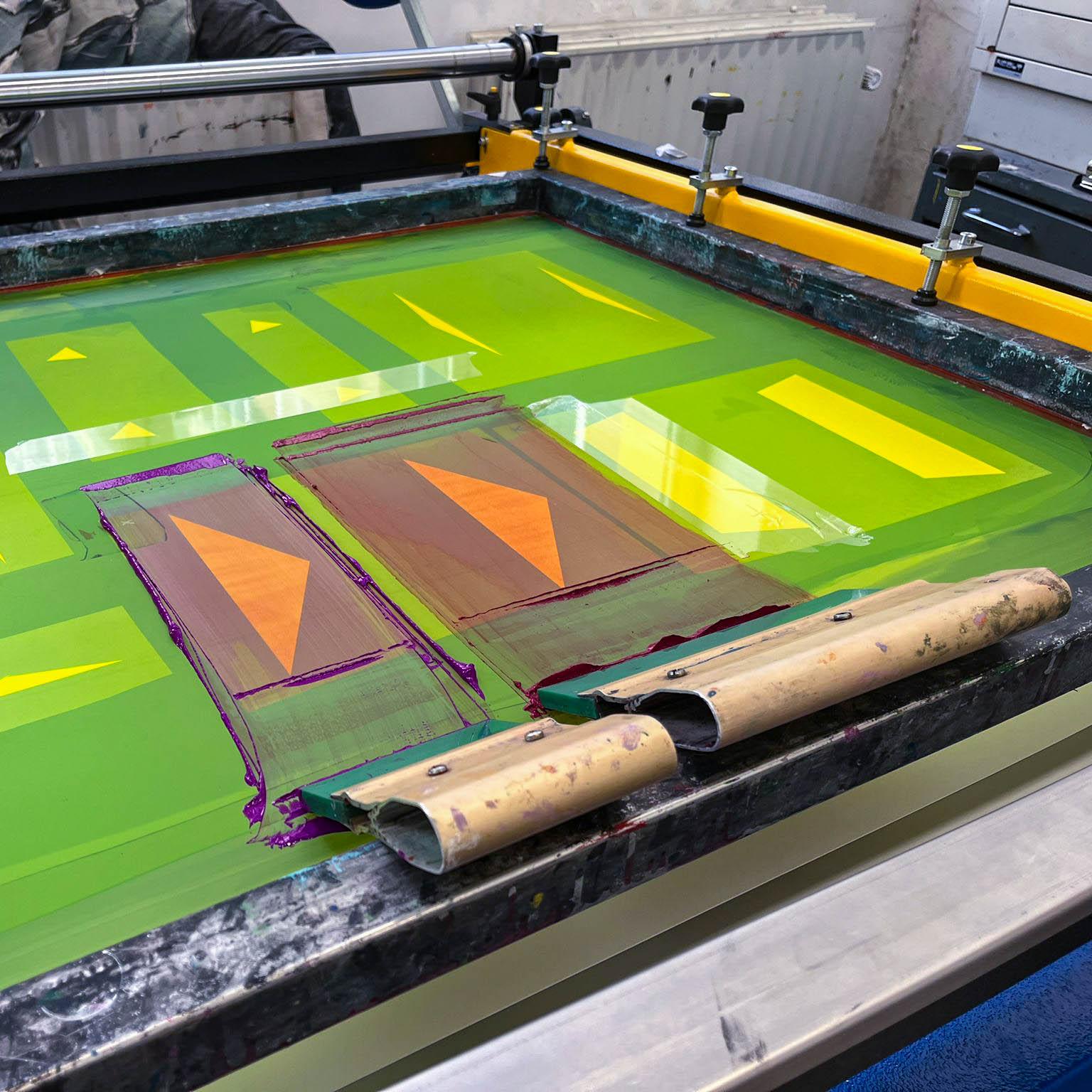
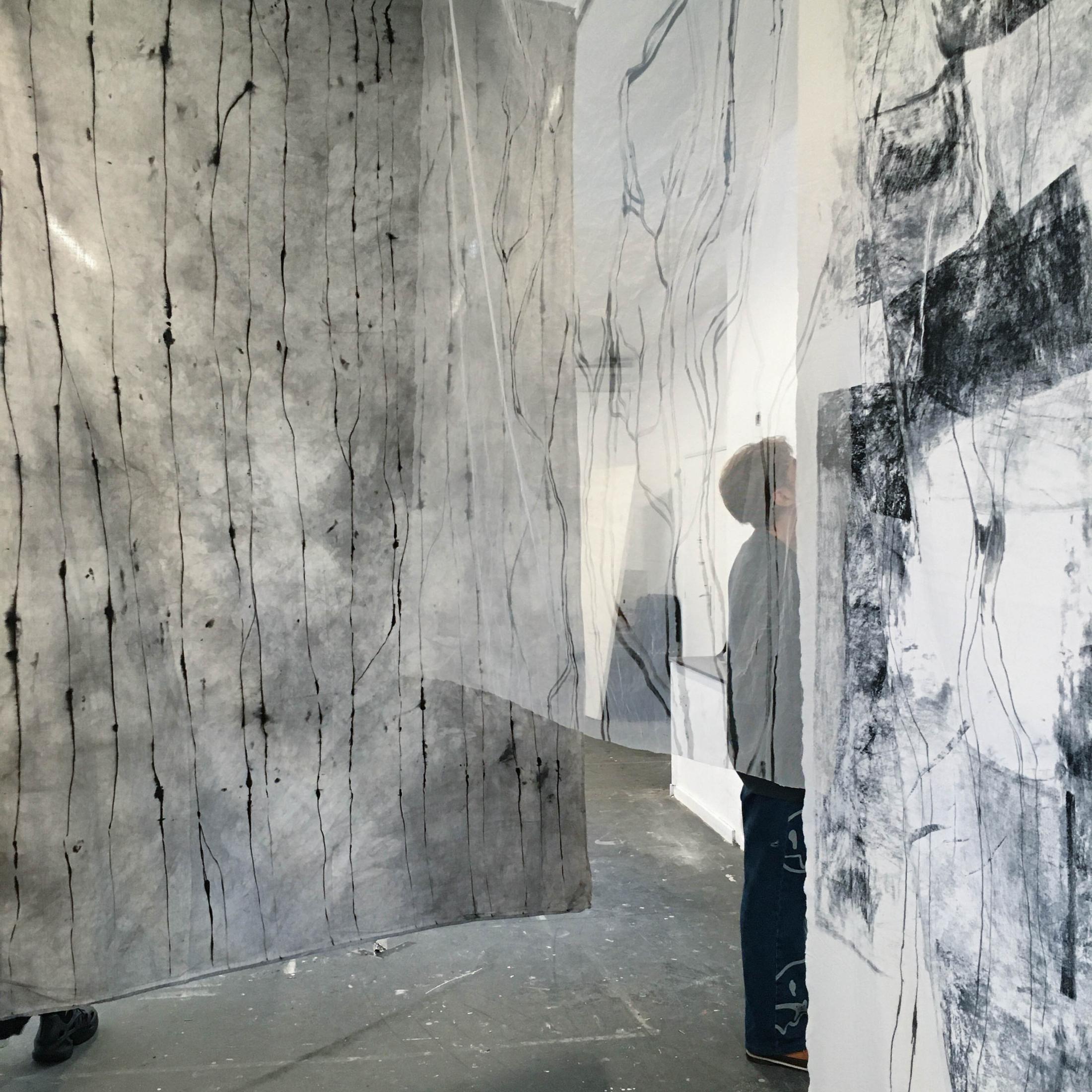
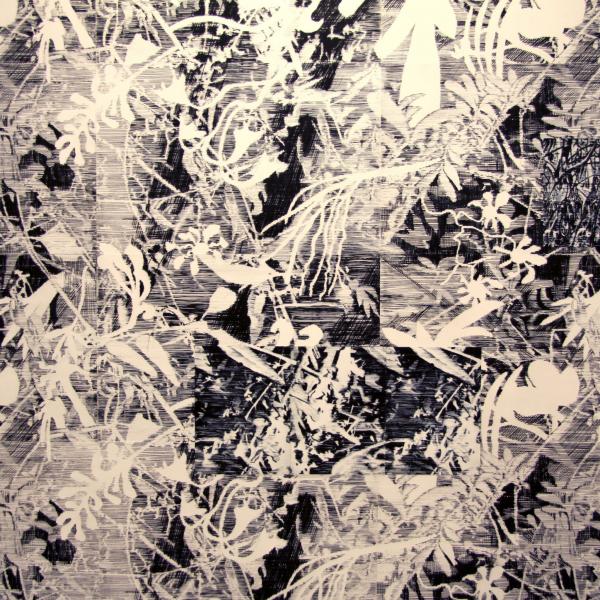
We explore screen printing within the field of the arts. Versatile, it offers the possibility to create new forms and to rethink its relationship to space and otherness.
Screen printing has a long history in the field of printed images. This tool has written and continues to write an entire chapter of social, political, and artistic history.
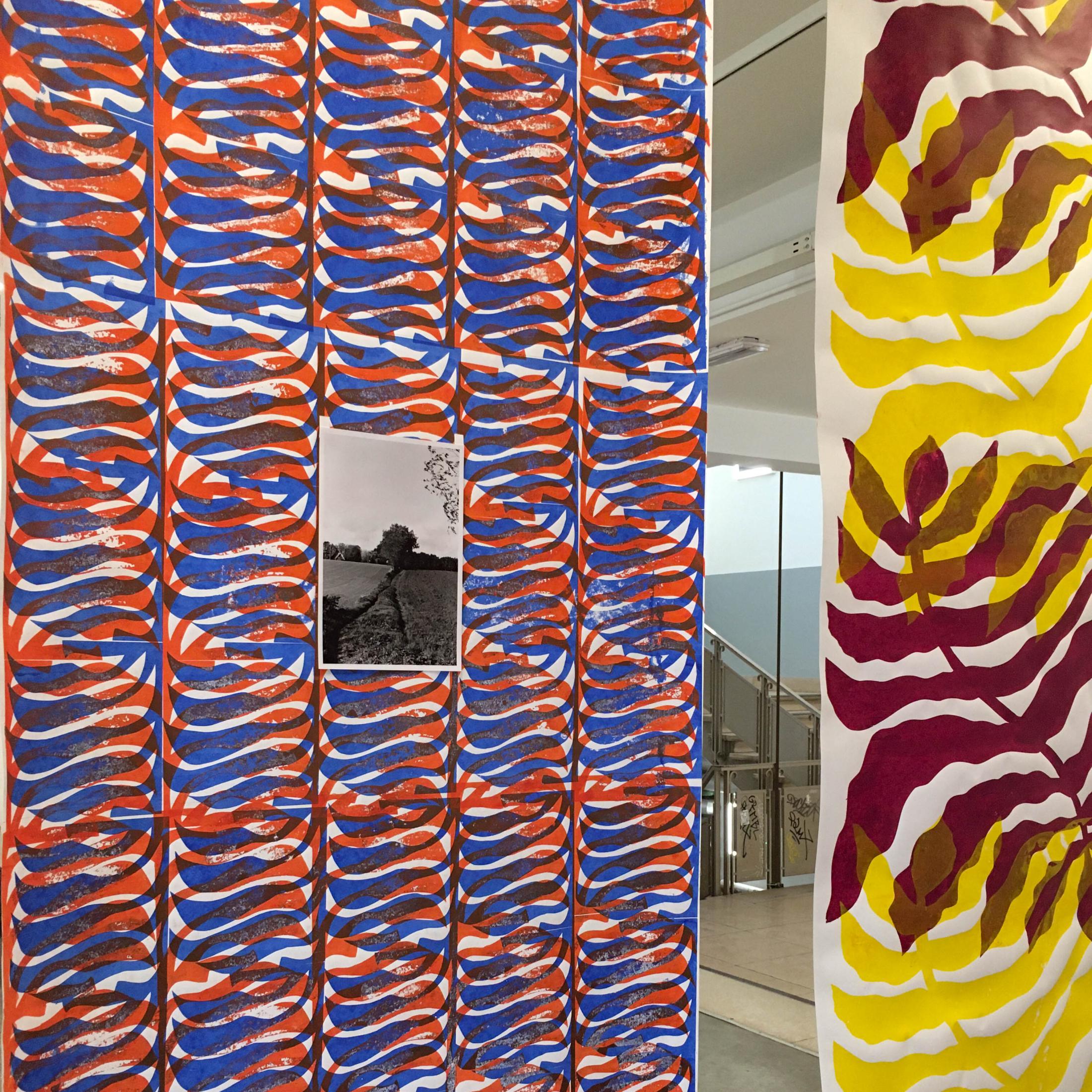
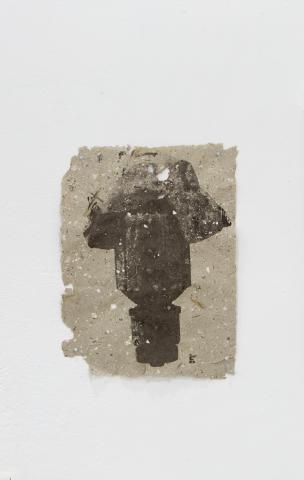
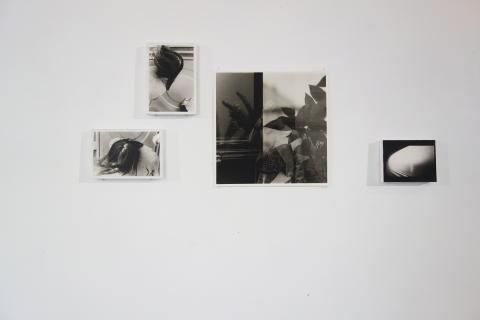
Versatile, it offers the possibility to create new plastic forms as well as to disseminate knowledge. At first glance simple to implement, screen printing allows printing on a multitude of surfaces and at various scales. It also opens up the possibility of the unique and the reproducible.
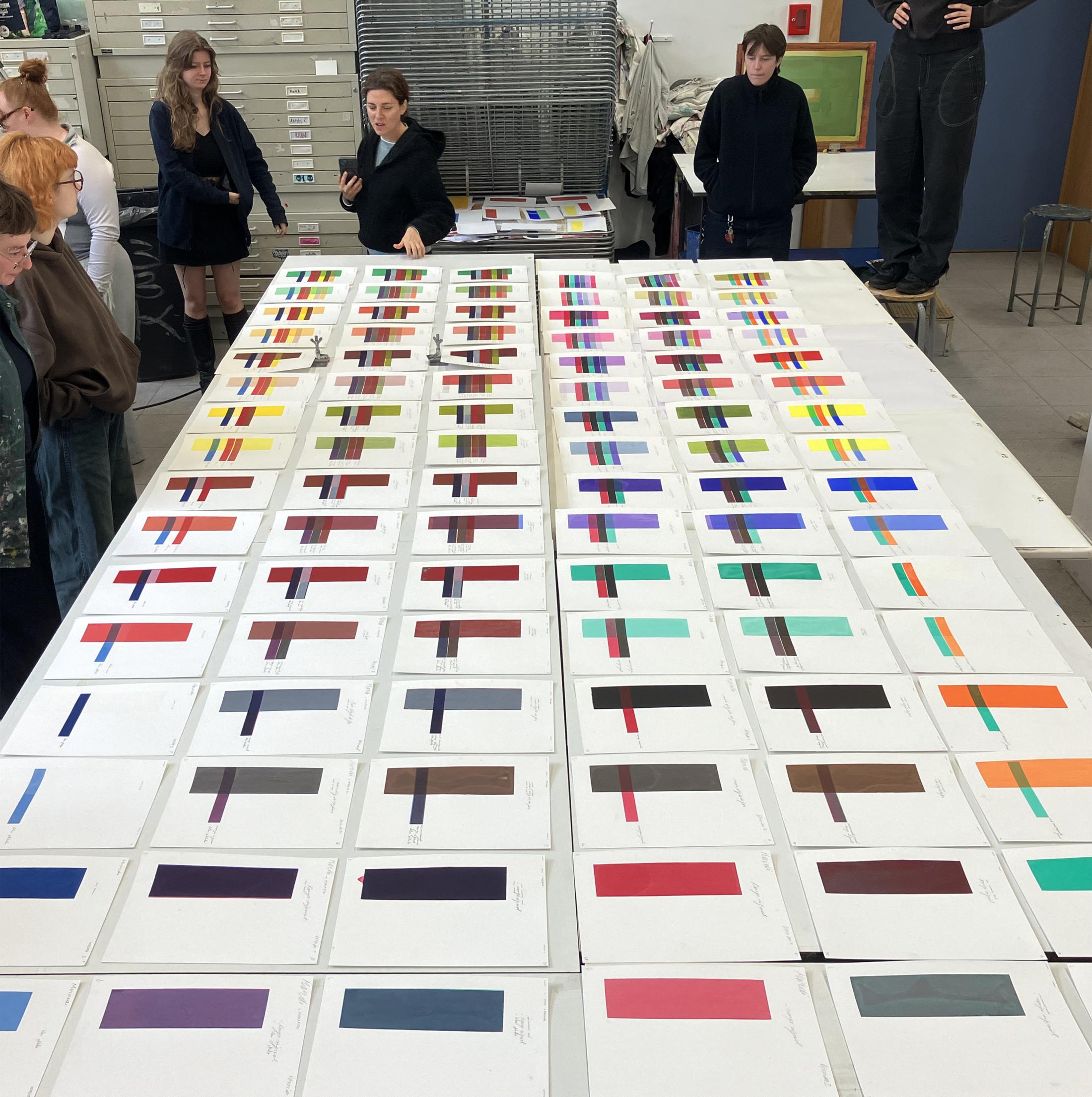
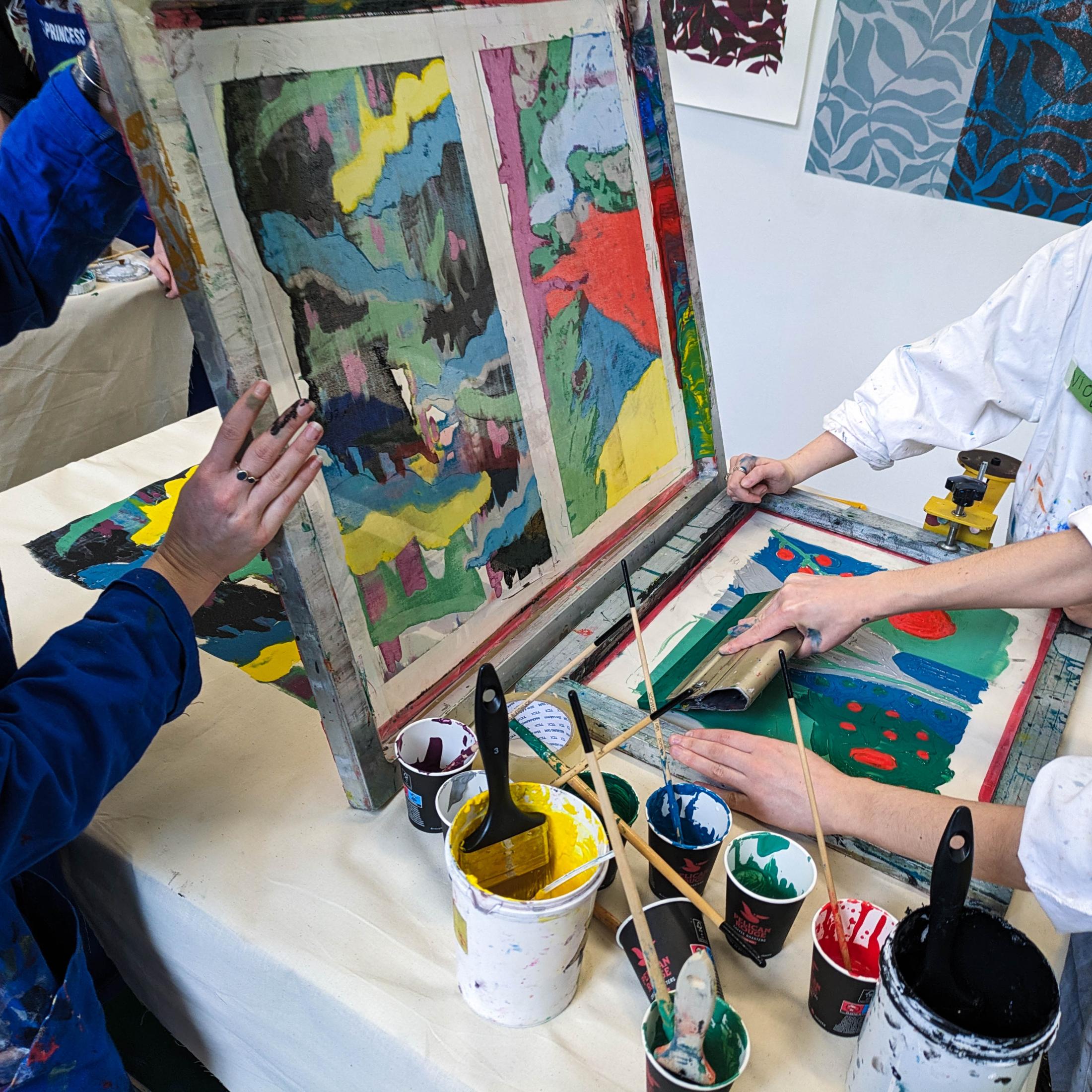
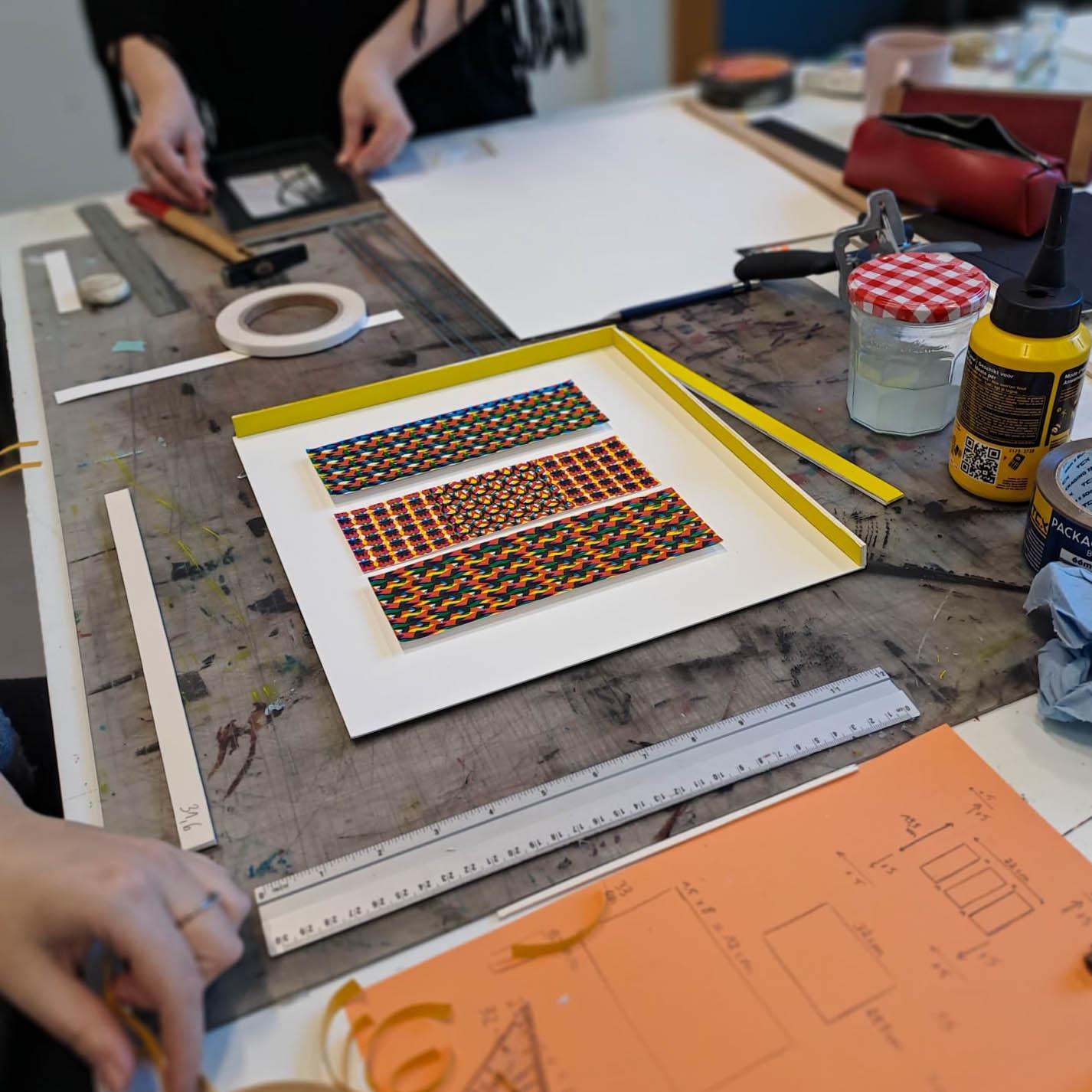
At ArBA-EsA, screen printing is explored within the field of art. Students seeking to find and discover their creative process examine the technique and its tools to develop their own ways of working. Making, thinking, and expressing form a dynamic. We understand the tool to use it, and we use it to understand it. Many gestures are involved. Juxtaposing, pasting, assembling, shaping, handling, weaving, arranging, constructing and deconstructing, learning and unlearning—all these make artistic practice a singularity in which each student engages with rigor, reflection, and distance. Experimentation helps develop one’s own repertoire of experiences, skills, and know-how.
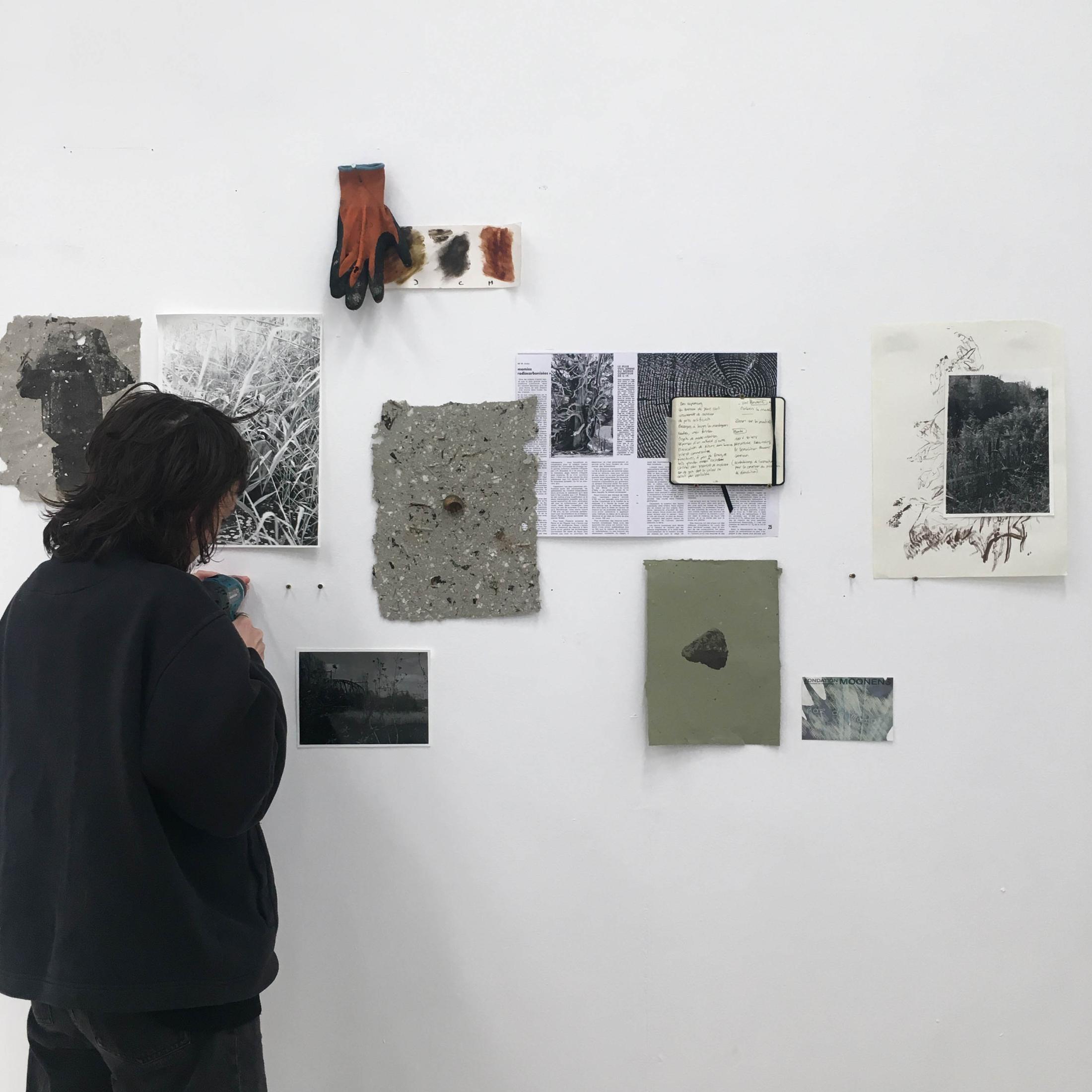
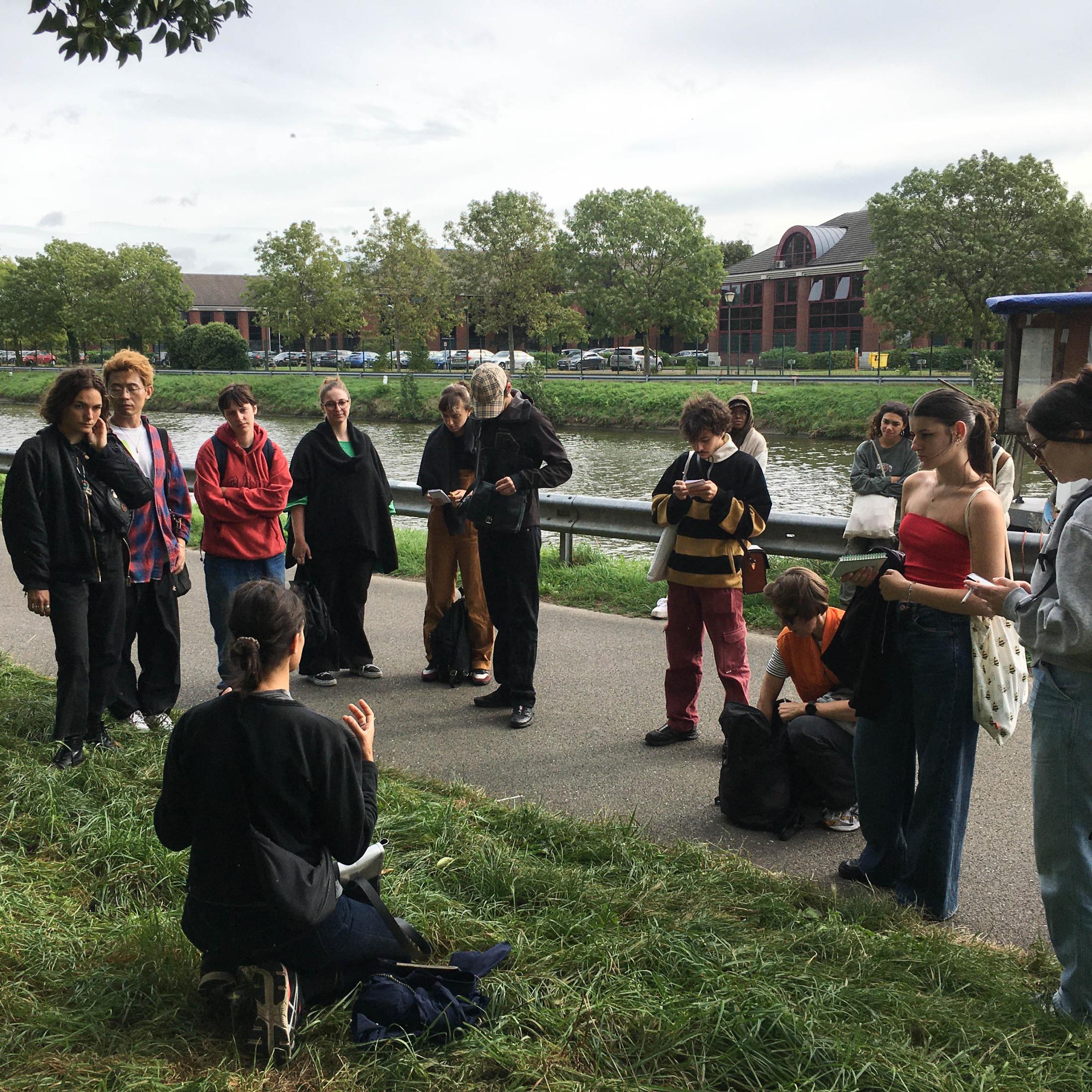
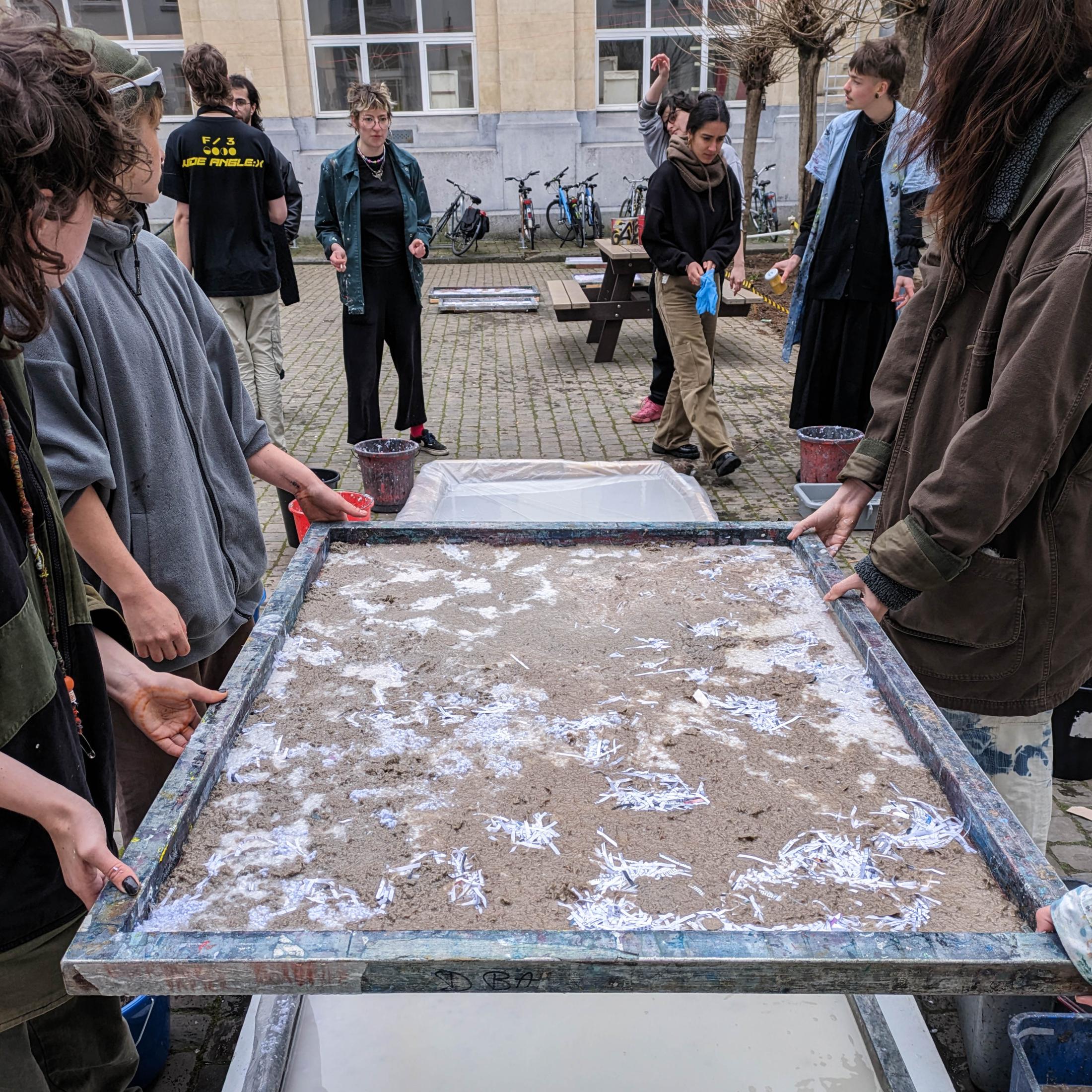
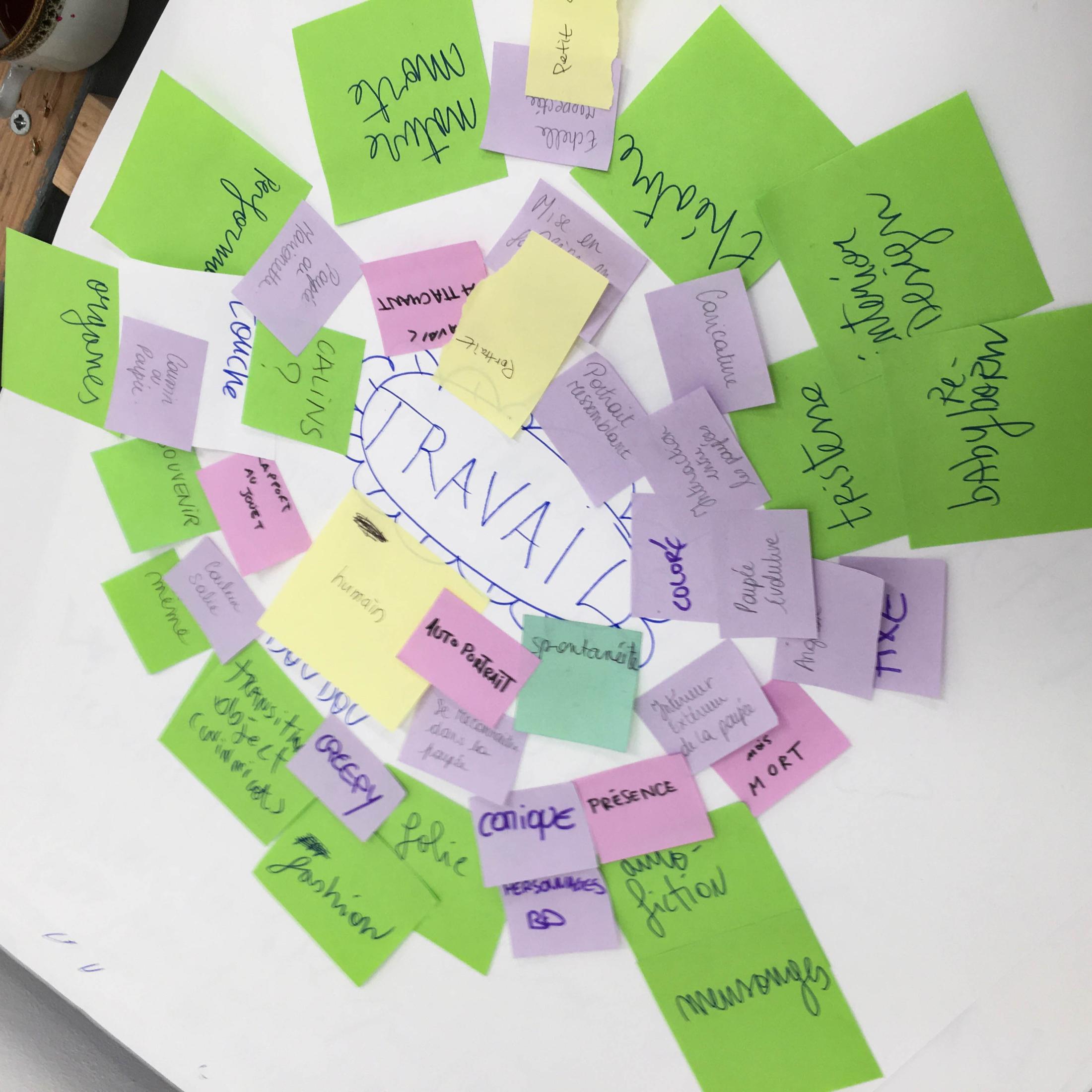
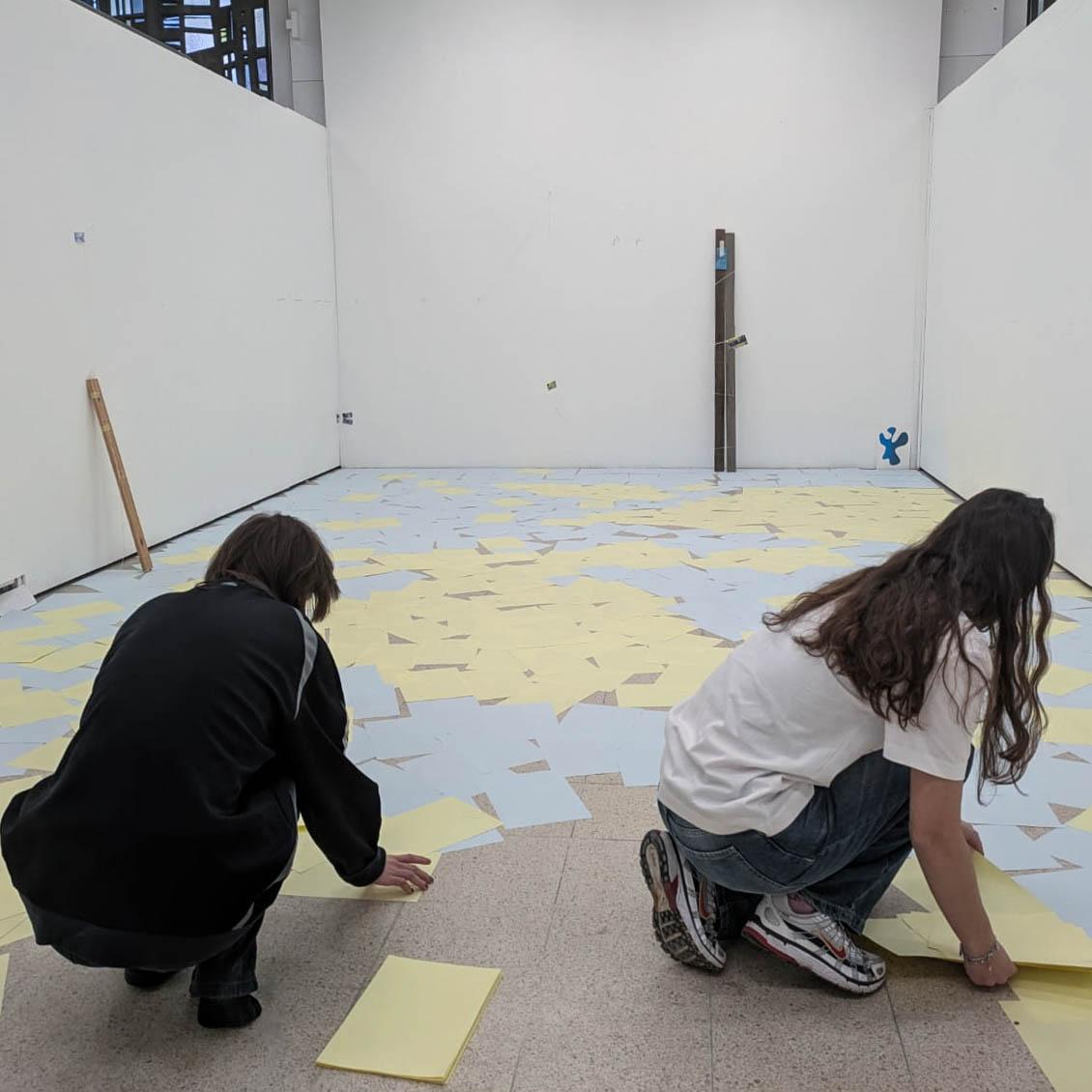
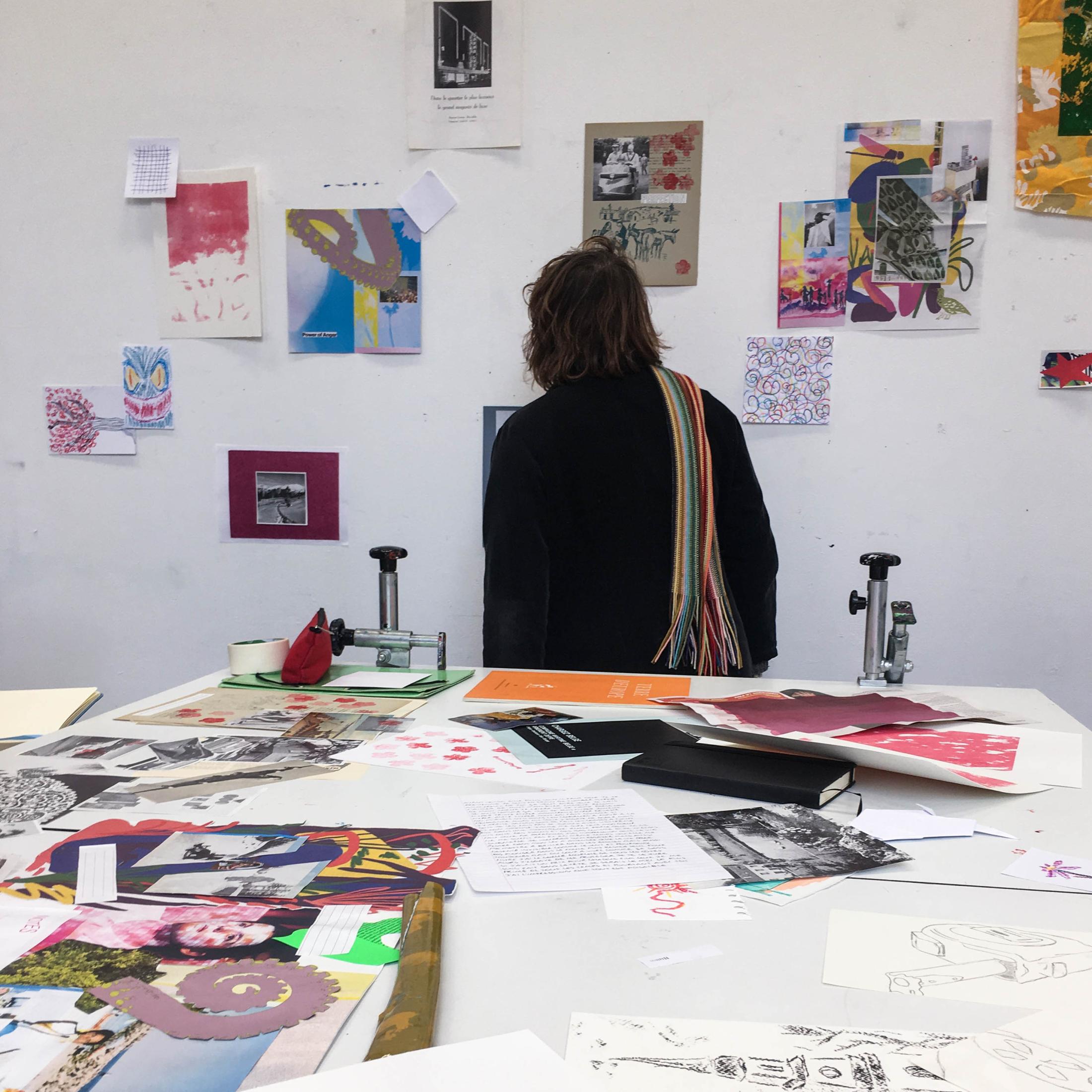
The workshop is experienced collectively. It is a dynamic space where individuals with singular practices meet. This coexistence encourages dialogue and listening, proposing ideas, making choices, and asserting positions. How do we look inward while turning toward others? How do we give form and materialize ideas to offer them to others’ gaze and experience? How do we create connections? Engagement in an artistic project involves participation in what is being built here and now, around and with us.
Transmission happens horizontally, in an attitude of kindness, respect, and openness to each person’s singularity. The teachers are artists/researchers/educators. They regularly collaborate with guest artists and contributors and organize inter-disciplinary projects.
Bachelor’s Degree – 180 credits – 1st cycle
B1
There are no prerequisites for entry into the first year; all types of backgrounds are welcome. However, a curiosity about artistic practices is necessary. The first year is often a time to discover the art school and what it is made of — the student finds the way in which they can inhabit it. The year is structured around technical exercises that help understand and master the technique. Thus, the student grounds themselves in the medium to begin expressing themselves. They find their own methodology and start a singular project through personal work and interests.
B2 and B3
The studio and the school, more generally, are experienced as inhabitable spaces offering resources and tools that the student takes hold of. They explore and experiment while beginning to give direction to their work. Exercises are proposed to reinforce skills and reflexivity. The time and space of the first cycle are used to initiate a personal approach and engage with singular questions. The student questions themselves and their tools. They appropriate these tools, potentially emancipating themselves from certain frameworks. They discover and understand the transition from practice to the process of realization and concretization of ideas.
Master’s Degree – 120 credits – 2nd cycle
During the time and space of the second cycle, the student commits to a singular approach and moves toward autonomy of thought and work. They are autonomous and aware of their approach while being attentive to the issues of contemporary practice into which they incorporate their uniqueness.
Their approach is rich and the plastic quality demanding. They have the ability to implement ideas, give them form, and express them to others.
There are many ways to leave an art school, and each person finds their own. In M2, the student outlines a horizon for what comes after and weaves connections with the field in which they operate.
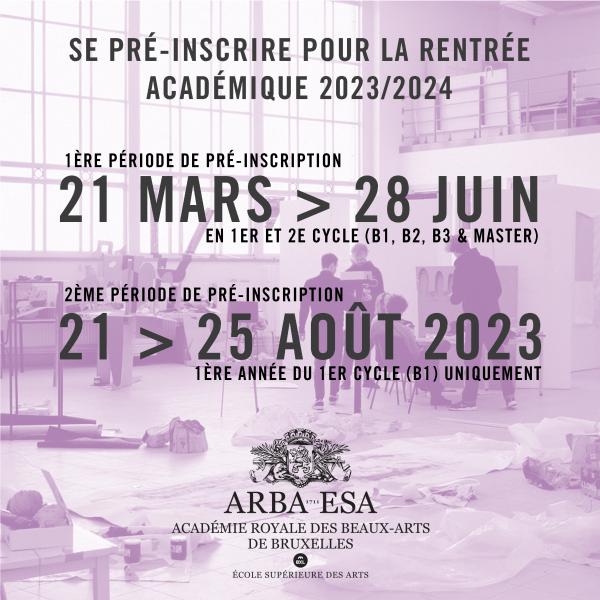
PRE-REGISTRATION:
All admission applications must be submitted via the admissions portal. The website allows you to apply and upload all the necessary documents for your pre-registration.
Entry into the First Year of the First Cycle (B1)
Admission into the first year of the Bachelor's program is subject to passing an entrance examination.
The exam consists of three parts: a practical test, a research-based test, and a motivation interview during which the candidate may present a portfolio of works.
The exam is open to all applicants; no prior artistic training is required.
Entry During the Bachelor’s Program (B2 and B3)
Admission into the second or third year of the Bachelor's program at ArBA-EsA is based on an artistic portfolio.
For selected candidates, an interview and/or practical test is organized and coordinated directly by the program coordinator.
Entry into the Second Cycle (Master's Program)
Admission into the Master's program is based on an artistic portfolio.
For selected candidates, an interview is organized and coordinated by the program coordinator.
➤ Plus d'informations sur les épreuves d'admission en Sérigraphie
Professeure et co-titulaire : Delphine Deguislage
Professeure et co-titulaire : Béatrice Lortet
Contact : serigraphie@arba-esa.be
Esther Le Roy, designer et typographe : UNLEARN ! Dans le cadre du projet inter-cursus.
Hélène Moreau, artiste plasticienne : Workshop dans le cadre du cycle « accrochage ».
Pierre de Belgique et Grégory Decock : Workshop « Piège à touristes ».
Emmanuelle Indekeu, directrice d'Island, Bruxelles : Workshop autour des Artist run spaces et de la pratique professionnelle.
Romain Poussin, artiste : Workshop « Imprimer l’imprimé ».
Maxime LeCalvé, anthropologue et ethnographe : Workshop autour de l'ethnographie et processus d’écriture.
Louise Bernatowiez, curatrice de Or Nothing : Workshop autour du cycle travail curatorial collectif et individuel.
Jury- expo de fin d’année hors-les-murs : Brasserie Atlas, La Vallée, ABKA Anderlecht, Espace Vanderborght, Le Lac.