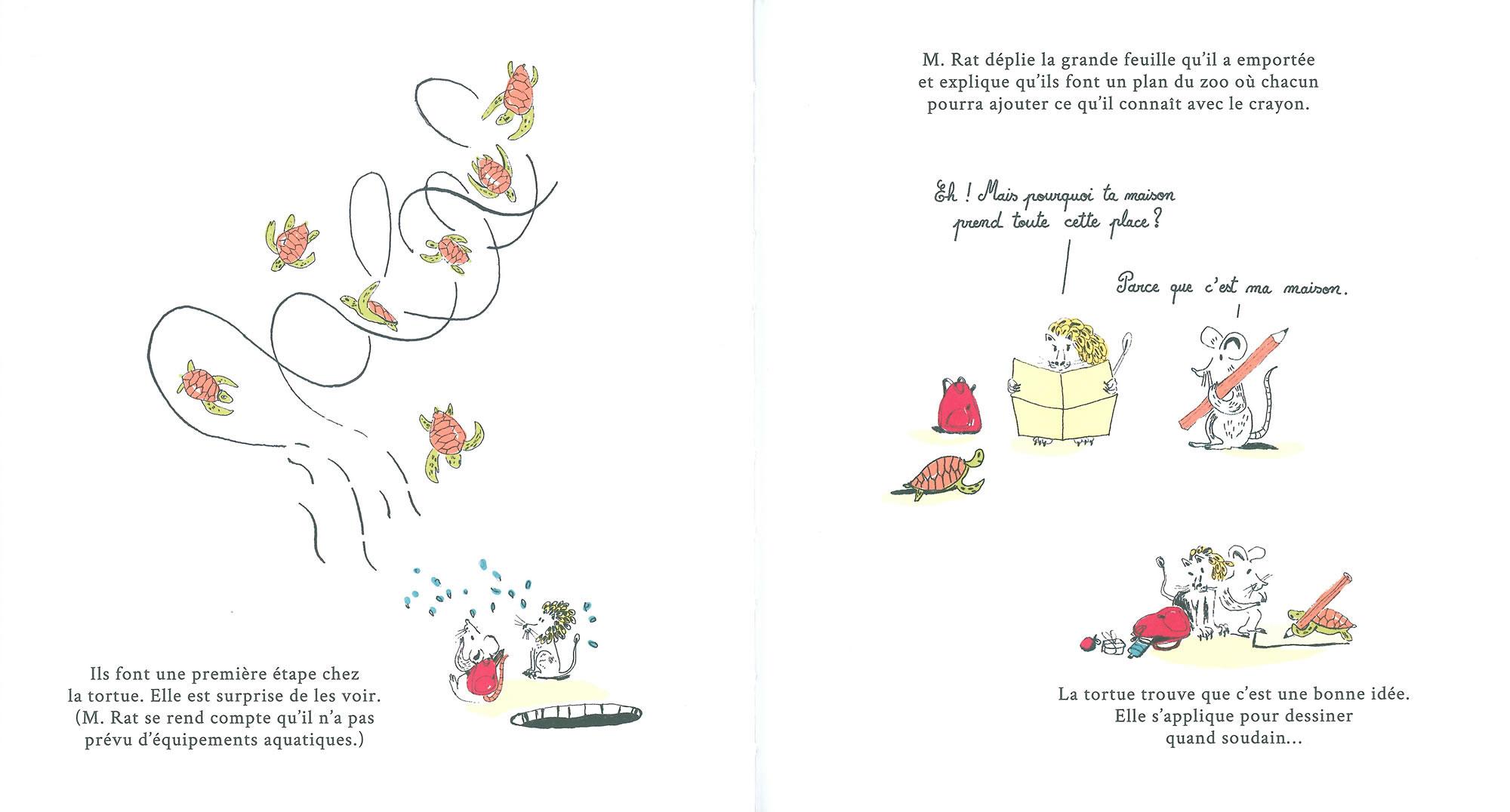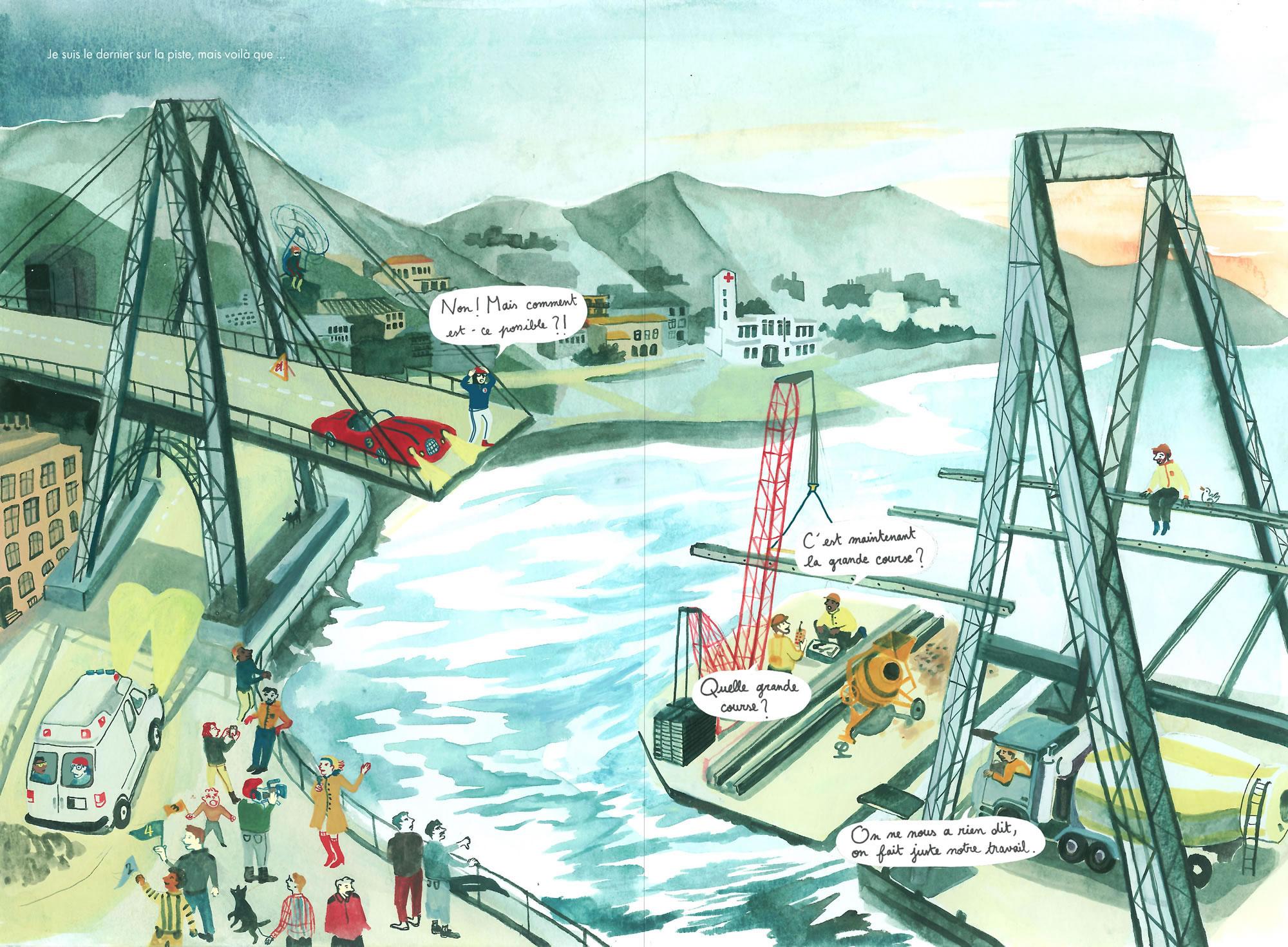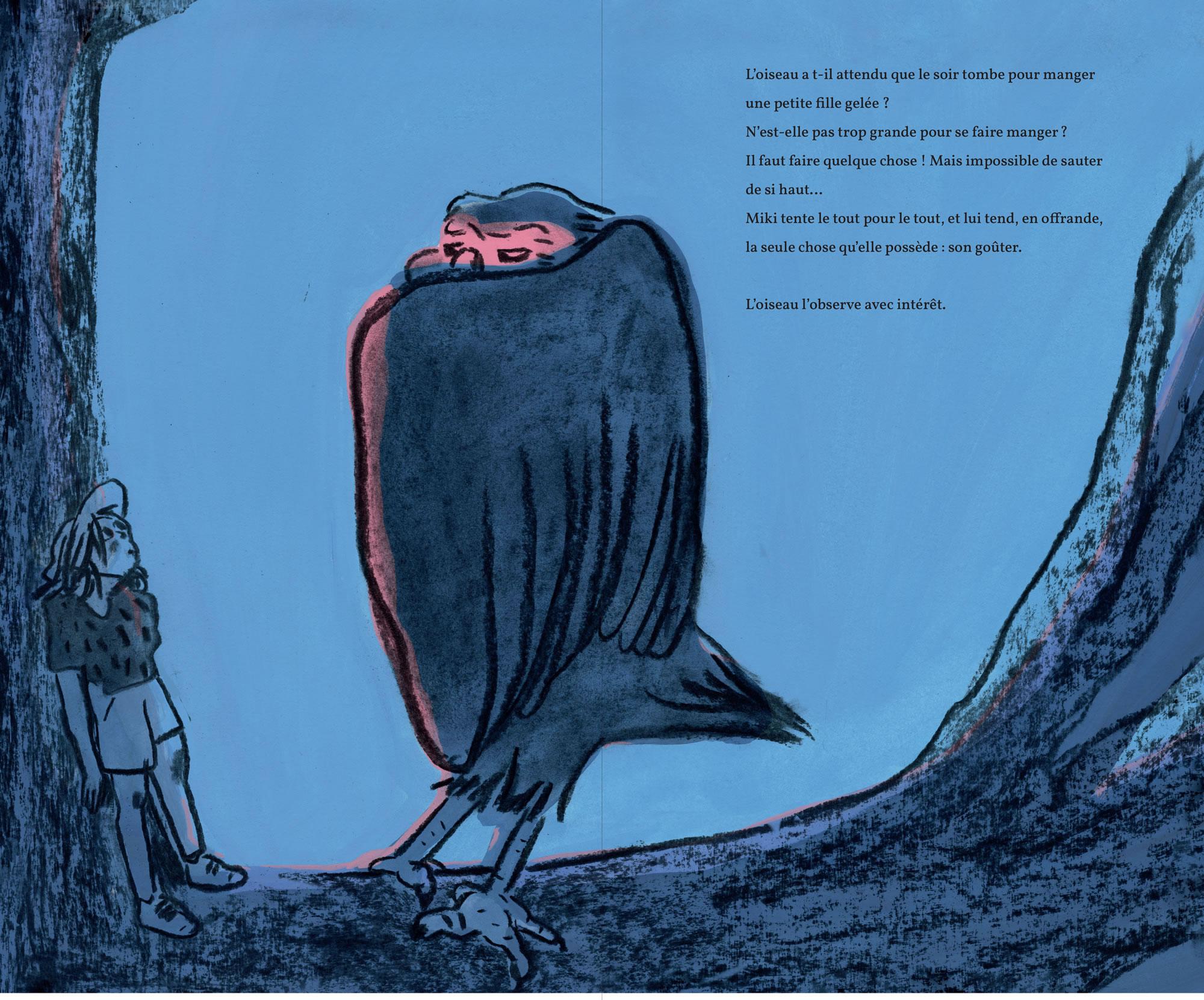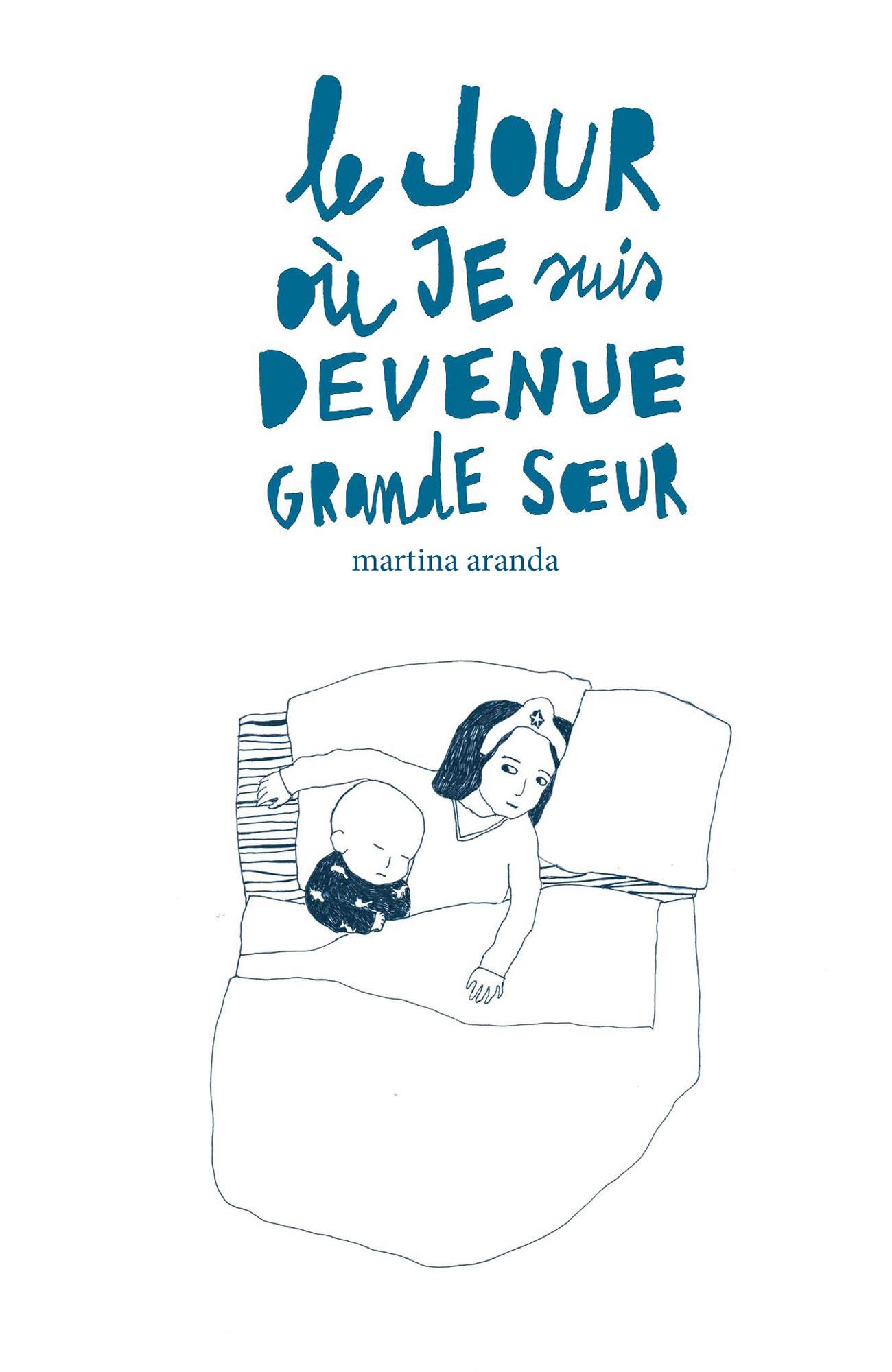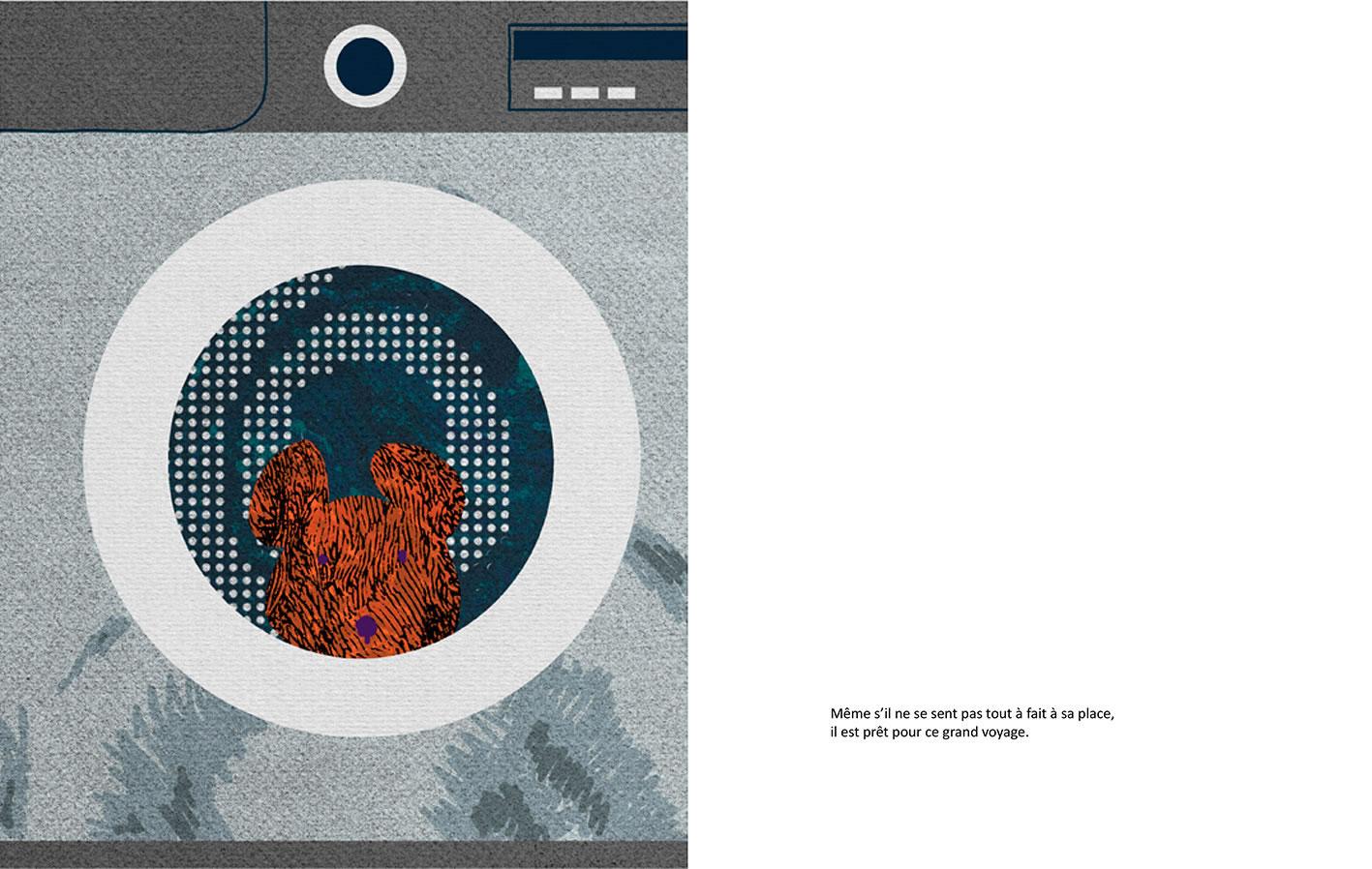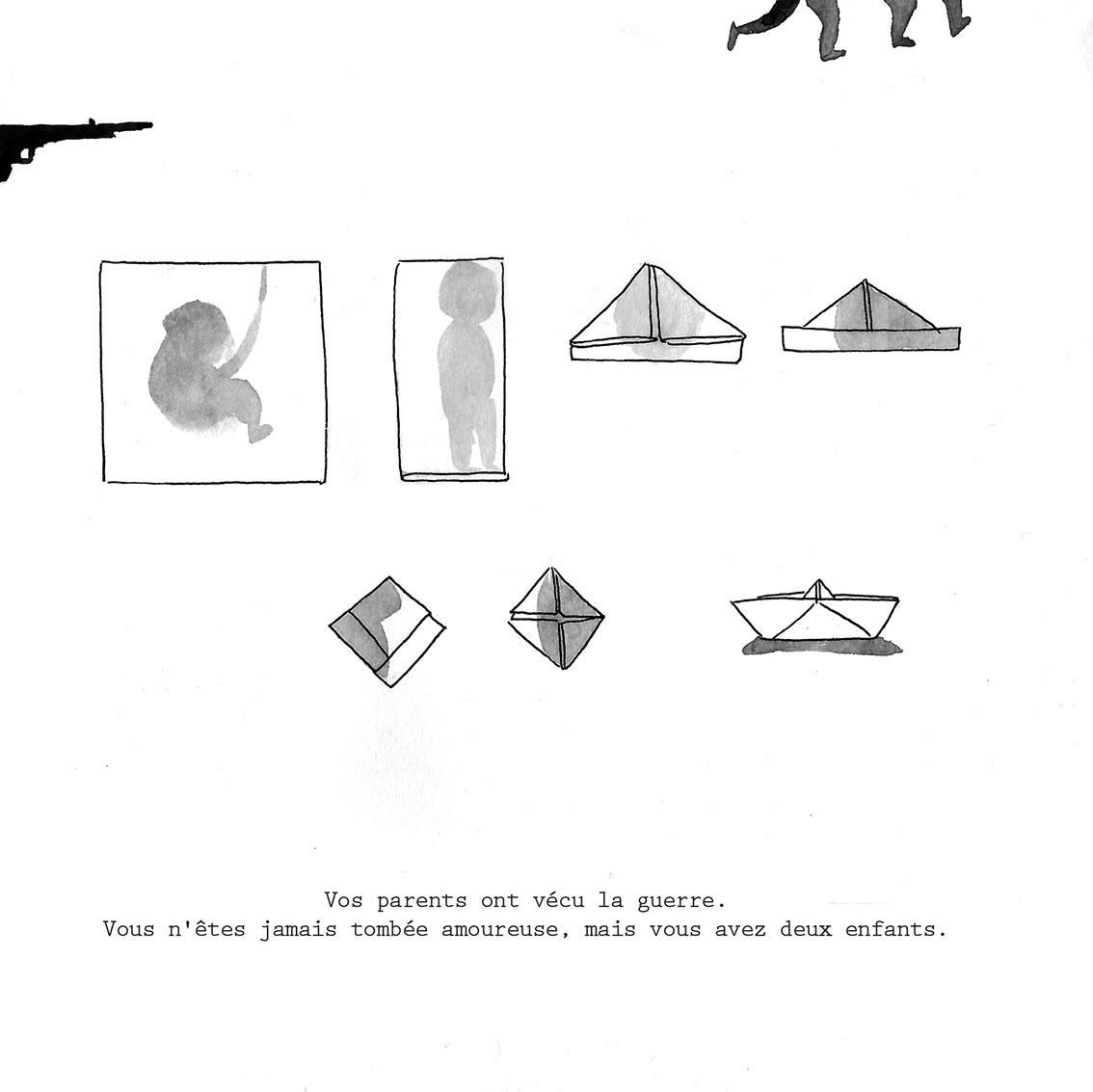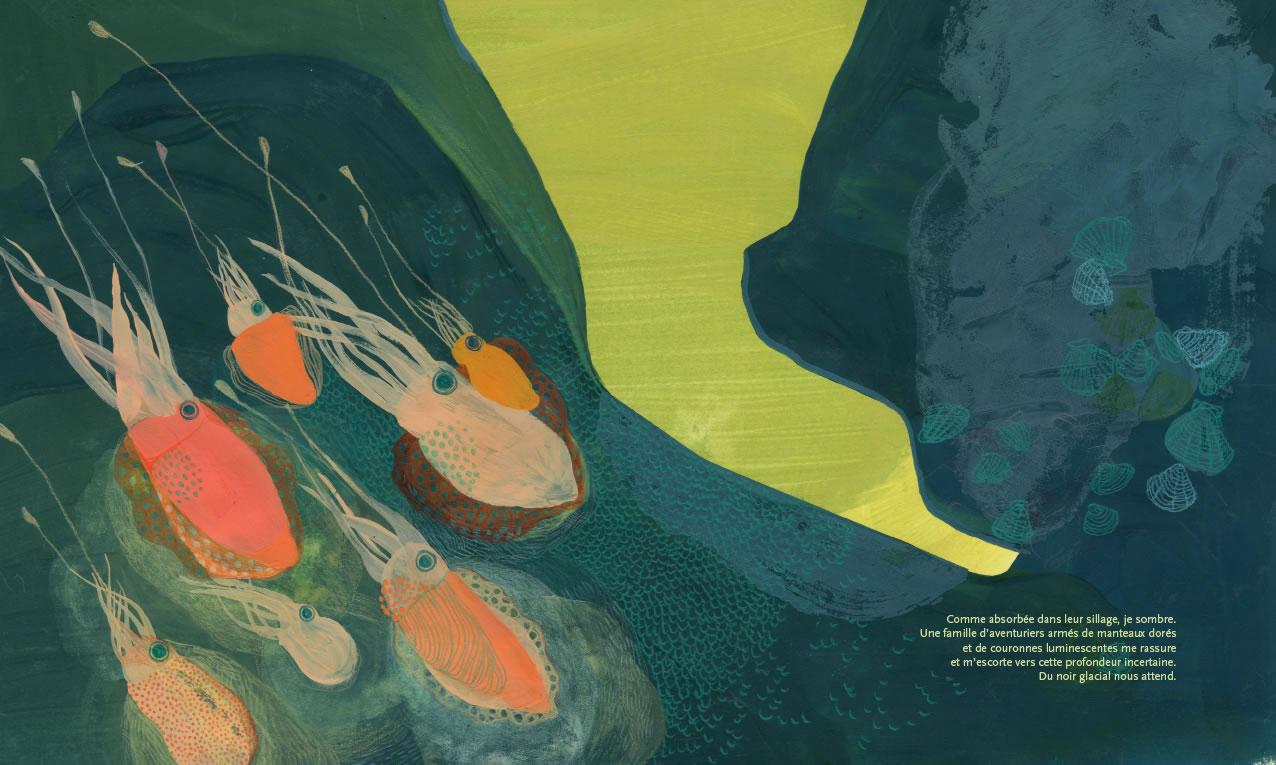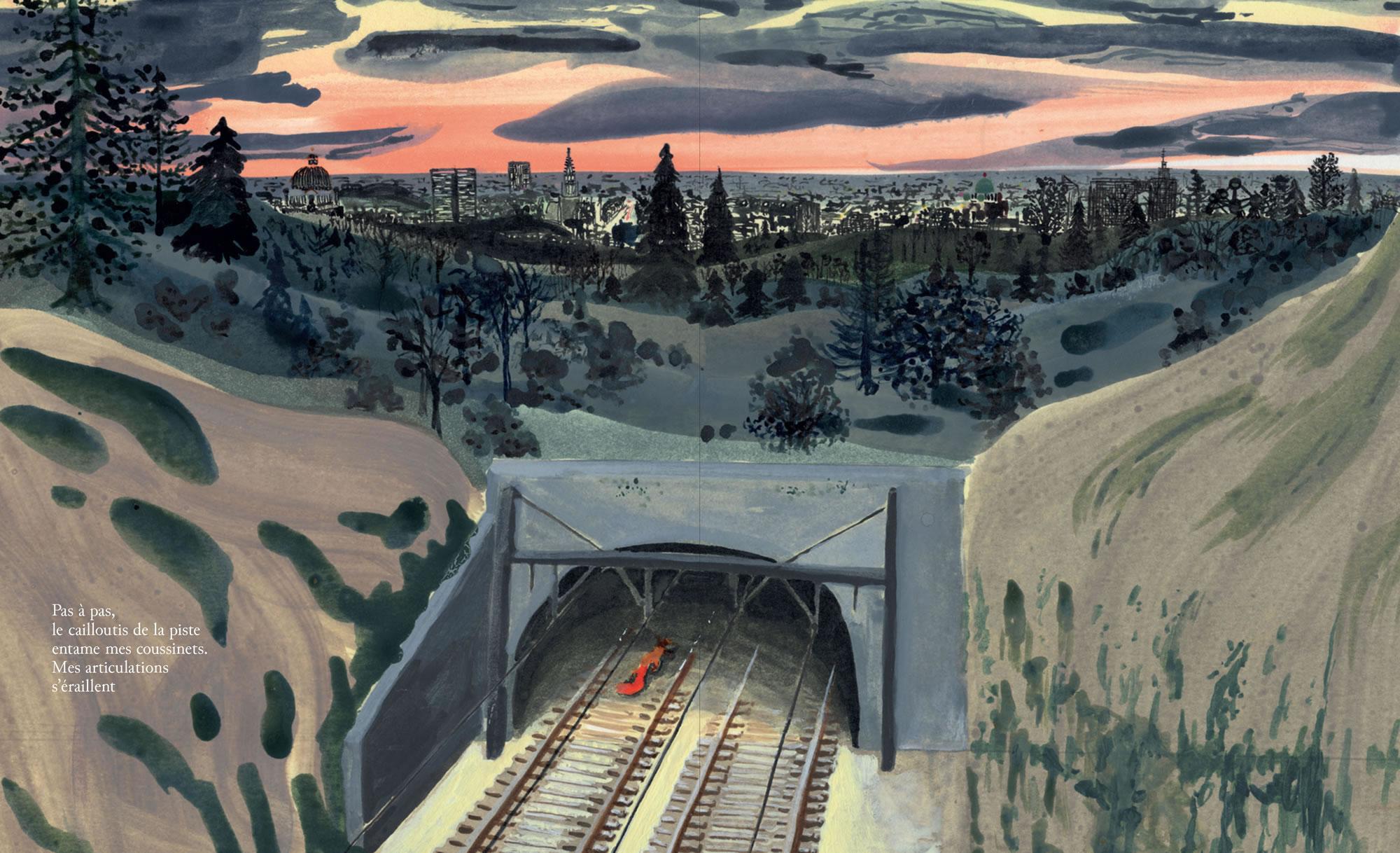
Illustration
An art school does not only train artists, nor does it simply train for a “job”: rather, we try to help our students find a way of being in the world.
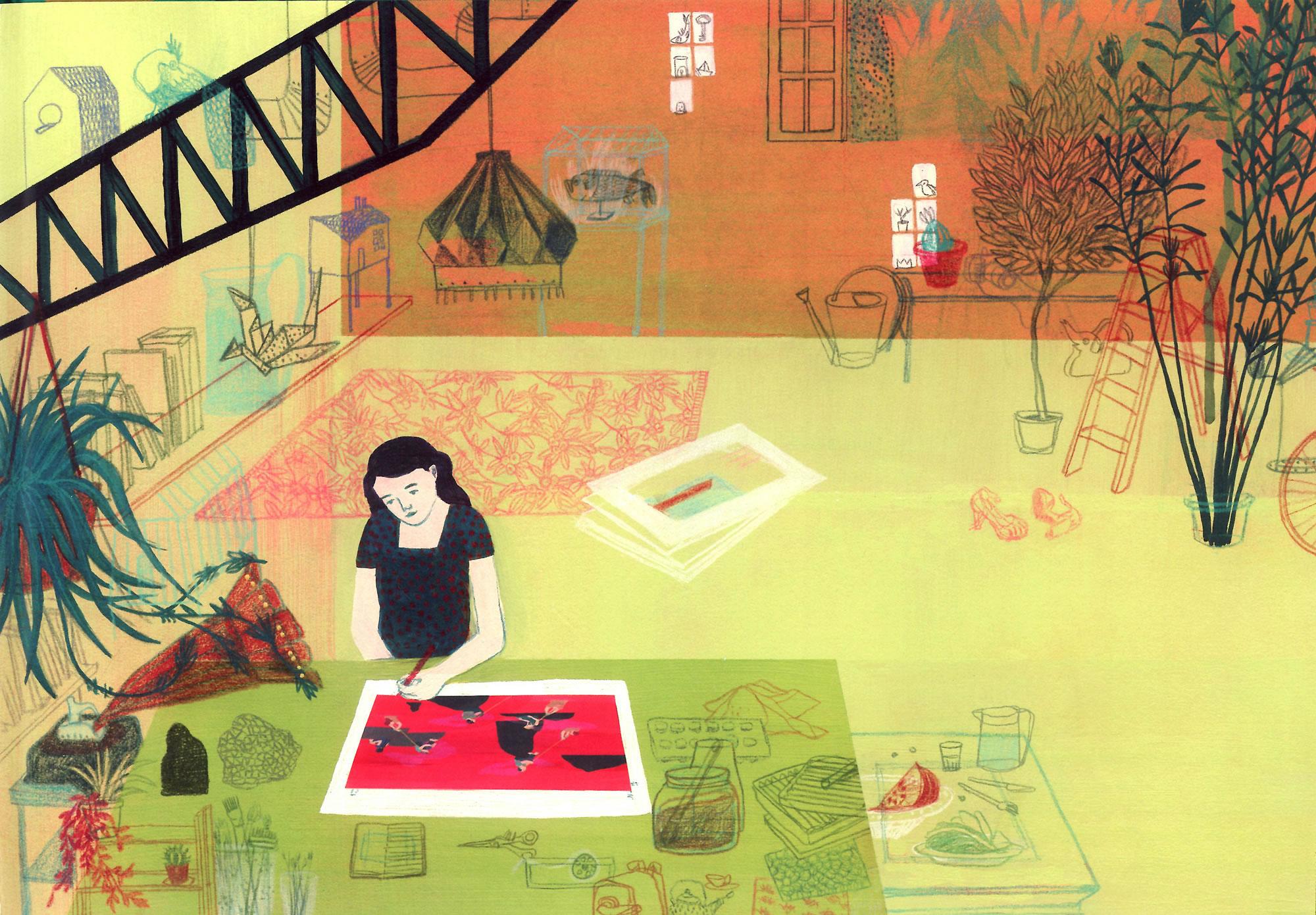
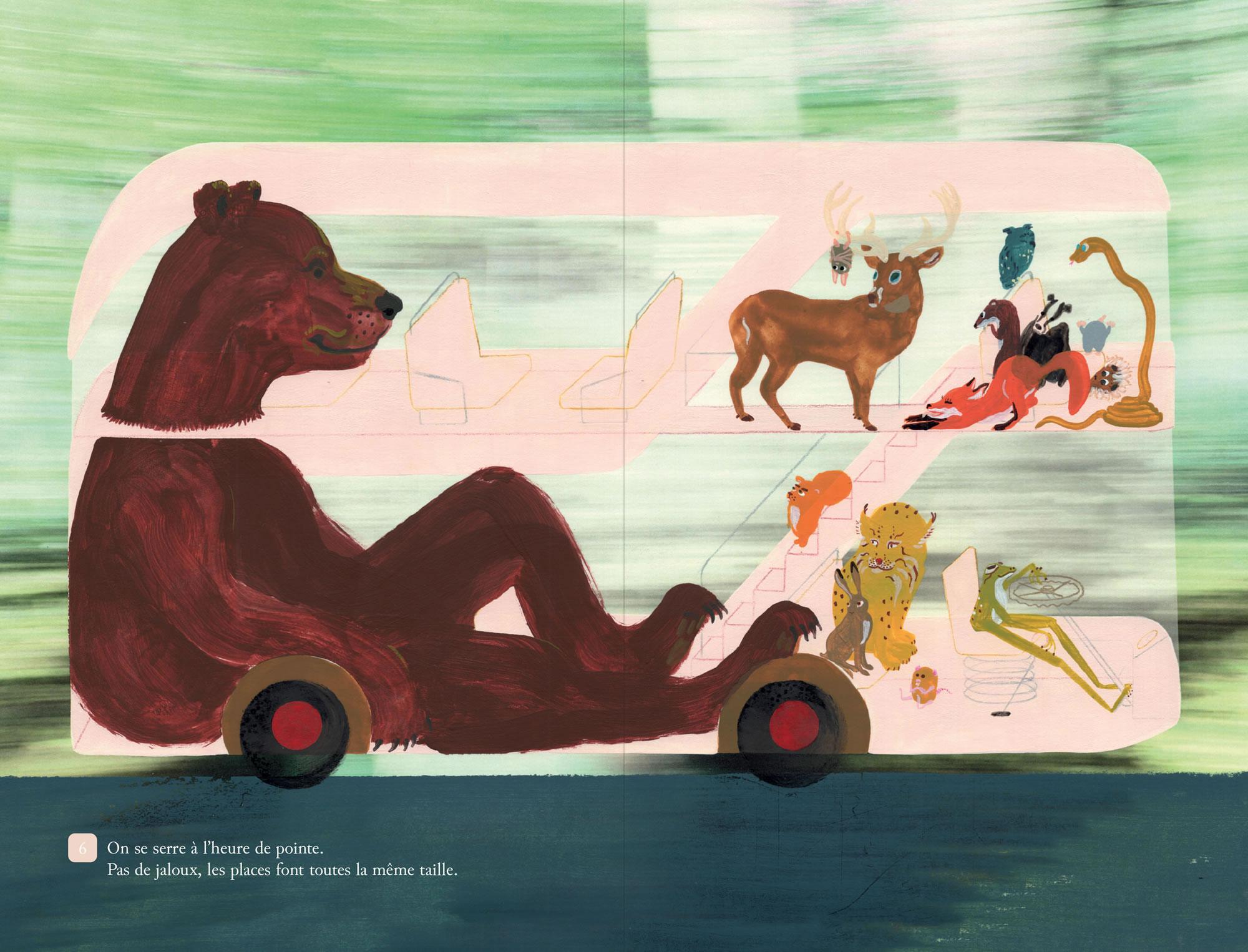
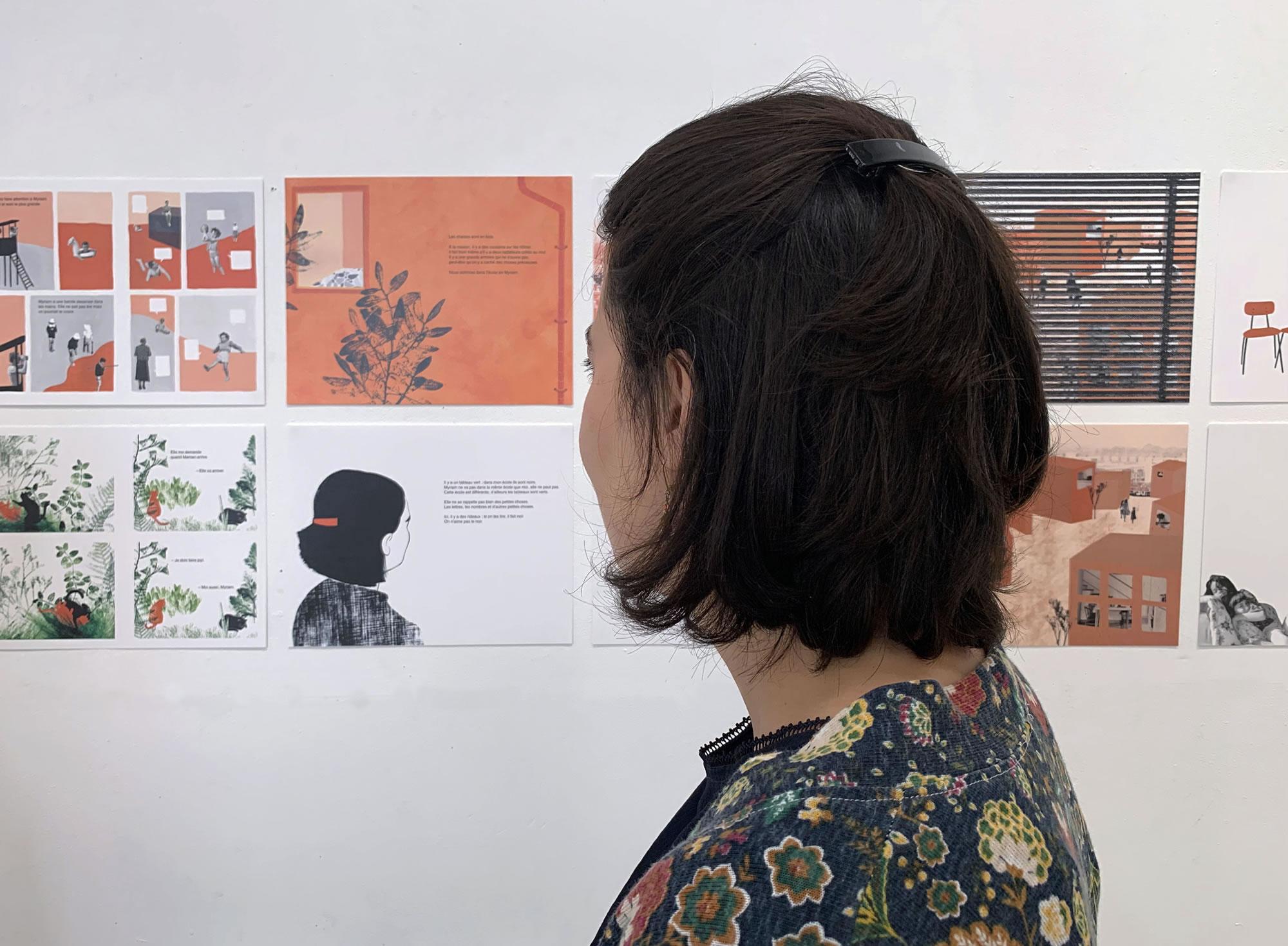
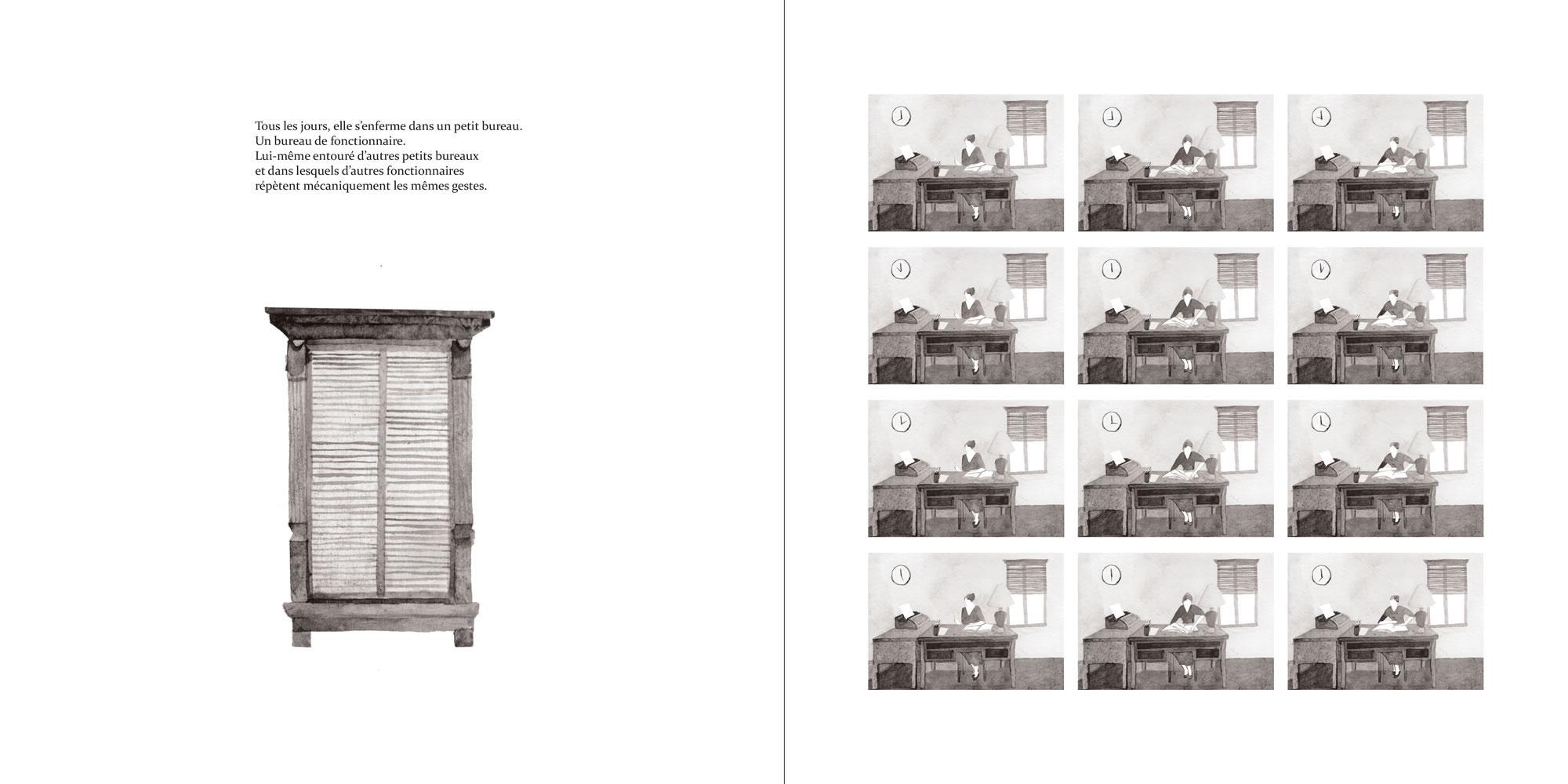
To illustrate is to undertake a personal process of research and imagination that respects a set of imposed or requested imperatives and uses, to translate this investigation into images, widely developed appropriate techniques.
Learning Illustration, or the paradoxes of a pedagogy
An illustration pedagogy must take into account the essential communicative nature of this discipline and the conflicts it presupposes, but by transcending them into the “rules of the game,” those of creating a work that is personal despite the rules. Only a certain culture, a sensitivity to humanity, and an inherent critical reluctance can free one from conformism and trends. The illustration workshop, through the diversity of its technical and plastic experiments and in counterpoint to its information on current graphic design, is underpinned by this concern. It also familiarizes students with another kind of diversity, that of professional outlets: from books to magazines, from didactic to imaginary… “The crossroads of possibilities.”
Integration into a structure
The illustrator is a full-fledged artist, and the Academy must count their art among its disciplines. The collective structure of the workshops offers a field of discussions, confrontations, and judgments that prepare students for the strategies of the profession.
The means of a revelation
“Nothing can be learned that is not already hidden knowledge... All teaching is revelation.” — Sri Aurobindo. And because our teaching aims to be a “revelation,” it is important that at the start we detect, more or less, this hidden knowledge in the future student. If this predisposition does not exist, its revelation remains impossible, regardless of the teacher’s skill...
There will therefore be paths to take, necessary steps, and objectives that an illustration workshop must address through its activities.
At the base, visual curiosity must be developed, but above all, a way of seeing that, if possible, moves from the “seen” thing to the “known” thing. Manual skill must be exercised and refined, aiming at an almost instinctive, correct response to any desire to express.
We know it is important to test the relationships between text and image and image to text, a delicate play that sorts, within a personal cultural background of images, those that fit the perceived discourse. We also know that improvisation is dangerous and that the student must practice developing a personal project within given imperatives, both without losing originality and the pleasure of creation and without betraying those imperatives. Learning compromise.
With the project on the table, a whole critical reflection must weigh on it — its value, its future, its alternative executions... The illustrator must also become familiar with this exercise.
The development of this critical sense will help in the personal appreciation of the work done or the awareness of individual specific abilities. Transmitting an attitude is as important as transmitting know-how.
Paths, steps, objectives: are there not others beyond those suggested here? Certainly: on occasion of new deficiencies, along the course of activities, according to individuals, or in response to new demands of the image world, other tools will need to be provided...
Depending on what the student wants to express, all teaching aims to give them the means to translate it through a readable, communicative image, respecting the audience to which it is meant to address, respecting the requirements or, more tacitly, the status of that audience. And all the better if, in addition, the illustrator finds happiness in creating that image, and, by already presuming it will be seen, understood, and appreciated, draws a happy satisfaction. Pleasure of creating, pleasure of communicating: the pleasure of Illustration.
BACHELOR 180 CREDITS 1ST CYCLE
B1
The course aims for the student to:
- become familiar with the tools, techniques, and media specific to pursuing an artistic curriculum
- develop powers of observation and expression
- engage in a play of plastic questions and answers that will determine the development of a personal project
- understand the workings of a communication image
- be capable of reflecting on the relationship between text and image
- organize and articulate ideas clearly to place the question of meaning at the center of their work
- learn to recognize the creative process: identify the choices they face during implementation and become aware of their ethical, plastic, and narrative stakes.
B2
The course aims for the student to:
- experiment with the tools, techniques, and media specific to the development of their project
- engage in a play of plastic questions and answers that will determine the development of a personal project
- understand the workings of a communication image
- be capable of reflecting on the relationship between text and image
- organize and articulate ideas clearly to place the question of meaning at the center of their work
- learn to recognize the creative process: identify the choices they face during implementation and become aware of their ethical, plastic, and narrative stakes
- develop a working methodology
- approach the production of a narrative considering the complementarity of image, text, layout, and support
- initiate work as an author/illustrator.
B3
The course aims for the student to:
- master the tools, techniques, and media specific to the development of their project
- understand the workings of a communication image
- be capable of reflecting on the relationship between text and image
- organize and articulate ideas clearly to place the question of meaning at the center of their work
- recognize the creative process: identify the choices they face during implementation and become aware of their ethical, plastic, and narrative stakes
- produce a narrative considering the complementarity of image, text, layout, and support
- combine an “expression of personal image” with an image of “communication”
- develop work as an author/illustrator.
MASTER 120 CREDITS 2ND CYCLE
M1
Generally, the course aims to lead the student towards autonomy by allowing them to develop an original and coherent illustrative project of writing and/or images, taking into account cultural, social, economic, and editorial constraints. The goal is to affirm a position as author/illustrator by confirming their graphic and/or plastic practice and situating their work culturally.
M2
Generally, the course aims to lead the student towards autonomy, entry into professional life, or preparation for theoretical research work. The student must be able to develop an original and coherent illustrative project of writing and/or images, considering cultural, social, economic, and editorial constraints. The goal is to affirm a position as author/illustrator by confirming their graphic and/or plastic practice and situating their work culturally. Additionally, at the end of the year, they must present a relevant spatial presentation of their work.
The student must be able to master form and content at the conceptual, artistic, technical, and theoretical levels.
PRE-REGISTRATION:
All admission applications must be submitted via the admissions portal. The website allows you to apply and upload all the necessary documents for your pre-registration.
Entry into the First Year of the First Cycle (B1)
Admission into the first year of the Bachelor's program is subject to passing an entrance examination.
The exam consists of three parts: a practical test, a research-based test, and a motivation interview during which the candidate may present a portfolio of works.
The exam is open to all applicants; no prior artistic training is required.
Entry During the Bachelor’s Program (B2 and B3)
Admission into the second or third year of the Bachelor's program at ArBA-EsA is based on an artistic portfolio.
For selected candidates, an interview and/or practical test is organized and coordinated directly by the program coordinator.
Entry into the Second Cycle (Master's Program)
Admission into the Master's program is based on an artistic portfolio.
For selected candidates, an interview is organized and coordinated by the program coordinator.
➤ Plus d'informations sur les épreuves d'admission en Illustration
Professeur titulaire : Chloé Perarnau
Assistante : Anne Simon
Professeur de l'orientation : Bruno Goosse
Contact : illustration@arba-esa.be
Partenariat avec le Picture Festival workshops, conférences, expositions...
Partenariat annuel avec le Créahm (Bruxelles) : workshops avec des artistes du Créham en situation de handicap mental.