Master in Exhibition Practices / CARE
To be attentive to the artworks, the artists, the qualities of the spaces, the audiences, the installations, and all the stages that structure and bring the exhibition to life.
The Master’s in Exhibition Practices (CARE) is a two-year study program. It awards a Master’s degree in Plastic, Visual, and Spatial Arts, specializing in Exhibition Practices (120 ECTS credits).
While experimenting with creative and research forms close to those of a curator, the master’s program remains open to any profile that may somewhat depart from the usual distinction between creator, receiver, commentator, and their many intermediaries. Attuned to the evolving art world—which has seen many imaginative figures take on multiple roles (curator-artist or artist-curator, artist-mediator, artist-manager, etc.)—the program encourages reflection on and exploration of the plural practices (or practices in the plural) surrounding exhibitions. Students develop unique projects within a collective dynamic, maintaining openness and constant attention to the other: artwork, artist, venue, viewer.
This specific master’s program is aimed at students holding a bachelor’s degree (180 ECTS) or those who can demonstrate equivalent personal or professional experience, engaged in a distinctive practice and eager to deepen and develop a reflection on the issues of contemporary exhibitions.
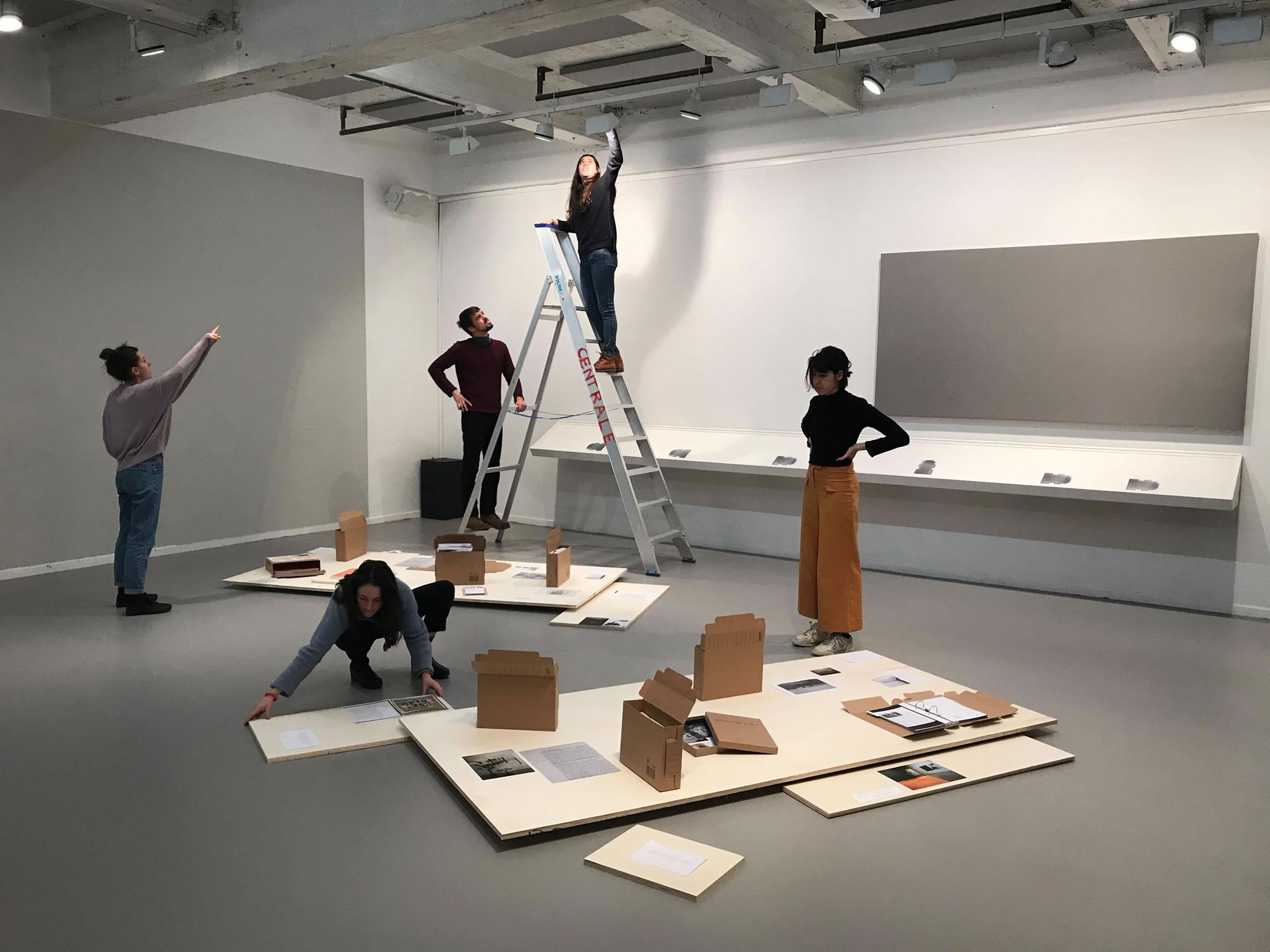
The program is built in close collaboration with specialized venues and has a privileged partnership with the contemporary art center of the City of Brussels, La CENTRALE, where students are hosted throughout the year.
CARE stands at the crossroads of the art center and art school, disciplines, curricula, media, and practices. And it is here that it must reinvent itself: in this hybridity. The master investigates the plural practices of the exhibition, its installations, writings, and spaces. It questions the roles, figures, and behind-the-scenes work of exhibitions and pays special attention to intermediary positions (mediator, guardian, manager, production or communication officer, critic, curator, scenographer, etc.). The permeability of disciplines and roles is seen within the program as a fertile field of investigation, with the key being to develop work that is as close as possible to the student’s personality but also, and above all, open to others, within a dynamic and collective research process.
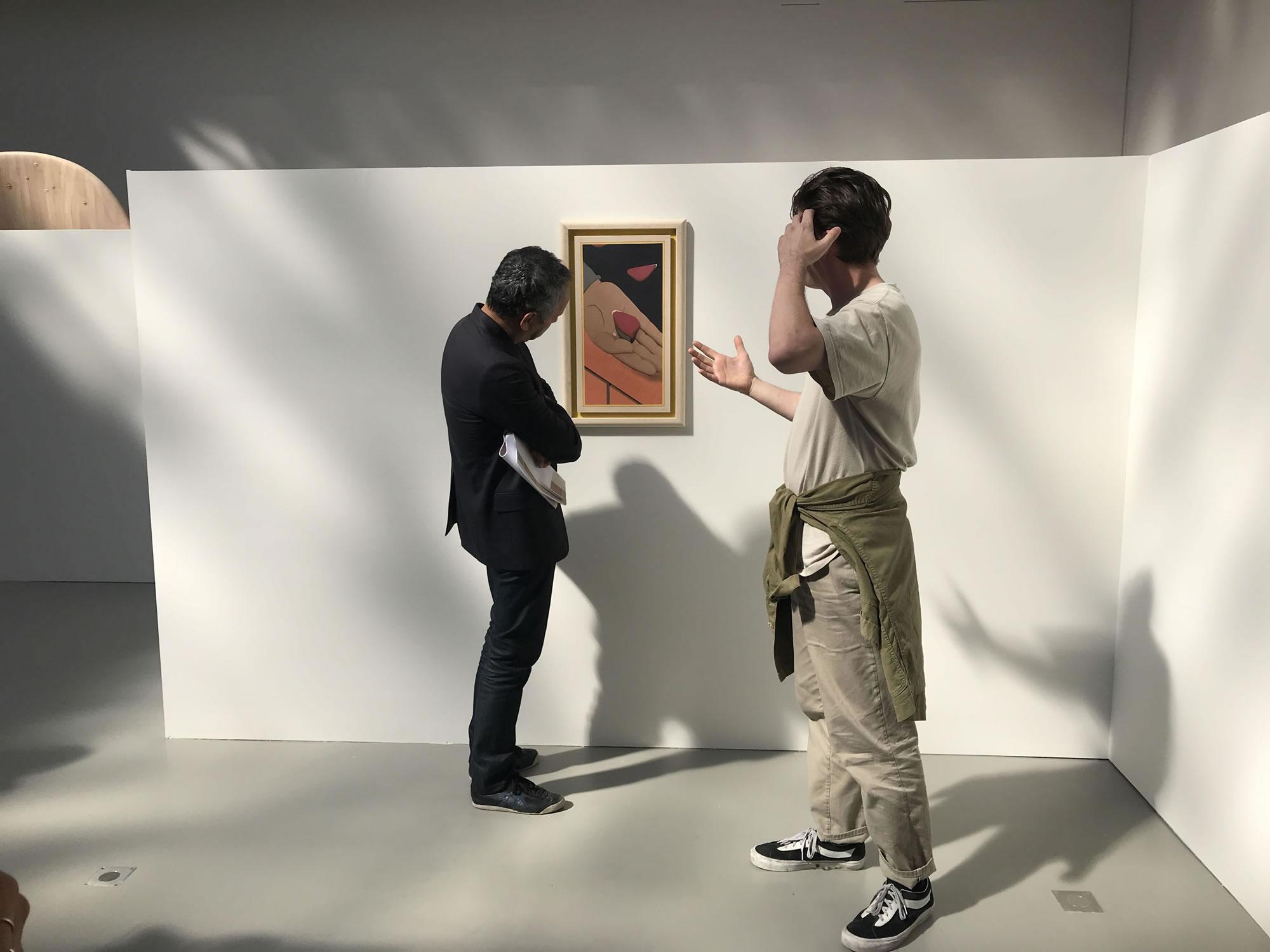
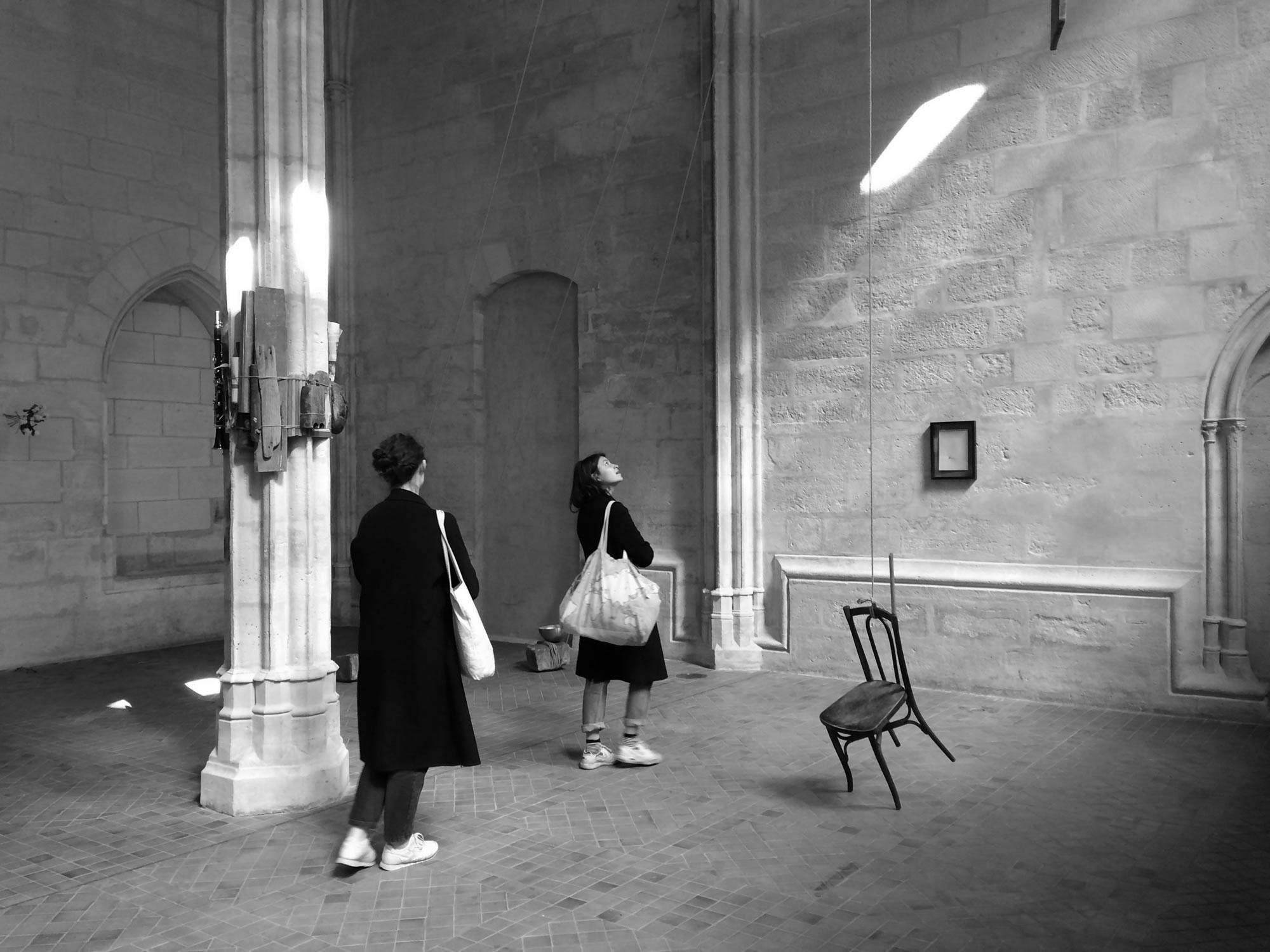
CARE aims to train autonomous students immersed in the professional world, sensitive to the plasticity and meaning of artworks. Indeed, it is a matter of seeing and listening, echoing the program’s title, which invites us to take care. To be attentive to the artworks, artists, qualities of the spaces, audiences, installations, and all stages that structure and bring the exhibition to life. To investigate the optimal conditions for displaying artworks in order to fully enjoy and share their evocative power. To make and experiment at various scales. To read and understand others’ work, be able to engage it in new projects, facilitate its emergence, and establish correspondences. To take a close interest in the making of works, understand a practice, and thus measure what constitutes its own universe and that of others, exploring the possibility (or difficulty) of building bridges between these universes.
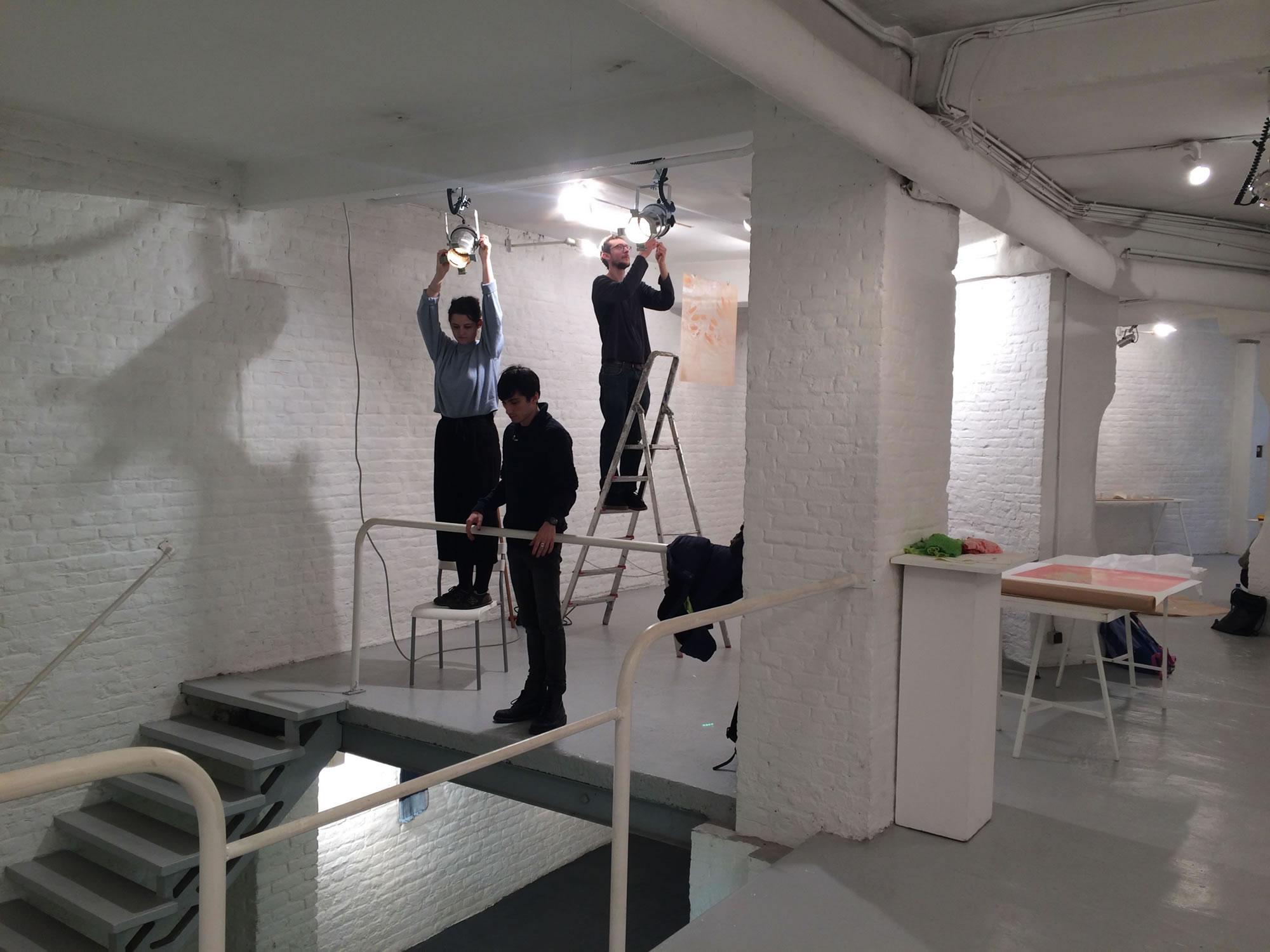
The program consists of several teaching units, including the workshop “Exhibition Practices,” specific research modules, and professional internships. Seminars and peripheral courses contribute to a reflection on space and its qualities, allowing for a learning process in exhibition practices based both on theoretical, critical, and historical approaches, as well as on 1:1 scale practical work. A thesis will be completed at the end of the two years of the master’s program.
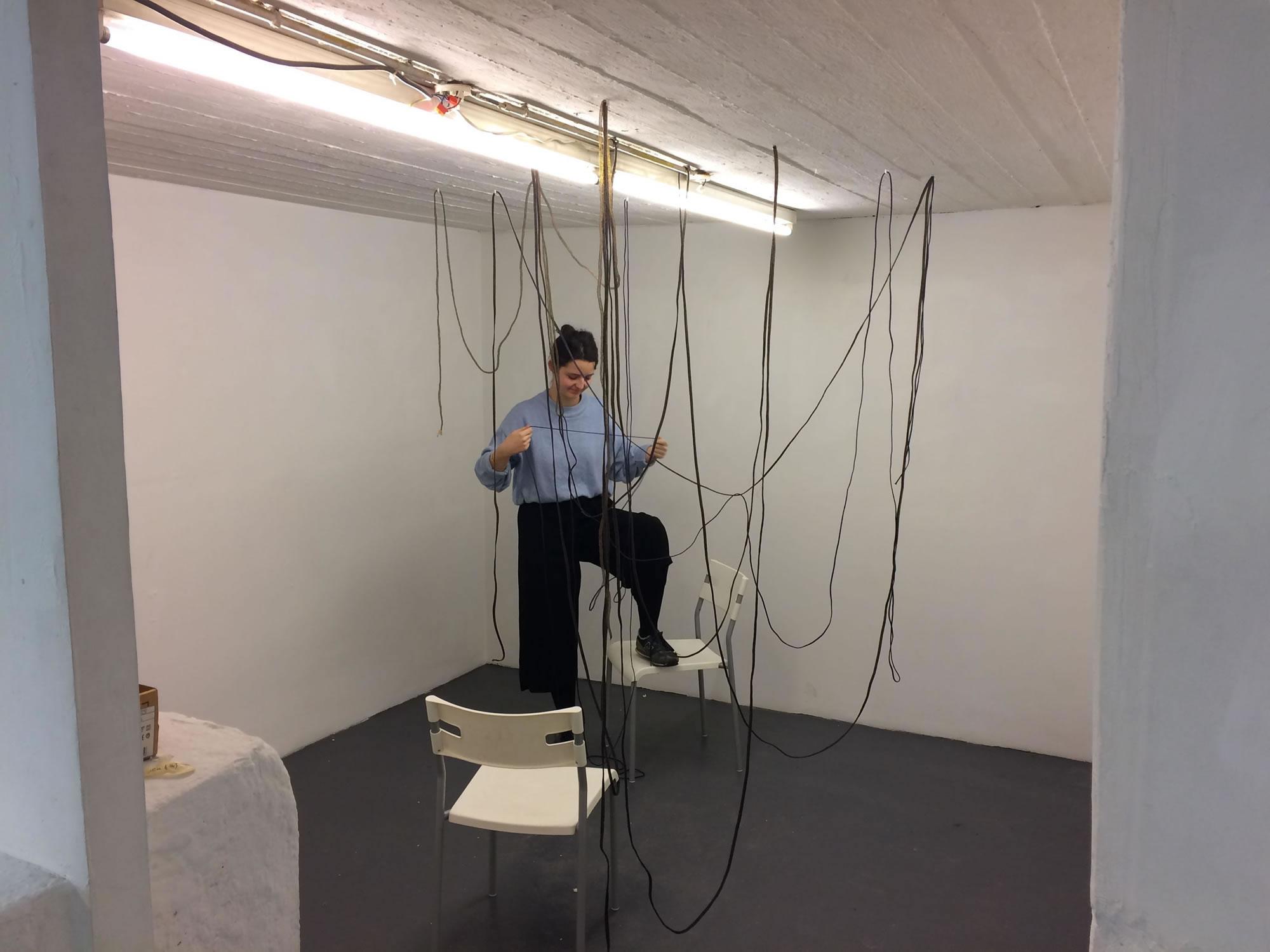
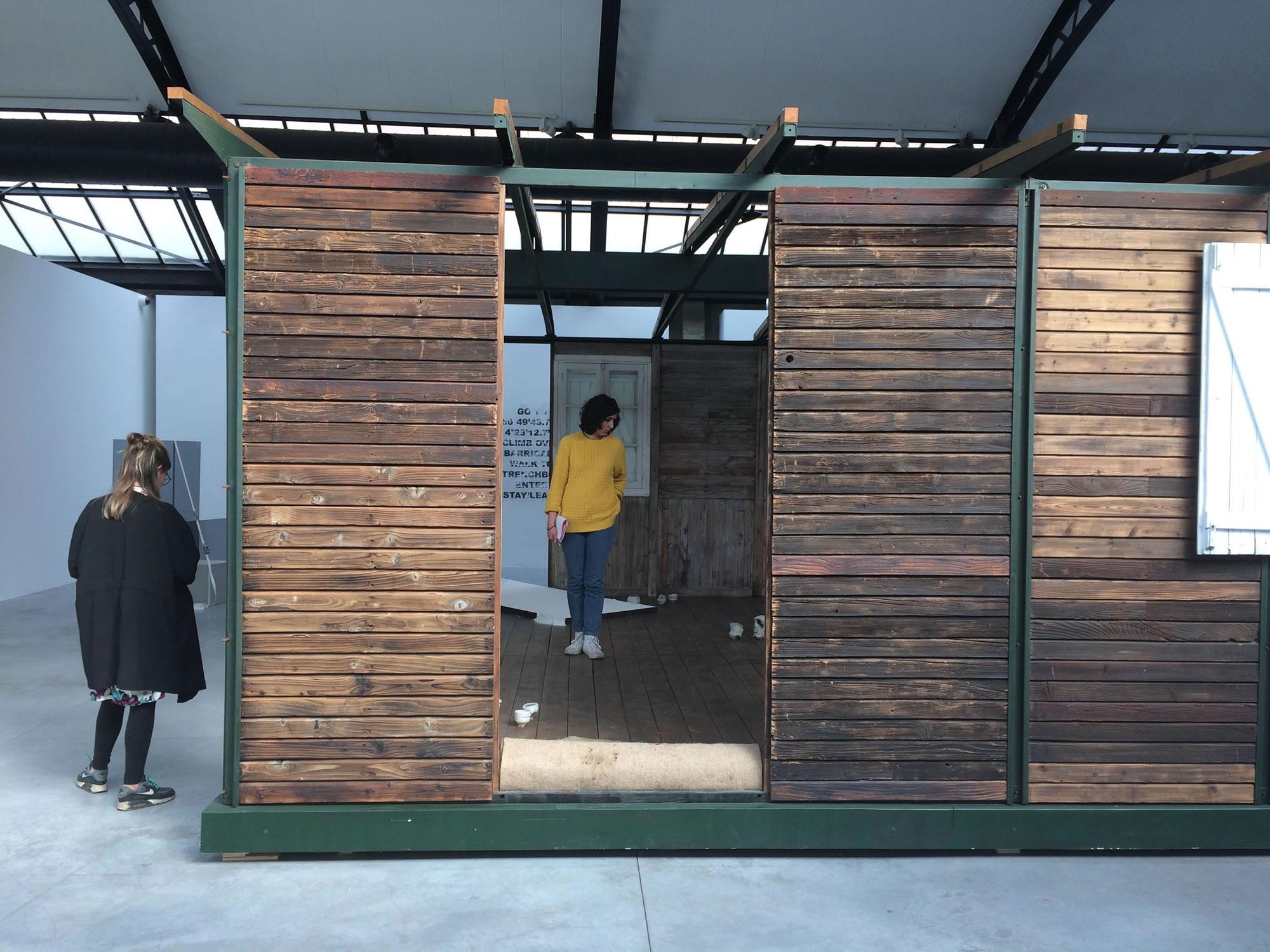
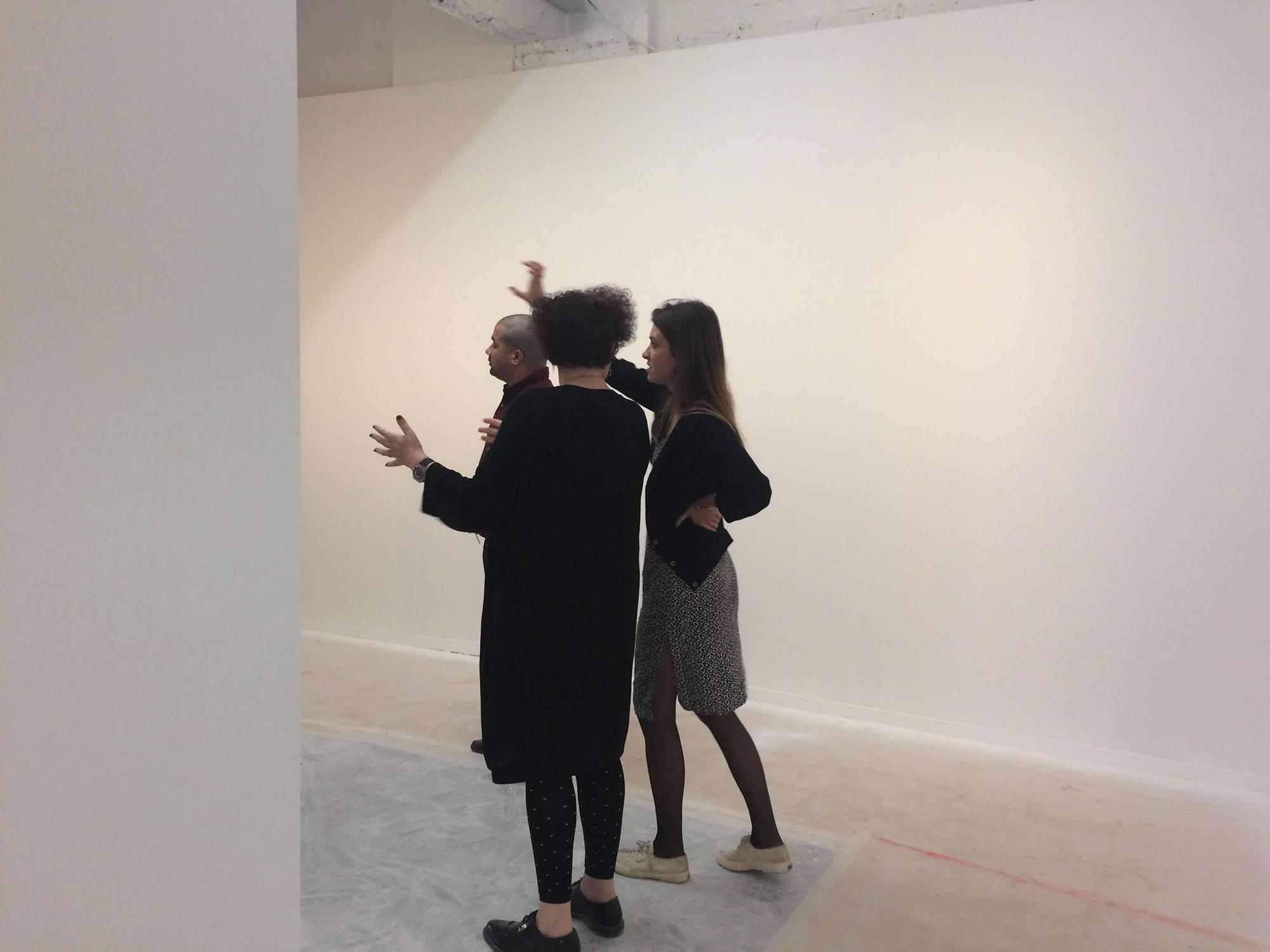
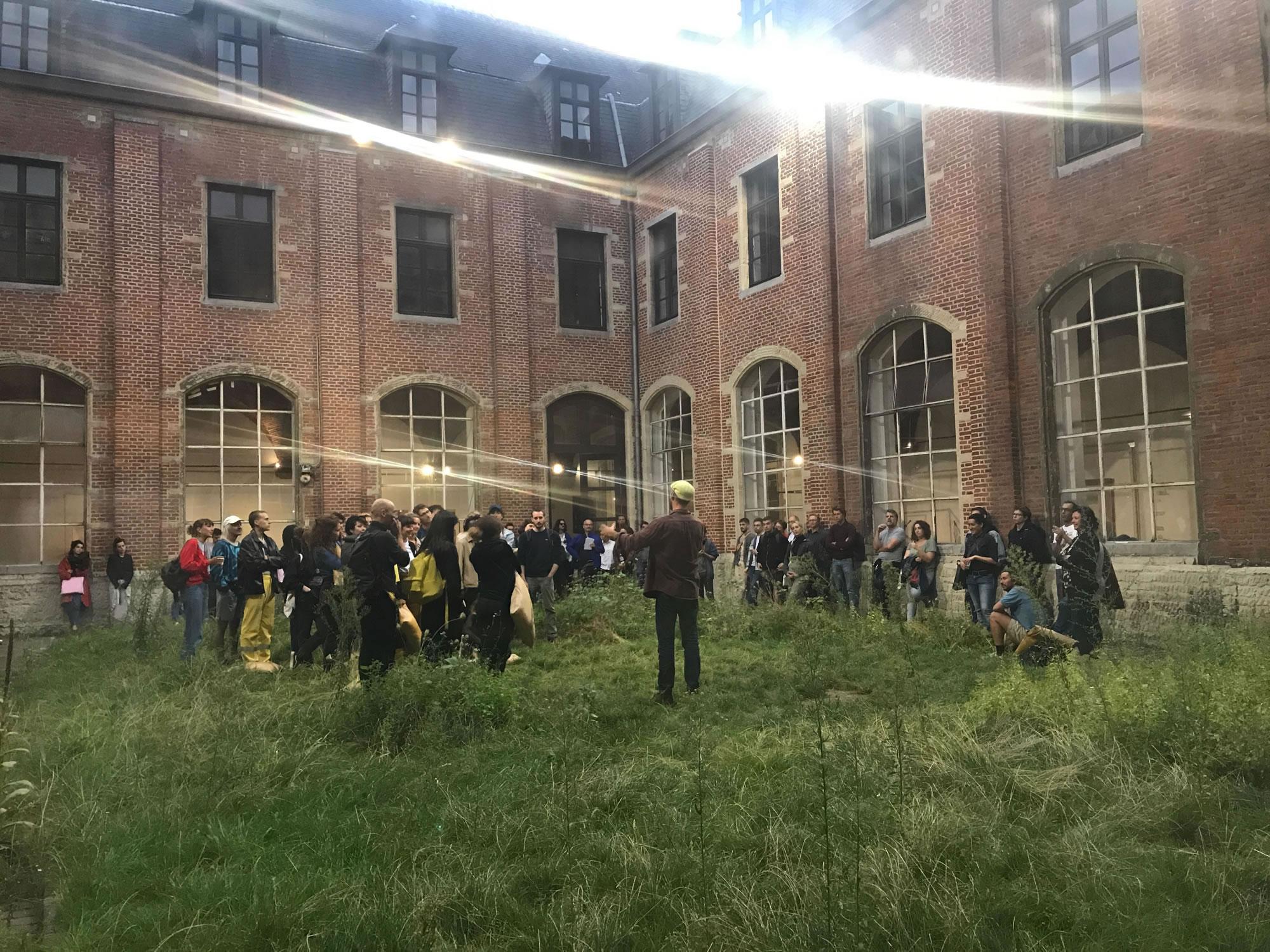
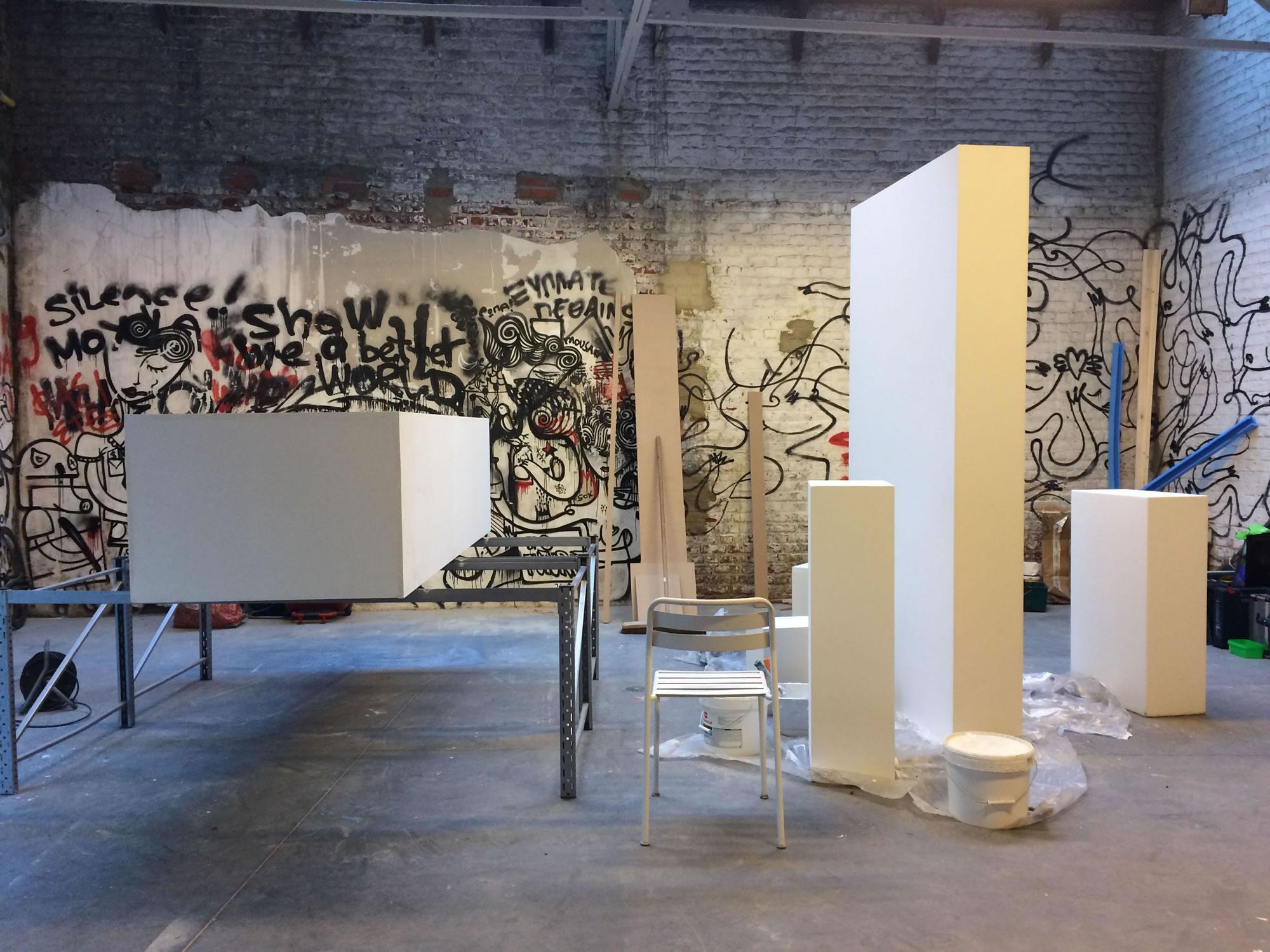
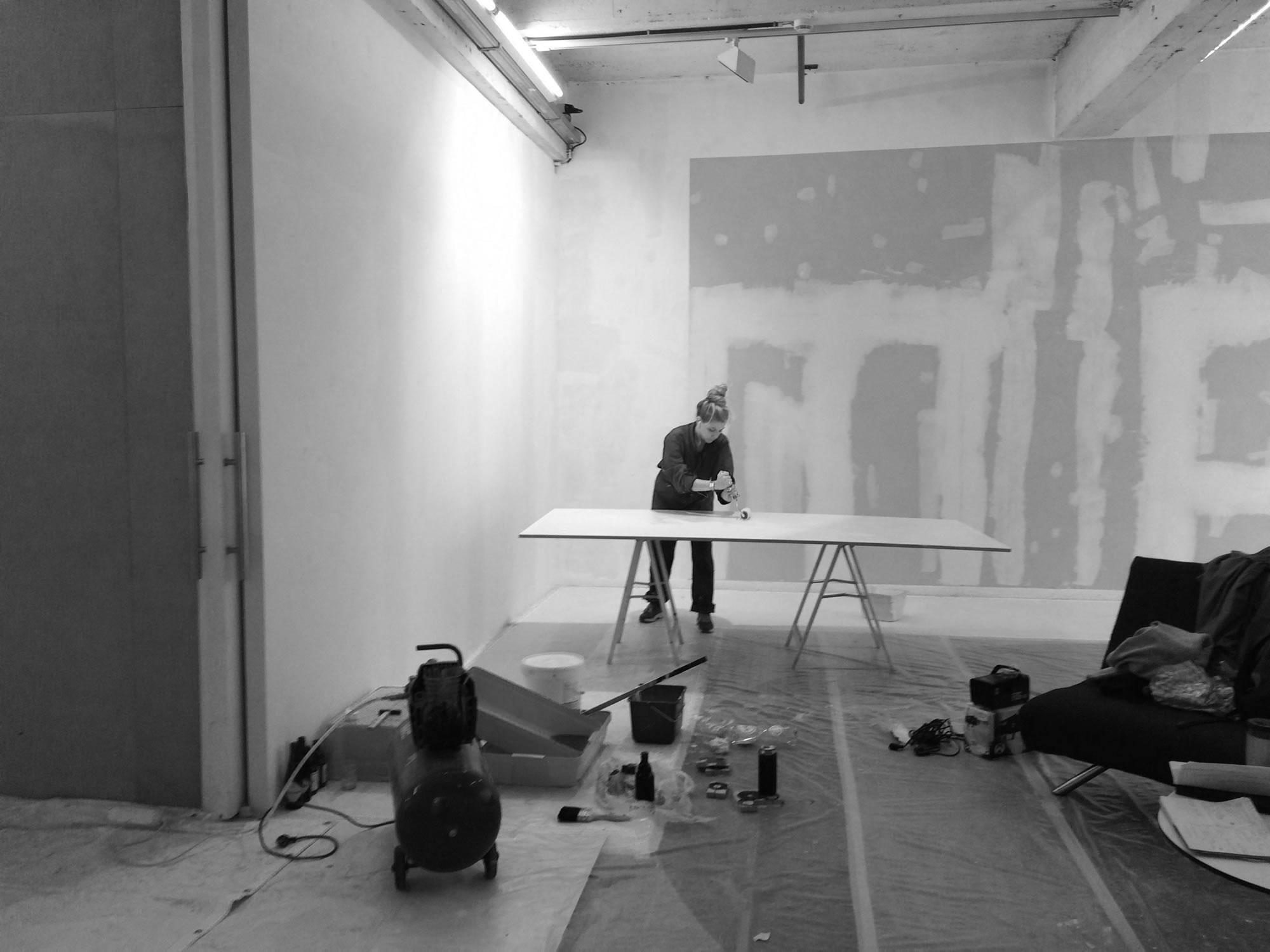
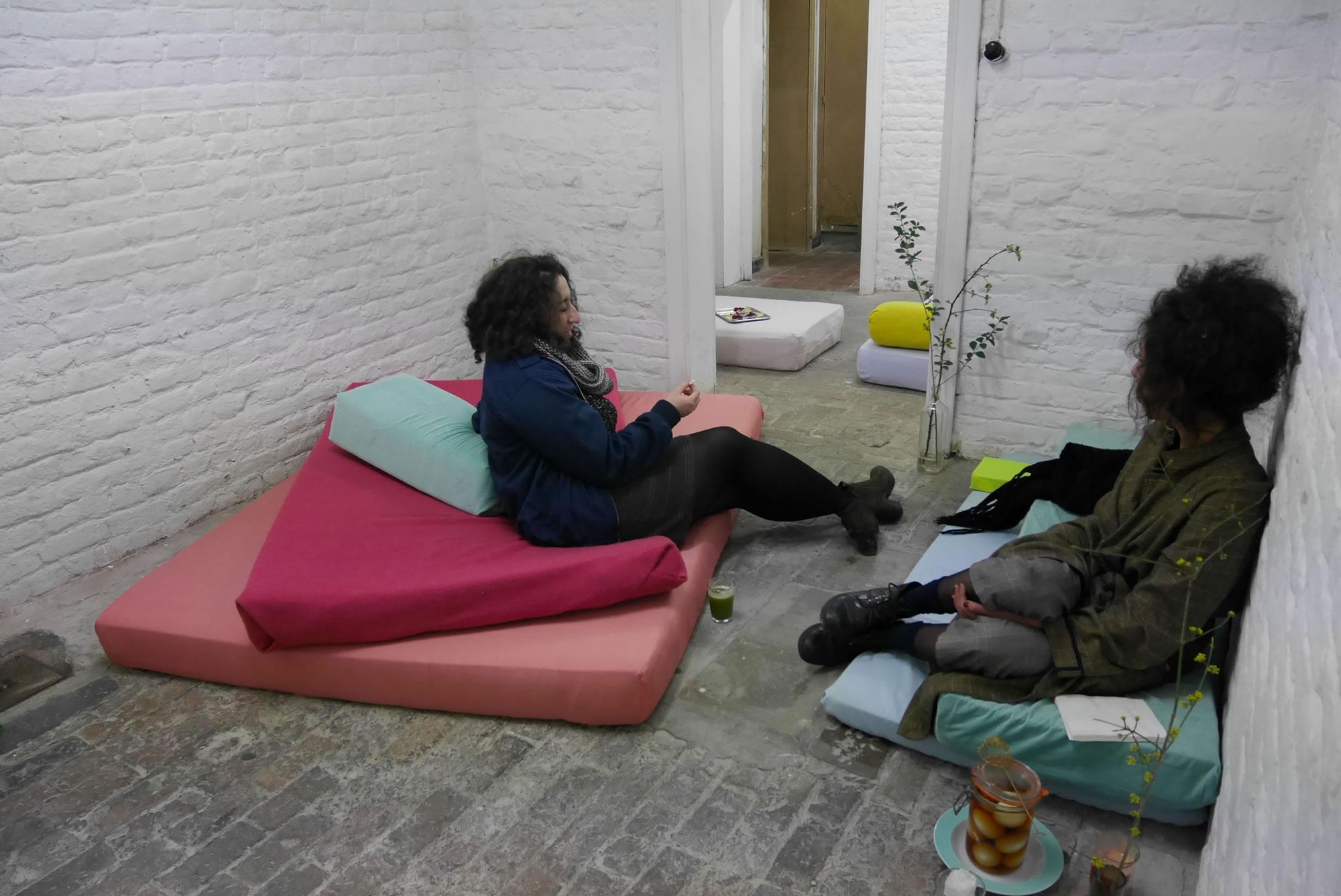
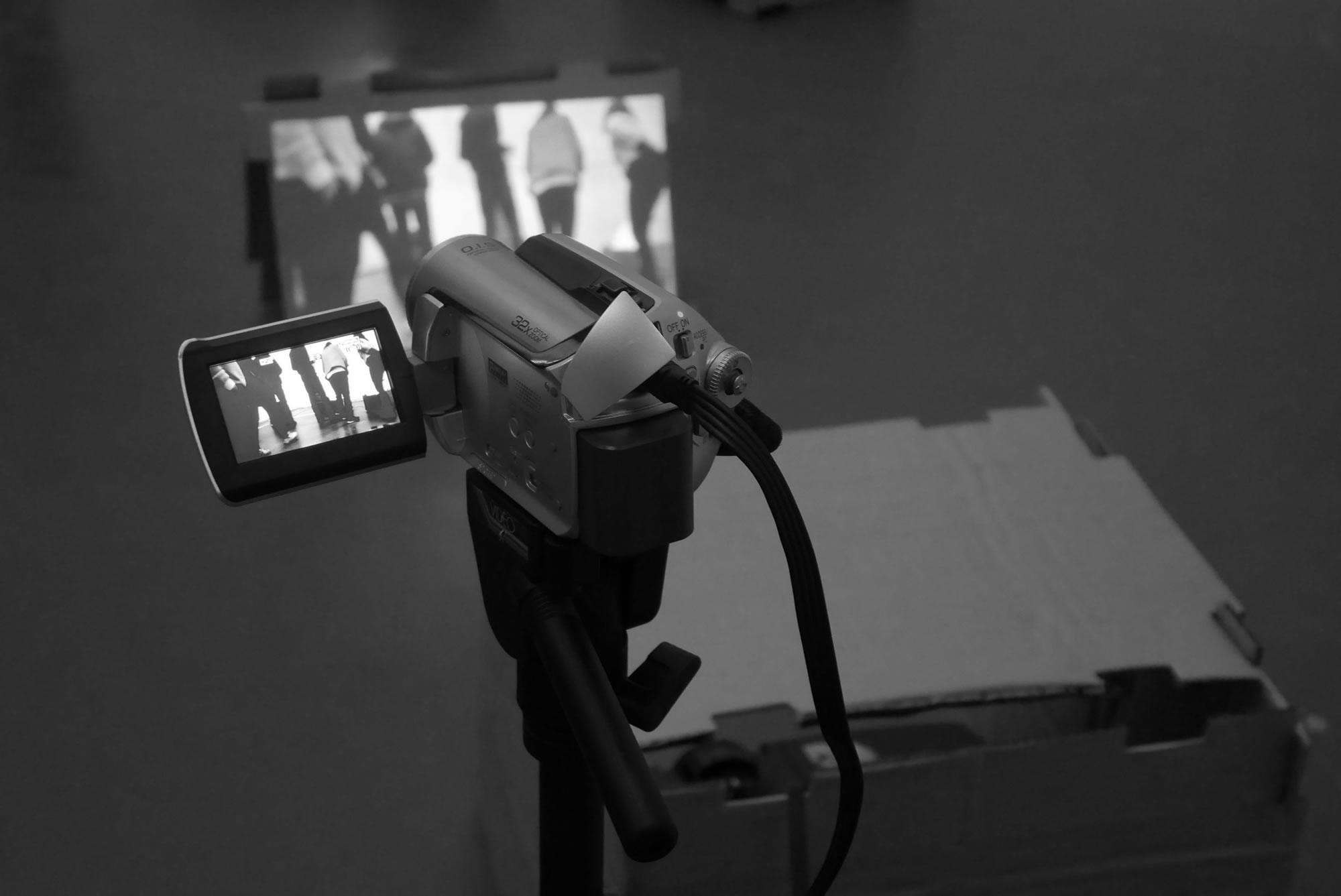
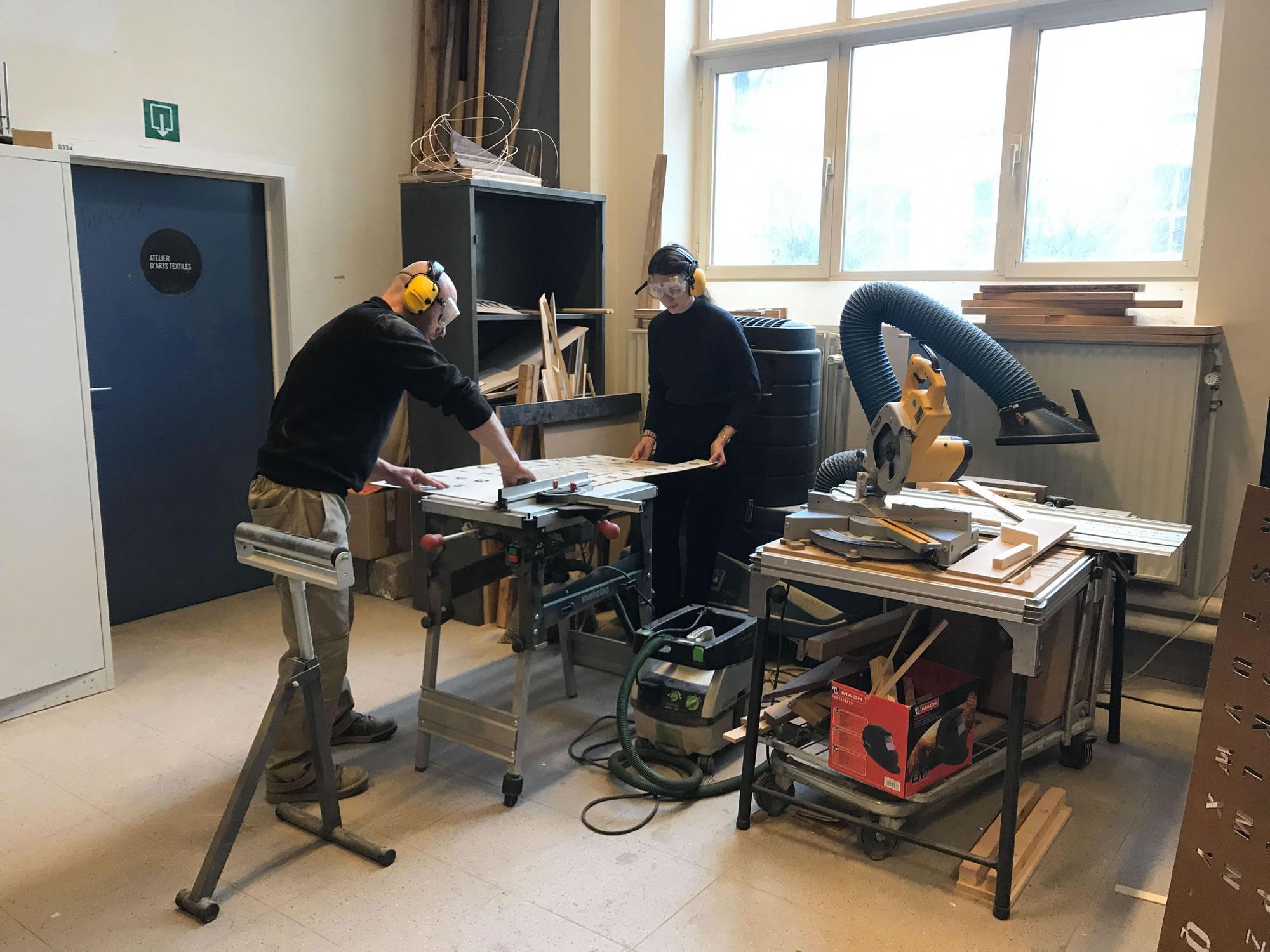
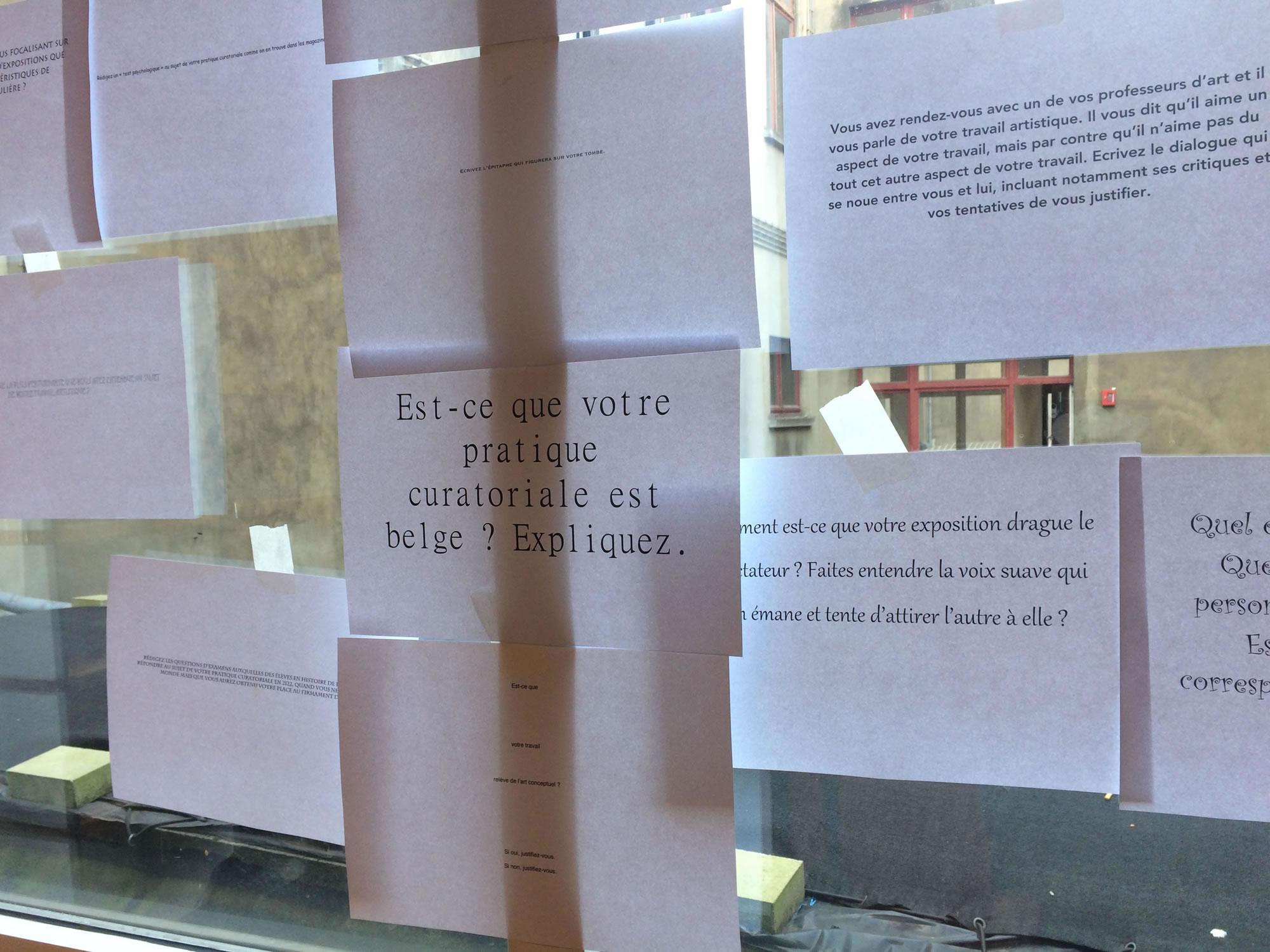
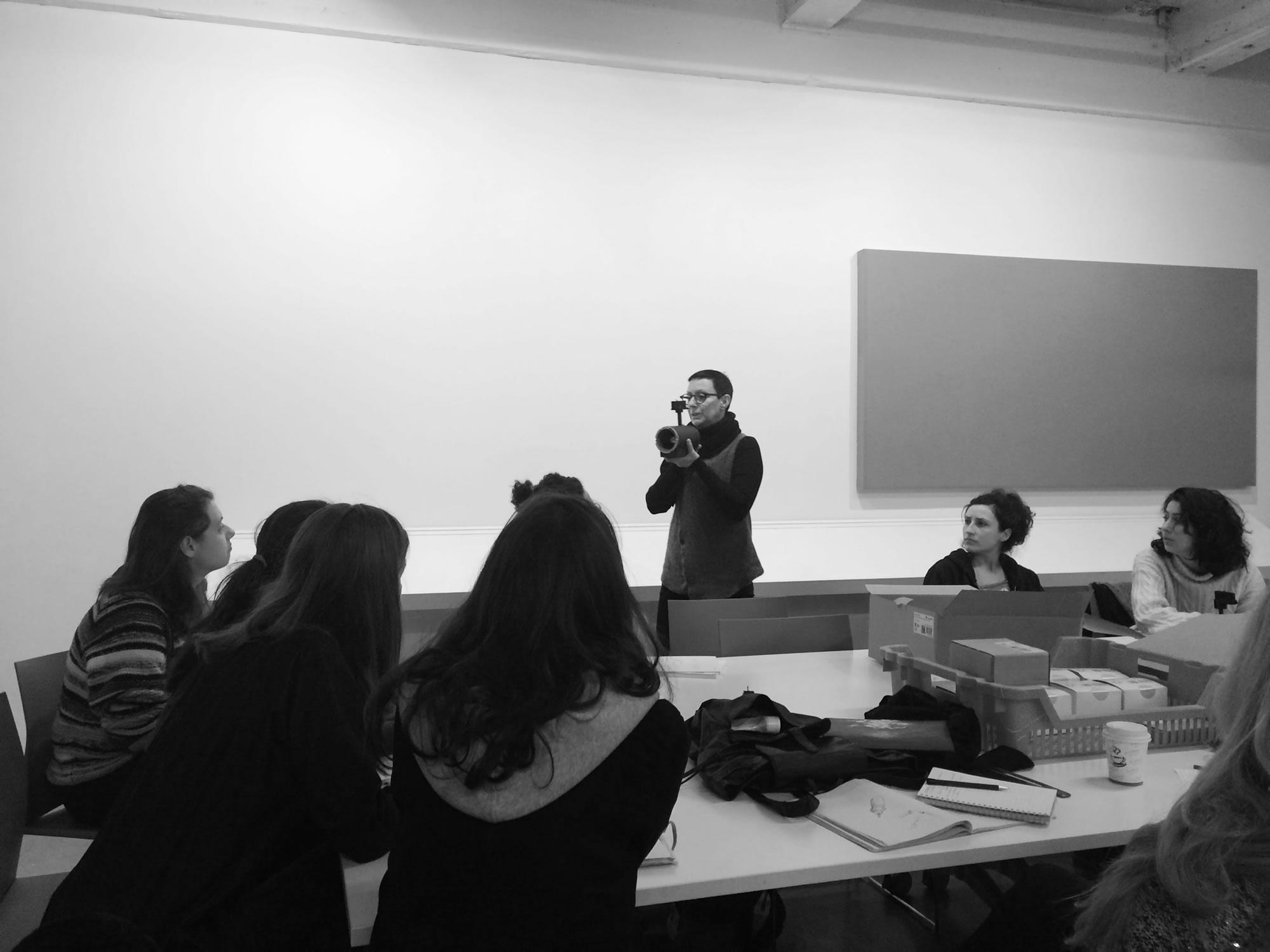
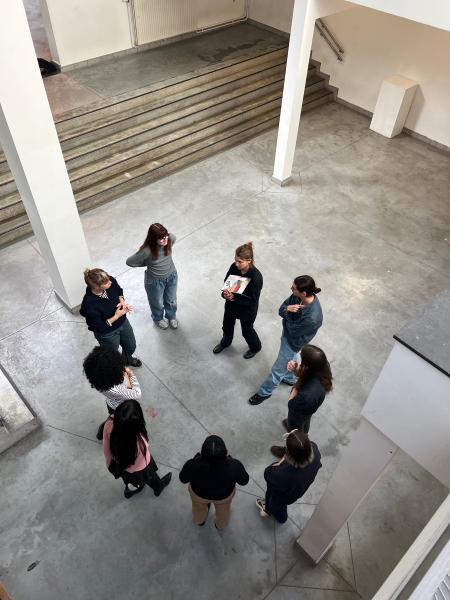
The workshop is a space for experimentation and research. Weekly collective sessions enable sharing and collective reflection on exhibition practices. Work proposals invite the development of a personal project and singular reflection for the student, while also creating collective situations. Workshops inside and outside the school encourage practical engagement with space. Cross-disciplinary moments with other school programs provide opportunities for encounters around active practices.
Each year, the master collaborates with MULTI, the master’s program in editorial practices, through a joint research module at the intersection of editorial and curatorial practices.
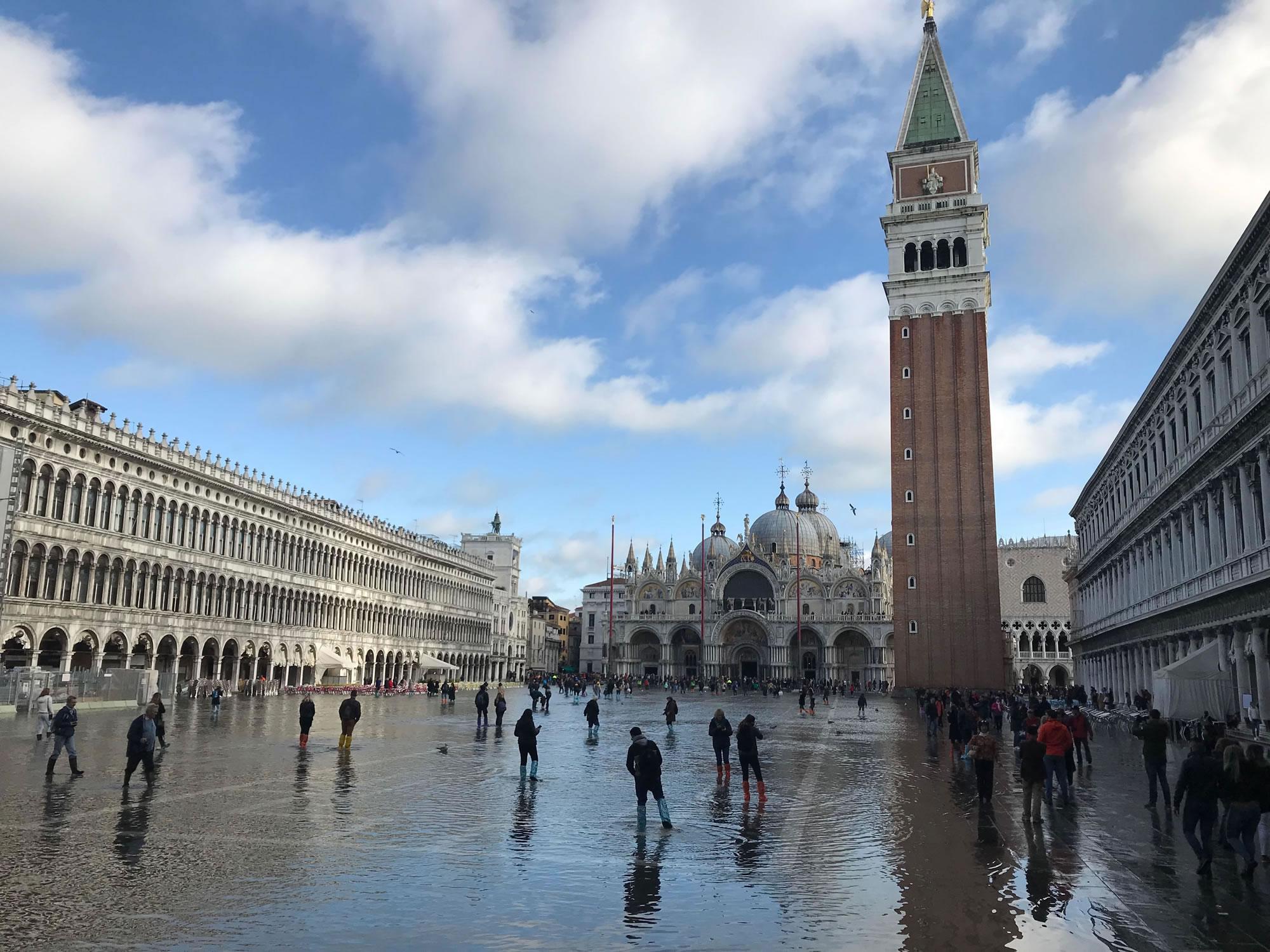
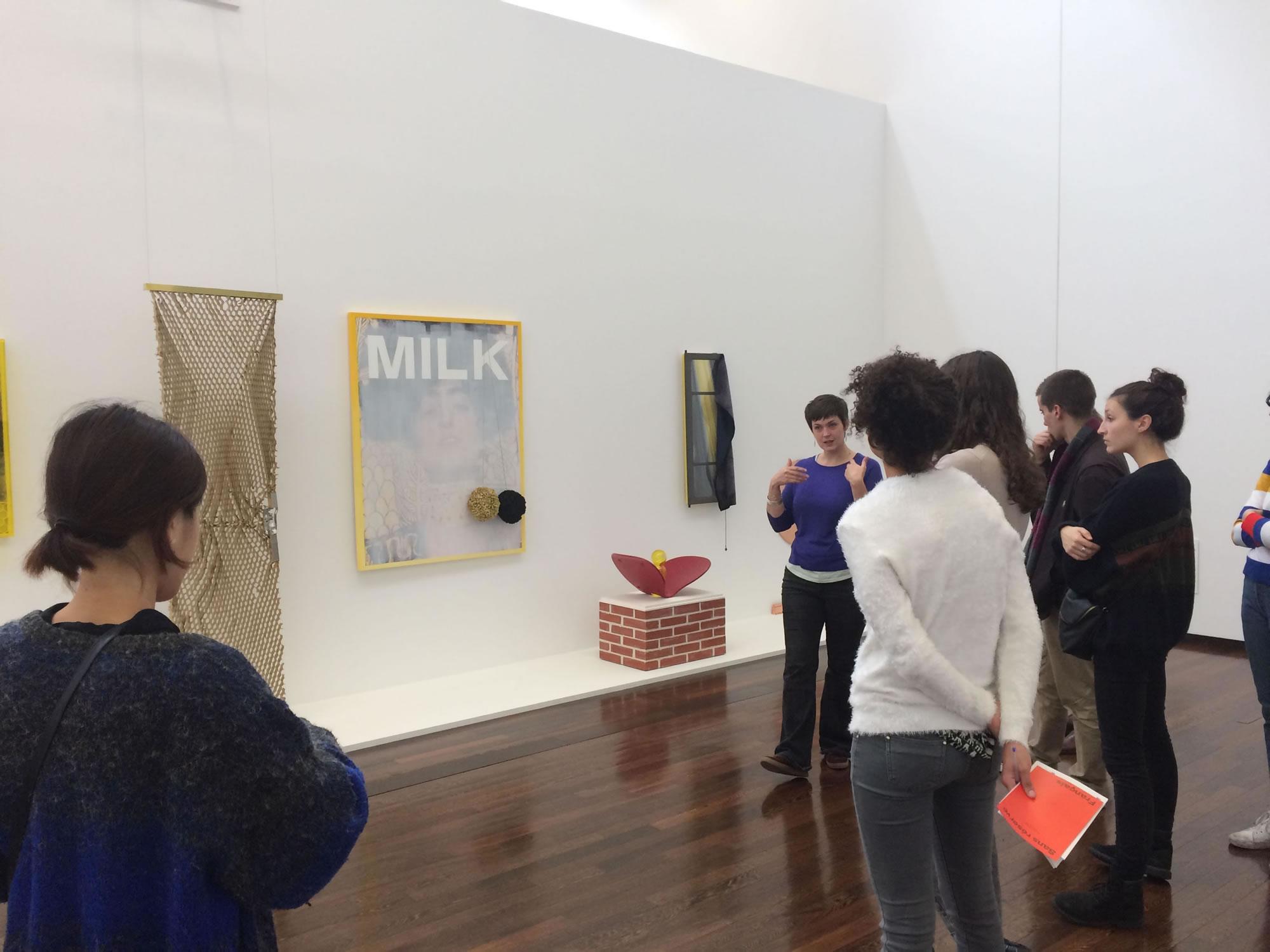
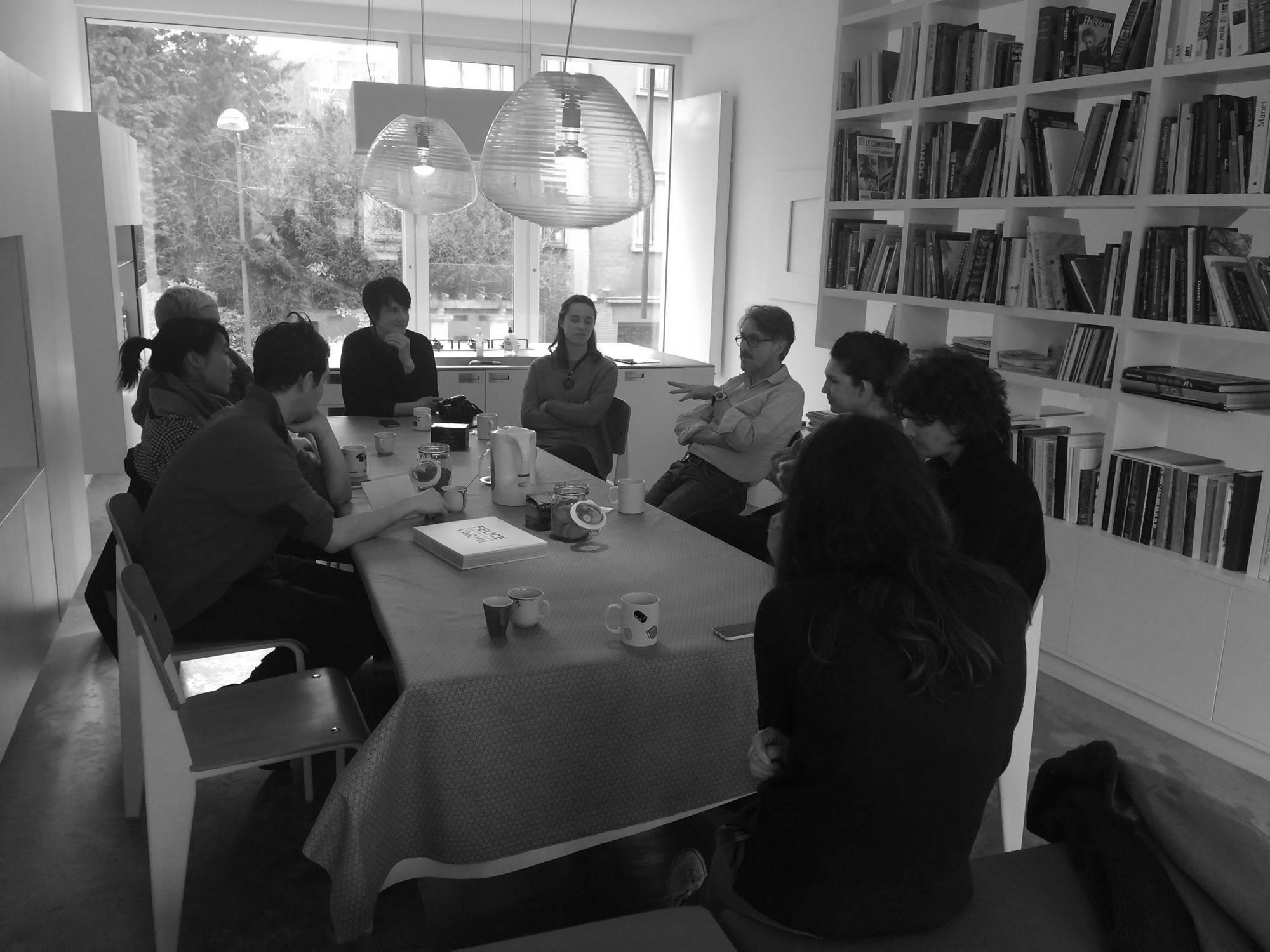
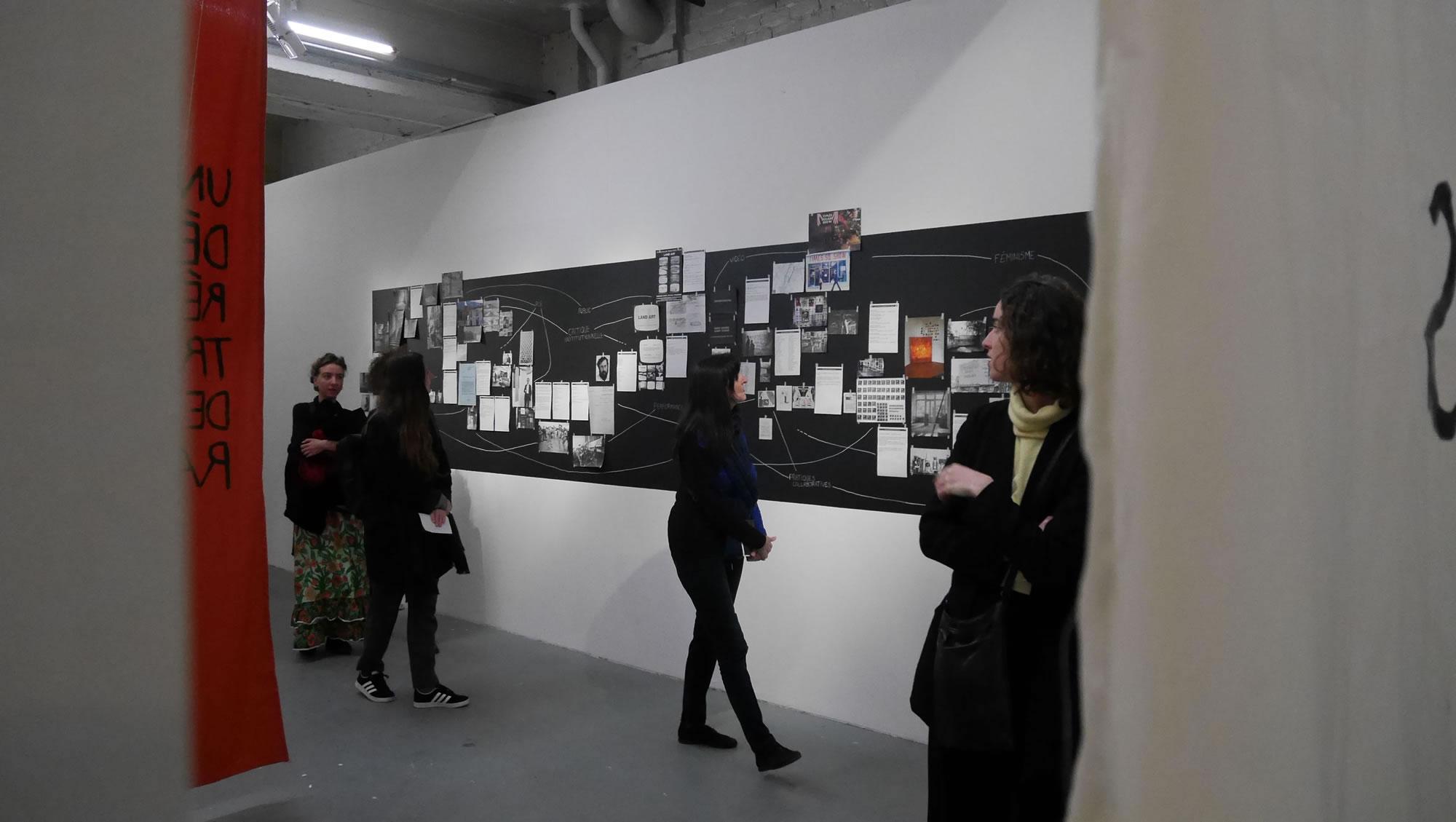
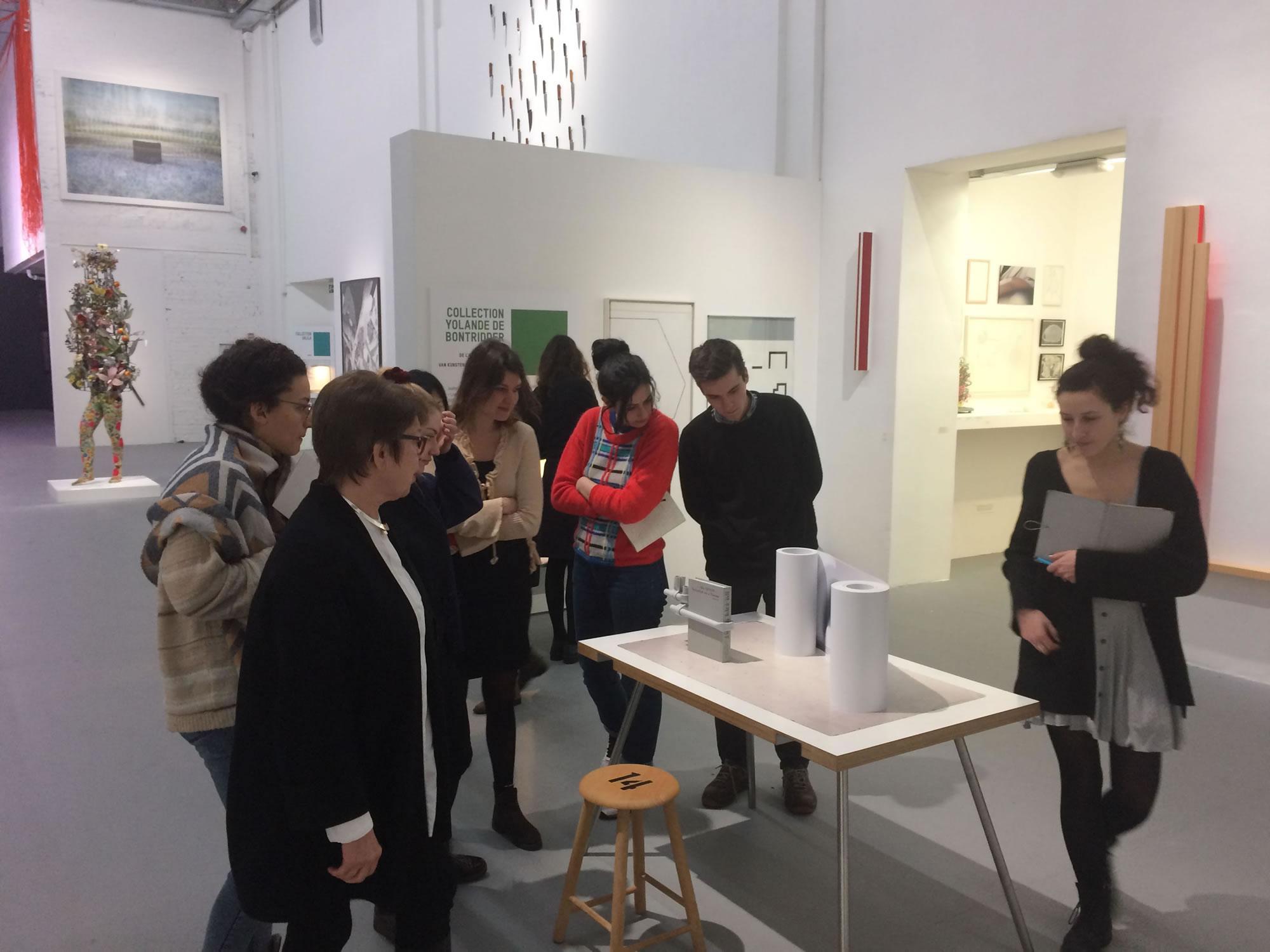
Cycles of meetings (such as Focus Centrale, Regards), round tables (Critical Lunches, Close Reading), as well as study trips punctuate the workshop. The team at La CENTRALE, through its ongoing activities, provides expertise and enables students to experience exhibitions firsthand—from artwork transport to openings. Students are invited to attend a series of internal and external lectures.
M1 / M2 Structure: first year explores, second year finalizes the diploma:
The master encourages and supports the development of singular proposals within a collective dynamic. In the first year, students experiment with a series of proposals. A unique practice develops as students respond to invitations to collaborate with others, engage with others’ work, and respond to a context or situation. It is also the year when the group learns to work together: collaborating, organizing, communicating, and dividing tasks toward a common goal. In short, experimenting with teamwork and the production logistics of projects.
In the second year, the student’s practice becomes clearer (their positioning, research fields) along with a project specific to the diploma. Several presentation moments follow one another like a “red thread.” The student is invited to experiment with different formats and to define what drives them and the various modes of existence of their practice.
PRE-REGISTRATION:
All admission requests are made through the admissions portal. The website will allow you to apply and submit all the documents required for your pre-registration.
Entry into the second cycle (Master’s program)
Entry into the second cycle is based on an artistic portfolio review. For selected candidates, an interview is organized and coordinated by the program director.
>Plus d'informations sur les épreuves d'admission
Professeur titulaire : Aurélie Gravelat
Assistante : Camille Lemille
Conférencier : Yoann Van Parys
Professeur : Cédric Noël
Contact : care@arba-esa.be
LA CENTRALE (partenariat privilégié annuel)
R2D2 architecture (2017-2019)
ISELP
Maison des Arts de Schaerbeek
MAAC
Tour à Plomb
Art et Marges
SB34
Poelp